The ancient invention that makes modern technology look like a toy
We got the timeline completely wrong about who built what first
I keep coming back to one simple fact. The wheel gets cited as the start of progress. Honestly? That feels lazy.
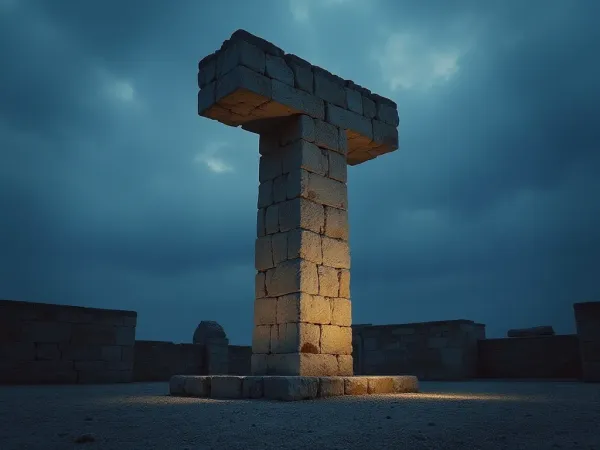
Look at Göbeklitepe. Those stones are older than the wheel by a mile. And they went up without metal tools.
Which changes everything. If hunter-gatherers could build temples before farming, what else are we missing?
The abacus was a computer before we had electricity
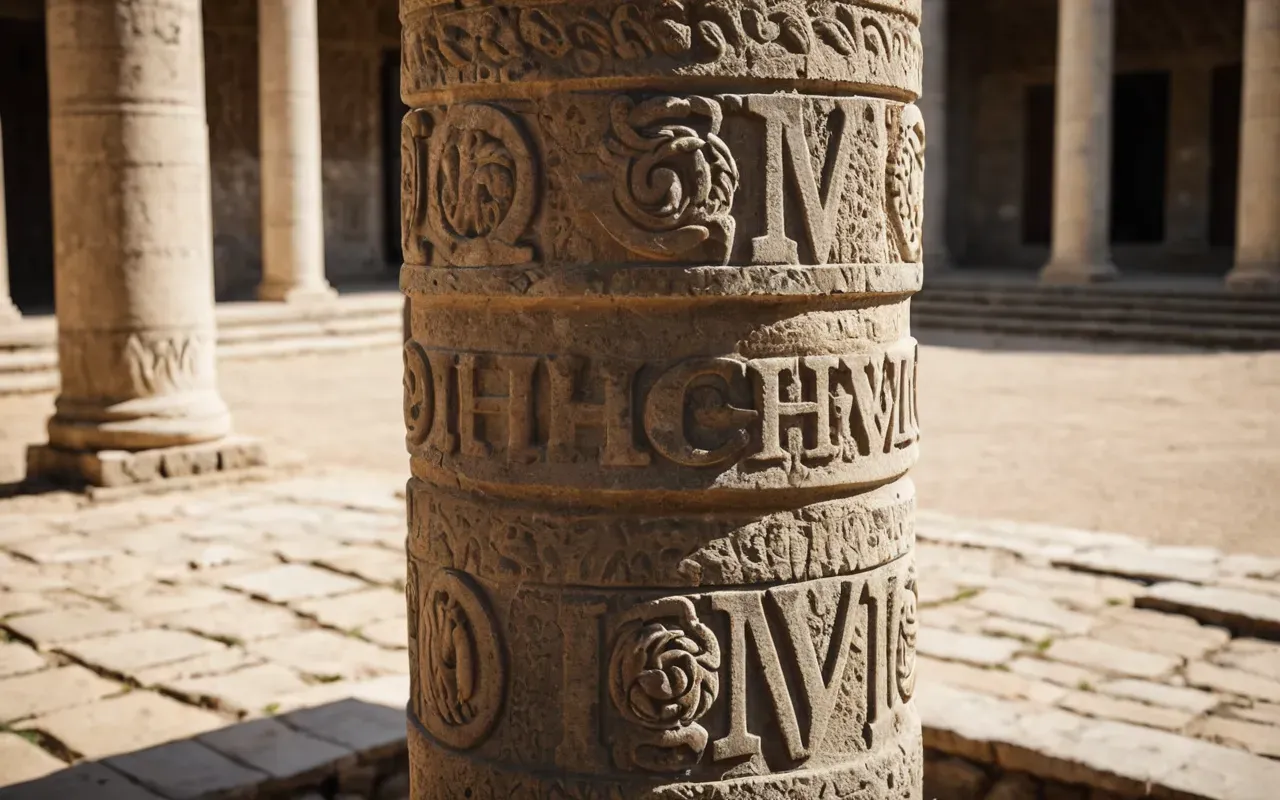
Around BCE in Mesopotamia, people used beads on frames. No batteries required.
It handled multiplication and division faster than many early mechanical calculators. Impressive, frankly.
We talk about AI and quantum computing now. But this wooden frame solved real-world problems for millennia.
Roman aqueducts still outlast our plastic pipes
Modern plumbing leaks. It corrodes. We rip it out every few decades.
The Roman system used gravity and stone. Two thousand years of flow, no pump.
I visited an old ruin once. The channels were still smooth inside. No rust. No cracks.
The earthquake detector that used physics not electronics
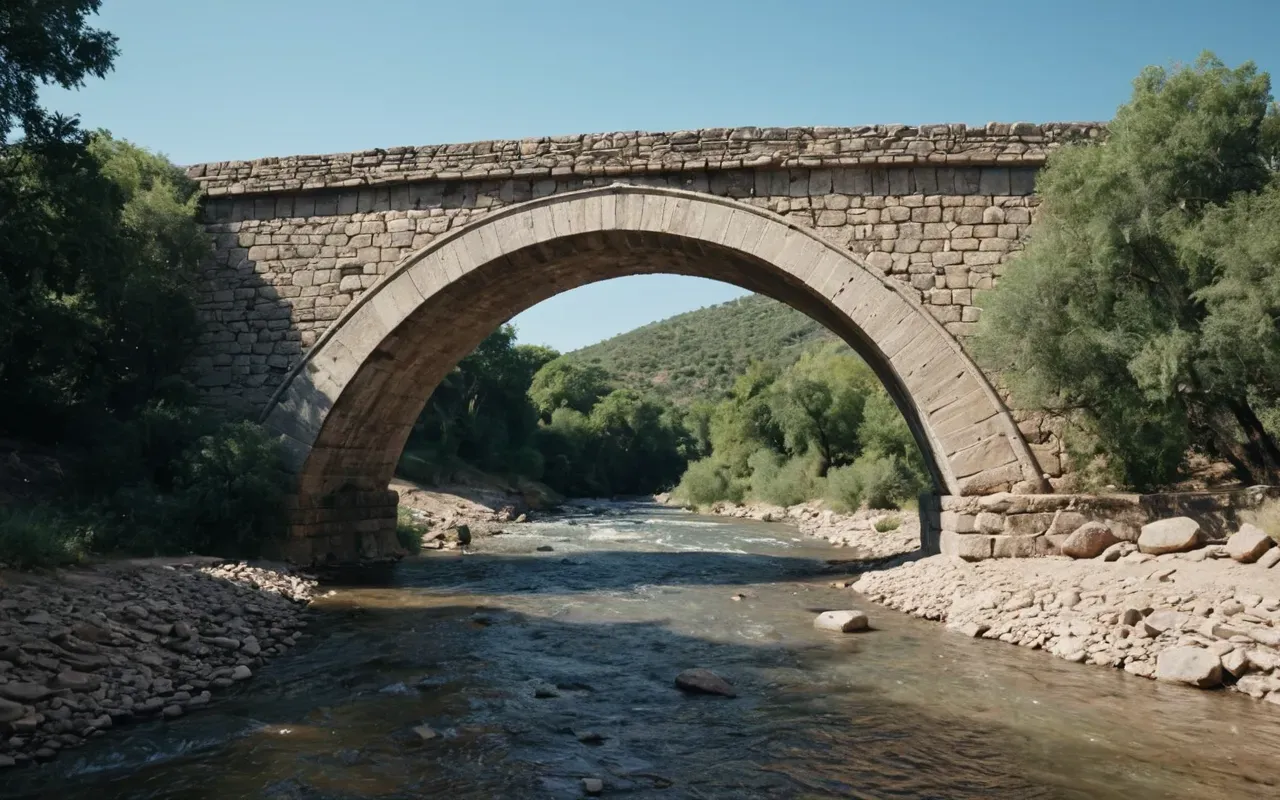
In AD, Zhang Heng built a bronze pot with eight dragon heads. It detected tremors.
A ball dropped from the correct mouth into a toad below. Simple mechanics did what sensors do now.
We rely on fragile chips today. That bronze pot likely outlived the buildings around it.
Why we underestimate prehistoric engineering skills
We assume ancient people were simple. The evidence says otherwise.
They built private bathrooms in the Indus Valley. They made paper in China.
If you want to see the real story of who built first, check out this analysis on temple construction.
The lens that changed how we see the world
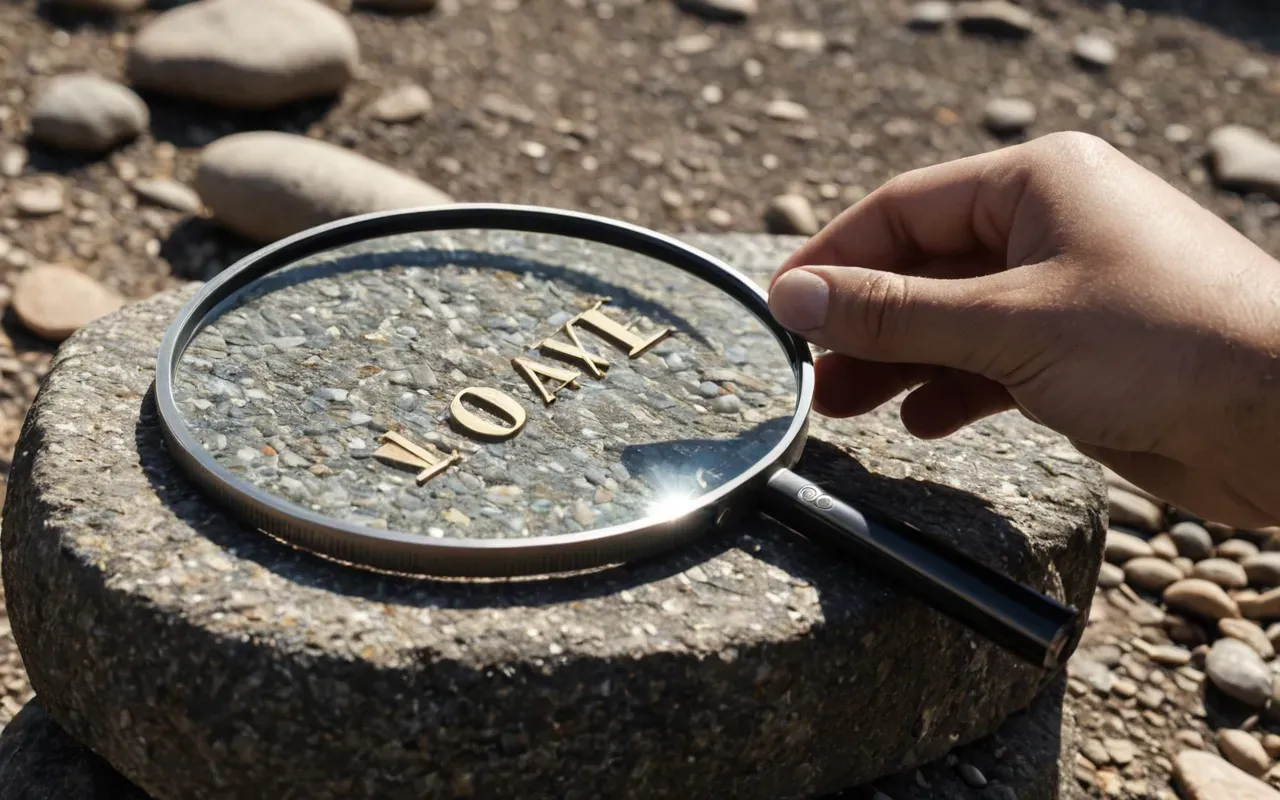
Found in Iraq. The Layard Lens dates to the th century BC.
It magnified details. Telescopes and corrective glasses came later.
We think we invented the camera. But they had the lens first.
The wheel was not the first great invention we should praise
Mesopotamians made it around BCE. It helped agriculture and trade.
But look at the pyramids. They used levers and ramps before wheels were common.
That is engineering. Not just rolling things around.
What this means for how we view human progress today
We often feel superior to the past. That is a mistake.
Ancient people solved hard problems with limited tools. They adapted to their environment.
Their innovations were durable. Ours often break within a year or two.
There is a lot to learn from the tools used by early engineers.
The chocolate energy drink of Mesoamerica
Cocoa beans were ground into a bitter drink. It gave people energy.
It was also an aphrodisiac. Socially important as well as physically useful.
We drink sweet chocolate now. They had the raw power source.

The sundial was the first clock we ever had
Egyptians used it around BCE. The sun cast a shadow on the stone.
No batteries. No screens. Just geometry and light.
It was reliable for thousands of years until we invented mechanical clocks.
Paper changed how stories survive across generations
Clay tablets were heavy. Papyrus was expensive.
Chinese paper made copying easier. Ideas spread faster than ever before then.
This is why we have so many ancient texts left today. Thanks to that sheet.
Private bathrooms were a luxury before the flush toilet
Homes in the Indus River Valley had individual rooms for washing.
They connected to a central sewer system. That is advanced urban planning.
Modern apartments often lack this privacy. We should be embarrassed honestly.
The compass opened up the world for trade and travel
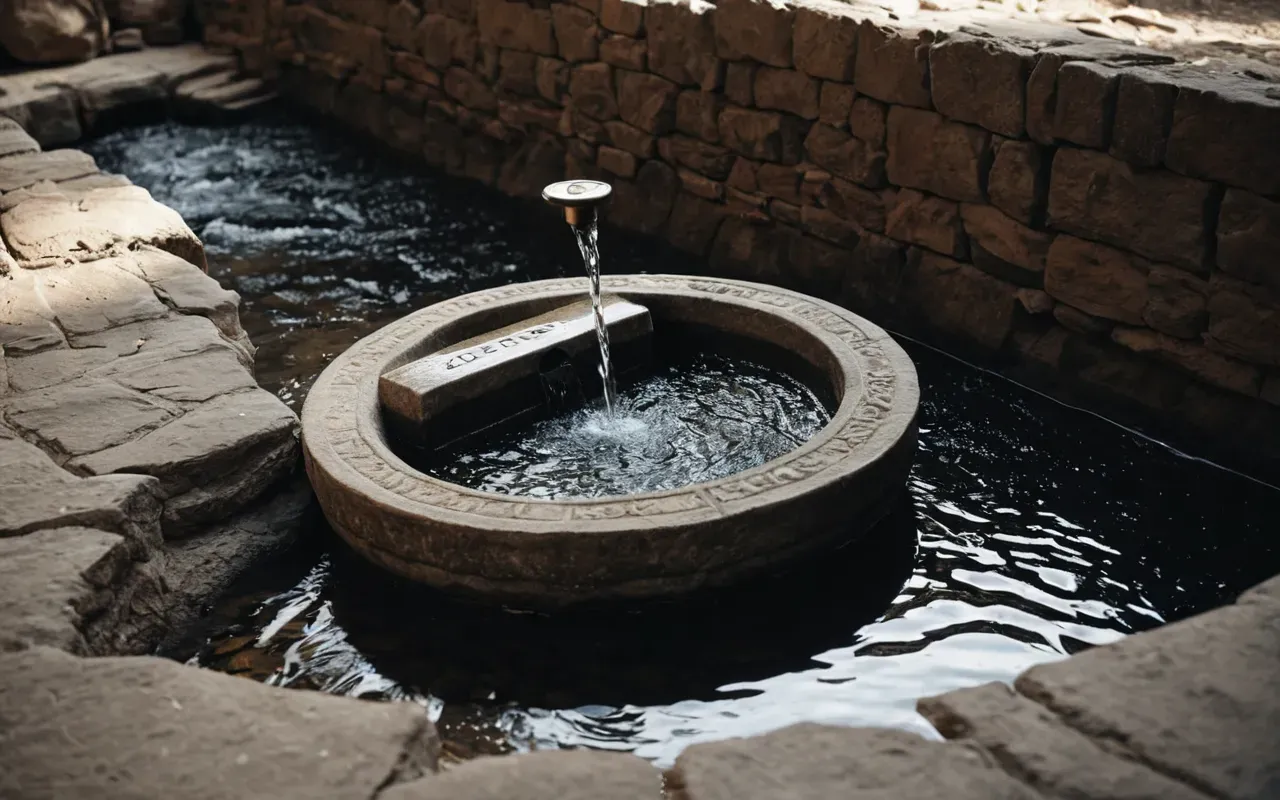
Developed in China around the nd century BCE. It used magnetism.
This enabled the Silk Road to expand across continents safely.
Without it, global culture would look completely different today. That is a big deal.
Why Göbeklitepe proves we are not as new to building as thought
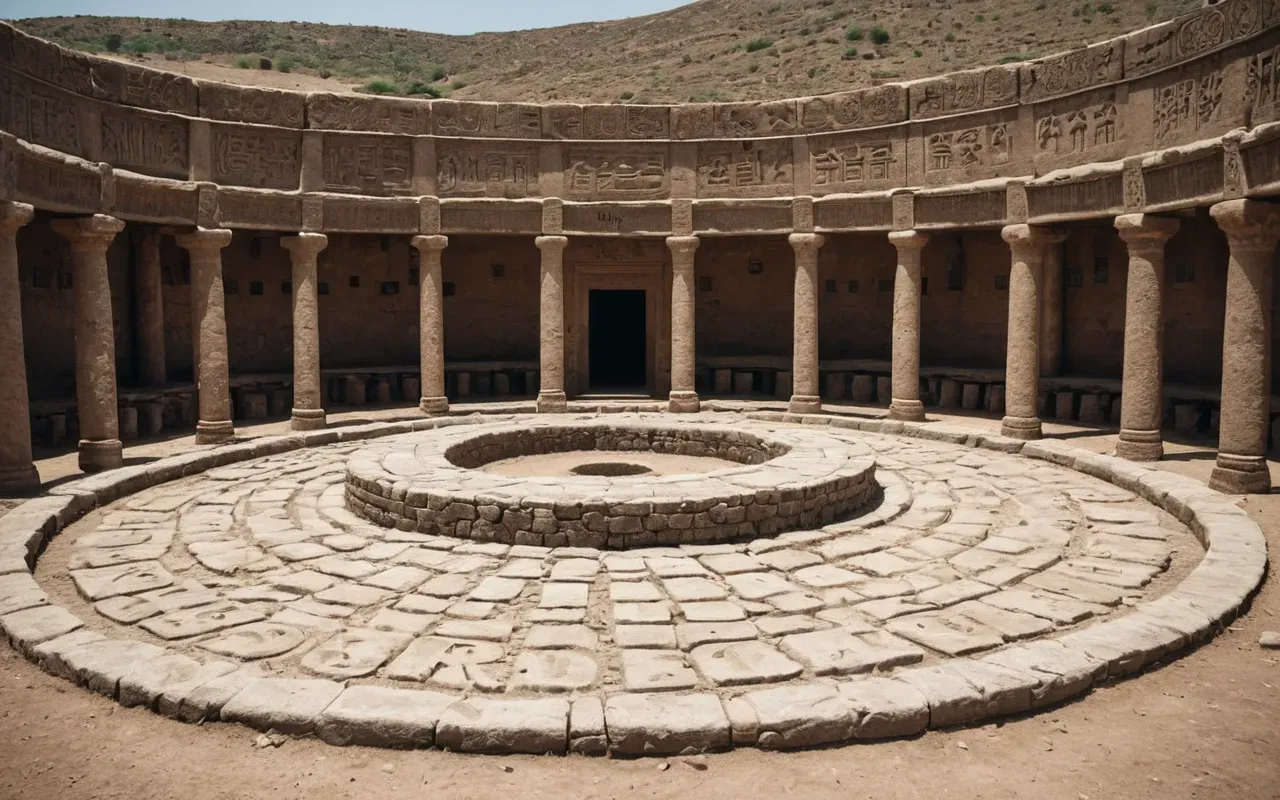
The site is over , years old. It predates farming by millennia.
People gathered there for rituals. They moved massive stones without cranes.
It challenges the idea that complex society needs agriculture first. It does not.
If you want to understand the real timeline of builders, see this piece on missing historical links.
The real lesson is that innovation does not need electricity
We rely on screens and apps. That is fragile.
Ancient tools worked for centuries with zero maintenance beyond weathering.
Maybe the future is not more digital. Maybe it is smarter mechanical design.
History shows us that simplicity often wins out over complexity in the long run.