Göbeklitepe: Decoding the Symbols of Ancient Worship
Unearthing Göbeklitepe's Symbolic Landscape
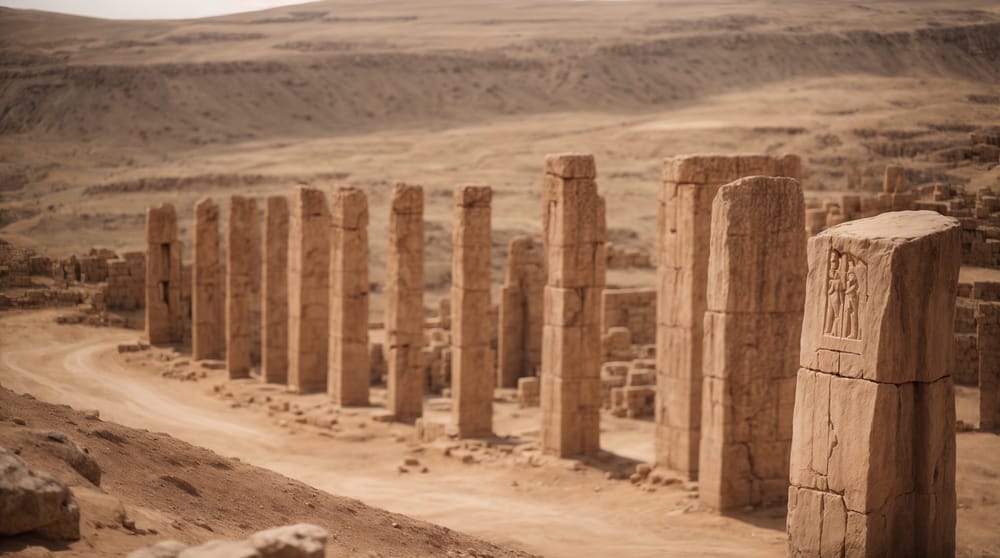
Delving into the heart of Turkey's southeastern region, Göbeklitepe stands as a testimonial to the dawn of civilization. This Neolithic site, predating Stonehenge by over 6,000 years, offers a window into the spiritual and communal lives of its builders. The massive, T-shaped limestone pillars, intricately carved with enigmatic symbols of animals, abstract symbols, and humanoid forms, suggest a complex understanding of cosmology and ritual. Each monument, likely central to gatherings and rituals, showcases a distinct narrative, providing historians and archeologists with insights into the social and religious fabric of prehistoric societies.
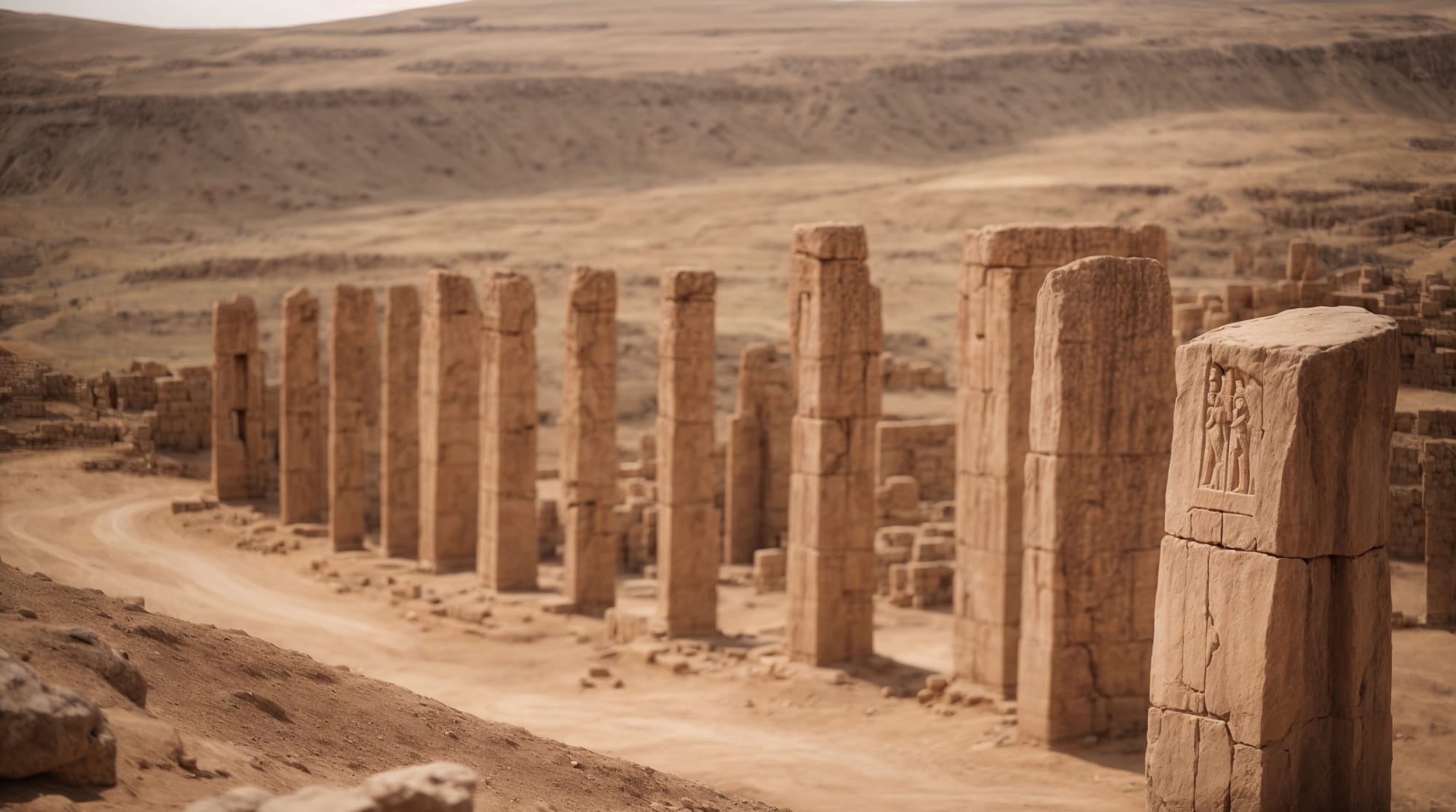
The carvings on the pillars serve not only as artistic expression but also as a language of belief. Predominant depictions of predatory animals, like lions and boars, may symbolize power and protection. Likewise, the frequent portrayal of vultures could indicate beliefs surrounding death and rebirth—a testament to early human's attempt to understand and control their environment spiritually. Furthermore, archaeologists hypothesize that circular arrangements of these pillars could represent a form of calendar or astronomical observatory, used to mark seasonal cycles vital for agricultural activities.
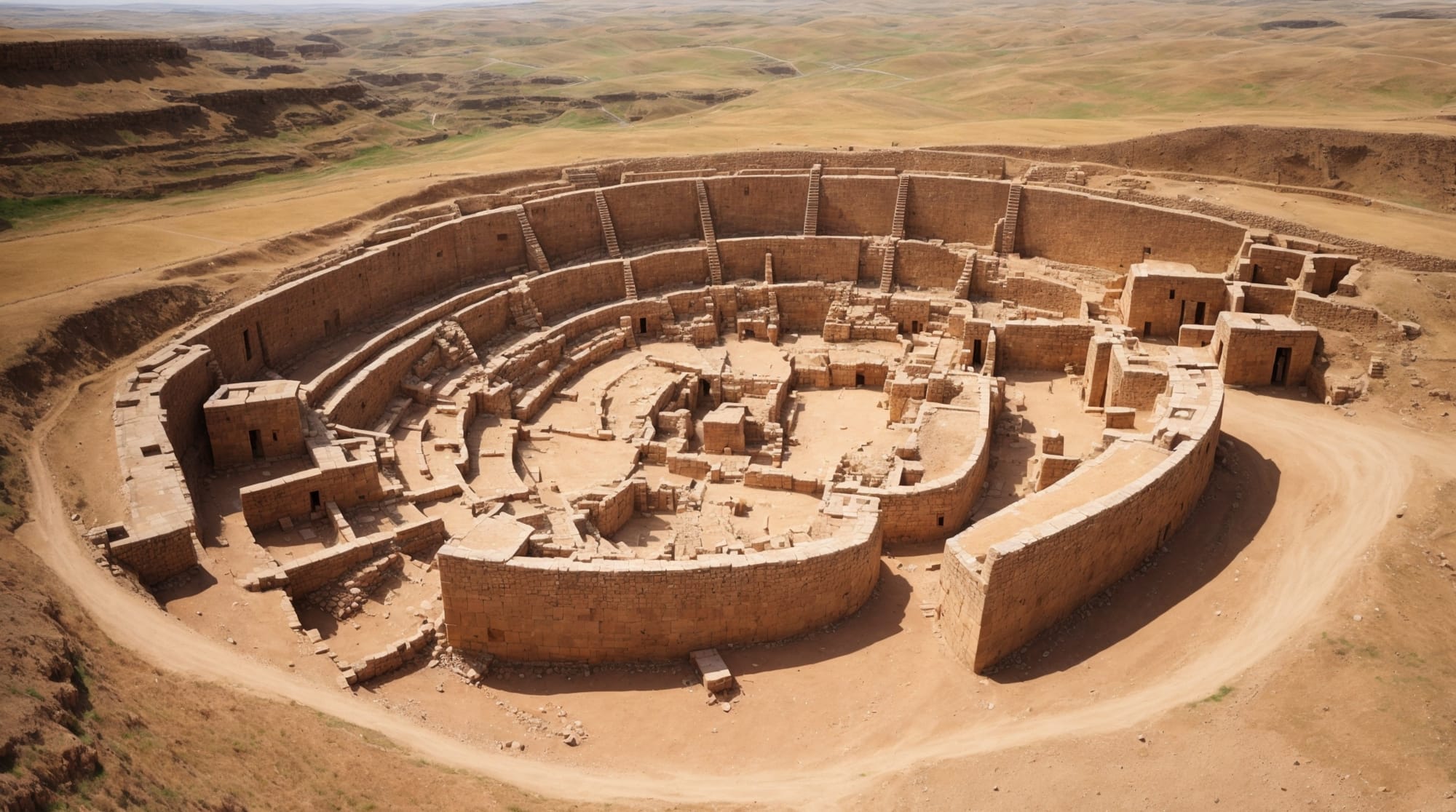
Beyond the symbolic intricacies, the spatial arrangement of Göbeklitepe's temples suggests an advanced understanding of geometry and space. The concentric configurations may have facilitated communal rituals, reinforcing collective identities among early Neolithic tribes. The alignment of these structures with celestial bodies hints at the beginnings of astronomy. These alignments allowed the builders to predict solar and lunar events, which were likely celebrated with festivals and communal gatherings, serving as a unifying element for the population.
The narrative scenes on Göbeklitepe's pillars likely served as mythic storytelling mediums, embedding communal knowledge and beliefs in stone. Similar to the cave paintings found in other parts of the world, these carvings might have been used for educational purposes—transmitting knowledge across generations. The depiction of scenes where humans interact with animals and participate in what appear to be ritual dances could be interpreted as allegories, reflecting the community's respect for nature, understanding of their environment, and the transcendental experiences of their rituals.