Göbeklitepe Unveiled The Enigmatic Heart of Humanity's Dawn
Göbeklitepe The Architectural Marvel That Challenges Our Understanding of Prehistory
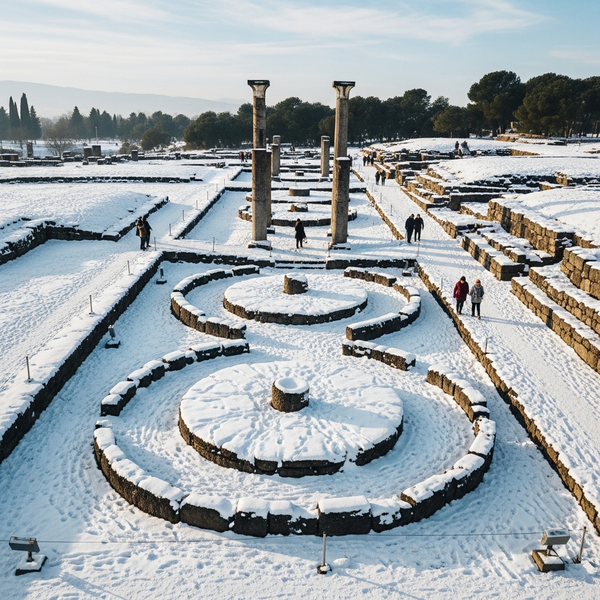
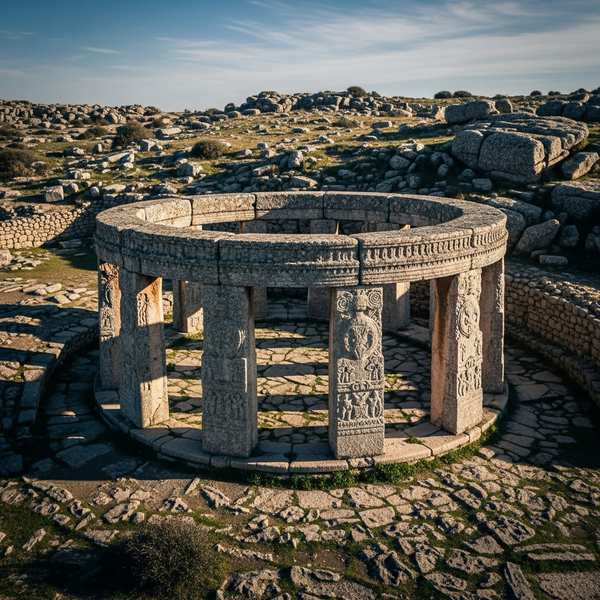
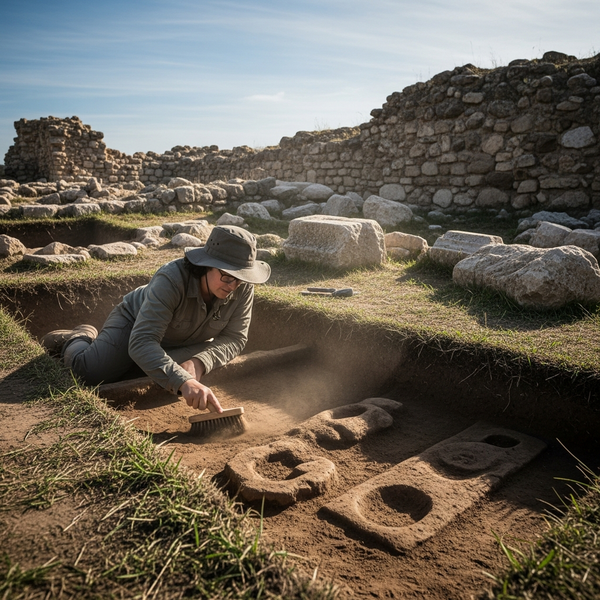
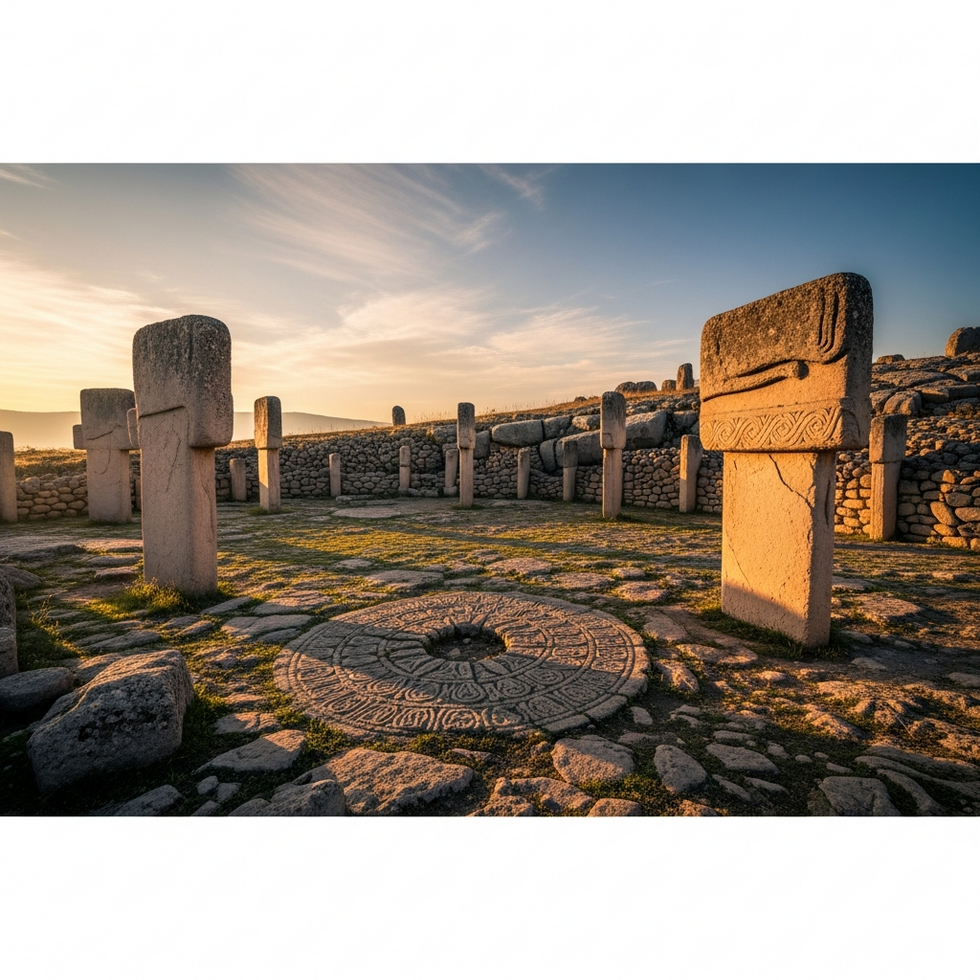
Beneath thick soil and centuries lies a mysterious haven, built with careful detail, about 12,000 years ago - when people roamed as hunters and gatherers. In southeastern Turkey stands Göbeklitepe, one of the many puzzles left behind by ancient hands. Instead of signs of growing food or slow settlements, signs of deep belief catch the eye: round stone rings, tall upright figures shaped like T's. This place hints at sacred purposes far earlier than expected. What stands out is the grand scale of its stone buildings - something rarely seen until ages after - suggesting ancient people had advanced knowledge of design, meaning, and maybe even sacred ideas. When workers first uncovered Göbeklitepe in the 1960s, experts didn’t react strongly, seeing nothing special at first glance. Yet once digging began in earnest, it became obvious: this place turned everything we thought we knew upside down about ancient times. Today it may be the planet's oldest temple, dated roughly 9600 BCE, yet questions linger deeper than before - could it have been where leaders in faith or community gathered? Could this mark how worship started as a structured part of life? Thinkers keep arguing over such matters, placing Göbeklitepe right at the center of explorations into ancient puzzles and ancient minds.
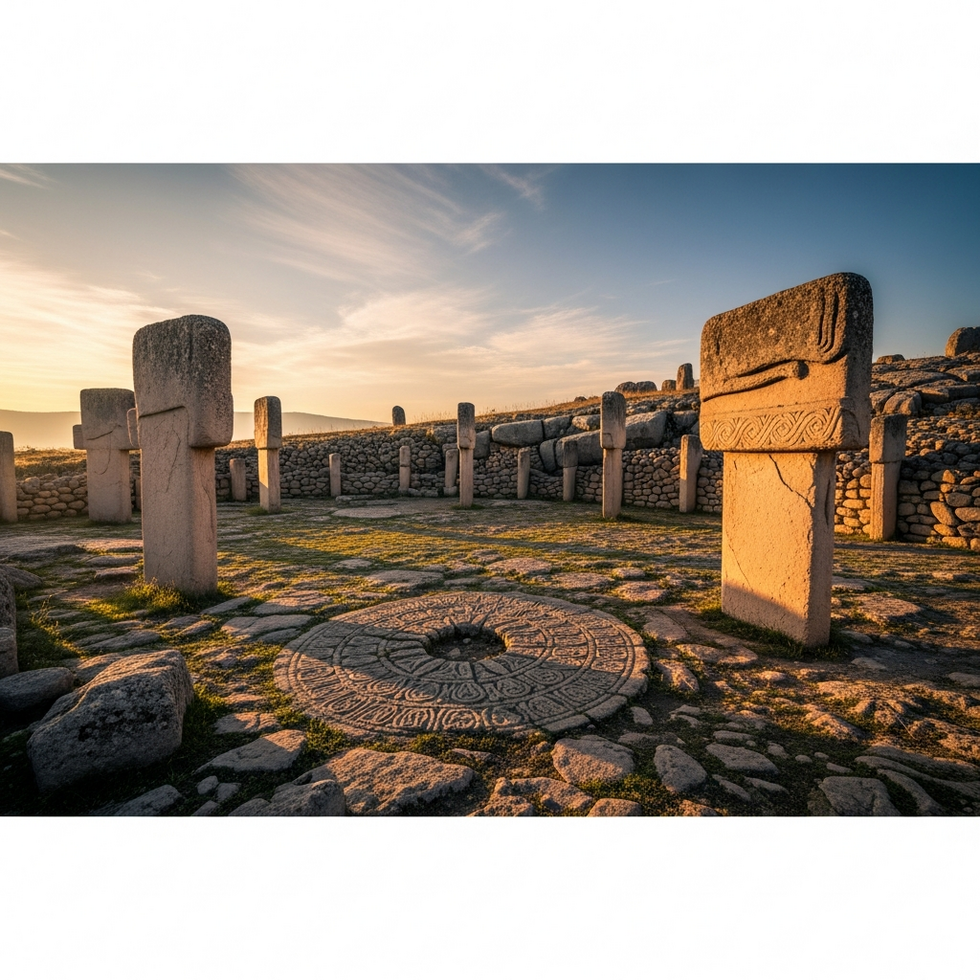
The Unsolved Mysteries and Theories Surrounding Göbeklitepe
Even after years of digging and research, Göbeklitepe still leaves experts baffled. What made people build it? That remains unclear. While nearby villages show activity for living, this place seems built only for ritual use. No homes, no farming debris - just large stone structures arranged in silence. Out there among the detailed scenes and beastly sculptures - snakes twist beside boars and cranes stretch their wings - lies something mysterious, like quiet rituals carved in stone. Experts think this place might have drawn people seeking deeper connections, maybe even shamans honoring old spirits or ancestors long gone. Not much evidence points straight to belief systems before cities rose on the horizon. Still, questions linger: who planned these walls? How did they lift each massive block into place without modern tools or chains? A large undertaking like this hints at networks, cooperation, maybe even early forms of authority - more than wandering bands could pull off. Facing different directions, some believe the layout ties into old sky-based timing. Could have tracked stars or seasonal shifts? Every find brings another puzzle - still quiet under rock after rock. This place hums without sound, proof that people once hunted truth about where they came from.
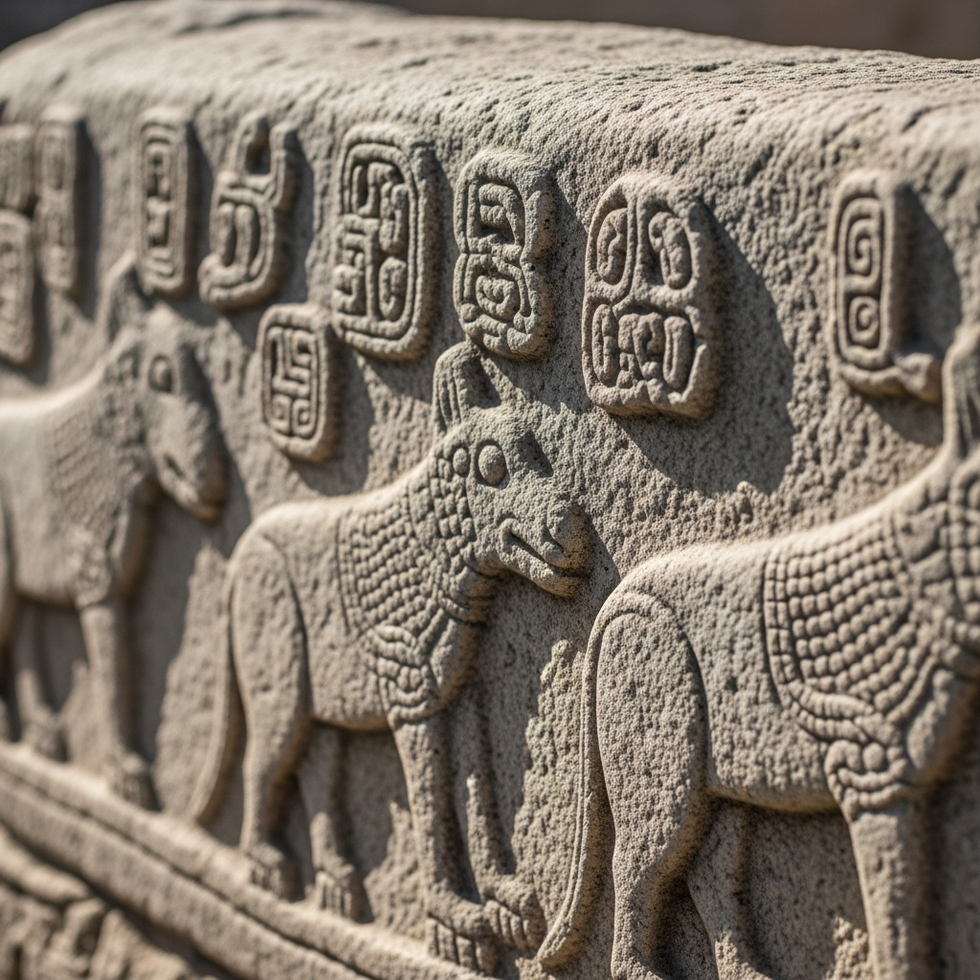
Cultural and Spiritual Significance Insights Offered by Göbeklitepe
Beyond its architecture, Göbeklitepe reveals much about the beliefs and traditions of ancient people. Evidence points to early Neolithic communities valuing ceremonies and faith above survival needs - maybe deeply so, tied to views of gods or universe forces. Experts see the many T-shaped stones as stand-ins for holy beings, while animal images carved into pillars likely held shared meanings beyond mere art. Building huge stone markers and detailed carvings wasn’t just about individual belief - it showed people shared values and worked together on sacred goals. What surprises many is that Göbeklitepe appeared before farming even began; yet it still reveals deep spiritual life shaping early communities more than assumed. Seeing history this way shifts focus - faith and layered human connection might have driven complex societies, not only food or land, but reverence itself. Looking at the place makes you question where religion and group life really began. Maybe humans looked for something beyond just surviving, even back when hunting mattered more than planting crops. That shift hints at how early minds shaped beliefs - not because they needed rules, but because they felt connected, deeply and quietly.