Gobeklitepe Was Not Just A Temple And The New Evidence Proves It
The Temple Theory Is Crumbling Under New Evidence
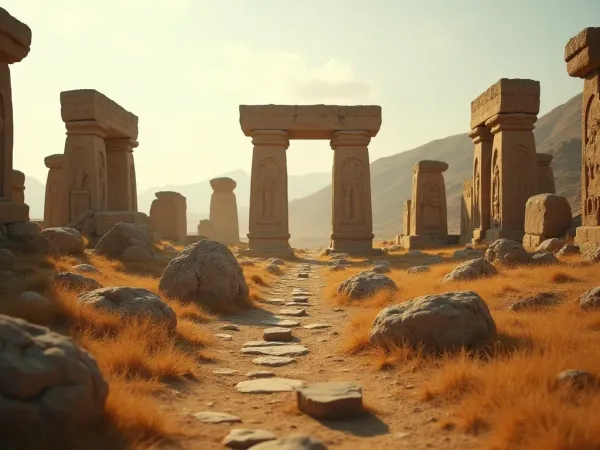
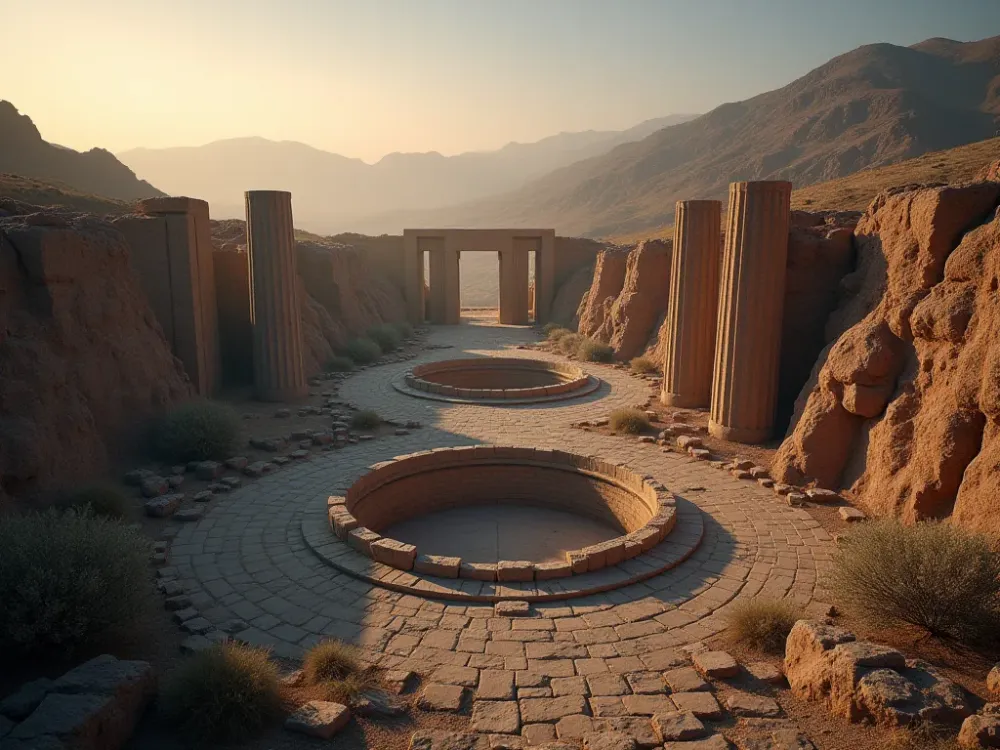
For decades, we thought we had Göbekli Tepe figured out. It was a place you visited — you came to pray, to dance, to bury your dead. Then you went home. Ritual center, not residence. That story is now taking heavy fire.
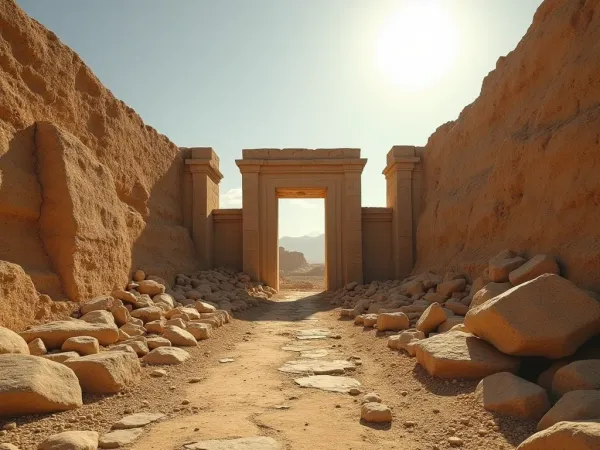
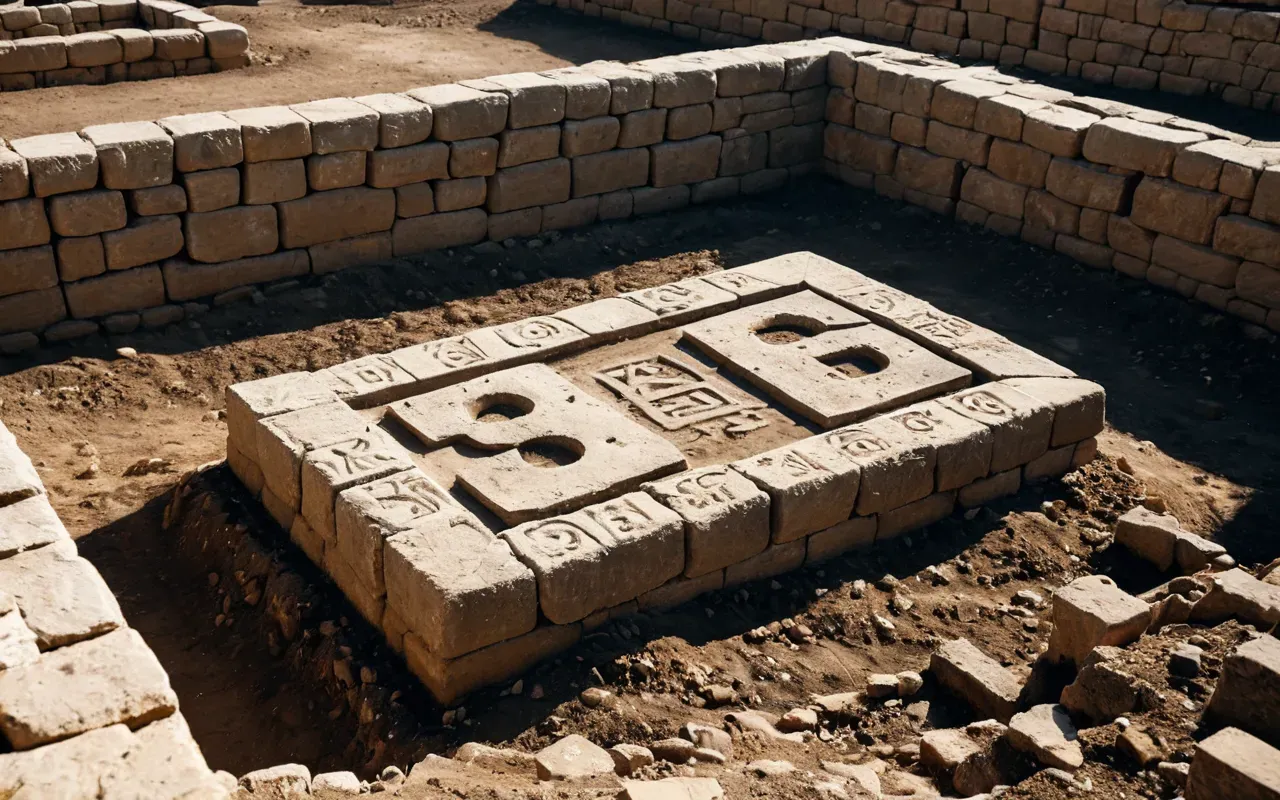
New excavations have turned up large rectangular structures nearby. Not altars. They look like houses. One fact, and it rattles everything we thought we knew about early human society.
What The Excavation Team Actually Found In The Dirt
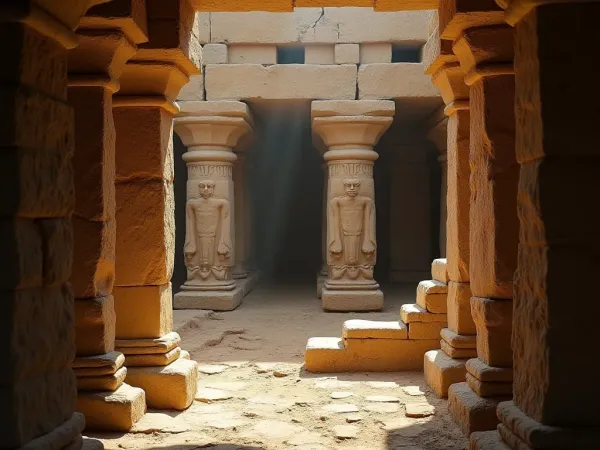
The team dug across an area measuring roughly eighty by seventy meters. Close to the famous T-shaped pillars. But instead of another ceremonial pit, they hit something else entirely.
Geophysical surveys and surface scans picked up large rectangular plans. Outlines of buildings where people lived, day in and day out. Not shelters thrown up for a weekend festival.
Why This Changes Our Understanding Of Early Life
The traditional story goes like this. Humans were nomadic hunter gatherers. They built great monuments to organize their groups. That social pressure eventually pushed them to farm and settle down.
But what if they already lived here? What if the houses came first — or at least alongside the temples? Then the whole sequence flips. We'd have to rethink why people settled in the first place.
The Klaus Schmidt Legacy And Its Recent Challenges
German archaeologist Klaus Schmidt started the big digs in the s. His argument was firm: a purely ritual complex, built by nomads. It reshaped textbooks worldwide.
Schmidt believed the social organization needed to haul these stones into place is what drove agriculture. Now his colleagues are questioning that. The new housing evidence suggests people may have been staying put longer than he imagined.
The Missing Evidence Of Farming And Pottery
Here's the strange part. We've found very little evidence of domesticated plants or animals here yet. No pottery shards either. So the case for farmers stays weak.
If they weren't farming, how did they live here? Maybe they hunted game and gathered wild crops. But staying in one place for that is unusual for nomads.
Protecting The Pillars From Earthquake Damage
While we argue about history, the stones face physical threats. Earthquakes are a real danger in this region. The tall pillars can sway and crack if not secured.
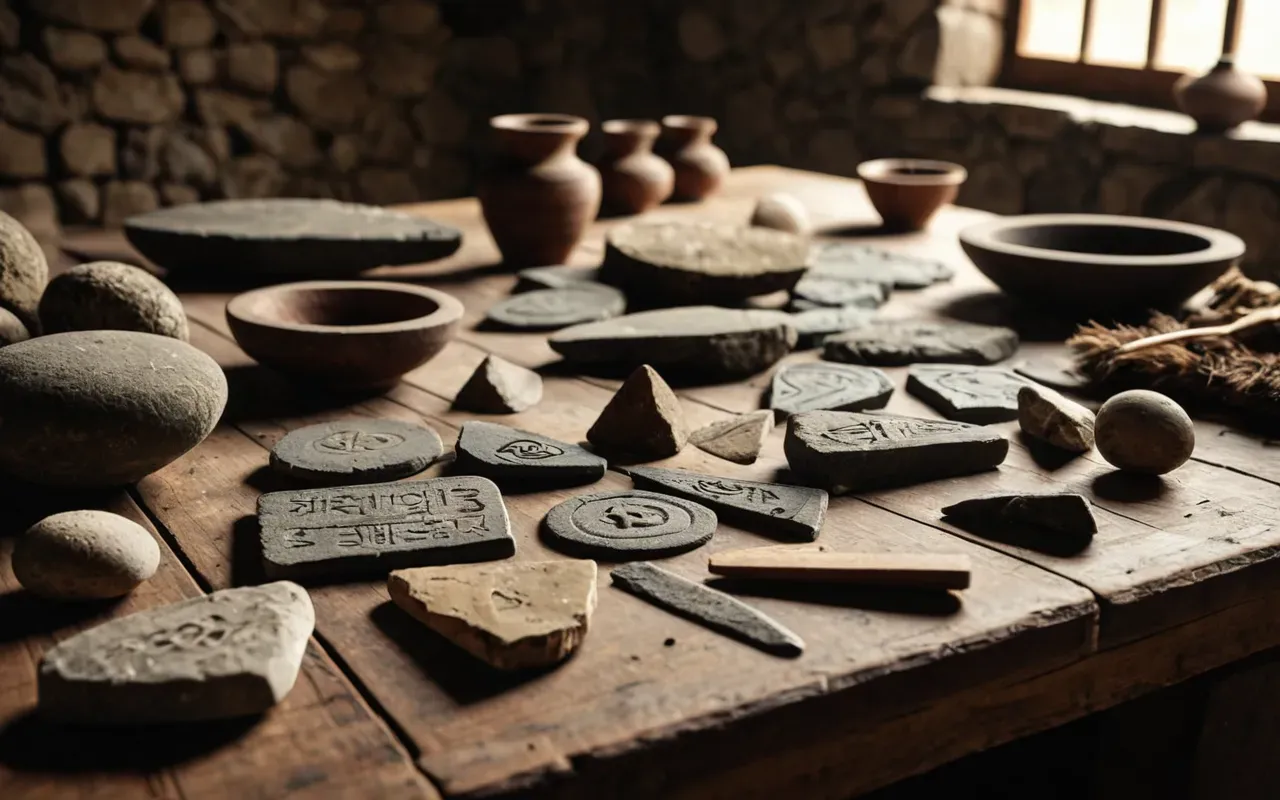
Officials are now installing steel cables to stabilize the structures. They have also repaired surface fragments on specific pillars. Urgent work, and necessary — the site has to survive for future study.
A More Complex Picture Of Ancient Society Emerges
None of this erases the ritual importance of the site. People still came here for ceremonies. But it adds a layer we missed.
Göbekli Tepe may have been a hybrid place. Part temple, part town. That changes how we see the transition from nomadic life to settled civilization. Likely more gradual, and messier, than textbooks suggest.
What This Means For The Broader Historical Narrative
If people lived here before they fully mastered farming, the causality shifts. Maybe settlement wasn't a result of agriculture but a prerequisite for it.
We need to look at other sites with fresh eyes. Maybe many of our 'ritual centers' were actually early villages. This could rewrite the timeline of human social evolution entirely.
The Ongoing Mystery Of Human Motivation To Build
Why do humans build massive structures? Is it for gods, for social status, or just to have a place to sleep safely? The new evidence suggests the answer is often all three at once.
We are not just religious beings. We are also practical ones who need shelter. The interplay between these needs drove the first cities into existence.
Looking Ahead To Future Excavation Seasons
The team is not done yet. They plan to dig deeper in the same area next season. We might find more housing or perhaps evidence of daily life activities.
Every new layer peels back another myth. We are still learning about the people who built our world. Their story is far more complex than we ever imagined.
Why You Should Care About This Ancient Site Today
Understanding where we came from helps us understand who we are. These people solved problems without technology. They built with their hands and minds.
Their choices shaped the world we live in. If you are interested in how early humans organized society, this is one of the most important stories being told right now.
The Final Verdict On The Temple Only Theory
Is Göbekli Tepe just a temple? The evidence says no. It was likely a home base as well as a sacred ground.
The distinction between home and holy place was blurrier in the past than we think. This new discovery proves that human life was already complex before writing or metal tools existed.