Göbeklitepe Life
Göbeklitepe's Stone Circles Were Built by Hunter-Gatherers Long Before Farming Began
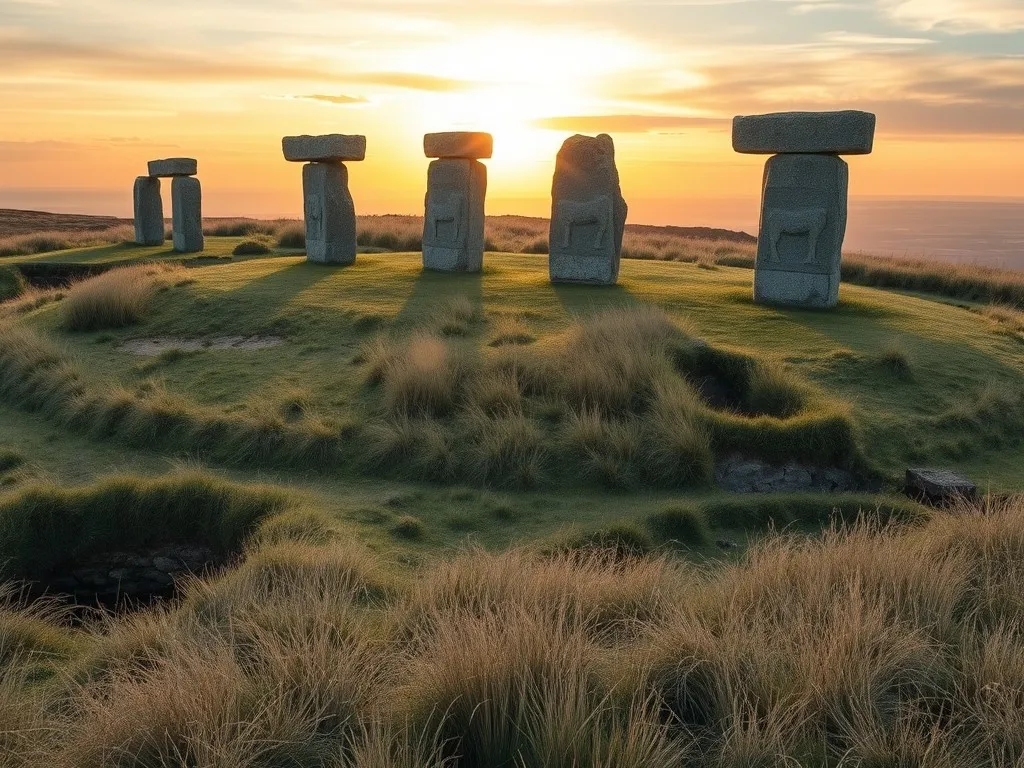
Picture a windswept hill in southern Turkey. Under the soil, undisturbed for more than 10,000 years, sat stone circles, terrazzo floors and intricate animal carvings. Nobody expected them to be there. And nobody expected who made them.
The builders were hunter-gatherers. Not farmers, not villagers, not people who had already settled down. Göbeklitepe was raised decades before farming began, and that single detail is what turned a curious mound into one of the most disruptive finds in modern archaeology.
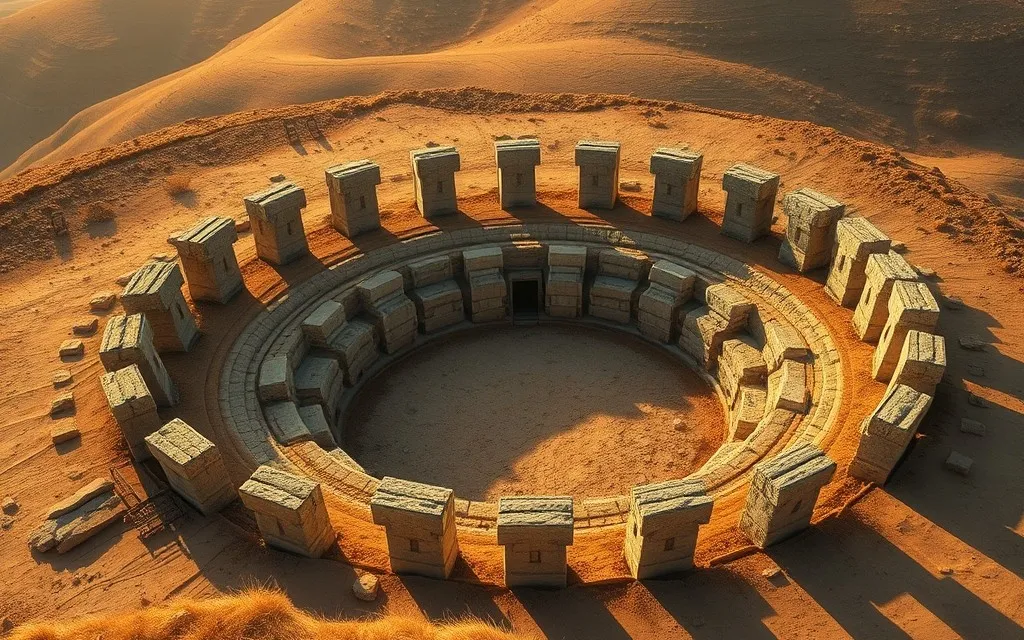
The Assumption That Fell Apart on That Hill
For a long time the story of civilization ran in a tidy order. First farming, then surplus, then settled communities, then monuments and religion. Göbeklitepe jumbled that sequence. The monument came before the fields.
That is not a small scheduling error. It means the urge to gather, carve and build something enormous did not wait for agriculture to make it possible. If you want the full argument, this piece on why ancient humans built temples before they invented farming lays out the logic.
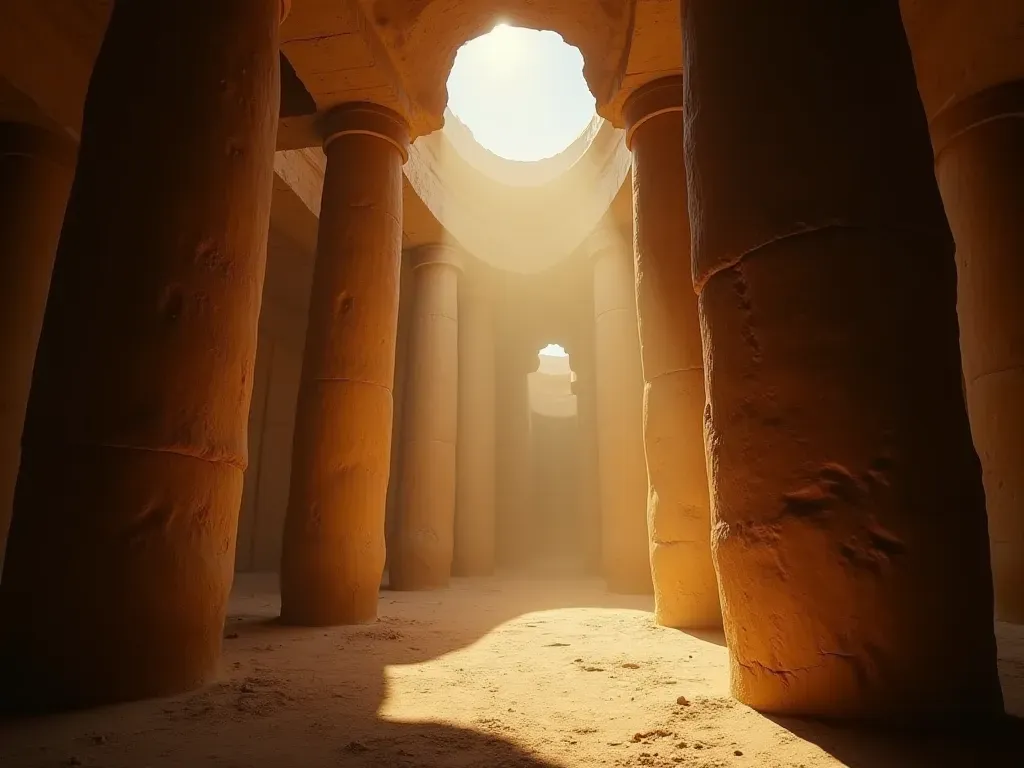
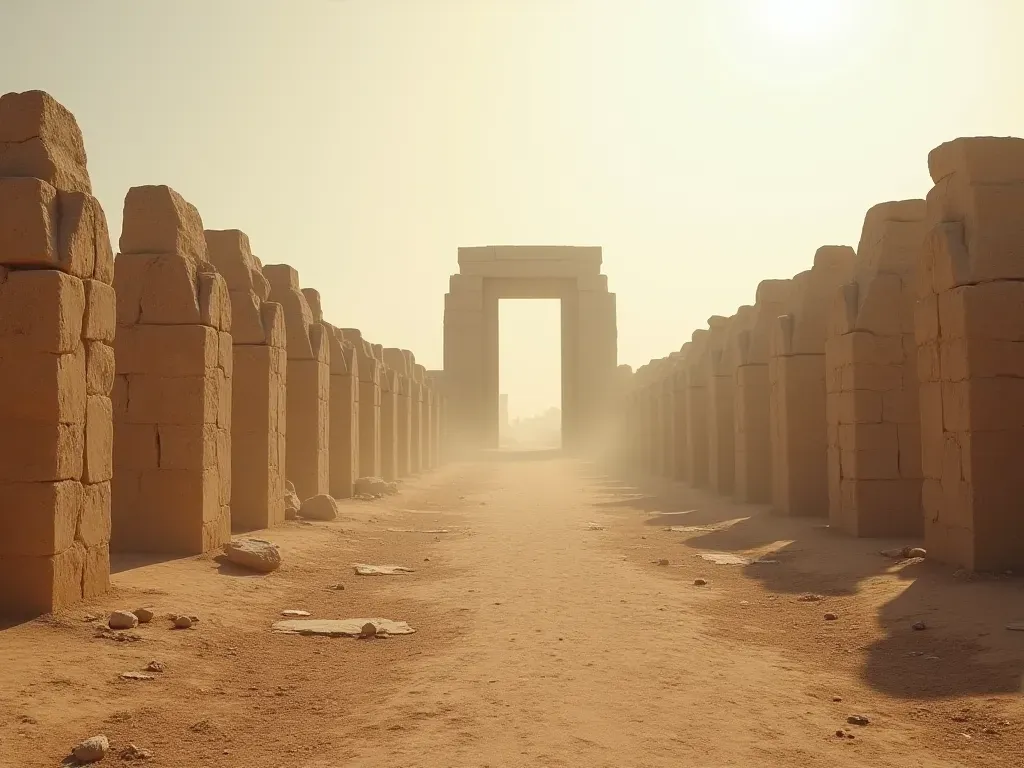
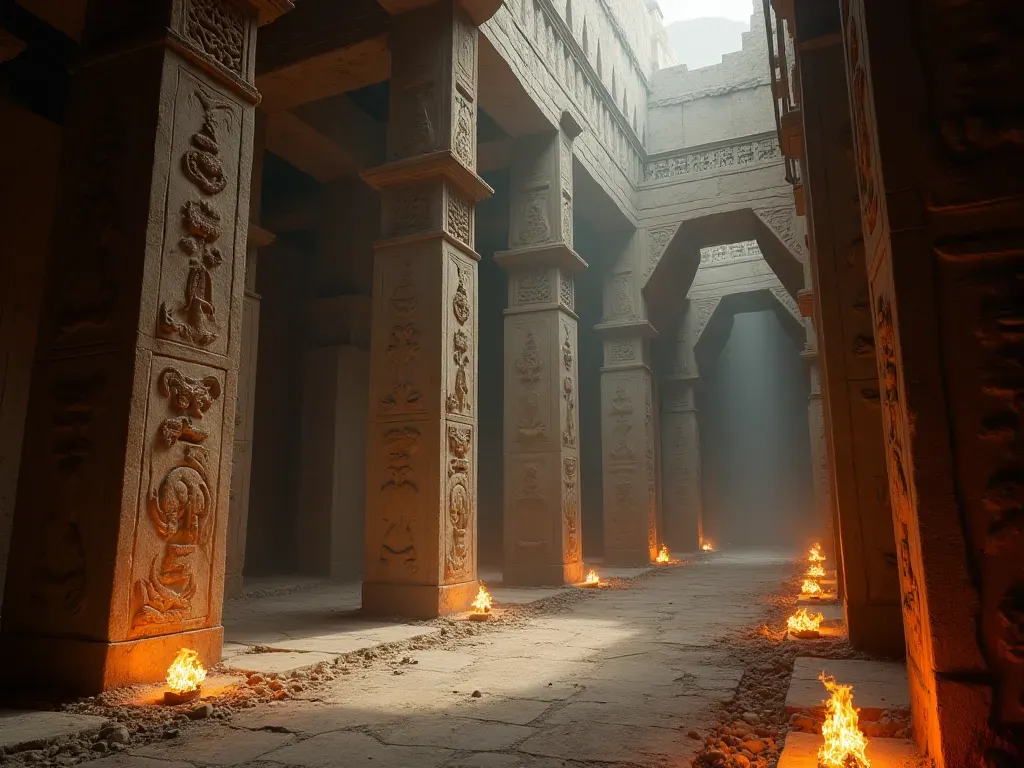
And the physical evidence is not vague. Terrazzo floors. Stone rings. Animal carvings cut with real intent. These are the marks of people with time, skill and a shared plan, not a scattered band scraping by.
Klaus Schmidt and the Dig That Kept Growing
Klaus Schmidt's pioneering excavations are the reason we know any of this. His work at the site pulled back the layers and revealed a prehistoric culture nobody had written into the textbooks.
But here is the part that gets skipped in the headlines. The story did not stop at one hill. Sister sites are now emerging across the region, which changes the question. We are no longer asking what Göbeklitepe was. We are asking how much of the surrounding landscape was part of the same world.
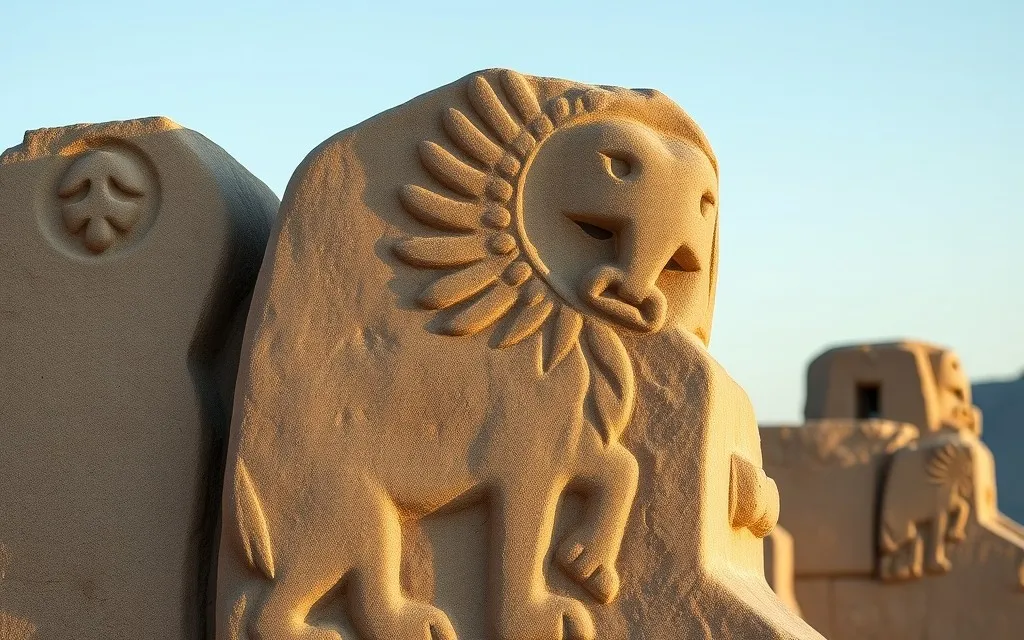
Who Wins and Who Loses When the Timeline Moves
Move a timeline and you redistribute credit. That is the underreported consequence here. The winners are the anonymous hunter-gatherers who built something monumental without fields, ploughs or permanent villages.
The losers are the tidy diagrams. Every museum panel and classroom chart that starts with farming and ends with temples now has a hole in its first chapter. If you have ever wondered about the people behind the stones, the mystery of its builders is the thread worth pulling.
And yes, there is a quieter loss too. The confidence that archaeology already knew the order of things. Göbeklitepe did not just add a site to a map. It removed a certainty.
What to Watch Next
Watch the sister sites. As more of them surface across the region, the picture shifts from a single remarkable hill to a broader prehistoric culture with shared habits and shared symbols. That is the real headline hiding behind the stone circles.
So the next time someone tells you farming came first and everything else followed, you can point at a windswept hill in southern Turkey. The stones there were already standing.
Source: msn.com