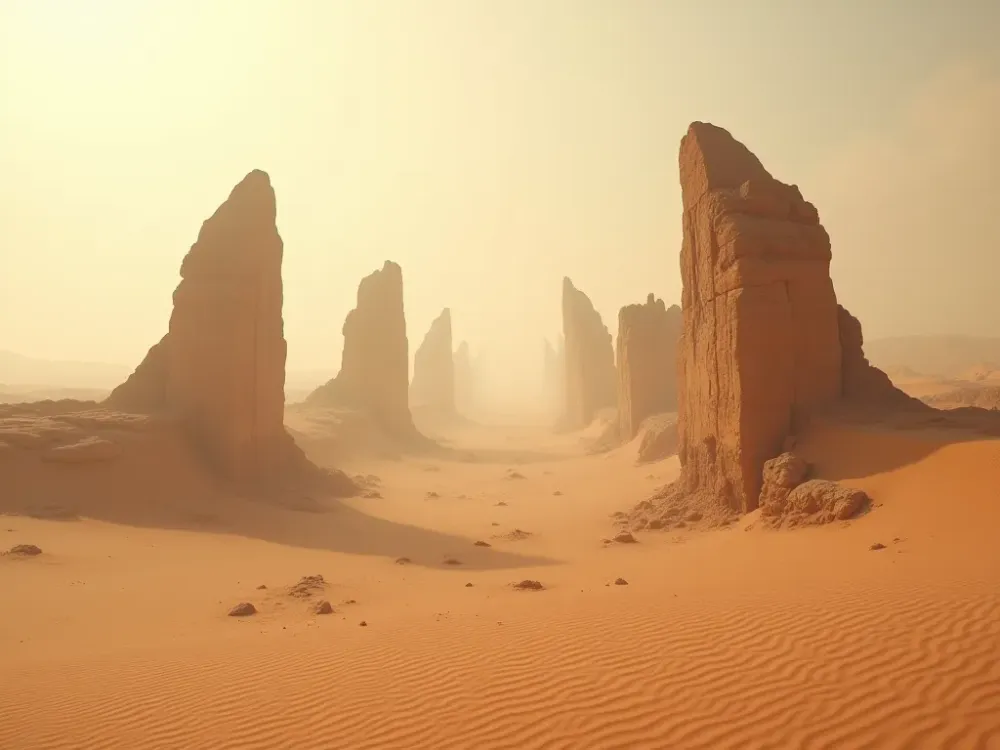
The Sahara Desert Was Once A Lush Garden And This Discovery Changes Everything
The Desert That Was Not Always A Desert
Imagine hippos sinking into deep pools while giraffes tear leaves from acacia trees. That's not a dream, and it isn't some ancient myth. It's the Sahara, ten thousand years ago.
I keep coming back to how radically different that world was from the wasteland we picture today. The Sahara had a lush green past — one that fed thriving human communities.
We tend to assume landscapes just sit there, unchanging. But the stone and sediment say otherwise. They shift, and they shift hard.
When The Sahara Bloomed With Life And Water
The African Humid Period ran from fifteen thousand to five thousand years ago. Monsoon rains turned the whole region into a verdant corridor.
Pollen records and fossilized bones back this up. Not a brief anomaly — a sustained ecosystem.
A massive Mega-Lake Chad once sprawled across an area the size of the Caspian Sea. Abundance, plain and simple, and it supported complex societies.
Echoes In Stone And The Art Of Survival
Tassili n'Ajjer holds over fifteen thousand rock carvings spanning twelve thousand years. Think of them as a visual chronicle of climate change.
The art shifts from giant buffalo to domesticated cattle. Then horses. Then, finally, camels, as the environment dried out.
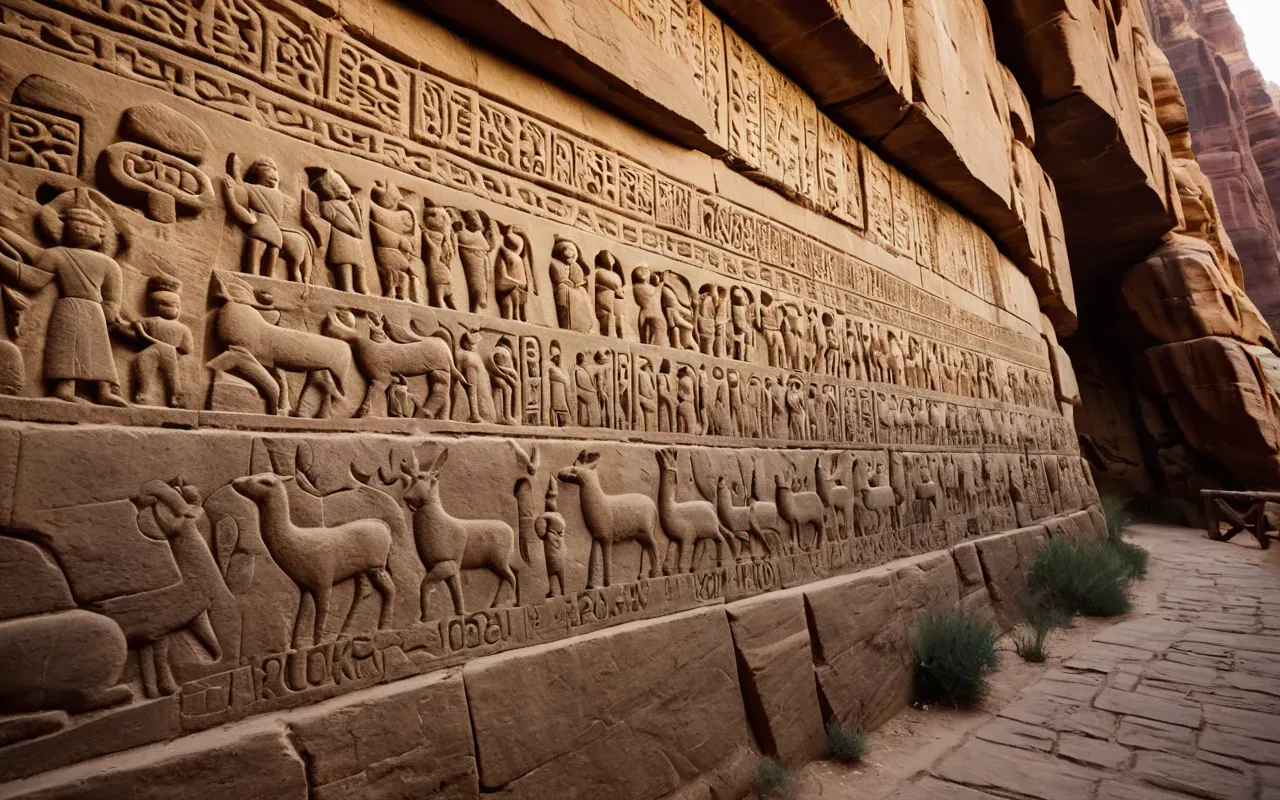
The transition is clear. Humans reshaped their way of life as the water sources vanished from this vast region.
The Ingenious Water Engineering Of The Garamantes
Others migrated away from the drying land. But one Berber-speaking kingdom refused to leave. The Garamantes engineered their survival instead.
They built a network of underground tunnels called foggara. These channels tapped deep fossil water aquifers to sustain agriculture.
Over one thousand kilometers of tunnels, all told. It took generations of coordinated labor and precise technical knowledge.
That engineering let them grow dates, olives, wheat, and barley in one of Earth's harshest environments.
A Lost Kingdom And Its Complex Society
The Garamantes were no isolated outpost. They linked sub-Saharan Africa to the Mediterranean through extensive trade networks.
Gold, ivory, salt, and exotic animals flowed through their markets. Roman pottery keeps turning up in archaeological sites across the region.
Their capital housed four thousand residents, with streets, workshops, and monumental tombs. A sophisticated urban center, in the middle of the desert.
Lessons From The Sahara For Our Changing World
The Garamantes' story is one of resilience in the face of environmental change. They adapted and survived for over twelve centuries.
But their water sources were finite. As the aquifers dropped and outside pressure mounted, the kingdom slowly dissolved.
This history is a reminder that landscapes aren't permanent. Human societies adapt, migrate, or risk disappearing without a trace.
The Future Of Desert Archaeology And Discovery
Modern technology is speeding up our understanding of this lost world. Satellite imagery and drone surveys reveal hidden sites beneath the sand.
Ancient DNA from burial sites is shedding light on population movements across prehistoric North Africa. The Sahara still holds secrets.
Every grain of sand was once part of a different world. And somewhere beneath those dunes, more of that world is waiting to be found.