The Enigma of Göbeklitepe and the Chronicles of Early Societies
Uncovering the Historical Significance of Göbeklitepe
Located in southeastern Turkey, Göbeklitepe has revolutionized the way archaeologists and historians understand the development of human societies. Unlike any other site known to date, it provides concrete evidence of large-scale communal activities that required organization far beyond what was previously speculated for societies of that era. This discovery challenges the conventional timeline of civilizational development and poses new questions about the socio-political dynamics of hunter-gatherer communities.

The Architectural Marvel of Göbeklitepe
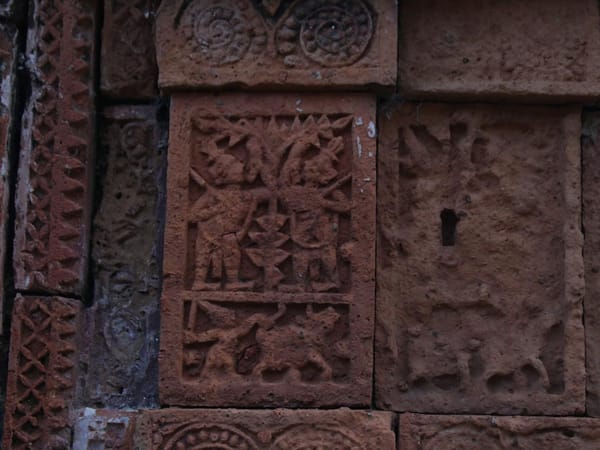
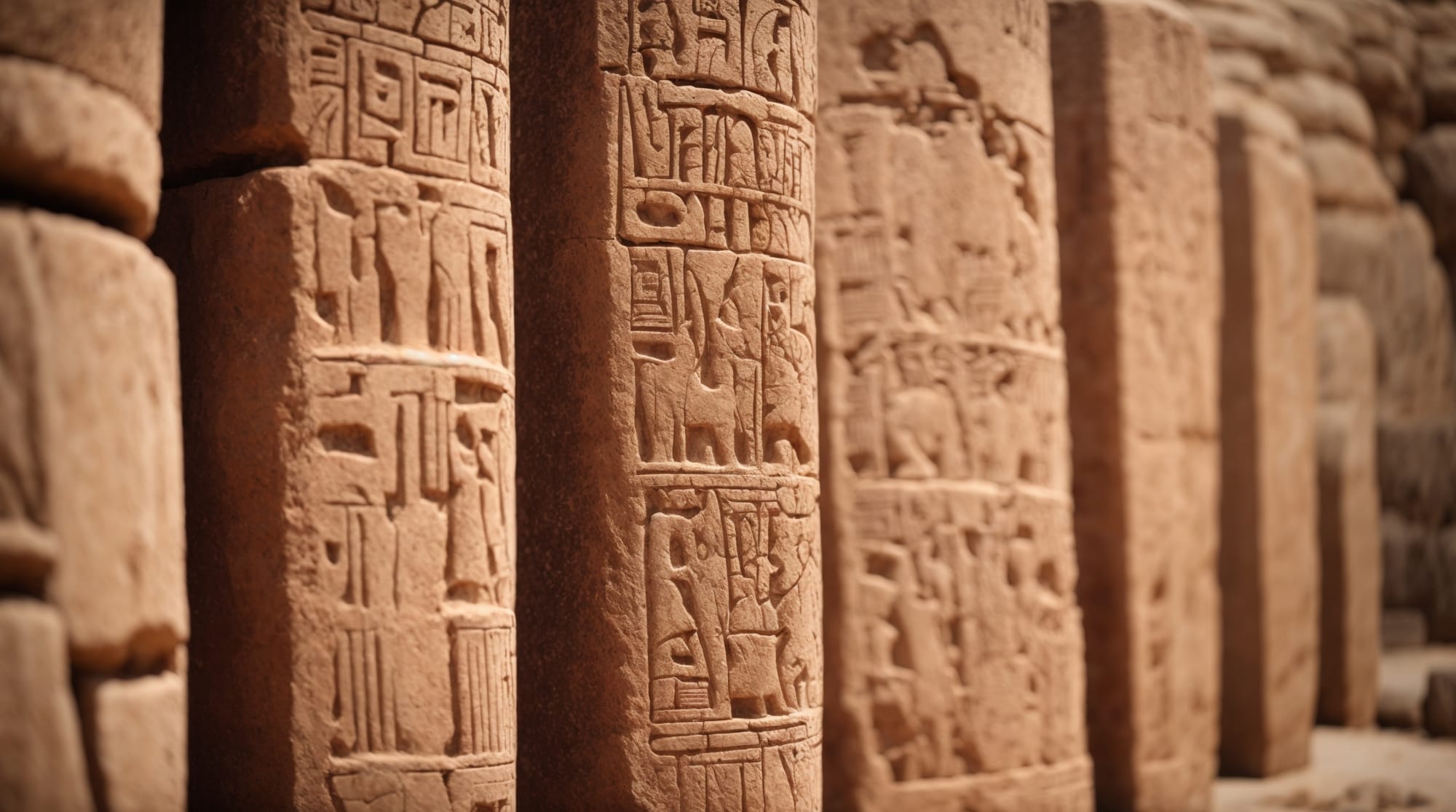
The megaliths at Göbeklitepe are not only impressive in their size but in their detailed carvings which depict a variety of animals and abstract symbols. The craftsmanship provides insights into the cultural and religious beliefs of its builders. The structural layout of Göbeklitepe suggests a gathering place, potentially for ritualistic or ceremonial purposes, shedding light on communal practices that were pivotal in the evolution of complex societies.
Exploring how Göbeklitepe was constructed involves understanding the tools and techniques used by its builders. Archaeological findings indicate the use of flint tools to intricately carve the T-shaped pillars and to perform other crafting necessary for building such monumental structures. No evidence of metal tools has been discovered at the site, which emphasizes the resourcefulness and skill of the prehistoric builders in achieving such architectural finesse.
Göbeklitepe's Impact on the Understanding of Prehistoric Civilizations
Göbeklitepe stands as a beacon that illuminates the capabilities and complexities of early human societies. It suggests that these communities were capable of much more than survival—they engaged in elaborate social practices and possibly had established belief systems that prompted them to create monumental architecture. This shifts the narrative from seeing these early peoples as mere survivors to recognizing them as innovators and thinkers who played a critical role in shaping human history.