The Man Who Dared To Say Religion Came Before Farming
The Day The Timeline Broke
Think back to your high school history textbooks. You know the ones. They tell a neat linear story about how humans evolved. First we hunted and gathered in small scattered groups. Then we discovered farming. Agriculture allowed us to settle down. Settling down led to cities. Cities needed order, so we built temples and invented gods. It feels logical. It feels safe.
Now burn that book. Actually just throw it in the trash honestly. Because everything we were taught about the start of civilization is upside down. At least at one place on Earth it is completely backwards. The site is Göbeklitepe. It sits in southeastern Turkey under a hot dry sky. And it proves that religion came first. Farming was a consequence not a cause.
We are marking the twelfth anniversary of Klaus Schmidt’s death today. He was the German archaeologist who changed all this. Most people hear his name and think of old dusty ruins. They miss the point entirely. Schmidt did not just dig holes in the ground. He dismantled a century of academic dogma with a trowel and sheer stubbornness.
It is easy to forget how radical this idea was in the nineties. Back then if you said hunter-gatherers built massive monuments before they invented wheat farmers would laugh at you. Literally. The consensus was that complex labor organization required a surplus of food. You could not feed workers without farms. Schmidt looked at the stones and saw something else.
The Farmer Who Stumbled Into History
Before Schmidt arrived the site was basically a rumor. A local farmer found a carved stone statue while plowing his field in 1986. He thought it might be valuable or cursed who knows really? Scholars had looked at the mound before in 1963 too but they missed its true significance. They saw rocks not ruins.
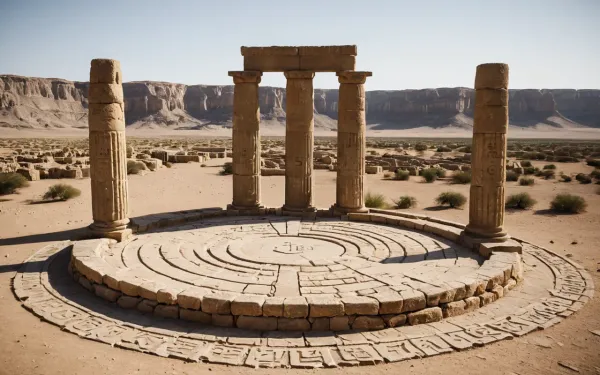
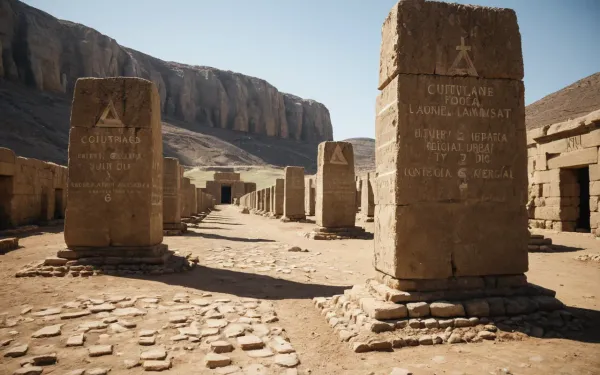
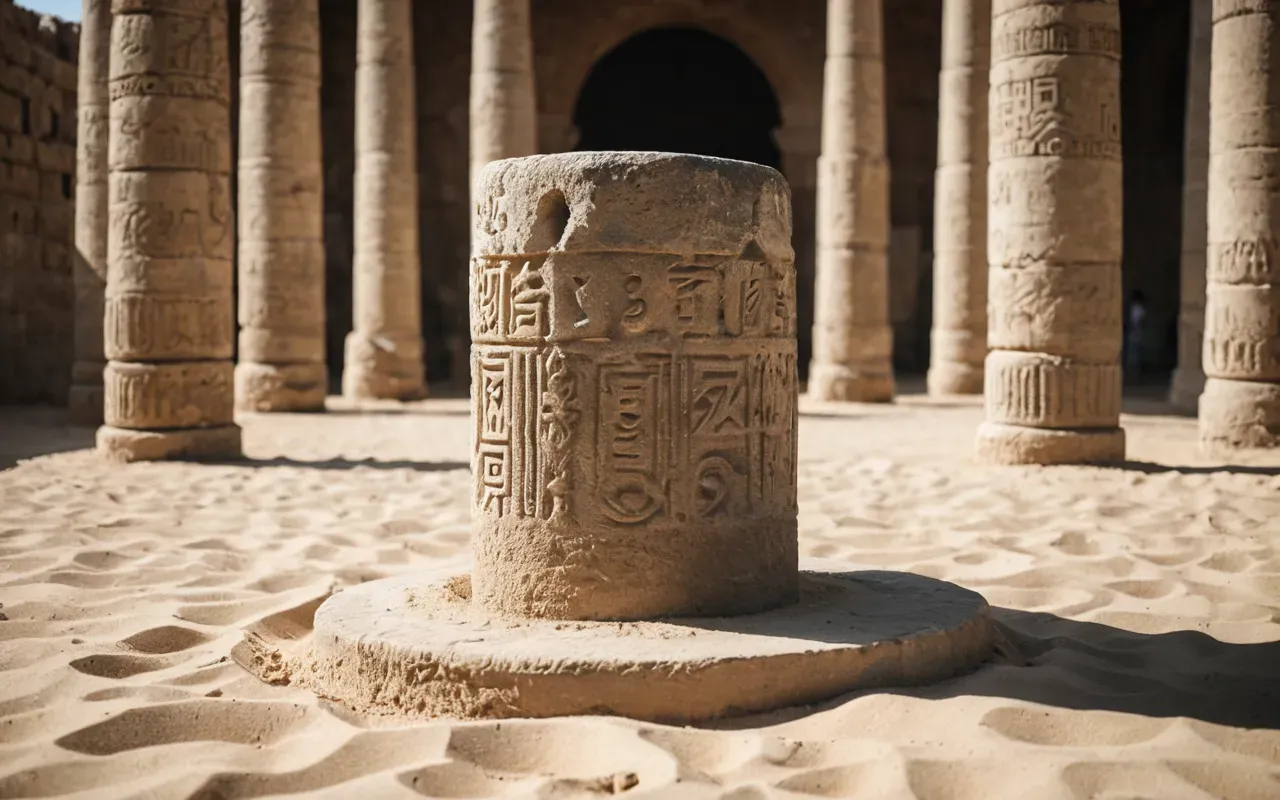
Schmidt visited in nineteen ninety four. He walked around the hill and immediately saw what others missed. Those partially exposed pillars were not random boulders. They were architecture. Specifically Neolithic architecture from twelve thousand years ago. That is older than Stonehenge by nearly seven millennia. It predates the pyramids too.
He knew he had to dig fast. Time is an enemy for archaeologists always but here it felt urgent. Excavations began in earnest under his direction soon after. He became the official director later on in 2007 by then the world was starting to notice what he had found. The implications were staggering.
Why This Changes Everything About Us
Here is the thing that keeps me up at night honestly. The pillars weigh up to sixty metric tons each. They stand three to six meters high. Moving these required hundreds of people working together in sync. You need coordination logistics and leadership for that kind of project. But there were no farms yet.
So why did they build it? Schmidt argued that the need to meet for ritual purposes brought people together. The temple was built first then villages grew around it later. People settled down because they needed a reliable food source to support workers and pilgrims. Agriculture followed religion not the other way round.
This flips the script on human motivation. We usually think survival drives progress. Food security leads to safety which allows for culture. Schmidt suggests desire comes first. The need to connect with something larger than ourselves pushed us into civilization. That is a profound shift in perspective.
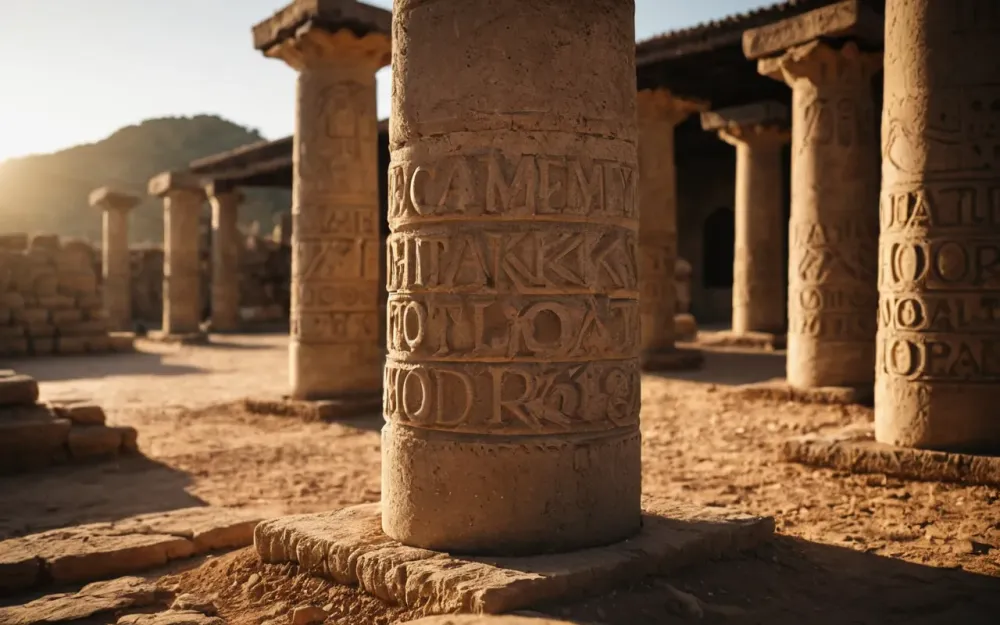
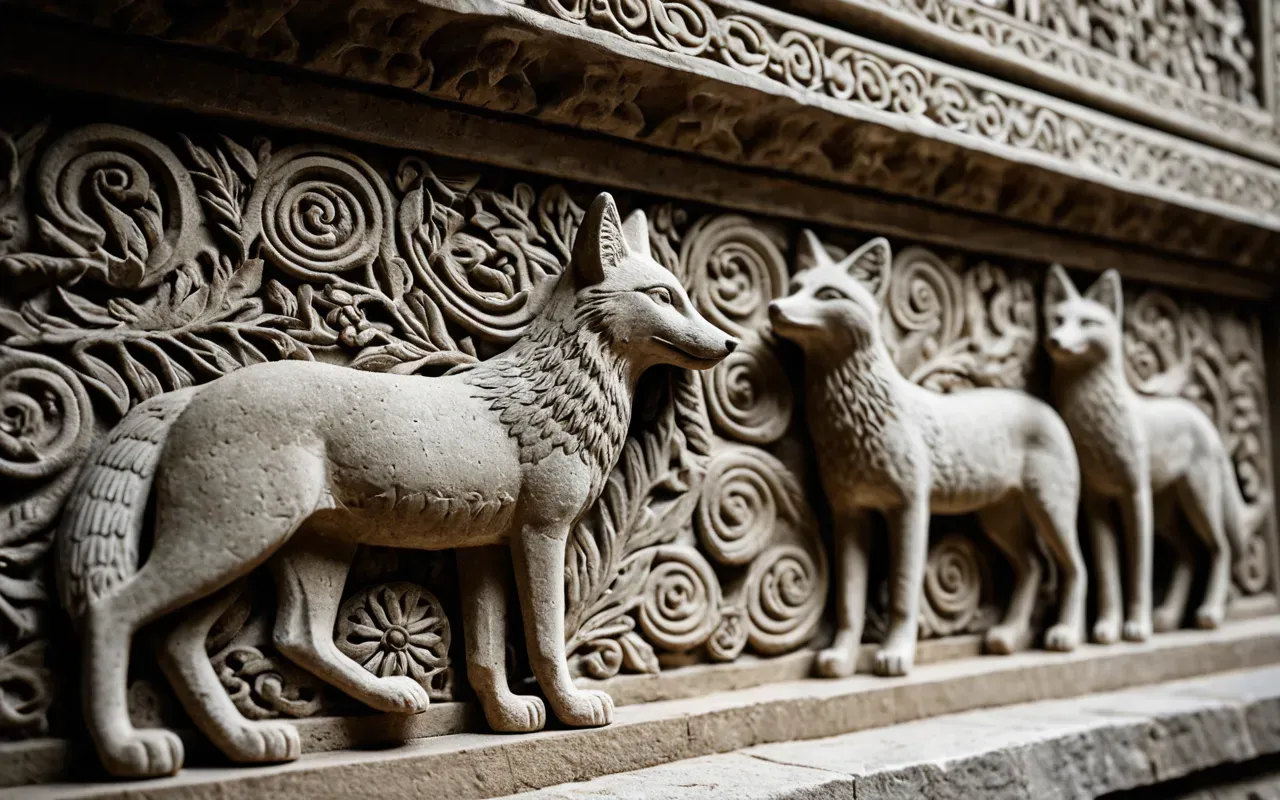
Look at the carvings on those stones. Foxes birds vultures wild boars insects. These are not just decorations. They tell a story about life death and transformation. The imagery suggests sophisticated belief systems were already in place before written language existed. Symbolism is older than words apparently.
The Man Behind The Monuments
Schmidt was not your typical academic. He wore a traditional headscarf on site every day even when the heat reached forty degrees Celsius. Locals loved him for this gesture of respect. Mehmet Kamil Türkmen said he felt more like a native than many born there. That kind of humility is rare in science.
He died suddenly of a heart attack while on vacation in Germany in July twenty fourteen. He was only sixty one years old. His burial took place five days later in Diebach. The loss shook the archaeological world deeply because he left so much work unfinished. There are still layers to uncover.
Despite his early passing he achieved one of his biggest dreams. Göbeklitepe was added to the UNESCO World Heritage List in 2018. That happened four years after he died. It validated his life’s work on a global stage. The site now draws millions of visitors who come seeking answers.
Redefining Our Ancestors Capabilities
We tend to view our ancestors as primitive. We imagine them struggling just to stay alive day by day with no time for art or philosophy. Schmidt showed us they were capable of immense planning and spiritual depth. They organized large groups without kings or armies apparently.
The social cohesion required to move those stones is mind boggling. How do you get a hundred volunteers to haul rock for months? You need shared purpose belief and trust. This proves that complex society can emerge from spiritual unity rather than economic necessity alone.
If you are curious about how these builders managed without modern tools it is truly fascinating. They used primitive flint and stone hammers yet achieved precision that rivals later periods. It challenges our definition of technological progress.
What Lies Beneath The Surface Still
Only a fraction of the site has been uncovered. Schmidt estimated that maybe ten percent is exposed currently. That means ninety percent remains buried under meters of earth and debris. The potential for new discoveries is enormous every season could reveal another chamber or artifact.
Some researchers suggest Göbeklitepe was not just a temple but a center for astronomical observation too. The alignment of pillars might track celestial movements. If true this adds another layer to their sophistication linking earth and sky in ways we barely understand today.
As we honor Schmidt this anniversary let us remember his openness. He admitted when he did not know answers instead of forcing theories onto the stones. That integrity matters more than any single find. It reminds us that history is a living conversation not a closed book.
His dog often accompanied him on site too. That image of a scientist wandering ruins with his faithful companion feels symbolic somehow. We are all just travelers through time trying to piece together who we were. Schmidt gave us better tools for that journey.
So next time you see a field of wheat or a city skyline remember this. Those structures rest on foundations laid by people who believed in something bigger than themselves before they even learned to plant seeds. That is the real secret hidden in those stones.
It forces us to ask ourselves what drives our own society now. Is it purely material gain? Or do we still carry that ancient need for connection and meaning? The stones cannot speak but they scream with purpose across twelve thousand years of silence.
Schmidt changed how we read our own origin story. He gave us permission to rethink assumptions about progress and humanity itself. That is a gift worth celebrating every year especially now when history feels so fragile.
I find it comforting that we are still learning. Every dig reveals new nuances about our shared past. Göbeklitepe is not just a tourist attraction anymore. It has become a mirror reflecting who we really are deep down beneath all the noise of modern life.
The heat in Şanlıurfa gets intense during summer months. Yet thousands brave it to walk among those pillars feeling a strange sense of awe. You can feel the weight of time pressing down on you there. It is an experience words struggle to capture fully.
Schmidt would have loved seeing all those visitors. He wanted the world to know about this place passionately. His dedication inspired a generation of archaeologists and everyday people alike to look closer at our roots.
Let us keep digging into these questions together. History is not static it evolves with each discovery we make about our collective journey as a species.
What do you think motivated those ancient builders? Share your thoughts in the comments below. Let us discuss how this changes our view of human potential today.
Remember to check out our detailed breakdown on why the stones predate farming for more context if you want deeper analysis.
Thank you for reading this tribute to Klaus Schmidt. His work continues to shape our understanding of the ancient world profoundly.
Stay curious friends. Keep questioning established narratives about our past because the truth is often stranger than fiction.
Until next time stay grounded in history while reaching toward new insights about where we came from.