The Amazon Was Never A Wilderness And The New Discovery Proves It Completely
The Myth Of The Empty Wilderness Is Dead
We have been lied to. For centuries, textbooks told us the Amazon was a vast empty wilderness barely touched by human hands. It was painted as an untamed green ocean where indigenous people lived in small scattered bands surviving on what the forest gave them freely. That narrative is crumbling fast. And honestly it feels like we are finally waking up from a long academic dream that ignored reality for far too long.
New findings published in Nature have turned this idea upside down. Researchers used lidar technology to look through the thick canopy of trees covering northern Brazil. What they found was not an empty forest but a landscape shaped by millions of people roughly two thousand years ago. The scale is simply mind-blowing when you stop and think about it.
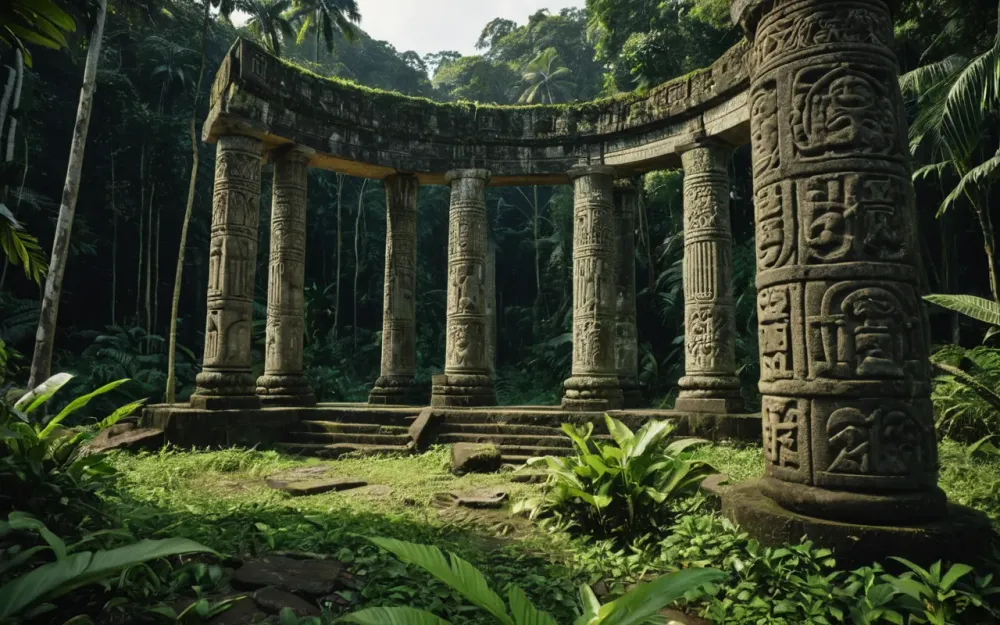
The civilization responsible for this was called the Aquiry. They lived in what is now the state of Acre and their population might have reached three million people at its peak. Imagine an area the size of North Dakota filled with dense jungle but also packed with huge settlements and complex earthworks that spanned thousands of square miles. It changes everything we thought we knew about how early societies worked.
Lasers Reveal What Eyes Could Not See
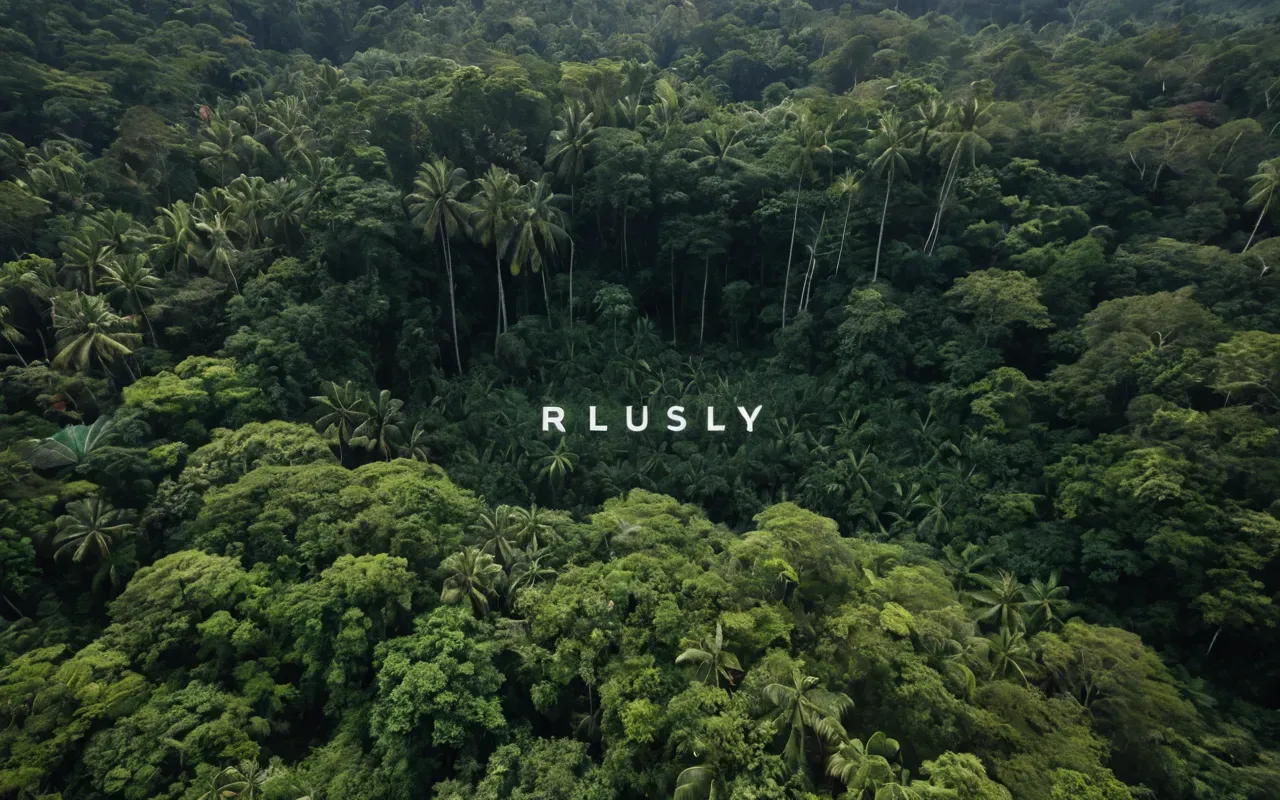
Lidar stands for light detection and ranging. It works by firing laser pulses from an airplane toward the ground then measuring how long it takes for the light to bounce back. This creates a detailed three-dimensional map of everything below including objects hidden under meters of vegetation. In this case it peeled away the jungle layer like lifting a veil.
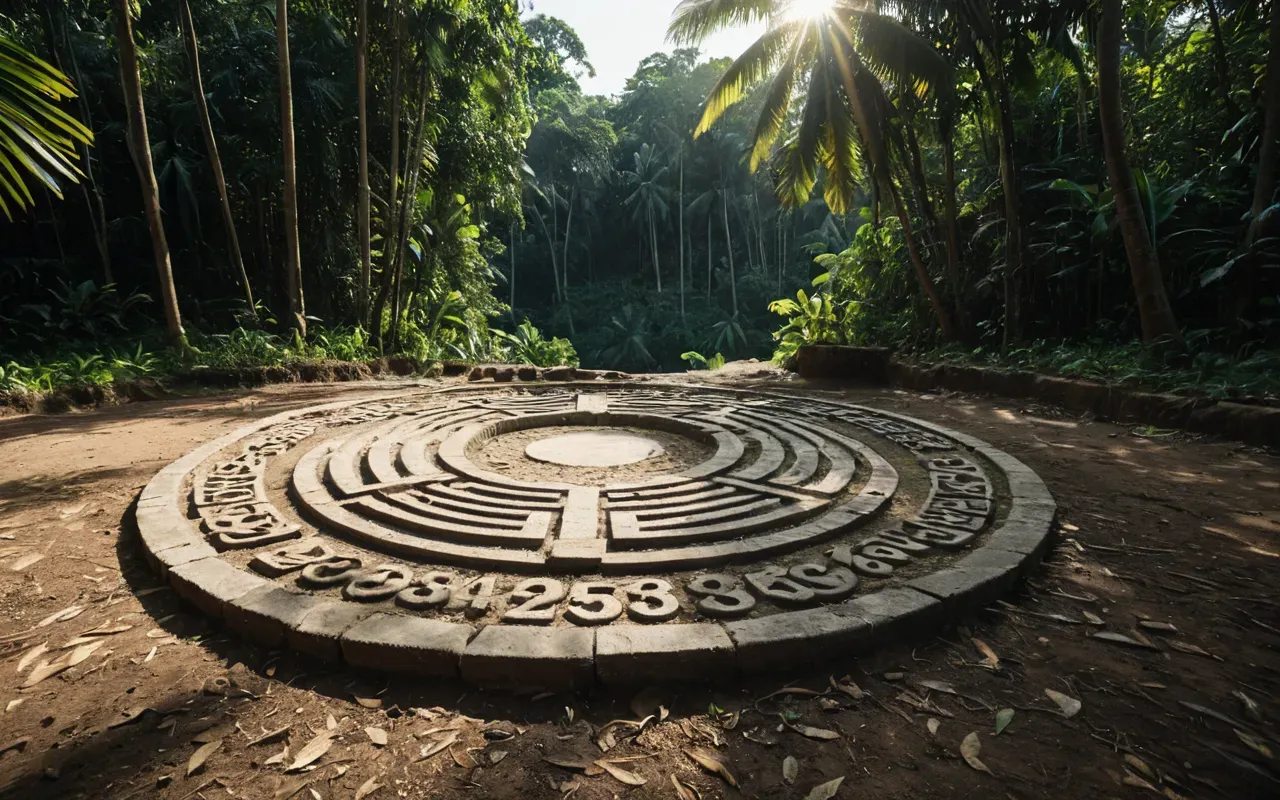
The survey covered just one thousand seven hundred forty square miles. That sounds small until you realize it contains nearly four hundred previously unknown geoglyphs. These are large geometric shapes made from earthworks featuring deep ditches and high embankments forming circles squares octagons and even petagrams inside other squares.
Some of these structures are enormous. One spans over one hundred twenty three acres with ditches up to forty feet wide and sixteen feet deep. Think about that for a moment. They built all this without metal tools or draft animals using only stone bone wood and sheer human labor organized across generations.
Martti Pärssinen from the University of Helsinki led much of this research effort. He noted that the precision required to build such perfect shapes without modern machinery is astonishing. It suggests a level of social organization and engineering skill previously unassociated with hunter gatherer groups in tropical environments.
Calculating The Population Boom
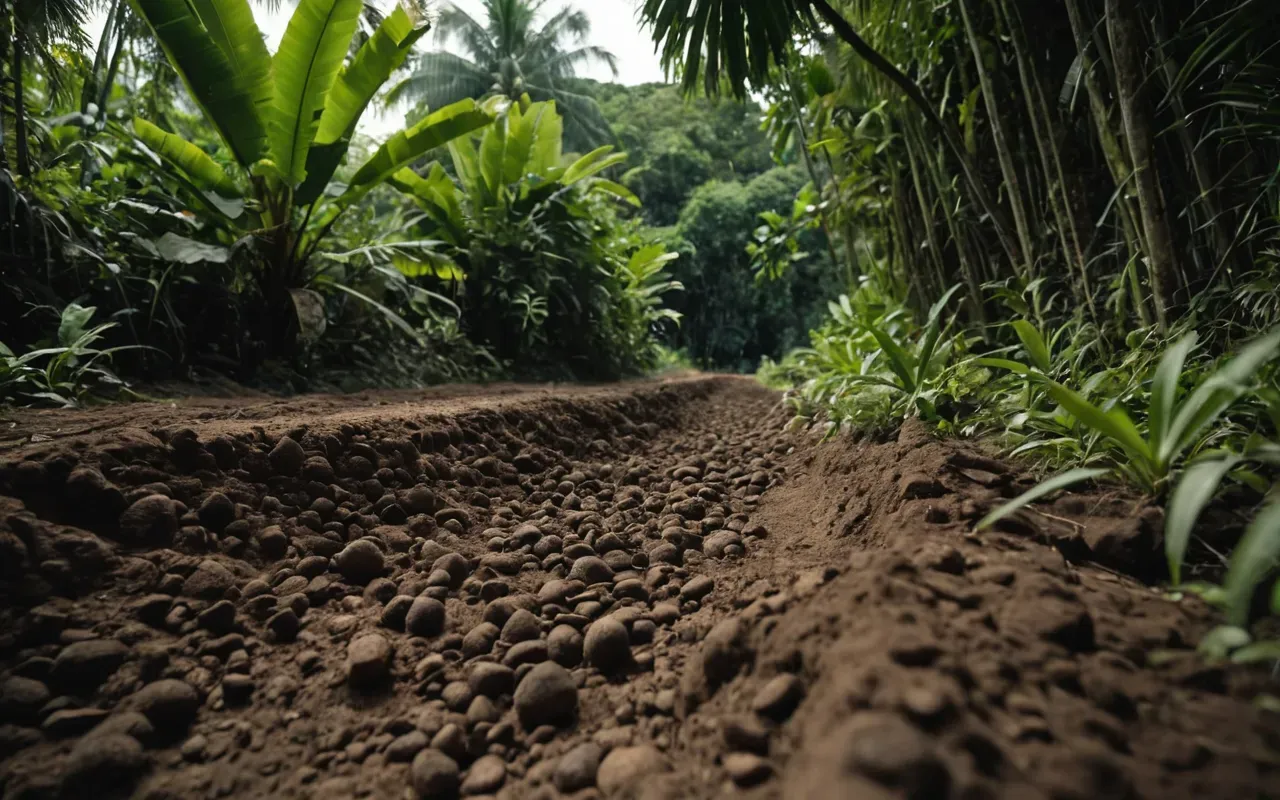
How do researchers estimate three million people? They look at village spacing and resource needs. Archaeologists believe average villages held about three hundred inhabitants living in multi-family longhouses. These settlements were spaced strategically across the landscape allowing enough room for hunting farming and gathering Brazil nuts.
The Aquiry civilization thrived between one hundred and three hundred C.E. Their diet included squash maize manioc fruit palms and managed tree crops indicating sophisticated agricultural practices long before European arrival. This contradicts old ideas that farming could not support large populations in acidic tropical soils.
Current estimates suggest there may be between twenty three thousand and thirty thousand total geoglyphs throughout the wider region. Earlier guesses put the entire Amazon basin at around ten thousand earthworks maximum. This new data multiplies those numbers significantly proving our previous maps were severely incomplete.
Challenging Old Archaeological Biases
Why did it take so long to find these cities? Bias plays a huge role here. Many archaeologists historically assumed tropical regions could not support dense urban centers because they expected clear fields and stone buildings like in Europe or Mesopotamia. They simply did not know what to look for under the trees.
This connects directly to debates seen at sites like Göbeklitepe where farming followed religion rather than preceding it. Both cases show that complex societies can emerge without the traditional markers we associate with progress such as plows metals or permanent mud brick walls.
Alceu Ranzi a geographer involved in the study pointed out that the idea of pristine Amazonia falls apart completely. Humans have been actively managing and shaping this ecosystem for millennia creating fertile soils known as terra preta through careful burning composting and planting strategies.
Public Ceremonies And Political Power
These earthworks were not just homes. They served as public ceremonial centers used for gatherings political decision making ritual dancing music feasting athletic competitions and ball games. Chiefs likely displayed generosity here reinforcing their authority through shared resources during major events.
Imagine thousands of people gathering inside a massive circular ditch built into the landscape. The acoustic properties alone would have created an immersive experience during ceremonies. Such venues required coordinated labor suggesting strong social networks connecting distant villages across hundreds of miles.
It challenges the notion that hierarchy only emerges with agriculture surplus. Here we see centralized planning happening alongside forest gardening techniques. People lived sustainably while still building monumental architecture rivaling anything found in drier climates around the world at similar time periods.
Why Did Millions Disappear Suddenly?
The Aquiry civilization seems to have collapsed rapidly between eight hundred fifty and nine hundred fifty C.E. Nobody knows exactly why yet but evidence points toward sudden abandonment across wide areas leaving behind silent empty earthworks eventually reclaimed by nature.
Researchers link this decline to broader trends seen elsewhere in precolonial Americas. Similar collapses happened among Maya Tiwanaku and Wari civilizations around same general timeframe possibly due climate change disease outbreaks social unrest or resource depletion factors still debated today.
Whatever caused it the speed of disappearance remains striking. Entire regions went from bustling centers supporting hundreds of thousands to near emptiness within just one or two generations leaving future explorers clueless about what once existed beneath their feet.
This pattern mirrors findings discussed regarding how historical narratives often mask underlying truths about societal shifts. In both cases surface level stories hide deeper complexities requiring fresh eyes and better tools to uncover accurately.
Lessons For Modern Conservation Efforts
Understanding past human impact matters greatly for current environmental policies. If ancient peoples managed vast tracts of land sustainably then maybe modern approaches should mimic those methods instead treating forests as untouched zones needing complete isolation from all activity.
Indigenous communities today continue traditional practices helping maintain biodiversity levels higher than strict protected areas sometimes achieve. Recognizing their historical stewardship validates rights claims while offering practical solutions for balancing development goals with ecological preservation needs.
Michael Heckenberger an anthropologist not involved in study called findings plausible yet extremely important for understanding precolonial complexity. He emphasized need to investigate surrounding occupational sites supporting high population estimates more thoroughly moving forward.
Redefining Precolonial Urbanism Globally
If only three percent of Amazonia was surveyed imagine what lies elsewhere. Other regions likely hosted comparable densities meaning total precolonial populations could have reached tens millions before European contact changed everything forever altering demographics drastically overnight.
This forces us to rethink definitions of urbanism entirely. Cities do not require stone monuments or paved streets necessarily. They can exist as interconnected networks relying heavily on sustainable agriculture forest management and ritual cohesion binding people together across wide geographic expanses effectively.
Just as Göbeklitepe flipped our understanding of early spiritual architecture, these Amazonian discoveries flip assumptions about tropical societal development proving complexity thrived where we least expected it historically speaking.
Future Research Directions Ahead
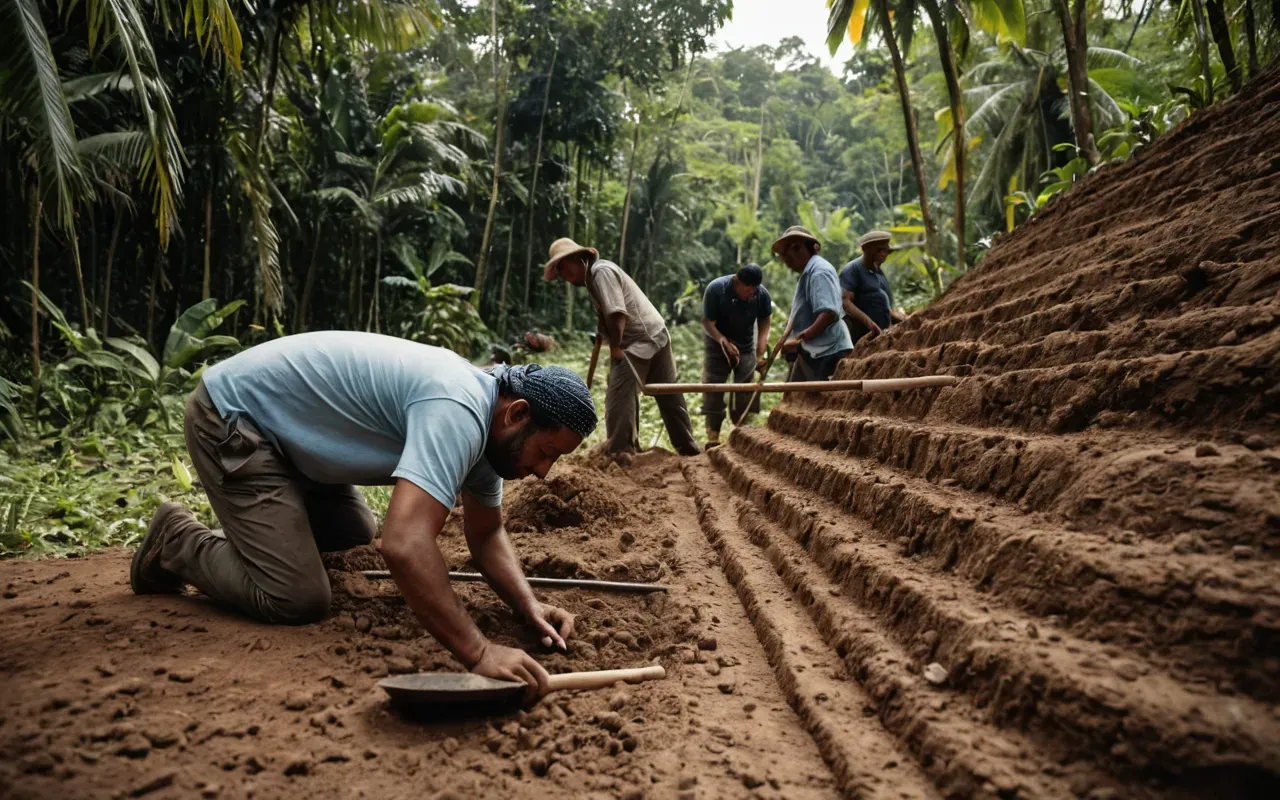
Next steps involve ground truthing specific locations identified via air scans confirming dates materials used daily life artifacts left behind. Combining remote sensing with traditional digging methods will paint fuller picture of how ordinary people lived worked played loved and died here long ago.
Collaboration between scientists local communities governments becomes crucial ensuring ethical practices respect cultural heritage while advancing knowledge responsibly. Protecting these sites from illegal logging mining encroachment ensures stories remain intact for future generations learn appreciate properly.
Each new discovery adds puzzle pieces revealing vibrant dynamic past filled innovation adaptation resilience. We stand on shoulders giants whose wisdom shaped landscapes beautifully sustaining life abundantly despite challenges faced collectively over centuries passing quietly beneath canopy shadows today.
Reevaluating Historical Narratives Completely
History books need updating urgently to reflect reality shown by recent data clearly indicating sophisticated civilizations flourished everywhere not just select locations favored earlier scholars biased toward temperate zones primarily ignoring tropics unfairly without good reason whatsoever.
Recognizing this truth empowers indigenous voices validating ancestral knowledge systems dismissed wrongly for far too long. It also inspires renewed interest learning from sustainable practices developed millennia ago adapting them creatively address current global crises facing humanity collectively right now.
The Amazon was never empty. It teemed with life culture ingenuity creativity spanning vast distances connecting people ideas goods traditions flowing freely through networks invisible now but undeniably present then shaping world we live in indirectly still influencing us subtly today.
As technology improves our ability see through forests mountains oceans skies we uncover more truths hidden long ago waiting patiently to be discovered again reminding us constantly that history is always deeper richer stranger than we ever imagined possible initially upon first glance alone.
So next time you hear someone talk about untouched wilderness think twice. Ask questions dig deeper look closer because beneath surface lies story waiting to be told fully accurately honestly reflecting true complexity beauty diversity inherent human experience across all times places cultures worldwide without exception whatsoever.