The UNESCO List Is A Lie And Here Is Why You Should Stop Believing It
The Headlines Are Missing The Point Entirely
I read the recent reports from Daily Sabah. They list Türkiye's newest UNESCO gems. Troy is back in news because of Christopher Nolan. Ephesus still draws crowds. Pergamon stands proud on its hill. Sardis shows off Lydian gold. Xanthos holds Lycian secrets. Gordion hides Phrygian kings. It sounds like a travel brochure for history buffs.
But here is the thing that keeps me up at night. This list feels incomplete. It feels like reading a book but skipping the first three chapters. We celebrate these stone ruins as peaks of human achievement. Yet we ignore the mountain that actually started everything. The stones in Şanlıurfa predate all this by millennia.
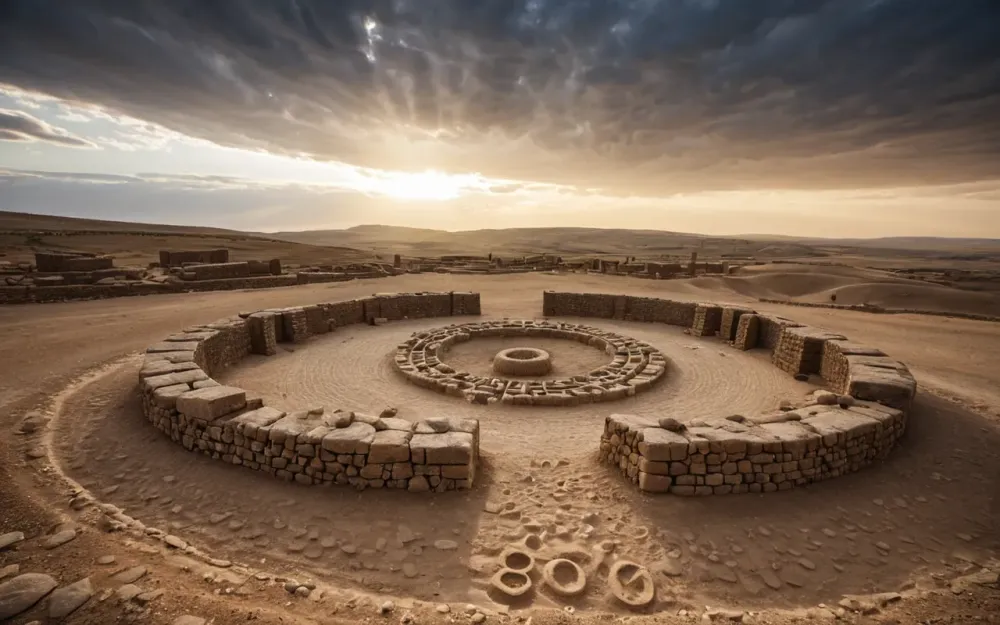
Why does nobody talk about how Göbekletepe breaks the script? The standard narrative says farming led to cities. Cities led to temples. It is a linear story we love. Cause and effect. Order from chaos. But at Göbeklitepe, the temple came first. That detail changes everything for me.
I want to dig into why this matters. If you believe the UNESCO list represents our full understanding of ancient life, you are walking around with blinders on. The man who dared to say religion came before farming was laughed out of rooms for years. Now we know he might have been right.
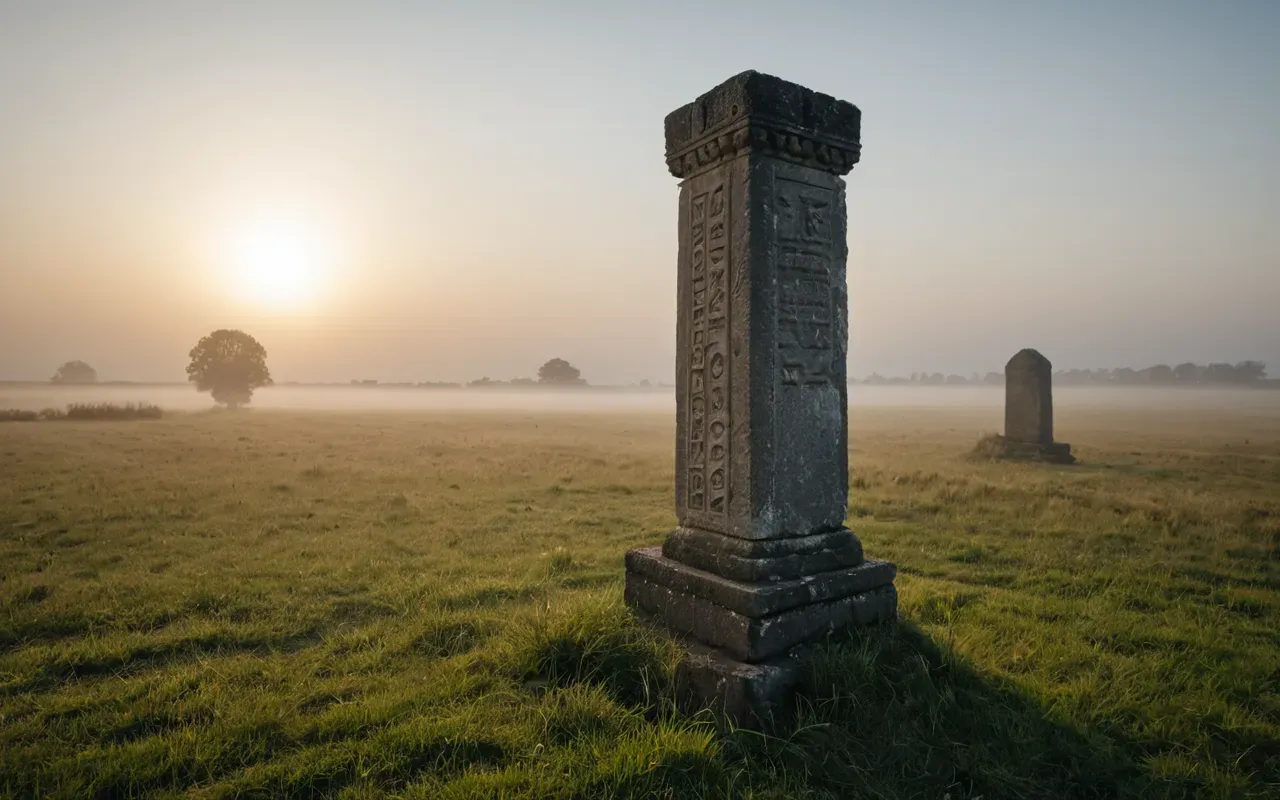
Troy And The Illusion Of Progress
Let's look at Troy first. It is famous for a reason. Homer wrote about it. Paris took Helen. The war started. We all know the story by heart now thanks to movies and books growing up with myths feels normal.
But think about the timeline. Troy dates to around 3000 B.C. That is late in human history terms. By then people had cities. They had laws. They had armies built on agriculture surplus. It looks impressive standing there looking at those walls.
However Troy is not the beginning. It is a midpoint marker at best. When I visit sites like this I feel connected to history yes but also detached from its roots. Who were these people before they built walls? What made them stop hunting and start stacking bricks?
The real reason archaeologists think the Trojan War never actually happened might surprise you. Evidence is messy there too. Layers upon layers of destruction make it hard to pin one single event on Homer's tale.
We project our modern ideas onto Troy. We see strategy and statecraft. But earlier humans did not think in those boxes at all. They thought in cycles. In spirits. In rituals that required massive communal effort without any central government directing them.
Ephesus Is Beautiful But It Comes Later
Then there is Ephesus. Oh how I love walking its marble streets. The Library of Celsus takes your breath away every time. It stands as a monument to Roman engineering and Hellenistic grandeur shining brightly against the blue sky.
But let us get real about this. Ephesus is a product of an agrarian economy. Farmers grew grain. Grain fed cities. Cities built libraries to store knowledge gained from controlling nature. It fits the textbook model perfectly.
And that is exactly why it distracts us. It reinforces the bias that civilization requires surplus food first. You cannot have temples without farmers feeding priests right? That was what we were taught in school for decades straight.
Why the Gobeklitepe stones are older than farming should scare historians more. Because if you build a temple before you have wheat then your society works differently. Motivation was spiritual not caloric.
Imagine gathering thousands of hunter-gatherers to move multi-ton T-shapes. No wheels yet. No draft animals trained for labor just muscle and belief holding people together in purposeful unity.
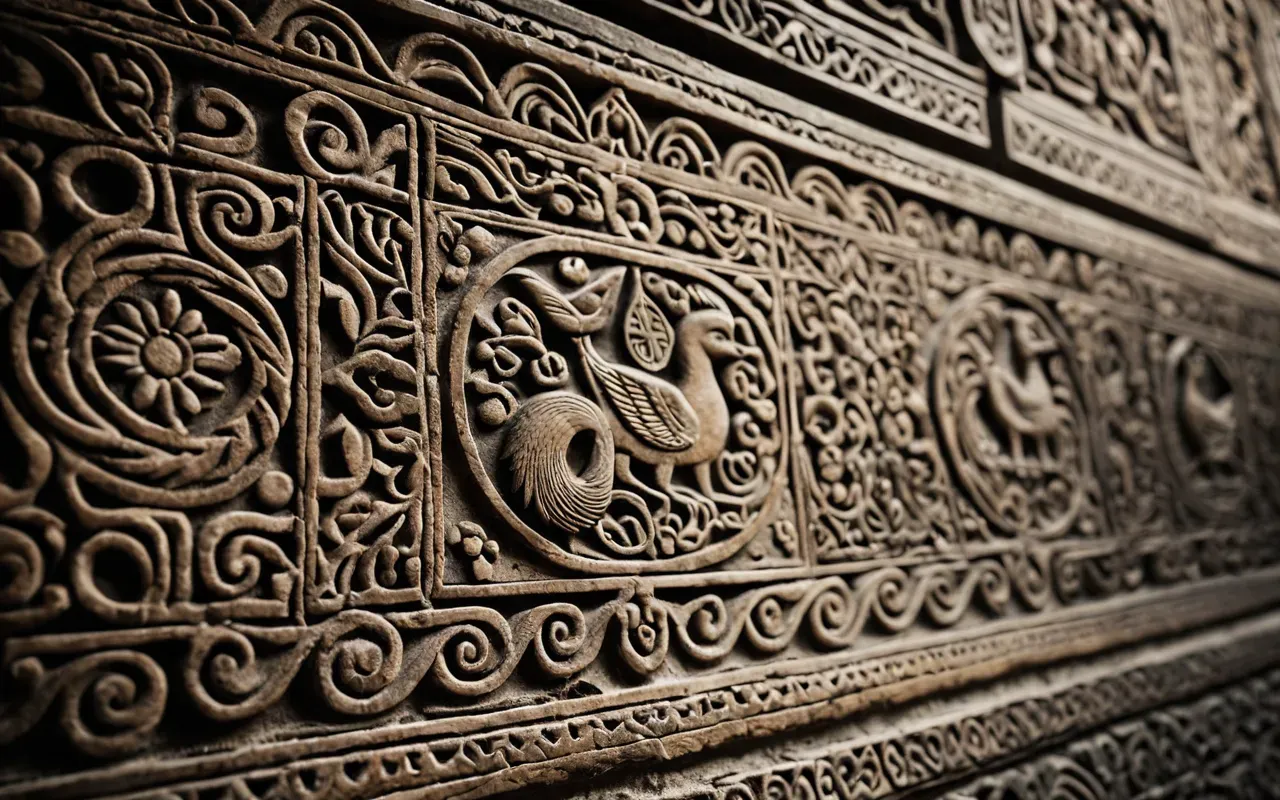
The Spiritual Engine Of Anatolia
This brings me back to Göbeklitepe. It sits quietly while Troy gets Hollywood blockbusters and Ephesus gets guidebooks thick with photos of columns lining its main street.
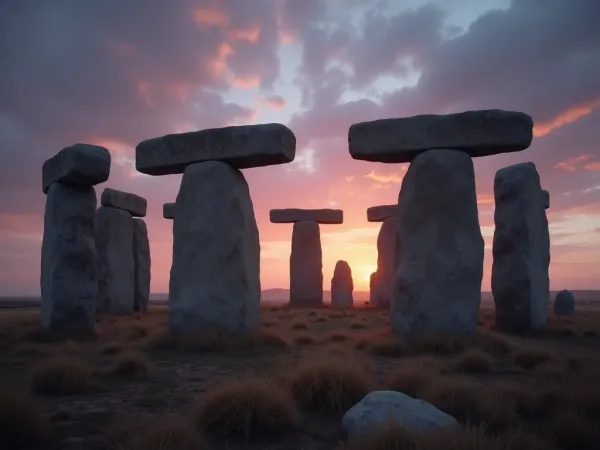
Yet Göbeklitepe is the grandfather of all these sites. It predates Stonehenge by six thousand years. Think about that for a second. Six millennia gap between mindsets.
Who built Göbeklitepe? Debunking myths about Neolithic architects is crucial here. We assume they were primitive because they lacked metal tools or written language recording events daily.
But look at the complexity. The pillars feature detailed reliefs of animals and abstract symbols suggesting a rich symbolic vocabulary existed long before alphabets were invented anywhere.
The ancient stones at Göbeklitepe hide a secret that completely flips how we measure human progress. Progress isn't just technology or wealth accumulation stored in banks today.
It is social cohesion. The ability to mobilize strangers toward a shared sacred goal without coercion or payment involved in that process whatsoever.
Why Pergamon Cannot Compare To The Beginning
Take Pergamon for example. It boasts the steepest theater in the Hellenistic world built into hillsides strategically. The Altar of Zeus is breathtaking with its frieze depicting Gigantomachy.
Sure it is magnificent. But Pergamon served a kingdom. It displayed royal power projecting authority outwardly to subjects nearby and enemies afar from its high vantage point.
Göbeklitepe served no king. There were no palaces found nearby indicating hierarchy or elite class separation evident in later periods of human development globally.
That equality aspect blows my mind every time I read new papers on it. Hunter-gatherers did not bow to lords or kings demanding tribute collected annually.
Sardis And The Invention Of Money
Then there is Sardis. Capital of Lydia where coinage was supposedly invented changing trade forever after that moment in time passed.
Money changes relationships between people profoundly. It quantifies value making transactions easier but perhaps colder emotionally speaking about human connection lost.
Before coins existed before markets dominated daily life how did communities function without standardized currency facilitating exchange processes smoothly?
They relied on trust networks and gift economies likely reinforced by ritual gatherings at places like Göbeklitepe strengthening bonds across groups meeting periodically.
The unexpected revelation from Göbeklitepe that could rewrite human spirituality suggests our ancestors valued connection over accumulation fundamentally.
The Real Story Beneath The Sand
I keep coming back to this idea. Why do we celebrate the ruins of empires so much more than the foundations of humanity itself?
Troy Ephesus Pergamon they are all important yes. They show us what humans became capable of doing once settled down permanently.
But they tell us nothing about why we chose to settle in the first place. Was it just convenience? Or was something deeper calling us toward permanence?
Göbeklitepe hints that ritual might have driven the shift. Perhaps people stayed near sacred sites leading to experimentation with plants eventually resulting in farming practices.
That flips the script entirely. Instead of farms creating temples it was temples that created farms indirectly through sheer force of collective willpower.
Why the 2026 Berlin Göbeklitepe exhibit will shock archaeologists is because mainstream academia still struggles with this paradigm shift happening slowly.
We are used to thinking technology equals intelligence or advancement measured by tools made available.
But spiritual sophistication may be just as complex requiring advanced cognitive abilities understanding abstract concepts deeply.
Rethinking Our Connection To The Past
Next time you see a photo of Ephesus or read about Troy being added to lists again pause for a moment.
Ask yourself what is missing from the picture. Where are the stories of people before walls were built around them?
Göbeklitepe is not just another site on a map somewhere in southeastern Türkiye ignored by most tourists passing through.
It is a reminder that our origins are stranger and more profound than we usually give them credit for.
The hidden architectural genius of Göbeklitepe challenges our understanding of early civilizations, showing innovation without metallurgy.
We need to stop viewing history as a straight line upward toward modernity, constantly improving.
Instead, we should see it as a tree with roots stretching deep into soil unseen by casual observers walking at surface level.
Those roots matter more than branches sometimes, because they hold everything else together securely.
What This Means For Us Today
I think about this often. We live in a world obsessed with efficiency and speed, moving fast forward always.
Yet looking at Göbeklitepe reminds me that humans have always needed meaning beyond survival basics provided by nature.
We gather together around shared beliefs, creating communities stronger than any single individual standing alone.
That lesson from twelve thousand years ago feels surprisingly relevant right now in our fragmented times globally.
So yes, celebrate Troy and Ephesus. They are beautiful places worth visiting, experiencing firsthand their grandeur.
But do not forget to look deeper beneath the marble surfaces polished by time passing endlessly.
There is an older story waiting there in the shadows, calling out to those willing to listen closely.
The Final Verdict On Heritage Lists
To be fair, UNESCO does good work preserving sites vulnerable to decay or destruction from development pressures.
But their criteria often favor visible monumental architecture over less obvious but equally significant cultural landscapes.
Göbeklitepe is an exception now, thanks to decades of advocacy by researchers passionate about revealing truth buried underground.
We should push harder to include other sites that challenge conventional narratives shaping our collective memory.
History belongs to everyone, not just those who left behind stone monuments easy to photograph and sell as postcards.
The dead face at Göbeklitepe that rewrites everything serves as a haunting reminder of lives lived fully long ago.
Their stories deserve respect equal to kings and queens celebrated in textbooks worldwide.
Closing Thoughts On Ancient Echoes
I hope this piece has made you think twice next time you're scrolling through news feeds full of updates about new inscriptions added.
Question what is being highlighted and why. Who benefits from framing certain periods as pivotal while ignoring others?
Knowledge is power, but only if we seek truth honestly without bias clouding judgment unfairly.
Türkiye holds immense treasures, both visible and hidden, waiting to be uncovered properly.
Let us honor all of them, not just the ones fitting neatly into existing boxes we created.
After all, our shared heritage is richer than any single list could ever capture fully.
Keep digging, keep questioning, and most importantly, keep remembering where we truly came from originally.