The Skull Cult Myth At Göbekli Tepe Was Likely Just Erosion And Gravity
The Skull Cult Myth At Göbekli Tepe Was Likely Just Erosion And Gravity
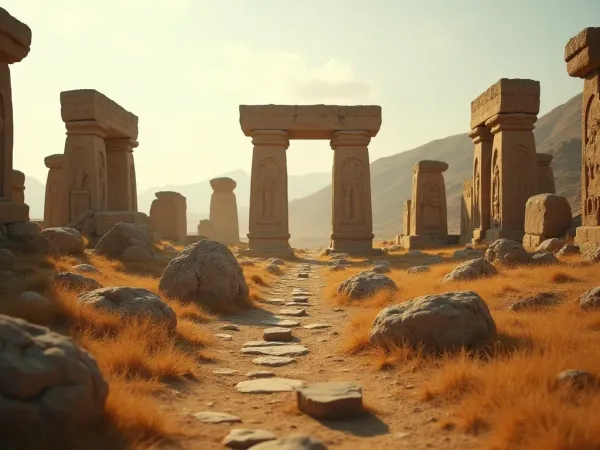
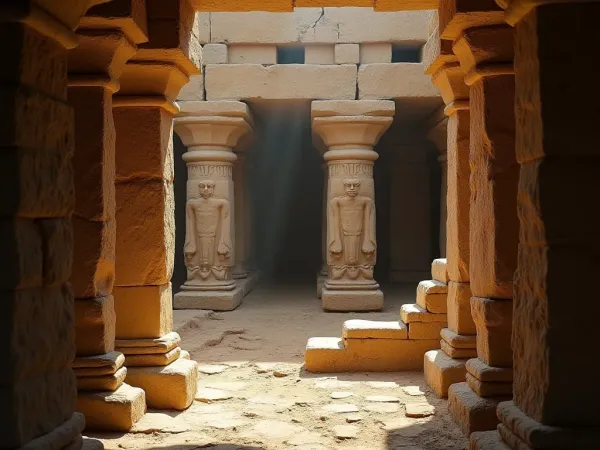
Picture a T-shaped stone pillar, carved twelve thousand years ago. Now picture human skulls strewn across its floor — and picture the conclusion everyone jumped to: macabre rituals.
For decades, that was the story at Göbekli Tepe. Death cult. Modified skulls put on display. Researchers said it, repeated it, wrote it down.
New research in PLOS One flips that interpretation on its head. The bones, it turns out, were probably moved by landslides and erosion. Not ritual.
Why does that matter? Because it changes how we read early human behavior in southeastern Turkey.
Natural forces, it seems, shaped the archaeological record far more than anyone gave them credit for.
What Researchers Actually Found In The New Study
The team identified the first complete human burials at the site. One held an adult woman and man, plus a young girl.
Another contained the remains of a single young adult. Together, these burials gave researchers the context they needed to make sense of scattered bones elsewhere.
In one special building, a skull turned up buried within floor plaster in the northwest corner. It faced southeast.
In another small cell, researchers found at least twenty-one skulls placed on their bases. Almost all faced the same direction.
Those placements are deliberate. They contrast sharply with the fragmented bones mixed into debris and fill layers.
The Skull Chamber And Its Implications
That small cell now goes by the name skull chamber. And its existence has fueled plenty of speculation about ritual practices.
But the new study argues that similar bone patterns elsewhere come from geological disturbance, not human hands.
The researchers noticed that fractures on scattered bones matched those seen in naturally disturbed deposits.
Same cause, most likely: slope movement carrying sediment and bones downslope.
Why Erosion And Landslides Changed The Narrative Completely
Here's the key insight. Göbekli Tepe sits on a mound that has been geologically unstable for millennia.
Burials higher on the slope could have eroded over thousands of years. Bones would then migrate downward.
That process explains why uncontextualized bone fragments show up within the fill matrix of monumental structures.
Landslides like these create an uneven distribution of remains — one that mimics intentional placement.
To be fair, the researchers stressed that this scenario doesn't rule out other mortuary practices at the site.
How Gravity And Time Disturbed Ancient Burials
Over twelve thousand years, the mound has seen countless small shifts in soil and rock.
Each event would displace bones from their original positions. Sediment would mix with them as it slid downhill.
So when archaeologists excavated these layers, they found fragments that looked ritualistic but were actually geological artifacts.
That realization reframes how we interpret the site's human remains and their relationship to monumental architecture.
What This Means For Understanding Early Human Life And Beliefs
The findings also challenge the assumption that Göbekli Tepe was primarily a site of death rituals.
Instead, they reinforce the view that these structures served multiple purposes — gathering, social interaction, and more.
Understanding that distinction helps us avoid projecting modern concepts of religion onto Neolithic communities.
The site remains one of the oldest monumental complexes in the world. Its significance now lies in how it reveals human ingenuity.
If you're interested in how early humans planned and built before agriculture existed, this discovery offers important context.
The Bigger Picture And Why This Discovery Matters For History
It also demonstrates why natural processes deserve a seat at the table when we interpret archaeological evidence.
The past isn't a static record. It's one shaped by time and geological forces.
For anyone studying ancient engineering or human origins, this adds a crucial layer of complexity to the narrative.
Göbekli Tepe keeps challenging our assumptions about the timeline of human civilization and social organization.
Look back twelve thousand years, and this new perspective helps us see the real story behind the stones.