The ancient practice of sealing people in tombs was far more violent than we realized
The Silent Victims of Ancient Rulership
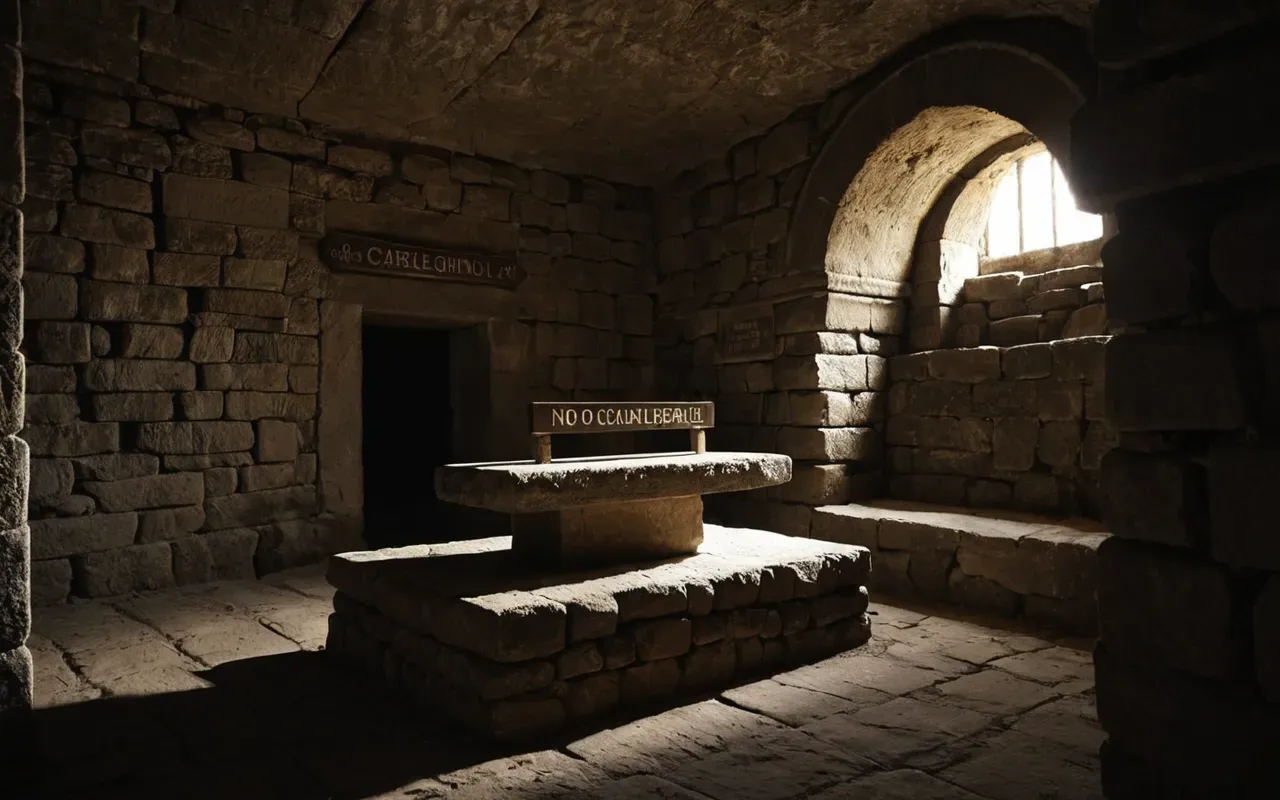
We like to picture ancient leaders as benevolent figures, guiding their communities toward prosperity. The ground tells a different story. Recent archaeological reviews point to a disturbing pattern across continents: people were sealed in tombs alongside rulers.
This was not accidental. It was ritualized death by entombment. In ancient China and parts of the Middle East, individuals were placed in underground chambers with no means of escape. They were part of a service that continued after their life ended.
I found this particular angle the most unsettling. We tend to focus on the grandeur of pyramids or temples. Yet we rarely stop to consider who paid for that grandeur in blood and silence.
Why This Changes More Than You Think
If you believe that complex societies emerged from pure cooperation and trade, this evidence complicates the narrative. Power in these early states was often maintained through fear and ritual violence.
Look at the case of the Shang Dynasty. Excavations have uncovered mass graves containing individuals with bound hands and head trauma. These were not just soldiers who died in battle; they were likely executed to serve their masters in an afterlife.
This reframes how we view the transition from hunter-gatherer bands to settled cities. It was not just a shift in agriculture; it was a shift in social control.
The Global Pattern of Forced Burial
It is not limited to one region. In South America, similar practices have been noted where individuals were interred in ways that suggest they were sacrificed rather than simply buried.
Even the Middle East shows traces of this. While Göbeklitepe is famous for its monumental pillars, the broader context of early human life in that region includes complex beliefs about death and service.
If you have been following the debates on how we misinterpret ancient timelines, check out how we got the order of operations completely wrong. It adds crucial context to why these rituals were so central.
The Contrarian View on Ancient Compassion
There is a popular narrative that ancient people were more peaceful before the rise of large empires. The evidence suggests otherwise.
Skepticism is healthy here. Not every skeleton in a tomb indicates sacrifice. Some may be victims of natural disasters or warfare.
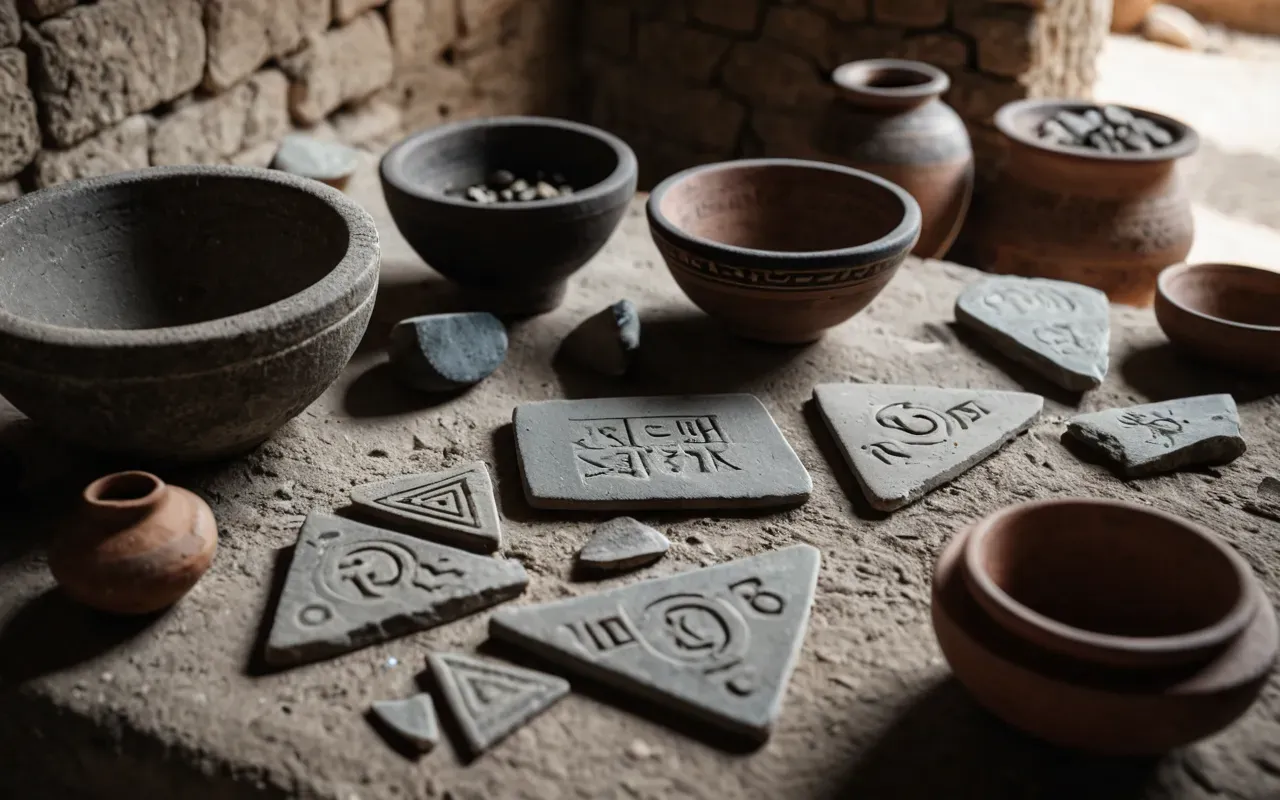
However, the specific positioning of bodies—kneeling, bound, or placed with offerings for a new life—points strongly to intentional ritual action.
Who Wins Who Loses in This Narrative Shift
The traditional heroes of these stories are the kings and priests. They lose their halo when we see what they demanded from the powerless.
The losers are our simplified textbooks. They often present history as a smooth progression of progress, ignoring the brutal costs paid by those without voices.
The winners are the archaeologists and anthropologists who spend years sifting through dirt to find these silent victims.
The Human Cost Behind Monumental Architecture
When we marvel at the scale of ancient construction, we should also ask about the labor. Were these workers free? Or were they part of a system that consumed human lives?
This is not just about the past. It reflects how we still measure success today by monumental achievements rather than human welfare.
If you are interested in how specific sites challenge these assumptions, read about the secret hiding at Göbeklitepe that broke our rules. It shows how much we still miss.
A Backstory the Source Skipped
Most reports focus on the 'what' of these discoveries. They rarely explain the 'why'. Why would a society invest so much in burying people?
It was about maintaining cosmic order. In many belief systems, the ruler had a divine duty to ensure the afterlife continued for their subjects.
This was not just cruelty. It was a deeply held conviction that death service was an honor.
The Implication Nobody Is Talking About
If these practices were common, it suggests that social stratification was far more rigid and violent than we assume.
It also means that the concept of individual rights is a very recent invention. For most of human history, you were part of a collective destiny.
This changes how we read myths and legends. They are not just stories; they are memories of real power dynamics.
We need to be more critical of the 'noble savage' narrative. It erases the complexity and violence that defined early human societies.
Why This Matters for Understanding Göbeklitepe
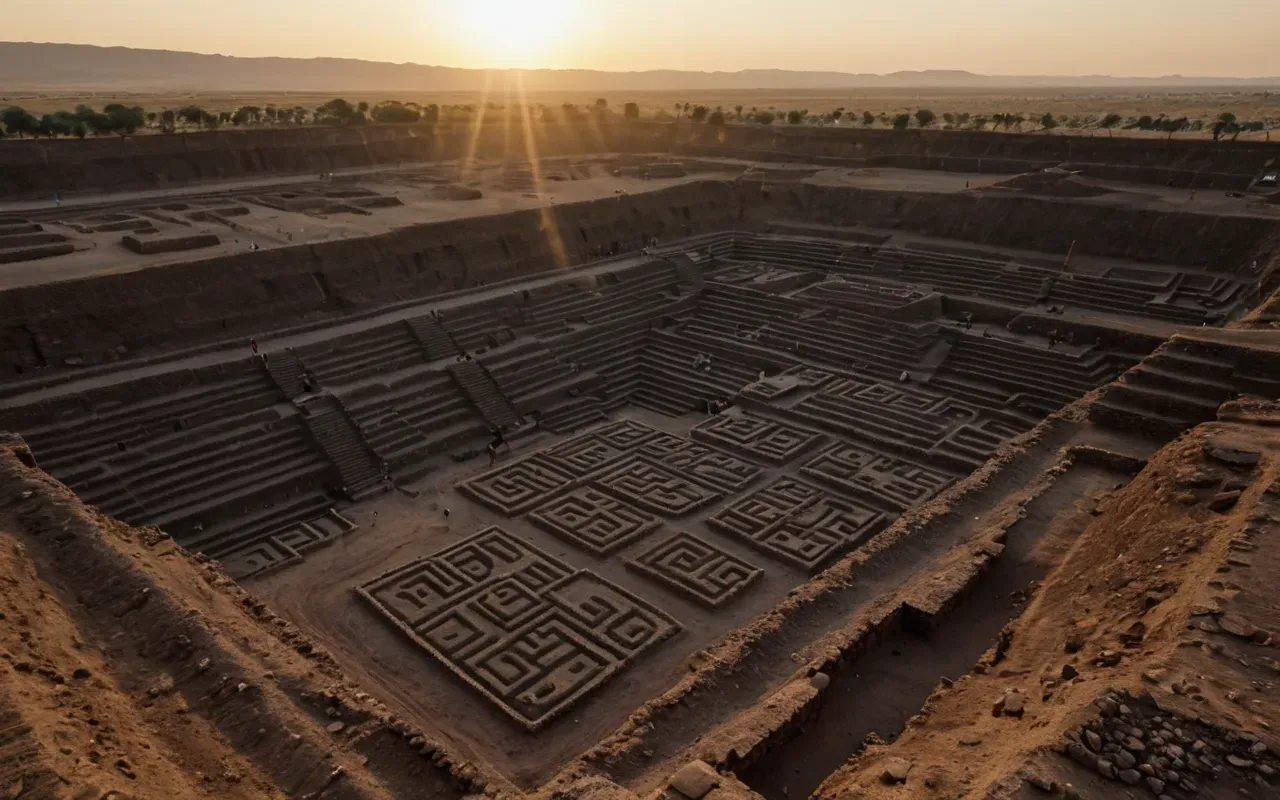
Göbeklitepe is often seen as a place of early religion and community. But if we look at the broader context, it was part of a world where death rituals were central to social cohesion.
The pillars and T-shaped structures may have been used in ceremonies that included sacrifice or symbolic death.
This does not mean Göbeklitepe was a death camp. But it means we should interpret its art and architecture with an eye toward these darker themes.
For more on how specific features at the site challenge our assumptions, see how ancient people saw a giant creature in the Milky Way. It shows how belief shaped construction.
The Final Verdict on Ancient Brutality
We cannot erase the past. We can only understand it more clearly.
The practice of sealing people in tombs was a tool of power. It reminds us that civilization is not just about building; it is also about controlling.
As we continue to dig and discover, let us remember the humans behind the stones.