Göbeklitepe researchers finally admit they may have been wrong about a massive ritual practice
The Skull Cult Myth May Finally Be Over
For years, everyone assumed Göbeklitepe was a place of intense skull rituals. Archaeologists pulled hundreds of fragmented bones out of the ground and read them as the leftovers of a complex mortuary practice. New evidence says otherwise — and the real story is far less dramatic.
A recent study in PLOS One takes aim at that long-held assumption that the bones were deliberately placed. Natural geological processes, the researchers argue, did much more of the work than anyone credited them for.
That shift matters. Nature fakes human intent all the time, and we're not always equipped to spot the difference without looking closely.
What the Bones Actually Showed Researchers
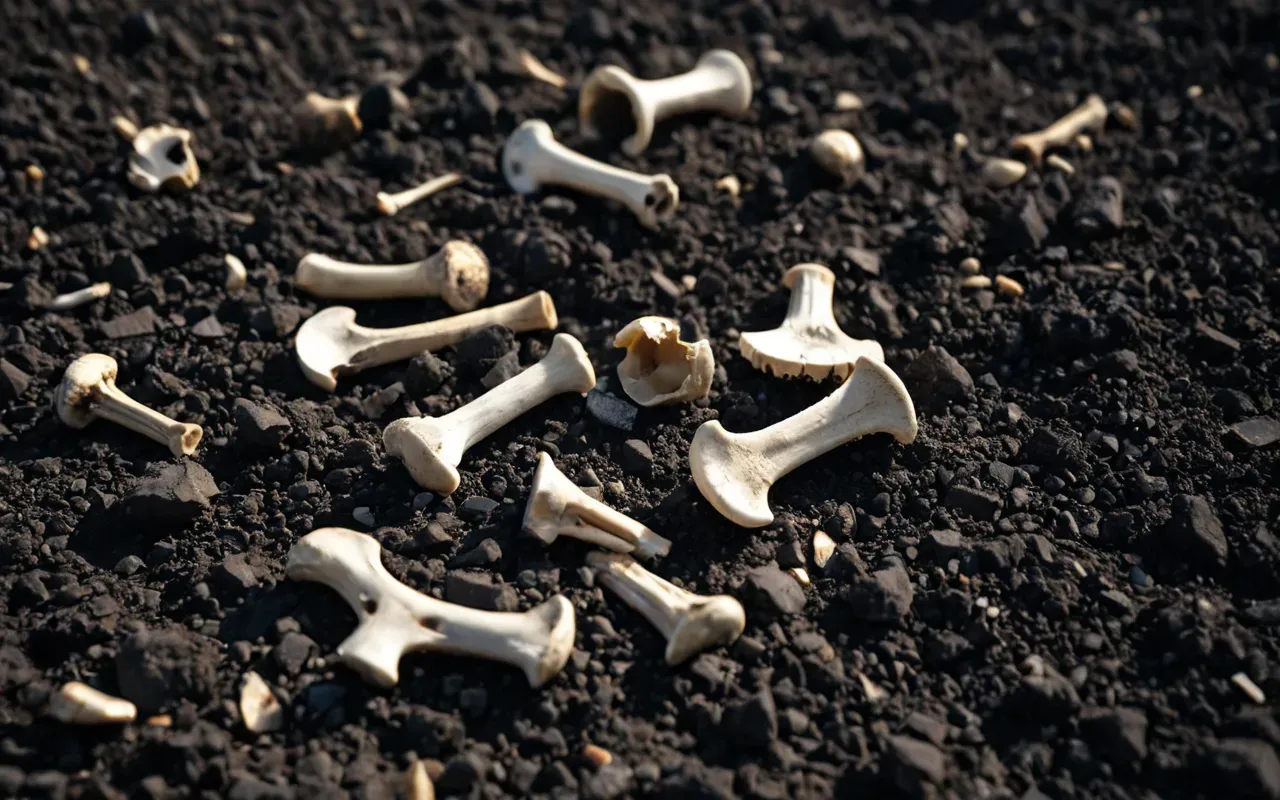
Julia Gresky and Lee Clare went through the damage patterns on the bone fragments, then compared those marks against bones from two intact graves found at the site.
What jumped out: mineral crusts, and what look like rodent tooth marks. Both are exactly what you'd expect on bones that sat in soil for a very long time.
So the damage points to post-burial wear, not deliberate ritual processing. The bones broke down naturally before anything moved or disturbed them.
The Role of Slopes and Erosion
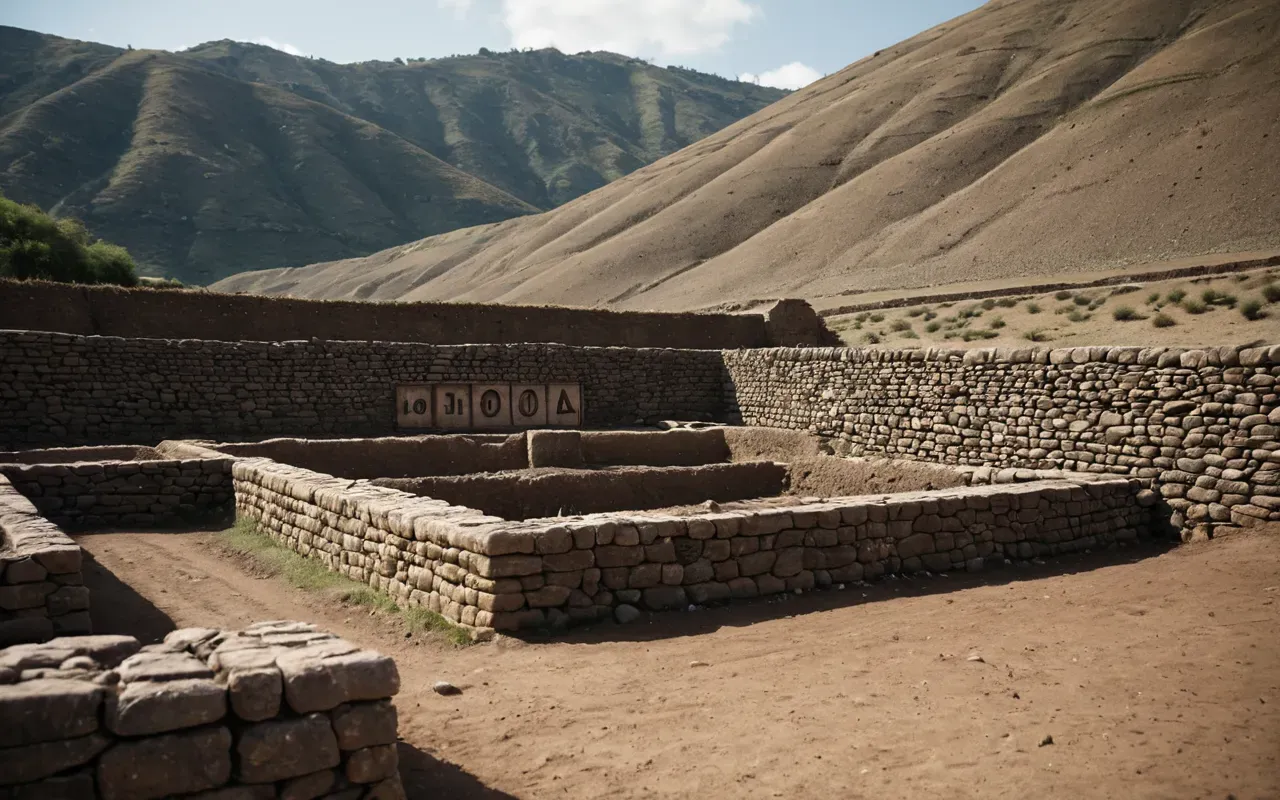
The graves sat on slopes above the main stone enclosures. Heavy rain and seismic activity likely sent soil slides downhill, carrying the buried remains with them.
That would explain why fragments are scattered over such a wide area — and why different skeletal parts turn up mixed together in places you wouldn't predict.
Had people placed these bones on purpose, I'd expect tighter clusters. The scattered pattern fits a natural explanation much better.
Why This Changes Our Understanding of History
Göbeklitepe has long been billed as the revolutionary site where humans built monumental structures before they farmed. This finding adds another wrinkle to an already complicated story.
Ancient sites aren't static museums. They're dynamic environments where natural forces have actively reshaped what we dig up today.
Which means researchers need to be more careful about pinning every anomaly on human behavior. Geological data has to be part of the interpretation, not an afterthought.
The Broader Implications for Archaeology
This case study makes the case for interdisciplinary work. Put biological and geological evidence together and you get a far more complete picture of what happened.
Other sites with similar conditions probably need a second look. The methods here could serve as a model for telling natural modifications apart from cultural ones in the fossil record.
It also nudges at our assumptions about ritual complexity. Not every unusual arrangement of remains reflects sophisticated symbolic behavior.
The Human Stories Behind the Bones
One grave held a woman in her twenties, buried on a bed of fist-sized stones. Her remains were remarkably intact given the age.
Another contained at least three individuals, including a girl between eleven and fourteen. The skulls in that grave were gathered in one corner.
Those details ground the whole scientific debate in human reality. Behind every bone is a life lived and lost.
What This Means for Future Excavations
Going forward, researchers will need to build more rigorous geological testing into their excavation protocols. It could slow some processes down — but it should improve accuracy significantly.
Training programs for new archaeologists may need to lean harder on environmental context, too. Reading the landscape matters as much as reading the artifacts.
Honestly, this feels like a maturation in the field. We're moving away from grand narratives and toward nuanced, evidence-based interpretations of the past.
The Enduring Mystery of Göbeklitepe
Plenty of questions remain unanswered, though. The site keeps defying simple explanations and challenging our preconceptions.
Each new discovery adds another piece to the puzzle. The story of Göbeklitepe is far from over, and it may still hold plenty of surprises.
For now, we can appreciate the complexity of this ancient site. It stands as a reminder that history is often stranger and more subtle than we imagine.