Unearthing the Wonders of Gobeklitepe and Its Reflection on Ancient Technologies
Gobeklitepe as a Gateway to Prehistoric Innovation
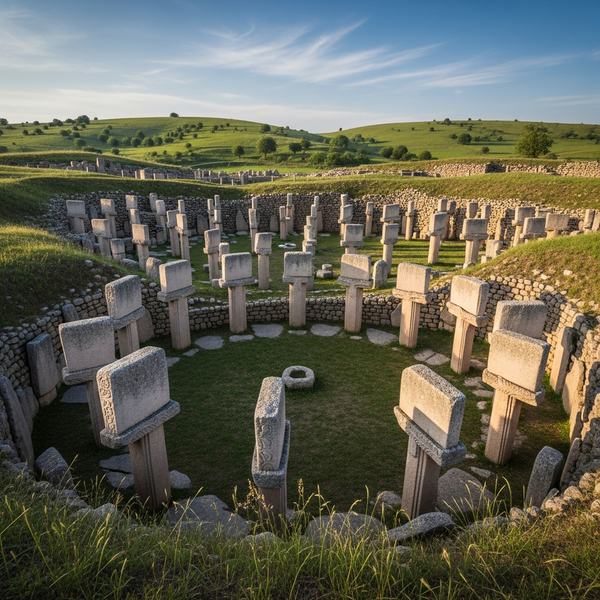
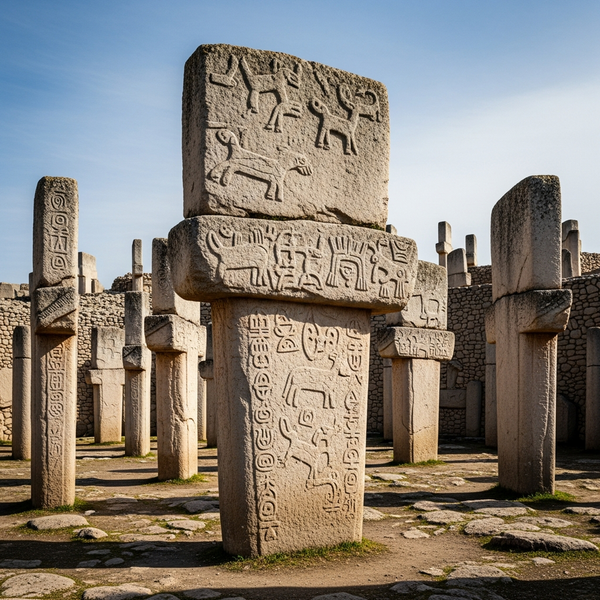
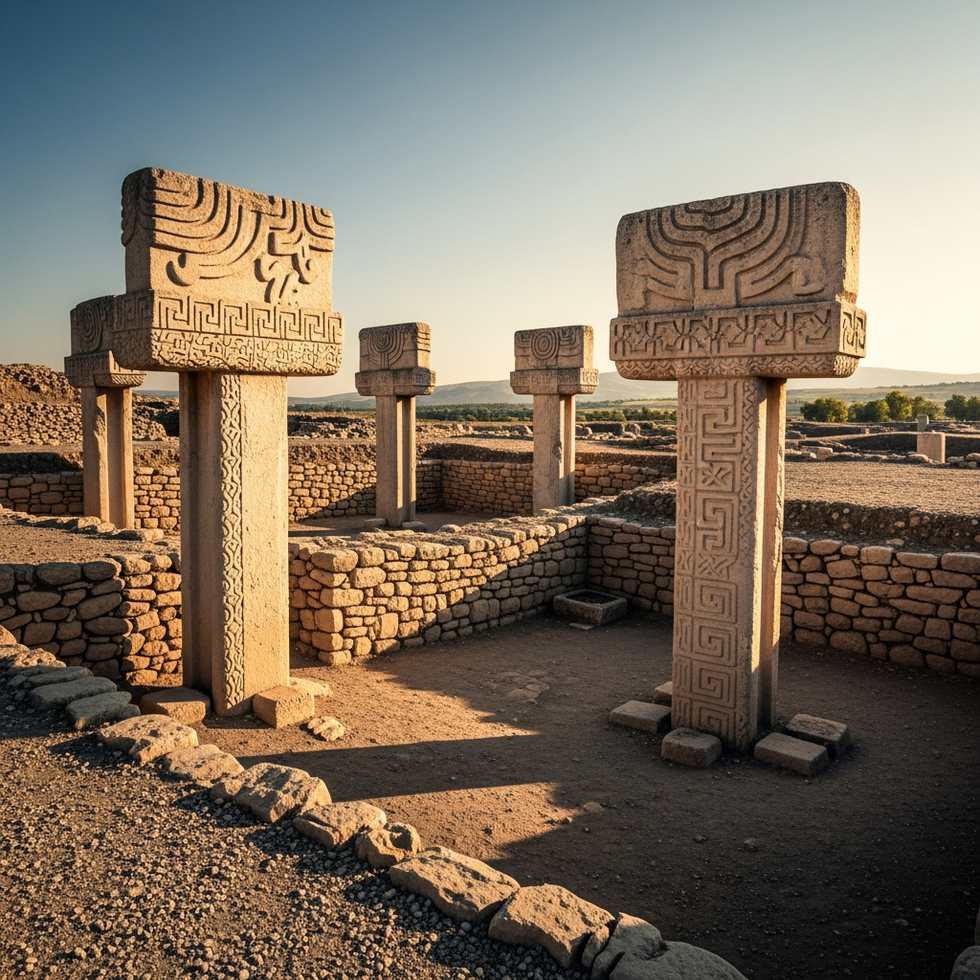
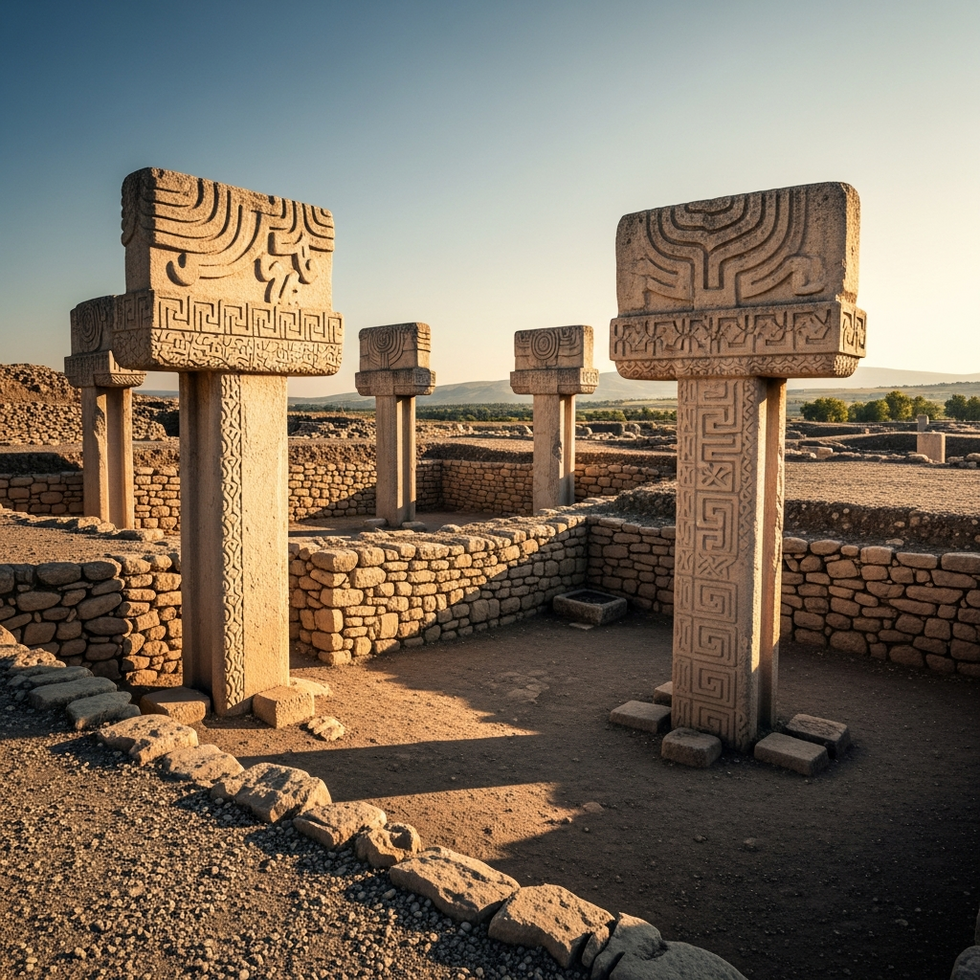
Up on a hill in southern Turkey, Gobeklitepe holds secrets that surprise most people. Built before many thought possible, around 9600 BCE, it stands apart from older settlements. Instead of just scraps or basic tools, you see large stones shaped with precision. Rising nearly ten meters tall, these T-form columns weigh more than ten tons apiece. That kind of precision and scale didn’t come until much later - or so we believed. What looks simple today reveals clever work from long ago. Look closer at those rocks - each one shows detailed carvings, like drawings of creatures, strange patterns, and half-human shapes. Their making points beyond mere support; something deeper seems woven into the cuts and edges. Where such skill came from remains unclear, sparking wonder about what old hands knew. Maybe long ago people already grasped how to build big, how to cut stone well, perhaps even tinker with simple machines like bars or ropes lifted by weight. Some think ceremonies alone explained these works, yet few still question the sophistication needed to plan and execute them. Clearly thought, shared effort, and sharp tools shaped these feats - more than we once believed.
Technological Marvels and Construction Methods of Gobeklitepe
What grabs attention at Gobeklitepe isn’t just its size, but how those giant rocks ended up there without modern machines. Moving them took effort, though people made do with basic flint or antler tools. They likely figured out ways to balance force by applying pressure off to the side, using natural physics before anyone knew the word. Scientists now believe ancient workers leaned on clever methods - wooden rollers, sloped surfaces, tilted supports - to shift those heavy blocks across rough ground. Precision in carving, along with the careful placement of pillars, suggests a deep understanding of space and celestial patterns - perhaps tied to rituals or timekeeping. What stands out is how the location began before major Neolithic advances, such as pottery or agriculture, appeared. Because of this, those who built it likely shaped new methods for making things and building structures - mysteries still unfolding today. At Gobeklitepe, cleverness reveals how ancient people truly pushed technological boundaries, reshaping old ideas about strength alone driving progress. Still, it suggests a subtle grasp of engineering ideas - ones born before metal or written words - pointing to the creative drive of ancient people.
Implications of Gobeklitepe for Understanding Ancient Human Capabilities
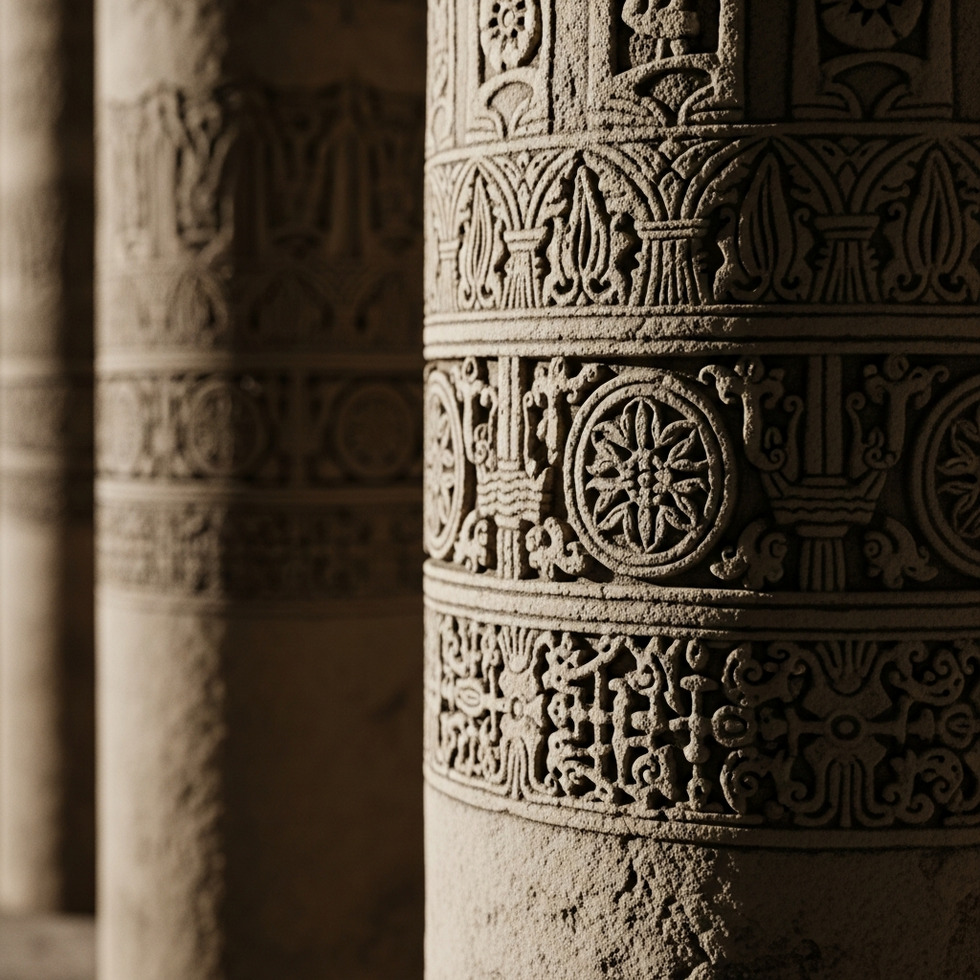
Gobeklitepe changed how we see ancient people. Not just scraping by, they seemed to plan ahead, think deeply, build smartly. Big stone towers suggest groups worked together, shared ideas across generations. That kind of teamwork and problem solving? It wasn’t expected - it pushes old assumptions too far. Built by ancient hands, Gobeklitepe hints at collective effort scaling new heights - maybe first guesses at science too, like tracking stars or shaping spaces. How stones stacked there changes how we see early minds meet challenges; proof of old teamwork reshapes what came before farming or villages took root. Long before modern progress began, people already pushed limits in ways now clearer than before. What looks like rough stone work actually traces deeper layers underfoot - where problem solving started, how ideas spread without words. The deeper you dig into how Gobeklitepe was built, the more questions arise about what early humans could do - not just stone by stone but think beyond survival. Long before farming changed everything, people were already shaping grand sites with precision. That kind of skill hints at deeper knowledge hidden beneath simple tools. Suddenly, the beginning of cities feels less mysterious - built slowly by minds adapting faster than assumed. Progress before agriculture? It wasn’t slow or random. It was layered, shaped by hands that understood structure and purpose. What seemed like primitive life now appears full of invention and vision. The past writes itself differently once these ruins speak.