Unveiling Ancient Mysteries at Göbeklitepe and Its Implications for Understanding Early Civilizations
Göbeklitepe and the Dawn of Human Civilization
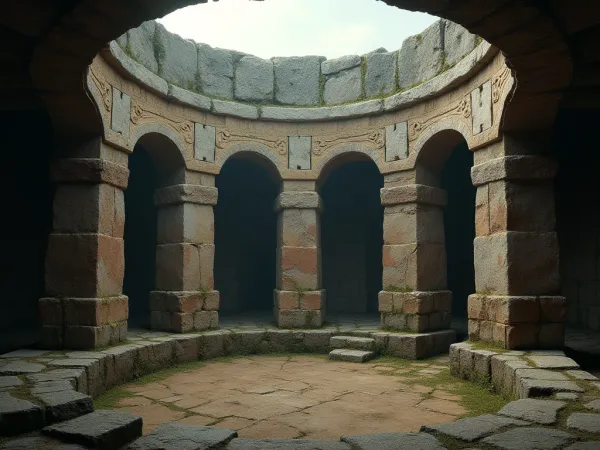
Imagine stepping into a site that challenges everything you thought you knew about human history. Located in southeastern Turkey, Göbeklitepe is not just an archaeological marvel; it is a testament to the ingenuity and spiritual life of our early ancestors over 12,000 years ago. Unlike other ancient sites, Göbeklitepe predates the advent of agriculture and the rise of settled communities, which fundamentally redefines the timeline of human civilization. This site, with its intricately carved monoliths and mysterious circular enclosures, suggests that early humans perhaps possessed complex social structures, religious beliefs, and artistic expressions long before the development of farming societies. As researchers piece together the clues from Göbeklitepe, it becomes increasingly clear that early humans were not merely hunter-gatherers living moment to moment, but rather thinkers and spiritual beings capable of abstract thought and communal rituals. This revelation opens new avenues of understanding about the origins of civilization and the profound capacity for symbolic thinking in prehistoric times.
The Architectural Enigma and Its Cultural Significance
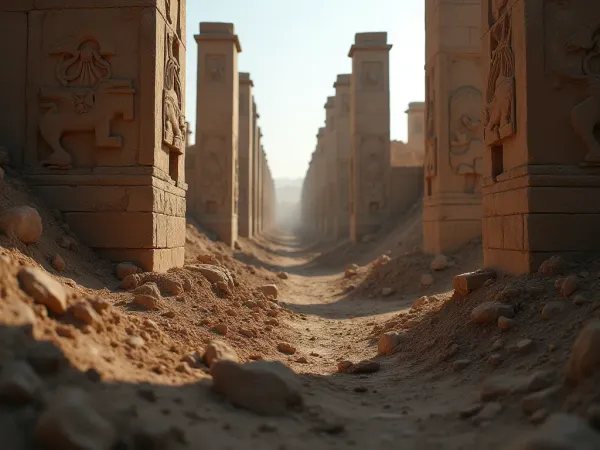
The architectural design of Göbeklitepe stands as one of the most intriguing aspects of this archaeological site. Unlike later megalithic constructions such as Stonehenge, Göbeklitepe embodies a level of sophistication that seemingly defies its supposed primitive age. The site features massive T-shaped limestone pillars, some of which reach heights of up to 5.5 meters and weigh as much as 10 tons. These pillars are decorated with carved reliefs depicting animals like foxes, snakes, lions, and bulls, suggesting a rich symbolic language that may have been connected to early religious or shamanistic practices. The arrangement of these pillars in circular and rectangular enclosures implies a deliberate and highly organized setup, possibly serving ritualistic functions. This raises fascinating questions about the social and spiritual lives of early humans—what beliefs drove them to construct such monumental sites? And how did their understanding of the world around them influence their artistic expressions? The precision and scale of Göbeklitepe’s architecture continue to baffle archaeologists, with many pondering whether these early peoples had a form of proto-religious ideology that united their communities around shared spiritual symbols.
Implications for Understanding Prehistoric Beliefs and Societies
The discoveries at Göbeklitepe have profound implications for how we interpret early human societies. Traditionally, archaeologists believed that spiritual or religious practices only emerged once humans transitioned to settled agricultural communities. However, Göbeklitepe's age and complexity suggest that religious and ritual behaviors originated much earlier, possibly as a way to forge social cohesion among nomadic groups. The presence of animal carvings and symbolic motifs indicates a rich spiritual life, potentially involving hunting magic or animism, where animals and natural elements were believed to possess spiritual significance. These findings challenge linear models of cultural evolution, which posit that complexity increases gradually over time. Instead, Göbeklitepe shows that early humans might have been capable of creating monumental, symbolic architecture long before the establishment of agriculture. This insight invites us to reconsider the origins of religion, community, and cultural development, emphasizing a more nuanced view of prehistoric human ingenuity and spirituality.