Göbeklitepe and the Dawn of Human Civilizations Rewriting Our Historical Narrative
Unveiling Göbeklitepe and Its Significance in Human History
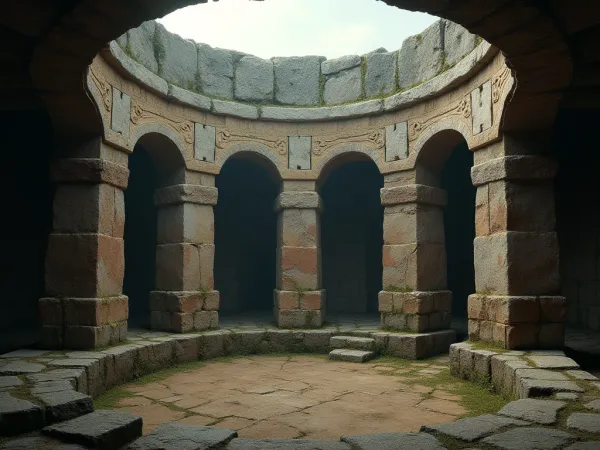
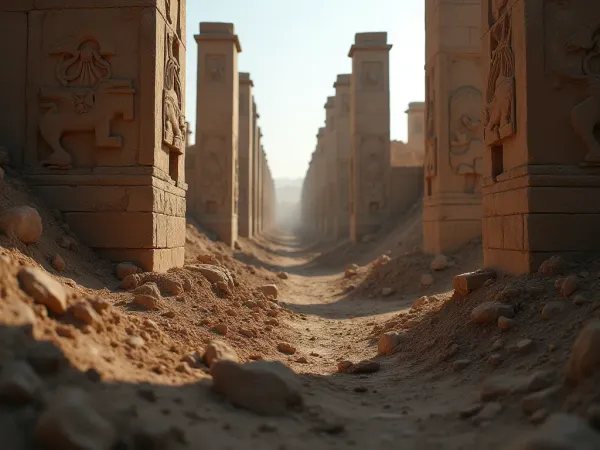
Imagine stepping into a world more than 12,000 years ago, at a time when humans were transitioning from nomadic hunter-gatherers to settled communities. Göbeklitepe, often regarded as the world's oldest known temple complex, offers a fascinating glimpse into this transformative epoch. Discovered in southeastern Turkey, this archaeological marvel challenges long-held assumptions about the timeline of human civilization. Unlike typical sites that focus on agriculture or domestic life, Göbeklitepe's megalithic stone structures place humanity's spiritual and ritualistic practices front and center of societal development. It suggests that the pursuit of religious and spiritual significance predates the advent of farming, revolutionizing our understanding of social complexity during the prehistoric era. The site's intricate carvings, massive T-shaped pillars, and the sophisticated layout point to an advanced communal effort focused on shared beliefs and cultural identity, indicating that early humans had already developed complex symbolic thought and social organization long before the rise of cities and written language.

Reimagining Early Human Beliefs Through Ancient Monuments
One of the most compelling aspects of Göbeklitepe is what it reveals about the spiritual life of our distant ancestors. The elaborate carvings portraying animals, abstract symbols, and possibly shamanistic figures suggest that early humans engaged in complex symbolic thinking and ritual practices long before the development of agriculture. These structures might have served as communal shrines or ceremonial centers where groups gathered to perform rites, honor gods or spirits, and reinforce social cohesion. The emphasis on animals and mythological motifs indicates a worldview deeply intertwined with nature and divine forces, emphasizing a belief system that was sophisticated and nuanced. Furthermore, the absence of evidence for permanent habitation at Göbeklitepe suggests it was a sacred site, used temporarily by nomadic groups who prioritized spiritual rites over daily survival. Such insights propel us into a new understanding of how spirituality helped forge social bonds in prehistoric communities, laying foundational ideas that would influence later religious systems.
Cultural Traces and the Legacy of Göbeklitepe in Modern Archaeology
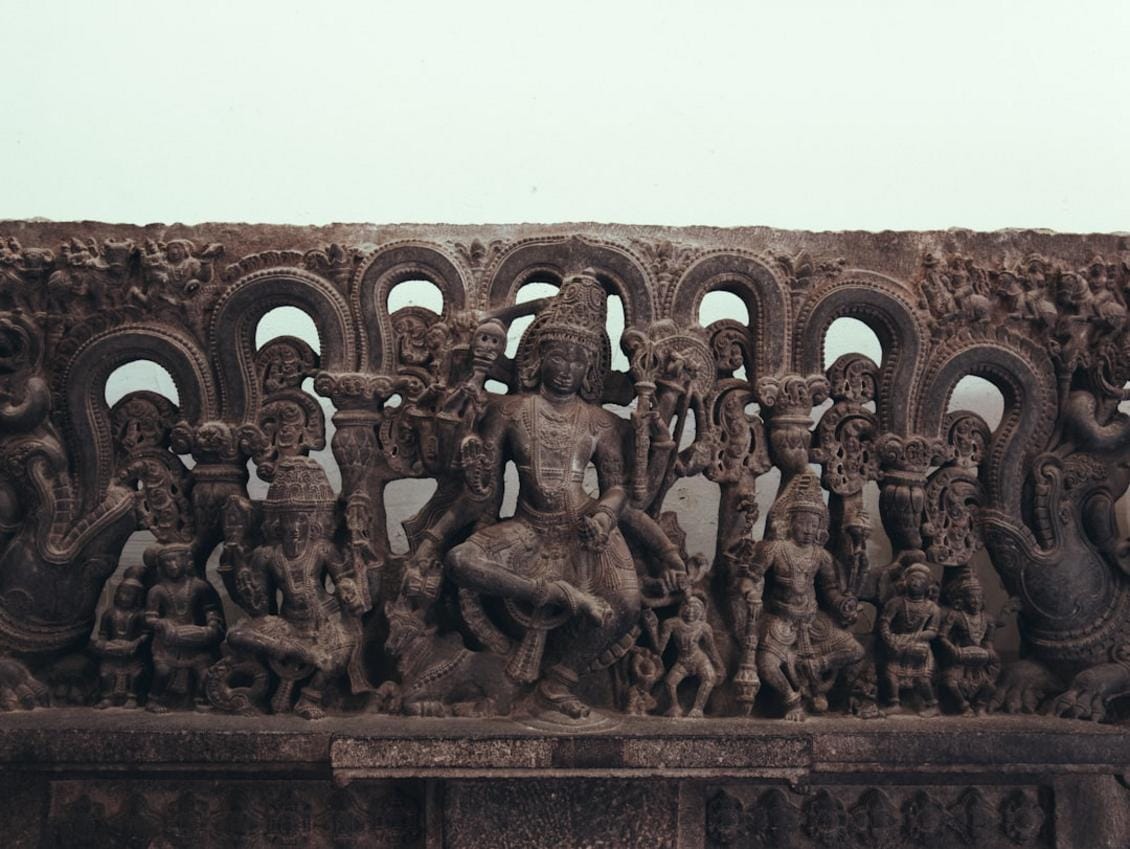
The discovery of Göbeklitepe has sparked a global archaeological renaissance, as researchers strive to piece together the cultural and social fabric of its creators. Unlike many prehistoric sites, Göbeklitepe’s monumental scale and the sophistication of its carved motifs suggest an organized society with the capacity for large-scale collective effort, spiritual specialization, and cultural transmission. The site’s careful excavation has uncovered layers of construction, indicating that it was intentionally abandoned and then re-initiated, perhaps reflecting cycles of ritual significance or shifting societal needs. This dynamic points to a complex cultural landscape where religious and social meanings evolved over centuries. Additionally, the site has provided invaluable insights into ancient craftsmanship, highlighting the early use of tools and collective labor, and challenging modern assumptions about the technical capabilities of prehistoric peoples. Today, Göbeklitepe not only offers a window into our distant past but also inspires ongoing debates about the origins of religion, the role of communal effort in cultural development, and the shared human urge to connect with the divine.

The Ongoing Quest to Unlock Göbeklitepe’s Secrets and Its Impact on Our View of Evolution
As archaeologists continue to explore and analyze Göbeklitepe, new discoveries are reshaping our understanding of early human evolution and societal complexity. For example, findings suggest that religious and cultural pursuits might have driven technological innovations, social organization, and even settlement patterns. The site’s deliberate construction, with no evidence of permanent habitation, underscores a spiritual dimension that possibly predated or even triggered the Neolithic revolution. Researchers also examine how the site’s layout reflects early cosmological beliefs, with some scholars proposing that Göbeklitepe aligns with celestial events or cardinal points, hinting at an early form of astronomical knowledge intertwined with spiritual life. Interestingly, Göbeklitepe challenges the idea that civilization could only begin with written language or advanced agriculture, instead indicating that human ancestors might have prioritized ritual and community bonding. The ongoing excavations, combined with modern technologies like 3D scanning and DNA analysis, promise to unearth more secrets, solidifying Göbeklitepe’s status as a keystone in understanding humanity’s origins and cultural evolution.