Unveiling the Mysteries of Gobeklitepe and Ancient Technological Achievements
The Origins and Significance of Gobeklitepe in Human History
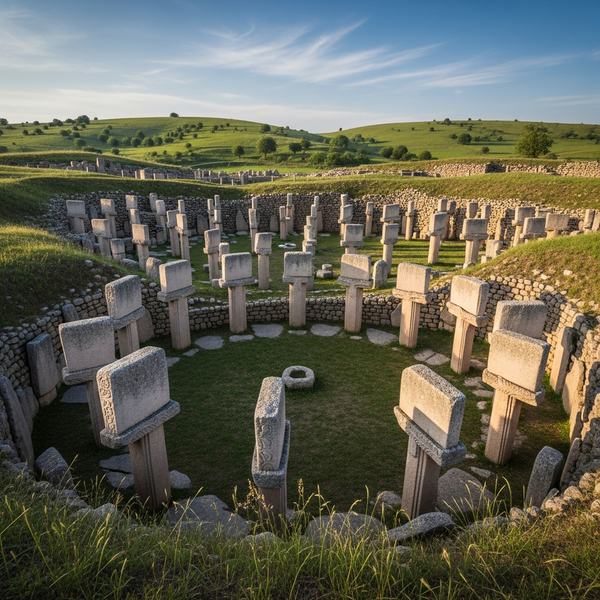
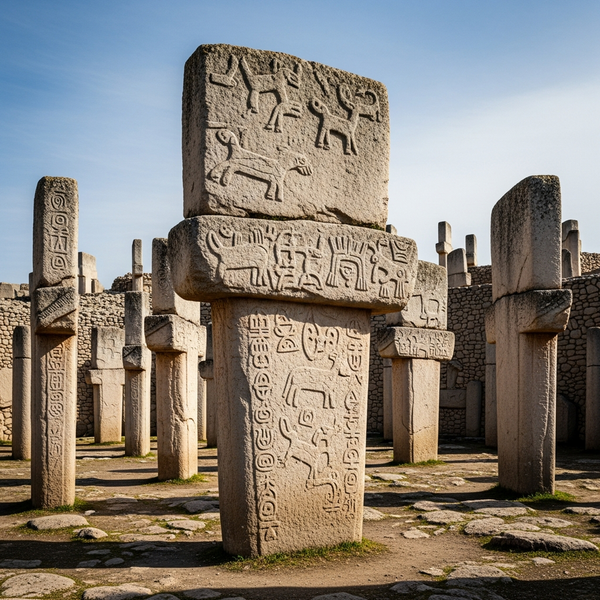
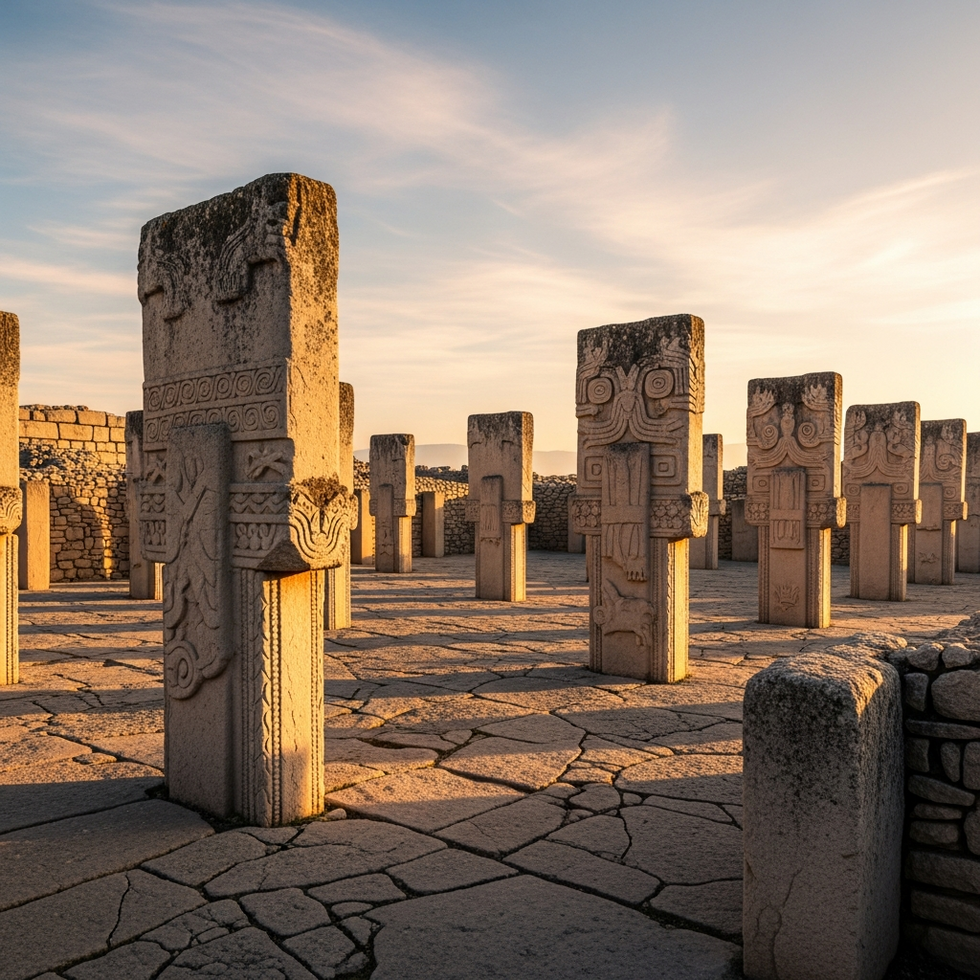
Picture moving about eleven thousand years back, near the start of everything people could build homes instead of roaming forever. In southeastern Turkey sits Gobeklitepe, proof written in ancient rocks of how life changed fast then. This spot surprised everyone when it finally came to light in the twenty-first century's first decades. Towering stones shaped like T's rise there, each one etched with strange patterns and deep cuts - quiet proof of early genius laid bare. Not like most Neolithic spots built for living, Gobeklitepe seems built mainly for rituals - a shift worth noting when thinking about ancient faiths and group life back then. Some 6,000 years before Stonehenge stood, this place already showed advanced ways to move big rocks, even without iron tools yet. Its uncovering forced fresh looks at ancient problem-solving skill and the tech likely behind massive structures, doubting old ideas about what Stone Age minds could do, suggesting organized communities far more capable than assumed.
Deciphering Ancient Technologies and Construction Techniques
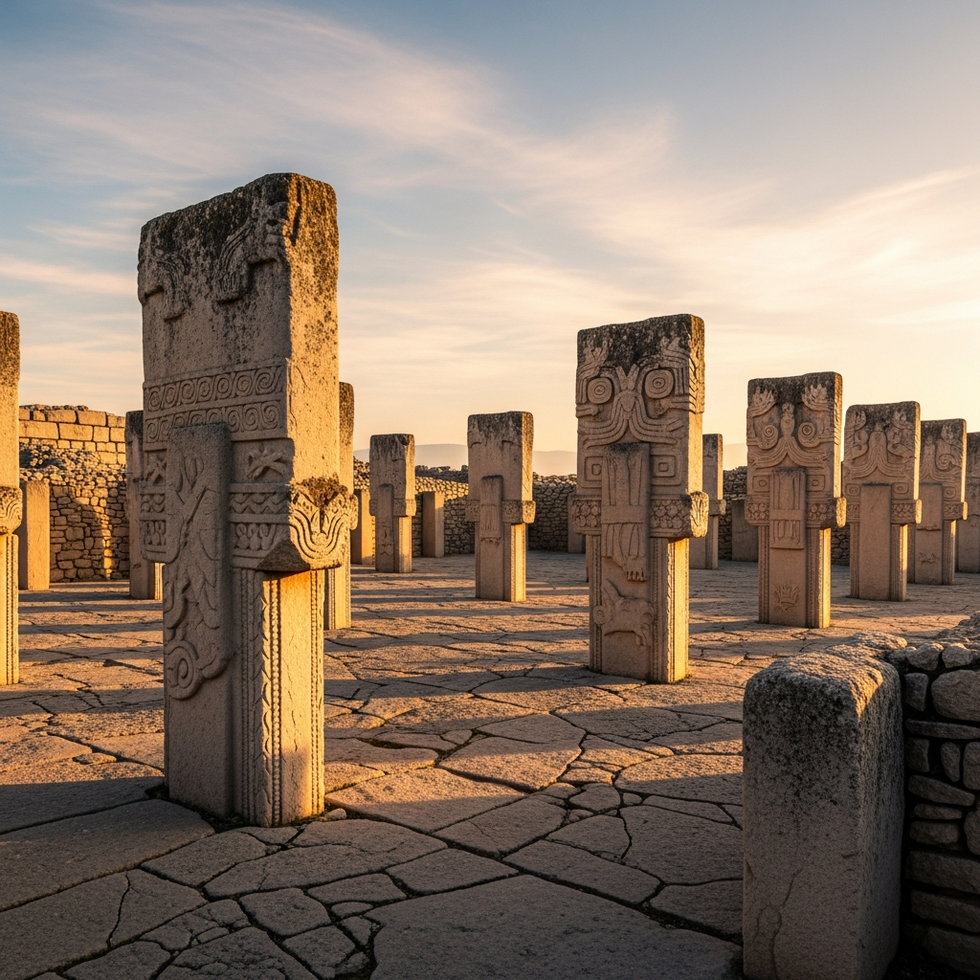
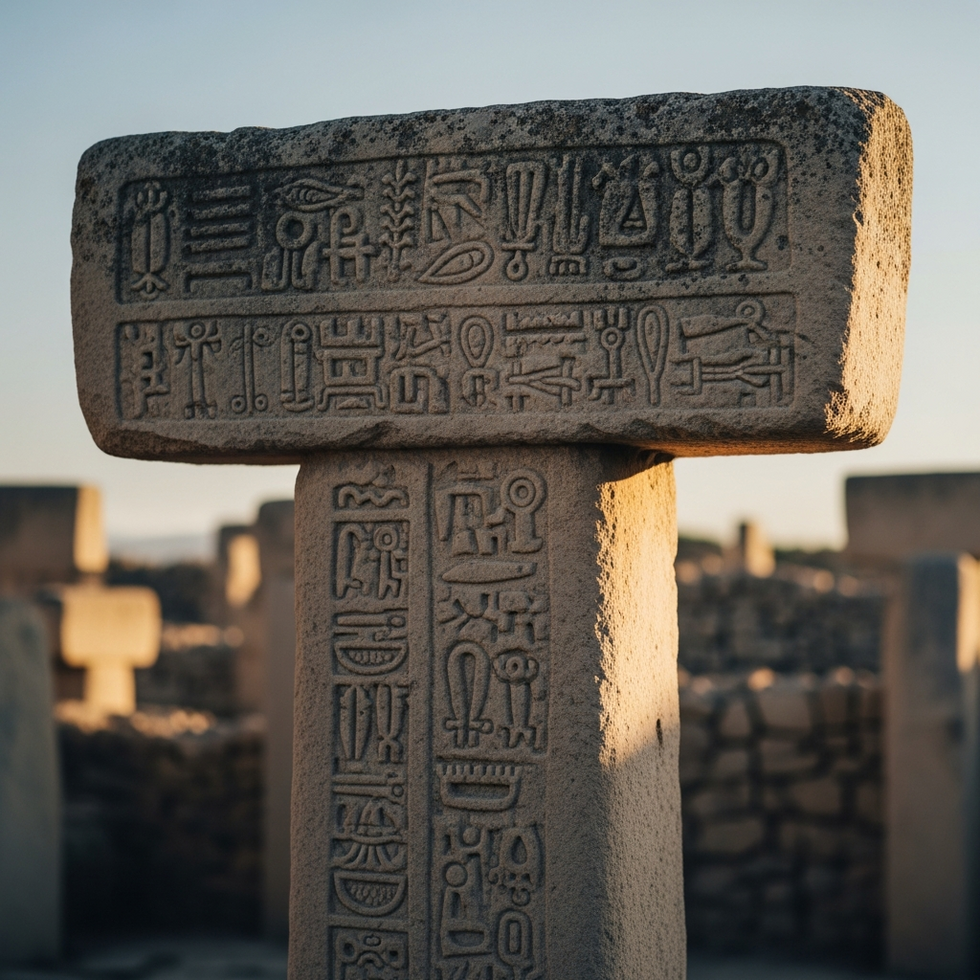
What makes Gobeklitepe stand out is how cleverly it was put together, showing what early people could do with simple tools. Even without wheels or hammers, the workers shaped, moved, and raised huge rock columns - some hitting 20 tons - with surprising accuracy. Scientists now believe clever use of balance, weighted logs, maybe even early-style ropes helped them lift those heavy blocks into place. Over the pillar posts, delicate carvings show complex signs of shared meaning - maybe tied to old beliefs or group life. Skill like this suggests more than facts; it points to organized work by people who knew each other's roles. Scientists now agree people back then made do with basic gear: rough hammers from rock, sharp edges from flint, pallets carved from wood. From stone piles to puzzles that baffle experts today, people found clever ways to move mountains without strength. Not muscle but minds shaped history back then.
The Cultural and Religious Implications of Gobeklitepe’s Architectural Features
What stands out isn’t just the construction skill, but how Gobeklitepe reveals pieces of the spiritual world built by ancient hands. Around its edge, stone pillars form circles - some paired, some showing animals or strange shapes - suggesting deep ritual meaning. These designs may stand for legendary beings or animal spirits, according to researchers, hinting at symbols that carried heavy weight in daily thought. Not a single local building appears at Gobeklitepe, which hints it served mainly as a gathering place for spiritual events - maybe tied to seasons, growth, or old tales passed by firelight. Gatherings like these likely centered on shared meanings, giving rise to bonds among earliest communities while quietly shaping who held influence. Evidence of this kind pushes us to see religion and visual language as powerful forces in early society building, pushing beyond mere survival. What stands there today quietly proves ancient minds could build symbols, not just shelters.