44 Artifacts Reveal Göbeklitepe's Secret That Rewrites History
The Berlin Revelation of the Stone Hills
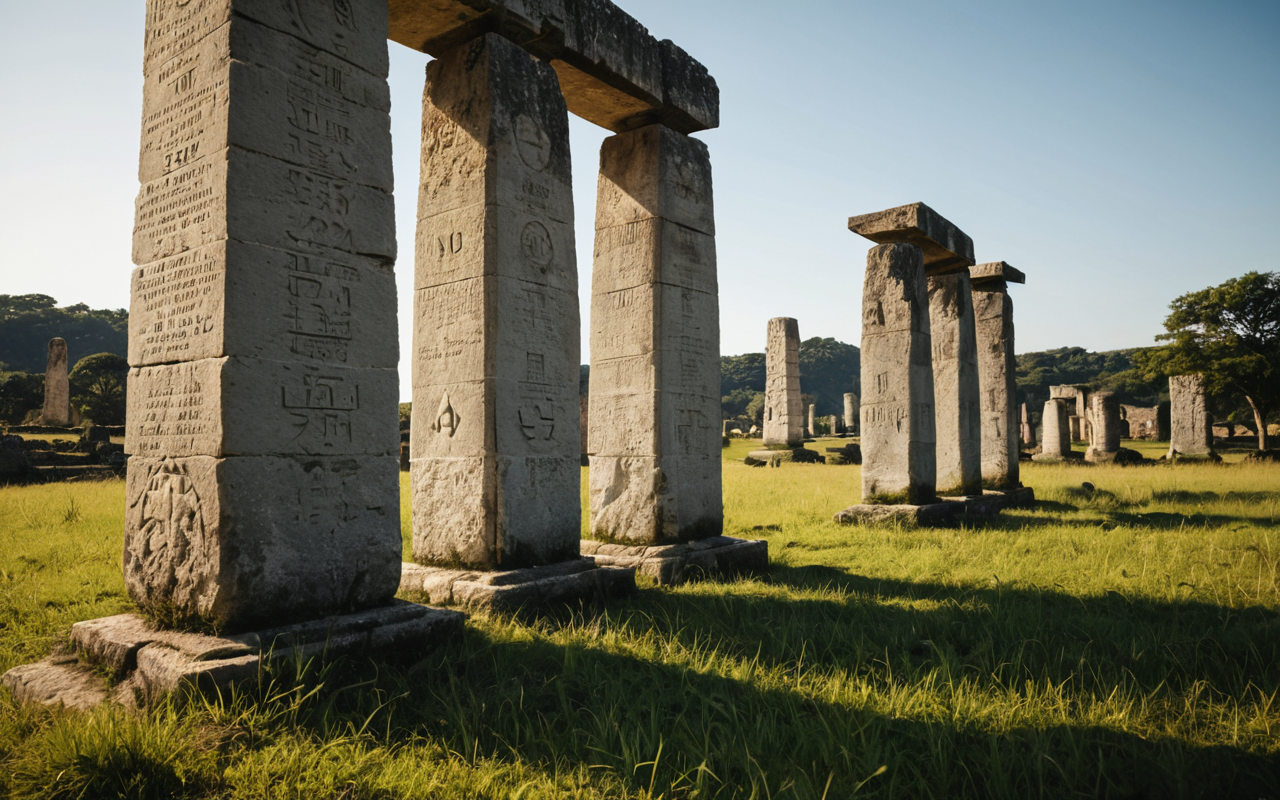
Picture this. You stand in the heart of Berlin, surrounded by the hum of modern Europe. Suddenly, twelve thousand years vanish. The air feels heavier. Ancient stones loom. This is not a dream. It is the new reality at the James-Simon Galerie. The Stone Hills are here. They have arrived. And they bring secrets that have slept for millennia.
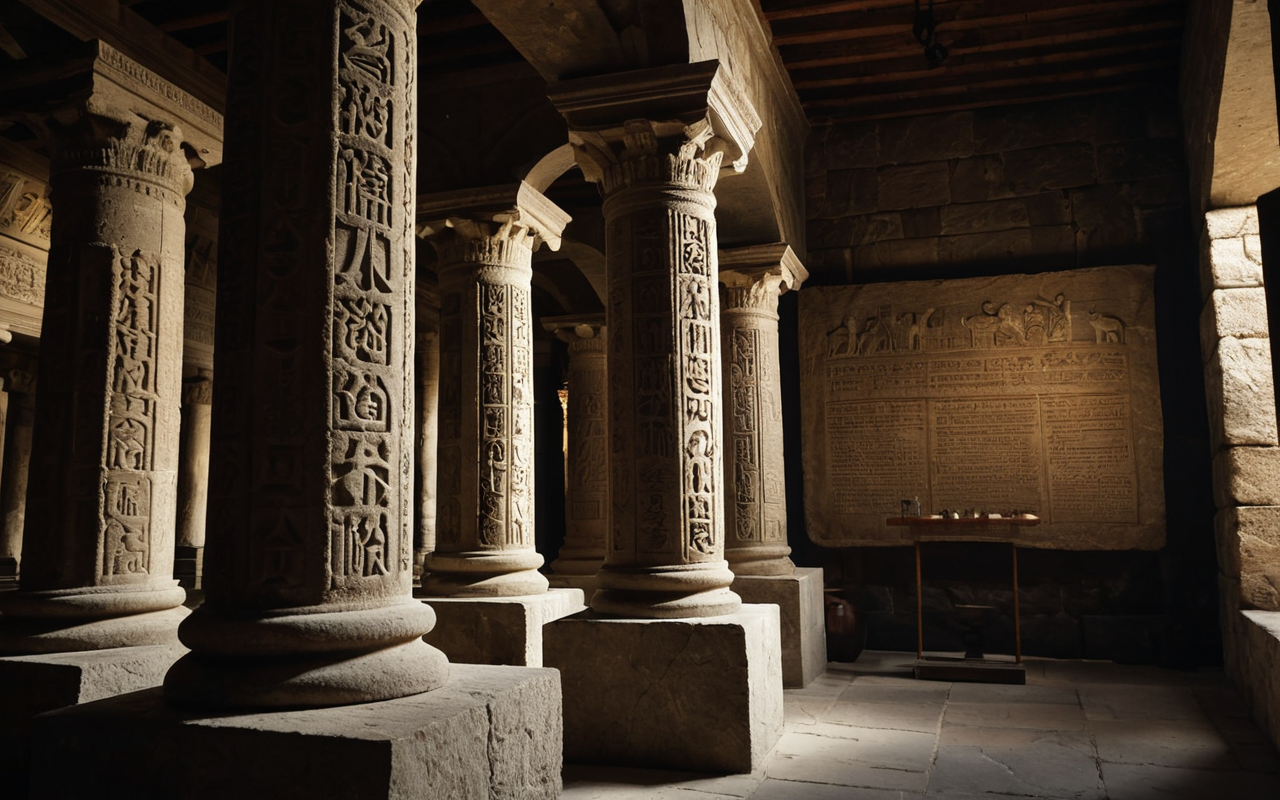
I mean, honestly, how often does a museum actually rewrite the textbook while you walk through the doors? Rarely. But here we are. The Ministry of Culture and Tourism joined forces with the Vorderasiatisches Museum. They did not just bring a few pots. They brought the cradle of civilization itself. Forty-four of these pieces have never seen the light of day before. Never. Not even in Şanlıurfa.
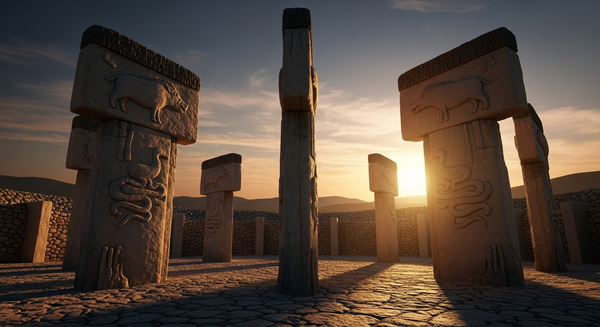
Look at the date. February 10th marked the start. The doors opened wide. Minister Mehmet Nuri Ersoy was there. He called it opening a door to where human history begins. That is a bold claim. But standing before these T-shaped pillars, you feel the weight of it. You feel the truth. It is not just a site. It is the zero point. The beginning.
Why Forty-Four New Artifacts Change Everything
Here is the thing most headlines miss. They focus on the number. Eighty-nine original artifacts. Four replicas. Isabel Muñoz's photos. Fine. But the forty-four new pieces? That is the shock. These objects were hidden. They were waiting. They hold the specific details of daily life that textbooks usually skip. They show the messy, real transition from hunter-gatherers to settled farmers.
We always think the story is simple. People farmed. Then they built cities. Then they prayed. Göbeklitepe laughs at that timeline. These artifacts prove ritual came first. The temples rose before the fields. The social structure formed before the surplus food. It flips the script. It turns history upside down. And these forty-four pieces? They show exactly how that flip happened.
I was struck by the sheer volume of detail. We are not just talking about big pillars. We are talking about figurines. We are talking about small stone tools. We are talking about carvings that hint at a complex belief system. The source mentions architectural shifts. It mentions artistic expressions. But the new artifacts show the hands-on work. The sweat. The belief. It is visceral.
Think about it. You walk into a gallery in Berlin. You see a carving from twelve thousand years ago. It is more precise than some modern art. It is more intentional. The people who made these things knew exactly what they were doing. They organized large groups. They moved massive stones. They did this without wheels. Without metal. Without written language. How? The new artifacts might hold the key.
The Isabel Muñoz Visual Bridge to the Past
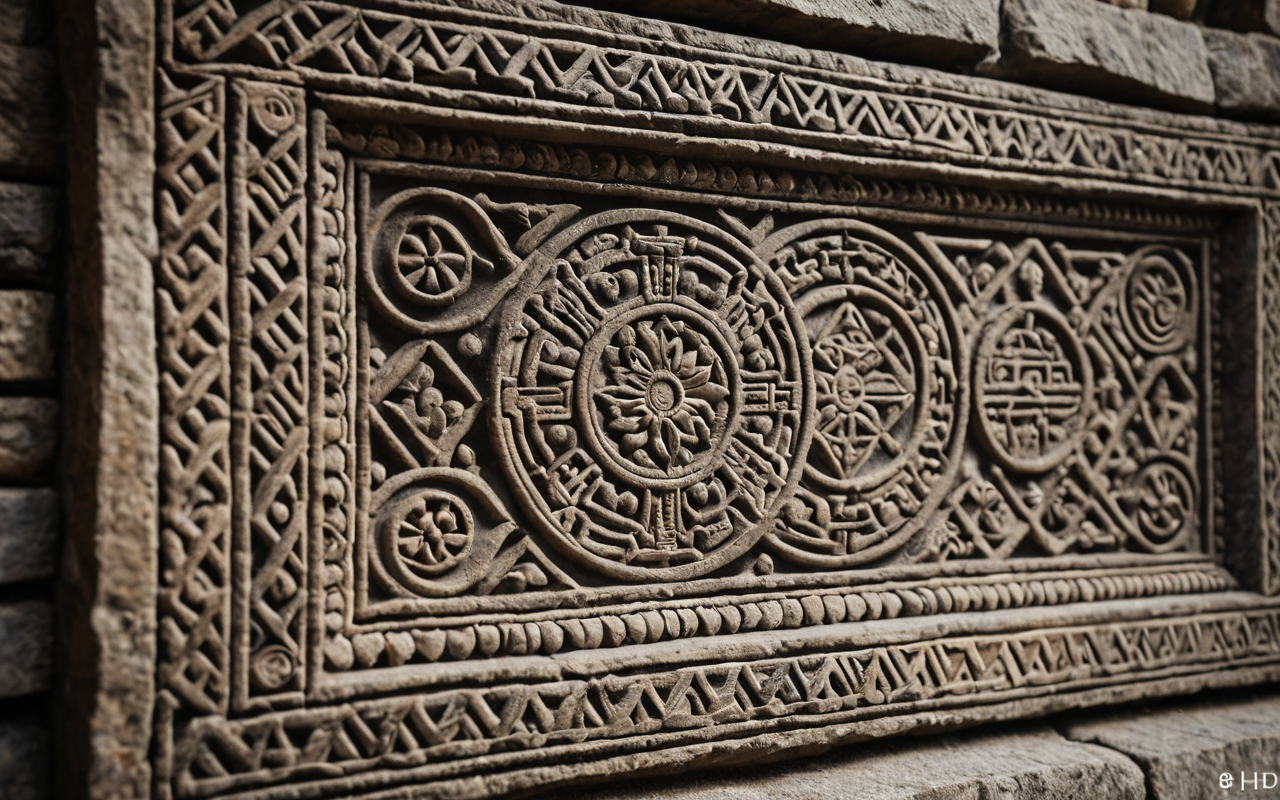
Then there is the photography. Isabel Muñoz brings the Stone Hills to life. She does not just point a camera at rocks. She finds the human trace. She looks for the light hitting a carving. She frames the texture of the stone. Her images in the exhibition add a layer of emotion. They bridge the gap between cold archaeology and warm human experience.
Why does this matter? Because stones can feel dead. They sit there. They are silent. But Muñoz's photos remind us that people lived here. People prayed here. People carved these faces into the rock. The exhibition pairs her modern lens with ancient hands. It creates a dialogue across twelve millennia. You see the past through a contemporary eye. It is powerful. It is necessary.
The Hidden Power of Early Social Organization
Let us talk about organization. We assume early humans were scattered. Small bands. Lone wolves. Göbeklitepe proves otherwise. The sheer scale of the site demands coordination. Hundreds of people. Moving tons of limestone. Aligning pillars with astronomical precision. Who gave the orders? Where was the central authority? The artifacts in Berlin hint at a complex social web. It was not a tribe. It was a network.
The exhibition calls it a holistic view. I call it a revelation. The shift from hunting to farming did not happen in a vacuum. It happened because people needed to feed the workers building the temples. Or maybe the temples inspired the farming. The causality is blurry. The new artifacts help clarify that blur. They show the tools of trade. The tools of ritual. The tools of daily survival.
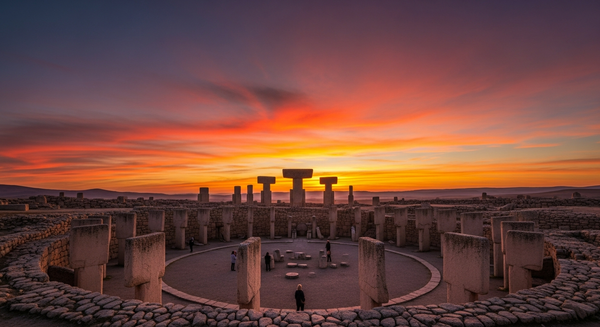
I honestly think we underestimate the spiritual drive of these early groups. They were not just trying to eat. They were trying to understand the universe. They were trying to connect with something bigger. The pillars face inward. They create a sacred circle. The art is not decorative. It is functional. It serves a purpose. The Berlin show makes that purpose clear. It was about belief. Pure and simple.
Look at the dates. The exhibition runs until July 19th. That gives Berliners a long time to ponder. It gives visitors a chance to stand in the shadow of the oldest temples on Earth. It forces a confrontation with our own assumptions. We think we are the peak of development. These stones say otherwise. They say the peak might have been here. Twelve thousand years ago. Before the cities. Before the noise.
What This Means for the Future of History
So where do we go from here? The Ministry says they are carrying the heritage of the Stone Hills to the world with determination. That is good. But it is also urgent. Sites like this are fragile. They are under pressure. Tourism. Weather. Time. Bringing the artifacts to Berlin is a victory. It is a preservation strategy too. It spreads the knowledge. It builds global support for local protection.
I believe this exhibition is a turning point. It is not just a show. It is a statement. It says Göbeklitepe is not just a Turkish treasure. It is a human treasure. It belongs to everyone. The forty-four new artifacts are the evidence. They are the proof. They show that the story of us starts here. In the dust. In the stone. In the quiet before the dawn of civilization.
You might wonder if you can go. If you are in Berlin, yes. Go. Stand there. Look at the stones. Feel the age. If you are not, the digital footprint is growing. The world is watching. The narrative is shifting. We are no longer just reading about the past. We are seeing it. We are touching it. The Berlin exhibition is the window. The view is breathtaking.
The implications are vast. Every school textbook might need a rewrite. Every theory about the rise of society needs a check. We assumed agriculture led to complexity. Göbeklitepe says complexity led to agriculture. Or at least, they grew together. The new artifacts in Berlin provide the nuance. They provide the missing links. They are the puzzle pieces we did not know we were missing.
I am not alone in this view. The archaeological community is buzzing. The media is covering it. The public is curious. This is rare. Ancient history usually stays in the labs. It stays in the papers. But Göbeklitepe breaks the mold. It grabs you. It demands attention. The Berlin show is the catalyst. It is the moment the zero point steps into the spotlight. And it stays there.
Think about the technology. No metal tools. No wheels. Just human hands and stone. Yet they built what they built. The skill is immense. The organization is staggering. The belief system is deep. The Berlin exhibition does not hide this. It highlights it. It places the artifacts in a way that emphasizes their ingenuity. You cannot help but be impressed. You cannot help but be humbled.
The Minister's words echo. He says we are opening a door to where history begins. I agree.
We keep seeing the same narrative of progress. Linear. Upward. But Göbeklitepe challenges that. It shows a different path. A spiritual path. A communal path. The artifacts in Berlin prove that early humans were not just surviving. They were thriving. They were creating. They were connecting. This is the story that needs telling. This is the story that matters.
The exhibition ends in July. But the impact lasts. The images will spread. The data will circulate. The theories will evolve. Göbeklitepe has already changed how we see the past. The Berlin show changes how we see the present. It reminds us that our roots are deep. That our origins are complex. That our history is shared. It is a gift. A rare gift. Use it well.
I will leave you with this. The stones are silent. But they speak. They speak of a time before kings. Before borders. Before the rush of modern life. They speak of unity. Of belief. Of the human spirit. The Berlin exhibition gives them a voice. Forty-four new voices. Listen to them. They have a lot to say. And we finally have the time to hear them.