This Sunken City Hides a Secret That Archaeologists Are Terrified to Admit
The Earthquake That Rewrote the Map
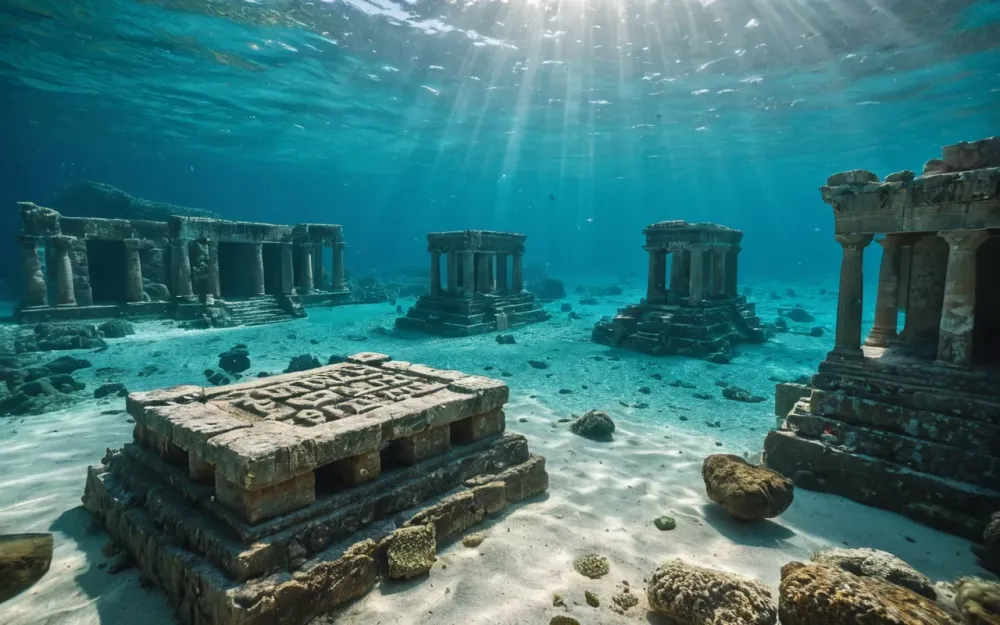
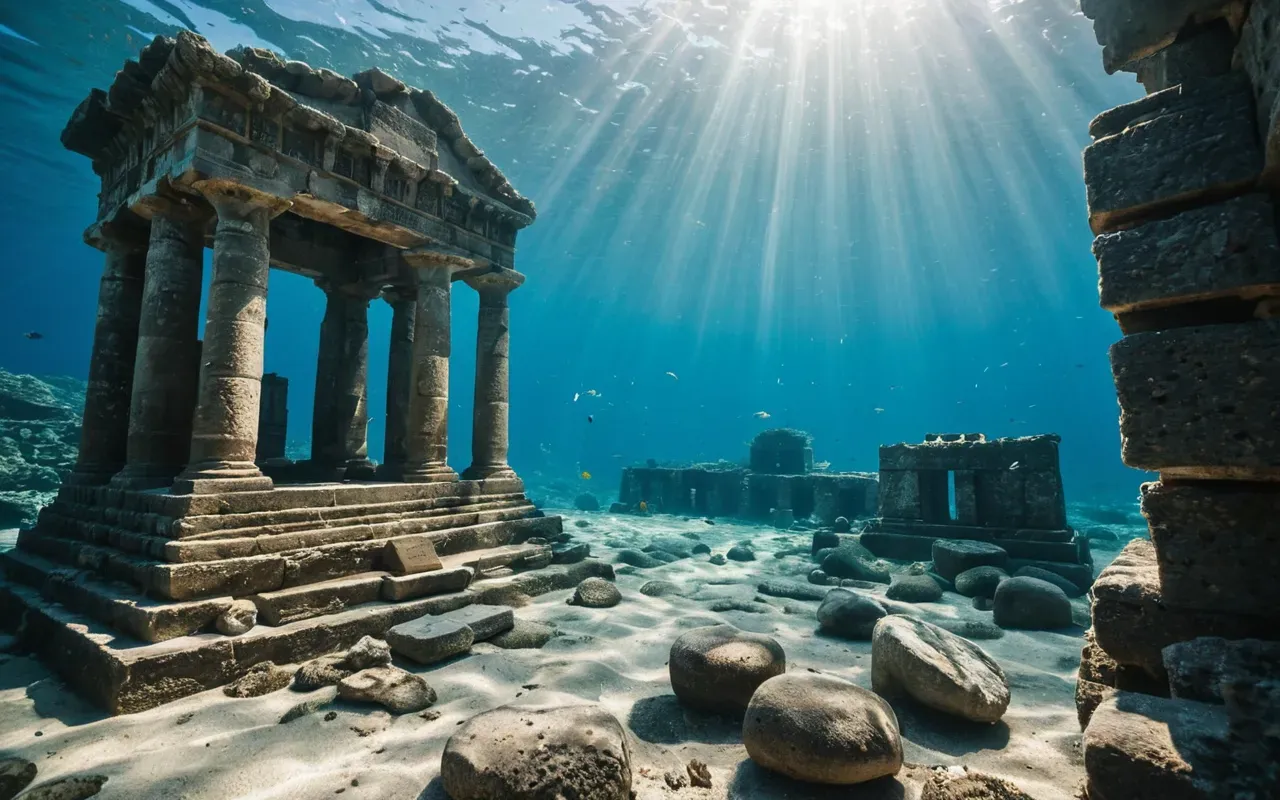
Look at the crystal-clear waters off the coast of Kekova island. Beneath that turquoise surface lies the ancient city of Simena. It is not a myth. It is real. And it was swallowed by the sea.
I was struck by the sheer scale of the collapse. This wasn't a gradual sinking. It was violent. Powerful earthquakes tore the land apart. Huge sections of the island simply dropped into the Mediterranean.
Most people think ancient cities stay on land. Simena proves them wrong. The earth shifted. The harbor filled with water. Homes vanished. It is a stark reminder of how fragile human civilization really is.
Why You Cannot Just Dive In
Here is the thing. You want to see it. I get it. But you can't swim over the ruins. It is strictly forbidden. UNESCO added this site to its Tentative List back in 2000.
Archaeologists are protective. The ruins are delicate. Diving could disturb artifacts. Pottery shards and ancient coins still lie on the seabed. We need to preserve this for future generations.
To be fair, it makes sense. The water is clear. You can see the foundations from the surface. But touching is off-limits. It is about respect for history. And for the science of archaeology.
The Lycians Who Built It
The Lycians were a formidable people. They built monumental tombs cut directly into the rock. They constructed stone sarcophagi that still stand today. Their culture left a deep mark on the coast.
Simena was not just a random village. It was a significant harbor town. The Lycians understood trade. They understood the sea. And they built a city that lasted for centuries before the quake.
Kaleköy: The Village That Remembers
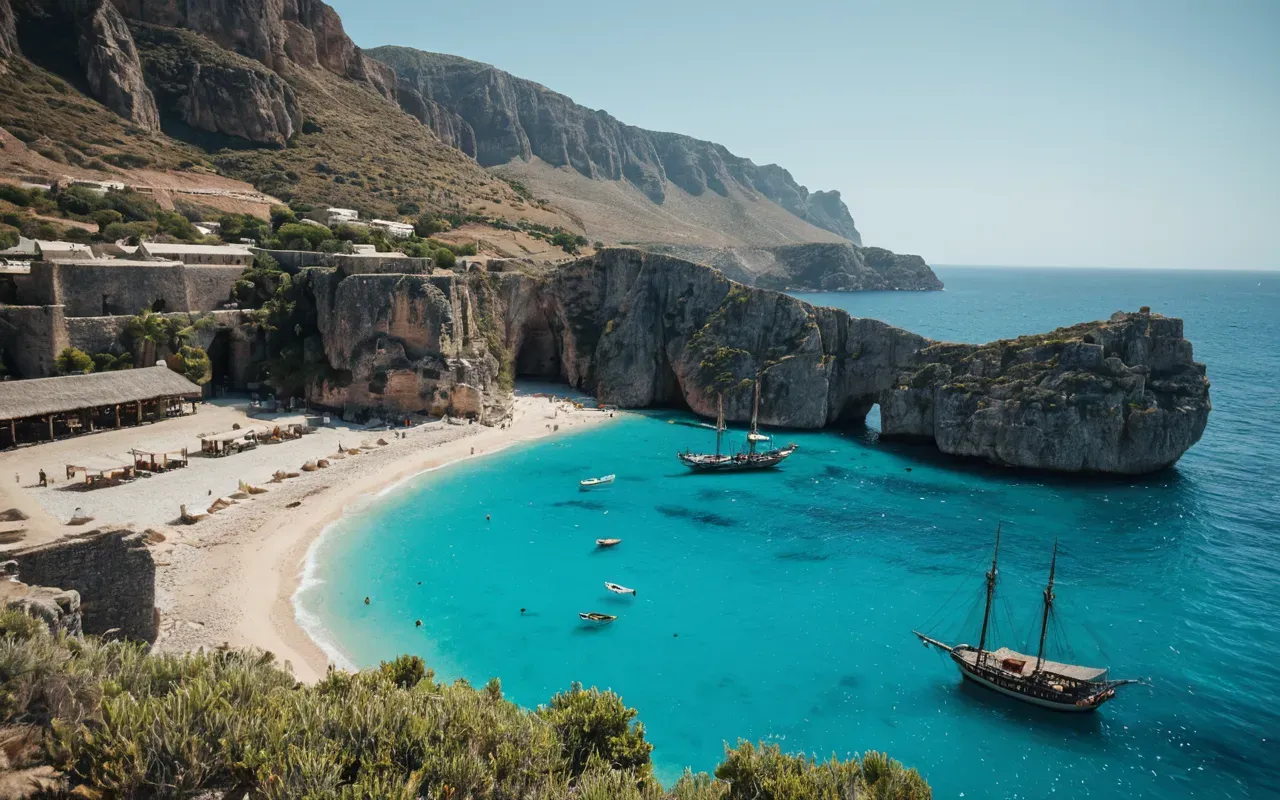
Across the bay sits Kaleköy. It is the modern successor to ancient Simena. The village is peaceful. It is accessible only by boat or on foot. It feels frozen in time.
A medieval fortress crowns the hillside. It offers breathtaking views of the bay. You can see the water where the city used to be. It is a haunting perspective.
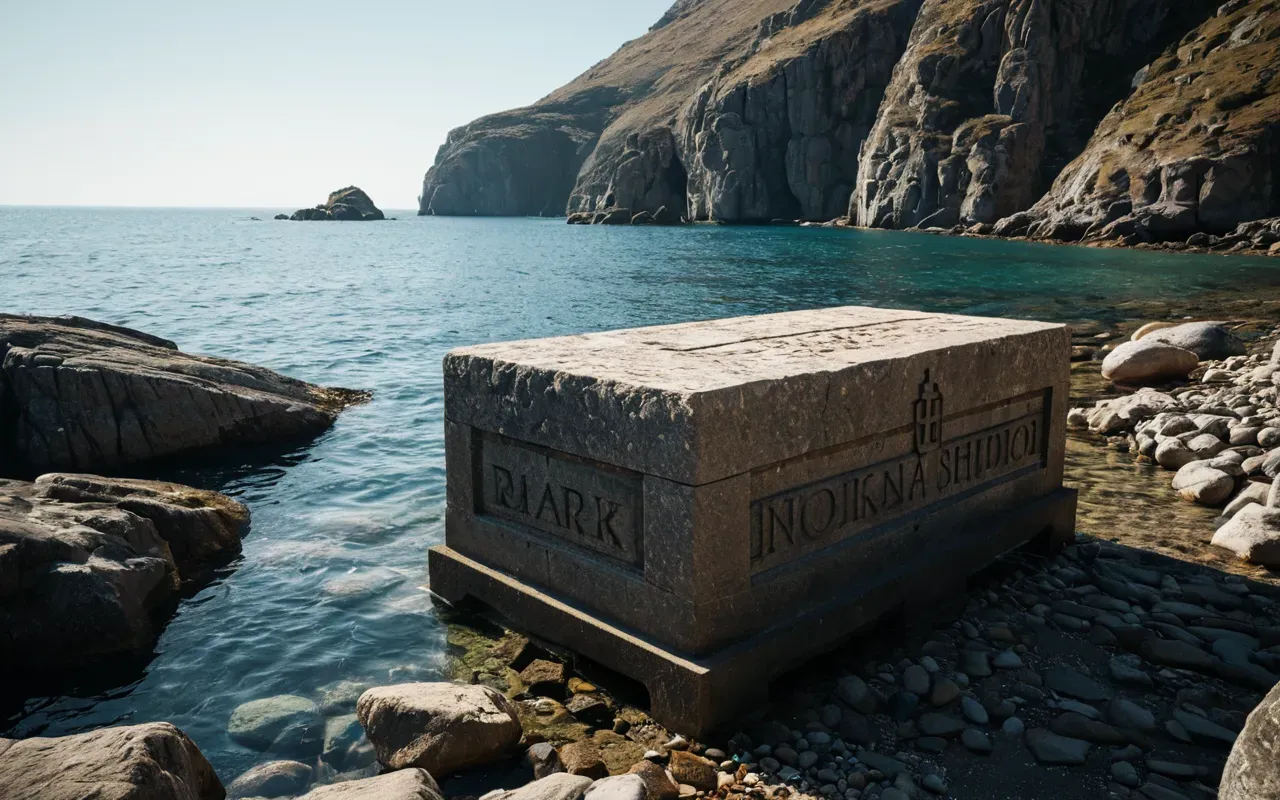
One sarcophagus rises directly from the water near the shore. It is iconic. It defies time. It defies the elements. It stands as a silent witness to what was lost.
How to Experience the Site
Most visitors take a boat from Üçağız. The tours are popular. You cruise along the coast. You admire the ruins from above. It is a respectful way to see the site.
Kayakers get closer. You can paddle near the ancient harbor. Some structures are just meters below. It feels intimate. It feels adventurous. But you still cannot touch the stones.
Hikers can follow the trail between Üçağız and Kaleköy. The path is scenic. It runs along the coast. It connects the past and present. It is a journey through history.
What Simena Tells Us About Göbeklitepe
We often think of
Simena shows us that civilizations rise and fall. The earth can swallow a city in moments. This mirrors the sudden shifts we see in the archaeological record of early human sites.
The belief systems of the Lycians were complex. They built tombs to honor the dead. They marked their land with stone. This echoes the ritualistic structures found at Göbeklitepe.
So why does this matter today? Because it reminds us of our vulnerability. We build. We thrive. Then the earth moves. History is not static. It is dynamic. And it is fragile.
The Unexpected Revelation from Göbeklitepe
If you are curious about
Simena is a physical reminder of that shift. The water rose. The land sank. The city changed. It is a powerful metaphor for how history is preserved and lost over time.
We learn so much from underwater sites. They are time capsules. The water preserves what air would destroy. Simena is a gift to archaeologists. It is a window into the past.
I was struck by the clarity of the water. It allows us to see the ruins without diving. It is a rare combination of beauty and history. It is a place that demands respect.
Why This Changes More Than People Think
Most travel guides skip the deeper meaning. They just list the sights. But Simena is more than a photo op. It is a lesson in geological power and human resilience.
The fact that it is on UNESCO's list shows its importance. It is not just a local curiosity. It is a global heritage site. It belongs to all of us. We must protect it.
So next time you think about visiting Turkey, consider Kekova. It is off the beaten path. It is quiet. It is profound. And it holds a secret that the sea keeps safe.
The sunken city of Simena is a testament to the past. It is a warning for the future. And it is a place that deserves our attention. Do not just look. Listen to what it tells you.
The Hidden Power of Göbeklitepe
For more on the spiritual significance of ancient sites, check out
Simena connects us to that ancient world. The Lycians built with stone. They honored their dead. They lived by the sea. Their story is written in the rocks and the water.
We are visitors here. The ruins will outlast us. The sea will keep its secrets. But for now, we can learn from them. We can marvel at them. We can respect them.
It is a powerful place. It is a humbling experience. And it is a reminder that history is always just beneath the surface. You just have to know where to look.
Final Thoughts on the Sunken City
I have seen many ancient sites. Few have left an impression like Simena. The contrast between the vibrant life above and the silent ruins below is striking. It is haunting.
The protection of the site is essential. We must not disturb it. We must not touch it. We must only observe. This is how we preserve history for the future.
Kekova is a jewel of the Mediterranean. It is a place of beauty and mystery. It is a place where the past and present meet. And it is a place that deserves your visit.
So pack your bags. Bring your curiosity. And be ready to be amazed. The sunken city of Simena is waiting. It has so much to tell us. We just need to listen.