Why the 12000-Year-Old Stones at Gobeklitepe Completely Flip Our History Books
The Great Reversal of Human History
We were all taught the same story in school. First, humans survived as hunter-gatherers. Then, we discovered farming. Once we had crops, we settled down. Villages grew into cities, and civilization slowly bloomed from the soil. It sounds logical. It feels safe.
But what if the whole timeline is backwards. What if the urge to create meaning came before the need to plant seeds. The stones at Göbeklitepe scream this possibility without making a sound. They are heavy, ancient, and completely disruptive to our comfortable narratives.
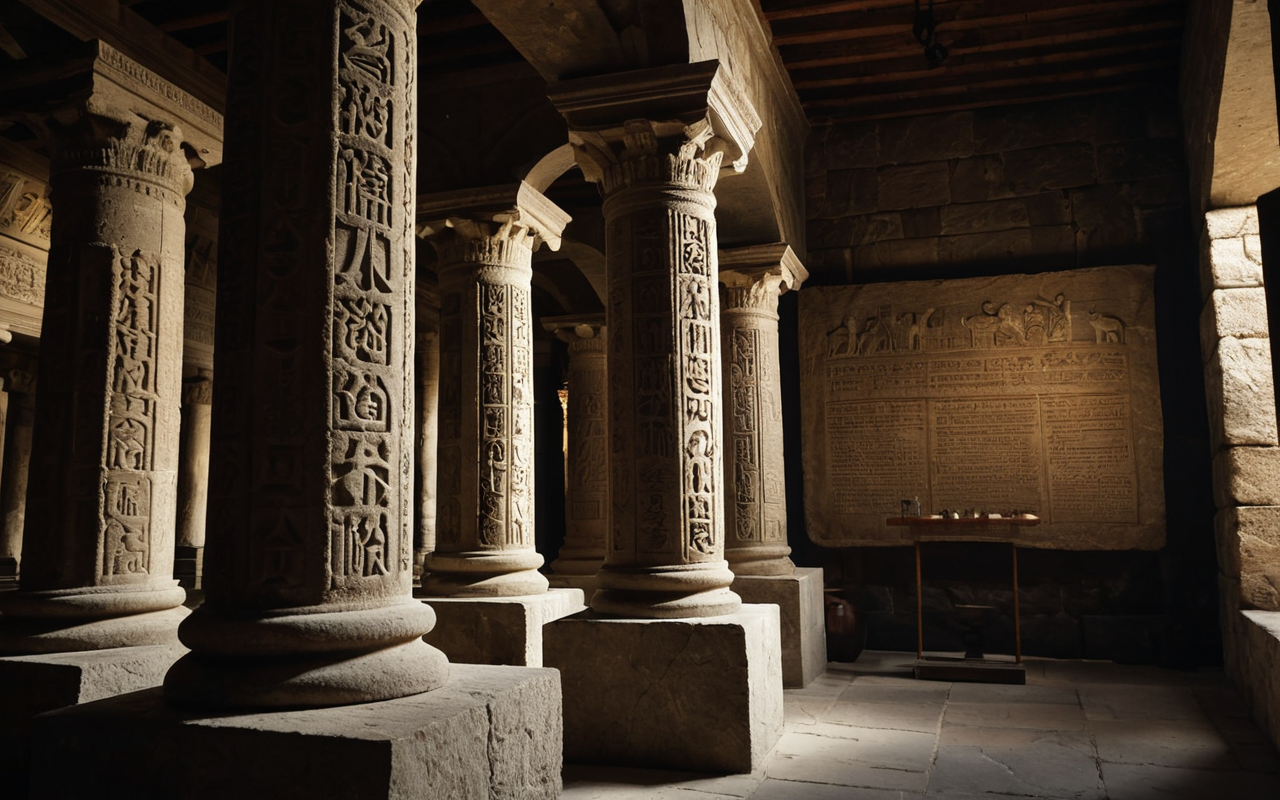
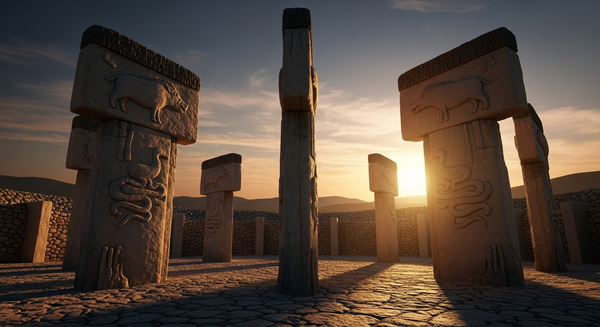
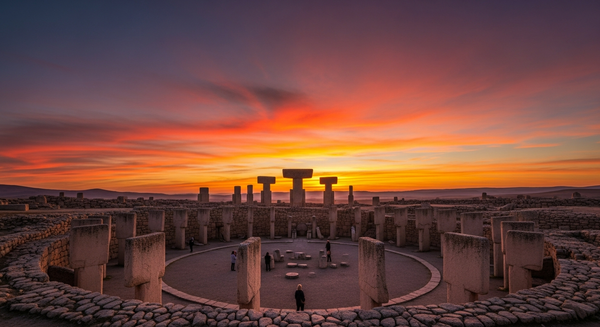
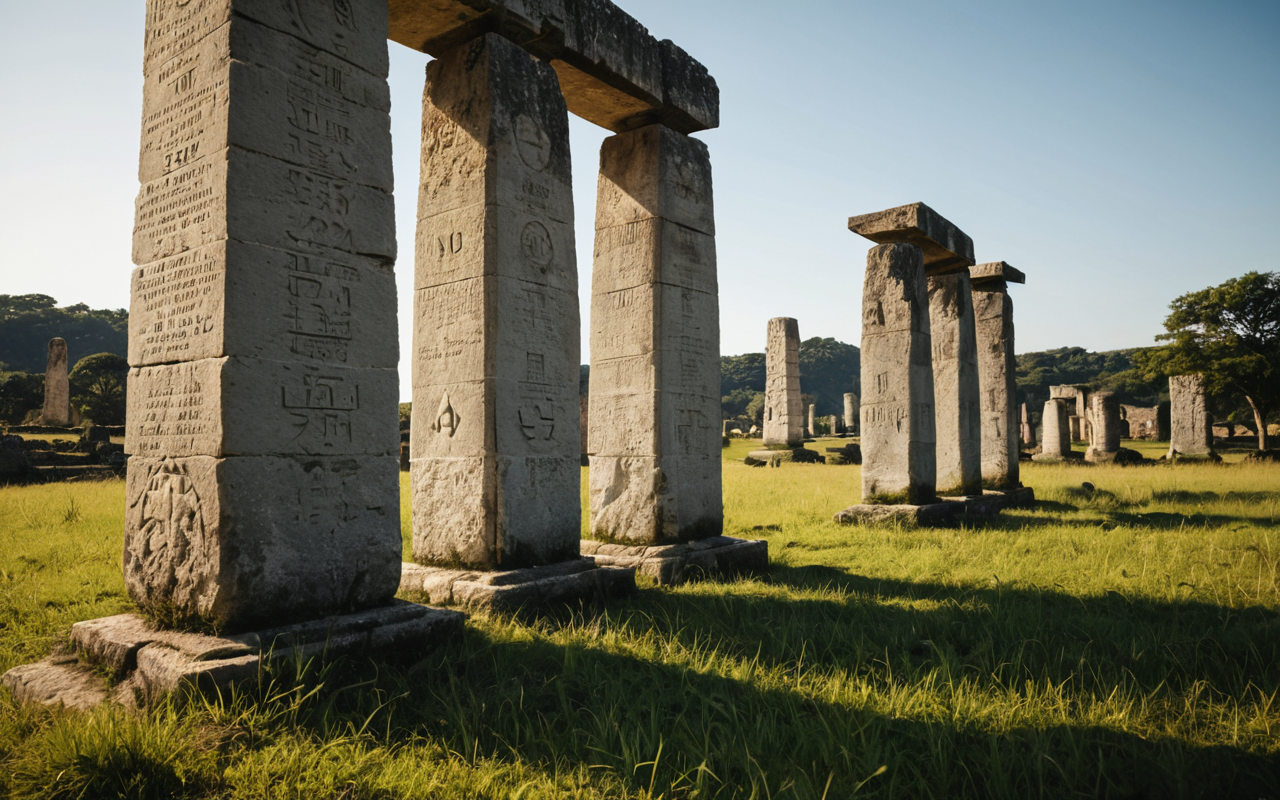
Twelve thousand years ago, the world looked entirely different. There was no pottery to store grain. Metal tools were nowhere in sight. Yet, people gathered on the Anatolian plateau. They quarried massive T-shaped pillars from bedrock. They dragged tons of stone across the landscape. They planned and built with a precision that baffles modern experts.
The Berlin Exhibition Changes Everything
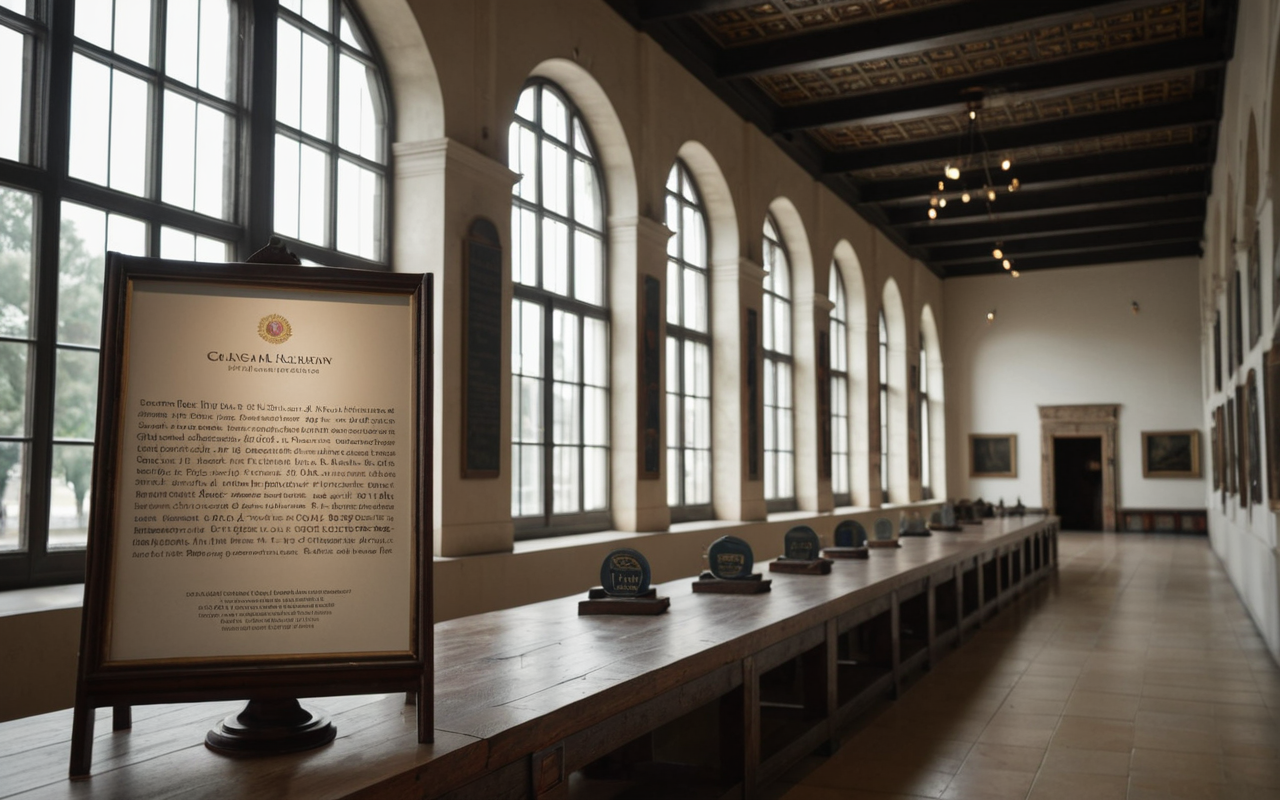
Right now, a major shift is happening in public perception. The James Simon Galerie in Berlin is hosting a groundbreaking exhibition. It runs until July 19. The show features 89 artifacts. Forty-four of them have never been displayed before. Four are high-quality replicas of fragile originals.
The exhibition title is telling. It is called The Discovery of Society. This phrasing is not an accident. It implies that society was an invention, not an inevitability. It suggests that our ancestors actively chose to come together. They built these spaces to define what it meant to be human.
I find this framing incredibly powerful. It moves the narrative away from simple survival. It places human connection and ritual at the center. If you can see this exhibition, do it. It brings the stone mounds of Southeastern Anatolia into sharp, undeniable focus for a global audience.
The Stone Mounds Are Not an Accident
For a long time, Göbeklitepe felt like a lone miracle. It seemed isolated. But recent excavations have shattered that illusion. The Stone Mounds Project has uncovered a network of settlements. Karahantepe, Sayburç, Sefertepe, and others are part of this web. This is not a random cluster. It is a region.
Karahantepe is particularly fascinating. It sits near Göbeklitepe. The structures there are more complex. The sculptures are deeply three-dimensional. The spaces connect in ways that suggest daily living and shared rituals. It proves that Göbeklitepe was part of a broader cultural movement.
Look at the scale of this network. It spans about 200 kilometers. People shared a common language of symbols. They understood animals, spirits, and cosmology in similar ways. This shared belief system bound them together. It was stronger than any modern government.
Why This Challenges Our Modern Assumptions
We live in a world obsessed with technology and efficiency. We assume progress is a straight line. But these ancient sites challenge that view. They show that human development is not just about tools. It is about ideas. The ability to mobilize labor without a state is a profound mystery.
How did they do it. There were no kings. There were no written laws. Yet, they moved stones weighing tons. They carved intricate reliefs of foxes, snakes, and vultures. This level of coordination requires a deep social contract. It requires trust. It requires a shared vision of the future.
I often wonder what held them together. Was it fear. Was it hope. Or was it something else entirely. The artifacts suggest a complex spiritual life. They believed in a world full of agents, both human and non-human. This worldview likely provided the glue for their communities.
The Living Culture of Sanliurfa
Visiting these ancient sites is only half the experience. You must also immerse yourself in the living culture of Şanlıurfa. The city bridges millennia. It connects the Neolithic past to the present. The food, the music, and the daily rhythms tell a continuous story.
The cuisine here is bold and distinct. Locals love spice, but they keep the meat mild. The heat comes from the side. Isot pepper is the soul of the meal. It enhances the flavor rather than masking it. This balance reflects a deeper cultural philosophy.
Food is not just fuel here. It is a ritual. Sharing a meal is an act of community. You will find that künefe is called peynirli kadayıf. Liver is a normal breakfast item. These quirks show a strong regional identity. They are proud of their traditions.

In the evenings, the city comes alive with music. Sıra gecesi gatherings bring people together. They sing, talk, and share stories. It might seem touristy now, but the core remains authentic. It is about connection. It is about being together in the dark.
A Journey Through Time
Stepping out of Göbeklitepe and back into Şanlıurfa feels like a time jump. You move thousands of years forward. Yet, the geography remains the same. The hills, the sky, and the earth feel familiar. This continuity is striking. It grounds the ancient past in the present.
The region is also deeply tied to later religious history. It is considered a cradle of monotheism. The stories of Prophet Ibrahim are woven into the landscape. The Harran Plain and its cone-roofed houses add another layer. This is a land of profound spiritual significance.
Harran was once a major crossroads. Caravans passed through. Scholars debated astronomy and philosophy. Different faiths coexisted. This history of exchange adds depth to the Neolithic roots. The search for meaning that began at Göbeklitepe continues here in new forms.
Planning Your Own Encounter with the Past
If you decide to go, take your time. Do not rush. These sites demand reflection. You need space to let the scale sink in. A quick photo op will not do it justice. I recommend spending at least two to four days in the region.
Göbeklitepe needs a half-day at minimum. If you add Karahantepe, plan for a full day. The Şanlıurfa Archaeology Museum deserves time too. The city center, the bazaar, and Balikligöl will take another half-day. Harran and Soğmatar add more. It is a lot to cover.
Spring and autumn are the best times to visit. The weather is mild. Summer can be brutally hot. Early morning visits are essential then. Flights from major cities make access easier. Local tours offer the best way to navigate the area.
This trip is not just about sightseeing. It is about questioning your own place in history. You will leave with more questions than answers. And that is the point. The stones invite us to think deeper. They remind us that we are part of a long, continuous story.
Civilization did not just appear. It was thought through. It was shared. It was carved into stone. When you look at those pillars, you are looking at the birth of human complexity. You are looking at the moment we decided that meaning matters more than mere survival.
The Berlin exhibition proves that this story is ready for the world. It is no longer a secret buried in the earth. It is a vibrant part of our shared heritage. Understanding this changes how we see ourselves. It changes how we see our capacity for community.
So, when you hear about Göbeklitepe, do not just think of old rocks. Think of the people who built them. Think of their beliefs. Think of their ability to come together without force. That is the real mystery. And it is a mystery that is only just beginning to be solved.
If you are curious about the surprising truth about Göbeklitepe, this site is the perfect starting point. It holds the key to understanding our earliest collective efforts. It shows that we have always been social creatures. We have always needed each other.
The narrative that farming created society is crumbling. Society created farming. We needed a reason to stay. We needed a place to belong. The stones provided that anchor. They gave us a home before we had houses. That is a profound shift in perspective.
I was struck by the sheer ingenuity of the builders. They had no wheels. They had no metal. Yet they achieved architectural feats that still amaze us. Their knowledge was passed down through generations. It was a slow, steady accumulation of skill and wisdom.
This challenges the idea of sudden progress. History is not a series of jumps. It is a flow. The Stone Mounds show a gradual intensification of social life. It was a process. And we are only now beginning to map it out.
The artifacts in Berlin are just the beginning. There are thousands more underground. Each season brings new discoveries. The sealed human figurines. The stone beads. Each find adds a new layer to the story. It is an ongoing excavation of our own origins.
We often feel disconnected from the past. But here, the connection is visceral. The same sky watches over us. The same earth holds our feet. The desire for meaning is the same. We are just using different words to describe it now.
So, go see it. Or at least look closely at the images. Let the stones speak to you. They have been waiting twelve thousand years. They have a lot to say. And they are finally being heard.
If you want to dive deeper, check out why archaeologists think Göbeklitepe was actually a home. It adds another dimension to the debate. It suggests that these spaces were not just temples. They were places of daily life and intimacy.
The implications are huge. If these were homes, then the sacred and the profane were not separate. They were woven together. Ritual was part of everyday existence. This blurs the lines we like to draw today. It makes the past feel much more human.
We like to compartmentalize. We separate work from play. We separate religion from state. But our ancestors did not. Their world was integrated. The stones reflect that integration. They are both structural and symbolic. They hold up the roof and the spirit.
This perspective helps us understand the resilience of human culture. We adapt. We build. We find ways to make sense of the chaos. Göbeklitepe is a testament to that resilience. It is a monument to our ability to create order out of nothing.
The Berlin exhibition is a chance to see this up close. It brings the dust and the stone into a clean, modern space. The contrast is jarring. It highlights the distance we have traveled. But it also shows how much we have lost in translation.
We have lost the language of the symbols. We do not know what the foxes or the vultures meant. We can only guess. But the emotion remains. The awe is still there. That is enough. We do not need to know everything to feel the power.
So, as you read this, think about your own search for meaning. How do you build community today. What anchors you. The stones at Göbeklitepe offer a mirror. They reflect our deepest needs. They show us that we have always been looking for something more.
That is the real story. It is not just about stones. It is about us. It is about the enduring human spirit. And that is a story worth telling. It is a story worth hearing. And it is a story that is far from over.
For more insights, see Göbeklitepe's secret rewrites humanity's spiritual origins. It explores the deeper metaphysical questions raised by the site. It suggests that our spiritual roots run much deeper than we thought.
The world is changing. We are facing new challenges. But the lessons from the past remain relevant. We need community. We need meaning. We need to build things together. The stones remind us of that. They stand as a silent witness to our shared humanity.
In the end, Göbeklitepe is not just a ruin. It is a beacon. It shines a light on our origins. It shows us where we came from. And in doing so, it helps us understand where we are going. We are still building. We are still searching. And we are still together.
This is the power of archaeology. It is not just digging. It is understanding. It is connecting. It is finding ourselves in the dust of the past. And that is a gift. A gift that Göbeklitepe offers to the world.
So, take the time. Read the articles. Watch the documentaries. And if you can, go there. Stand in the circle. Feel the weight of the stone. And let it change your perspective. It might just change your life.
The stones are speaking. Are we listening. I hope so. Because the message is clear. We are not alone. We never were. And we never will be. That is the greatest discovery of all.
The Berlin exhibition ends soon. But the story continues. New digs are happening. New theories are forming. The mystery deepens. And we are right there with it. We are part of the story now.
This is history in the making. We are the witnesses. We are the interpreters. And we are the inheritors. What we do with this knowledge is up to us. Let us use it to build a better future. Just as they did twelve thousand years ago.
The stones are silent. But they are loud. They shout about our capacity for greatness. They shout about our need for connection. They shout about the power of belief. And that is a message worth hearing. It is a message worth sharing.
So, share this story. Tell your friends. Talk about it. Let it spark a conversation. Because understanding our past is the key to unlocking our future. And the future is bright. If we learn from the stones.
The journey does not end here. It continues in every mind that opens to it. In every heart that feels the awe. In every step taken toward understanding. Göbeklitepe is a door. And we are just beginning to walk through it.
So, keep looking. Keep asking. Keep wondering. The stones are waiting. And they have so much more to tell. We just have to be ready to listen. And to learn. And to grow.
This is the power of Göbeklitepe. It is not just a site. It is a movement. It is a shift in consciousness. And it is happening now. Right here. Right now. We are living in the age of Göbeklitepe.
And that is something to celebrate. It is something to cherish. And it is something to explore. So, go ahead. Explore. Discover. And let the stones guide you. They know the way.
The past is not dead. It is alive. It is breathing. It is waiting for us. And when we meet it, we find ourselves. That is the magic of Göbeklitepe. And that is why it matters.
So, embrace the mystery. Embrace the wonder. And embrace the truth. The truth that we are connected. The truth that we are part of something bigger. And the truth that it all started with a stone.
A single stone. A single act of creation. A single moment of connection. That is all it took. And it changed everything. It changed us. And it changed the world. Forever.
So, let us honor that moment. Let us honor those builders. And let us honor ourselves. We are their descendants. We carry their legacy. And we carry their hope. Let us not let it down.
The stones are silent. But their message is loud. It is clear. And it is urgent. We must come together. We must build. We must create. And we must find meaning. That is the lesson of Göbeklitepe.
And it is a lesson we cannot afford to ignore. The world needs this. We need this. And Göbeklitepe provides it. It provides a foundation. It provides a starting point. And it provides a beacon.
So, let us listen. Let us learn. And let us act. The stones are watching. And they are waiting. For us to rise. For us to build. And for us to shine. Let us not disappoint them.
This is our moment. This is our time. And this is our chance. To honor the past. To shape the future. And to find our place in the story. Göbeklitepe gives us the tools. We just have to use them.
So, go ahead. Take the first step. Read the story. Watch the video. And then, go see it for yourself. It will change you. I promise. It changed me. And it will change you too.
The stones are calling. Can you hear them. I can. And I think you can too. So, answer the call. Come to Göbeklitepe. And discover who you really are. It is waiting for you.
This is not just a trip. It is a transformation. It is a journey into the soul of humanity. And it is a journey worth taking. So, pack your bags. Book your flight. And get ready to be amazed.
The world is big. But Göbeklitepe is small. It is intimate. It is personal. And it is powerful. It holds the key to our past. And it holds the key to our future. Let us unlock it together.
So, let us go. Let us explore. And let us learn. The stones are waiting. And they have so much to teach us. We just have to be open to it. And to each other. And to the world.
This is the power of Göbeklitepe. It brings us together. It connects us. And it reminds us of who we are. We are builders. We are dreamers. And we are seekers. And we always will be.
So, let us embrace that. Let us celebrate it. And let us share it. The stones are our legacy. And they are our gift. Let us honor them. And let us honor ourselves. Together.
The story of Göbeklitepe is our story. It is the story of us. And it is a story that is still being written. We are the authors. And we are the characters. Let us write a good one.
So, let us begin. Let us start here. With a stone. With a thought. And with a hope. That we can build a better world. A world that honors the past. And embraces the future. Together.
Göbeklitepe is the proof. It is the evidence. And it is the inspiration. Let us use it. Let us learn from it. And let us grow from it. We can do it. We have to do it. And we will do it.
The stones are silent. But they are strong. They are enduring. And they are hopeful. They believe in us. And they believe in our potential. Let us not let them down. Let us rise to the occasion.
So, let us go. Let us explore. And let us discover. The world is waiting. And Göbeklitepe is waiting. And the stones are waiting. Let us not keep them waiting. Let us go now.
This is our time. This is our moment. And this is our chance. To make a difference. To make a change. And to make a mark. Let us do it. For us. For them. And for the future.
The stones are our guide. They are our teacher. And they are our friend. Let us listen to them. Let us learn from them. And let us love them. They are part of us. And we are part of them.
So, let us embrace them. Let us welcome them. And let us celebrate them. They are the foundation of our history. And they are the foundation of our future. Let us build on them.
Göbeklitepe is the key. It unlocks our past. And it unlocks our potential. Let us use it. Let us explore it. And let us share it. With the world. With each other. And with ourselves.
This is the power of Göbeklitepe. It is the power of connection. The power of meaning. And the power of hope. Let us harness it. Let us use it. And let us share it. Together.
So, let us go. Let us explore. And let us discover. The stones are waiting. And they have so much to tell. We just have to listen. And to learn. And to grow. Together.
This is our story. It is the story of us. And it is a story that is still being written. We are the authors. And we are the characters. Let us write a good one. For us. For them. And for the future.
Göbeklitepe is the proof. It is the evidence. And it is the inspiration. Let us use it. Let us learn from it. And let us grow from it. We can do it. We have to do it. And we will do it.
The stones are silent. But they are strong. They are enduring. And they are hopeful. They believe in us. And they believe in our potential. Let us not let them down. Let us rise to the occasion.
So, let us go. Let us explore. And let us discover. The world is waiting. And Göbeklitepe is waiting. And the stones are waiting. Let us not keep them waiting. Let us go now.
This is our time. This is our moment. And this is our chance. To make a difference. To make a change. And to make a mark. Let us do it. For us. For them. And for the future.
The stones are our guide. They are our teacher. And they are our friend. Let us listen to them. Let us learn from them. And let us love them. They are part of us. And we are part of them.
So, let us embrace them. Let us welcome them. And let us celebrate them. They are the foundation of our history. And they are the foundation of our future. Let us build on them.
Göbeklitepe is the key. It unlocks our past. And it unlocks our potential. Let us use it. Let us explore it. And let us share it. With the world. With each other. And with ourselves.
This is the power of Göbeklitepe. It is the power of connection. The power of meaning. And the power of hope. Let us harness it. Let us use it. And let us share it. Together.
So, let us go. Let us explore. And let us discover. The stones are waiting. And they have so much to tell. We just have to listen. And to learn. And to grow. Together.