Five million people just walked into a prehistoric room in Rome
The quiet revolution hiding in plain sight at the Colosseum
Five million people just walked into a room that is , years old. Let that sink in for a second. That number says everything about how hungry we are to touch the past.
I'll be honest — that stat stopped me cold when I first saw it. This isn't some niche academic crowd. These are ordinary people, from every corner of the world, who chose to spend an afternoon with prehistoric stones.
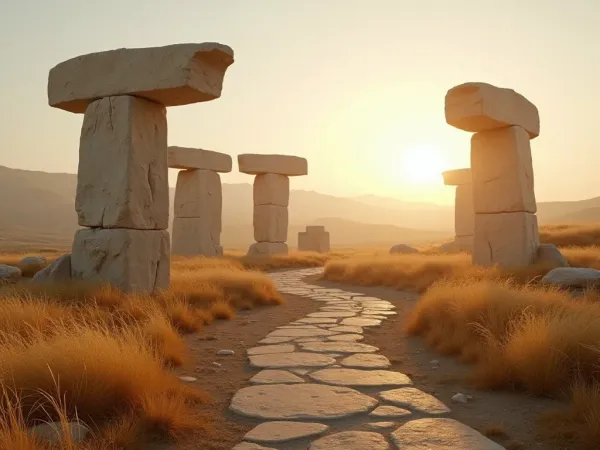
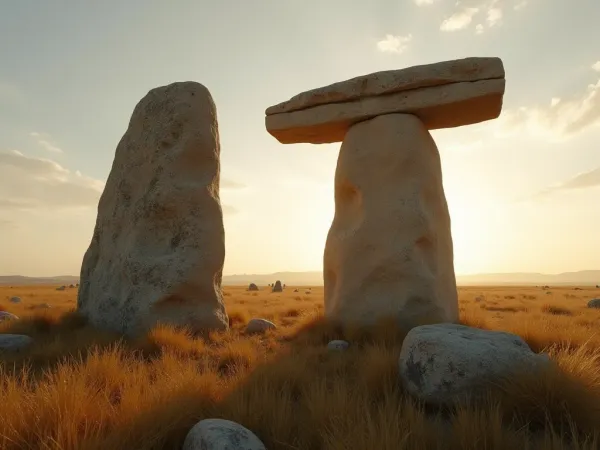
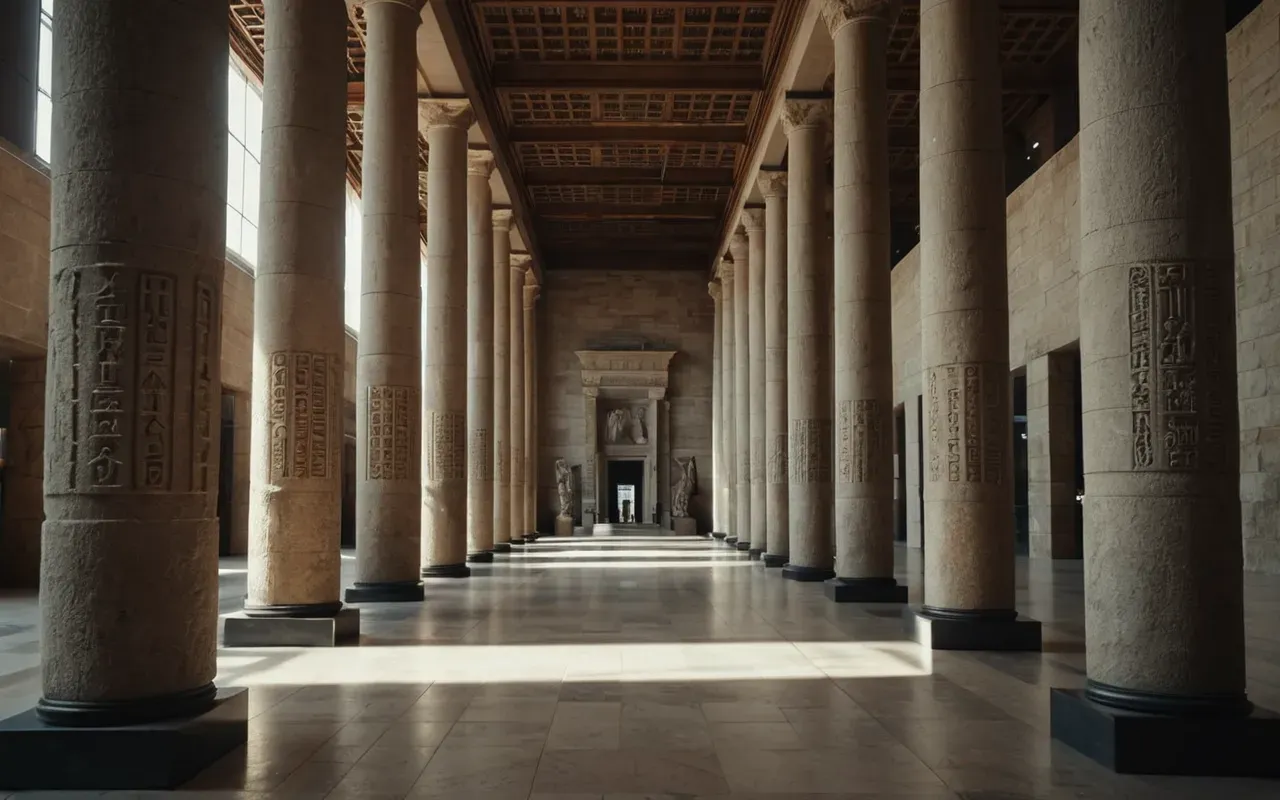
The exhibition is called “Göbeklitepe: The Enigma of a Sacred Place.” It sits right inside the Colosseum Archaeological Park. And that placement? Nothing random about it.
It's a statement. We're putting the oldest known monumental structure on earth inside a space famous for its grandeur — and daring you to compare them.
Why five million visitors changes everything about how we tell stories
Here's what nobody says out loud enough. Museums aren't warehouses for old things anymore. They've become engines of cultural memory and identity.
When a site like Göbeklitepe pulls this kind of crowd in Rome, it tells you the past isn't dead. It's actively shaping how people see themselves right now.
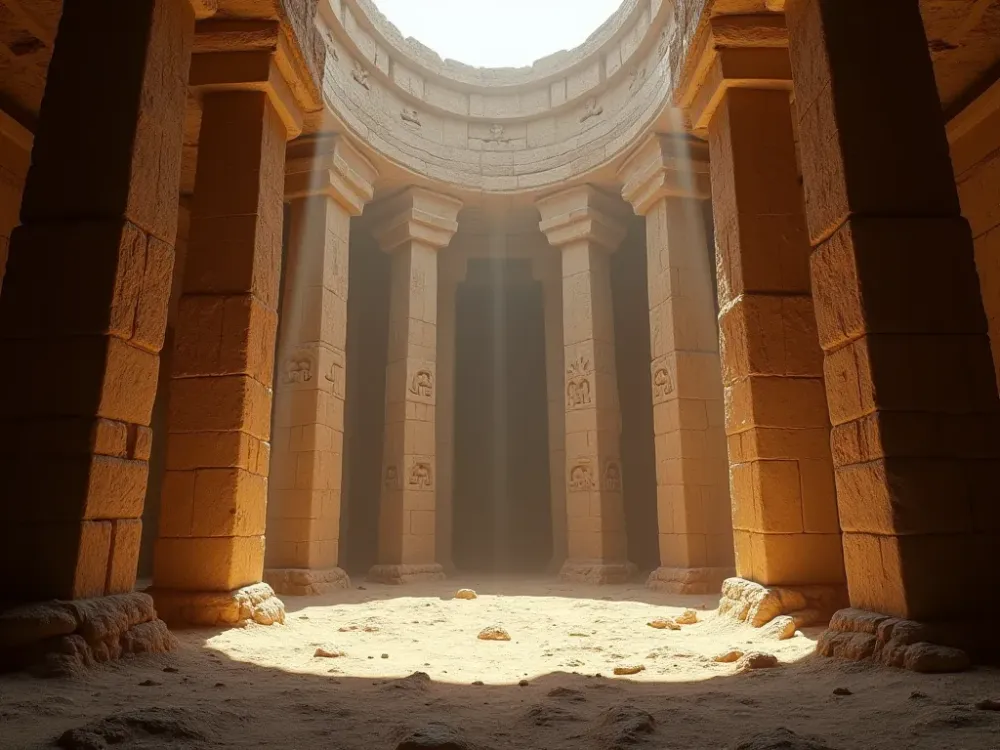
I've walked through a lot of exhibitions in my life. Few have felt this urgent. The D reconstructions and virtual tours make something ancient feel immediate.
That bridges a gap we used to think was impossible. You can stand in and feel the weight of BC without leaving your city.
The hidden cost of making ancient history accessible to the masses
But let's not pretend this is all sunshine and applause. There's a real tension here, and we should talk about it honestly.
Pull five million people into one space and the wear and tear on cultural assets is real. Even when it's just replicas.
We're trading a bit of quiet scholarly space for loud public engagement. Is that the right trade? Honestly, I don't know.
On one hand, global awareness. On the other, the risk of turning deep history into a quick social media moment.
The people who built those stones didn't do it for our Instagram stories. Then again — maybe they'd be stunned we're still talking about them.
What this means for the future of archaeological sites worldwide
This Rome success is a blueprint. It proves that if you make the past feel personal and immediate, people will show up.
I think we'll see more of this in the coming years. Sites that used to be remote will find new ways to reach global audiences.
The key isn't just showing objects. It's telling a story that resonates with modern life. That's where the real power lies.
How to experience this kind of history without losing its depth
If you get the chance to visit a place like this, slow down. Don't just walk through and snap a photo.
Stand in front of the replicas. Think about what it took to move those stones. Imagine the hands that shaped them.
Ask yourself why we still care about people who lived before writing existed. The answer will surprise you.
The quiet power of a well told ancient story in the modern world
We keep seeing this pattern. The more we share these stories, the more they come alive for us.
It's not just about knowing facts. It's about feeling connected to the people who came before us in a very real way.
I believe that's why this exhibit hit such a nerve. It reminded us that we're part of something much bigger.
So the next time you hear about an old site, remember. It's not just a ruin. It's a mirror.