Why Netflix Ancient Civilization Shows Skip The Oldest Builders
The Streaming Bias That Erases The First Builders
Maybe you've seen one of those documentaries about the Pyramids of Giza. Gorgeous shots. Music swelling while cranes lower massive blocks into place.
Except here's what bugs me. Those films skip an entire chapter. They jump straight from Stone Age spears to Bronze Age cities, like nothing happened in between.
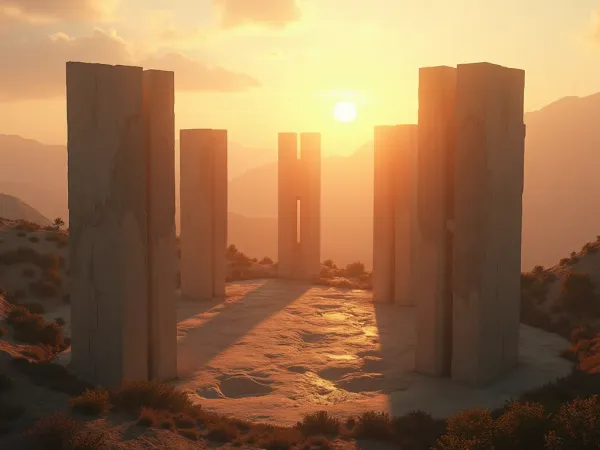
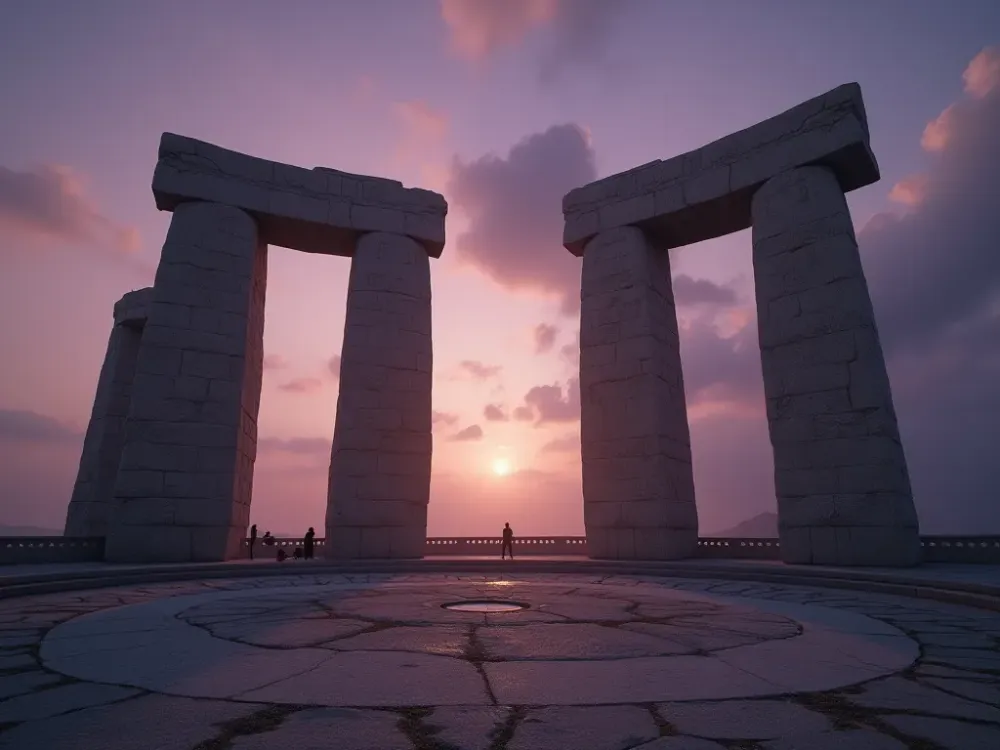
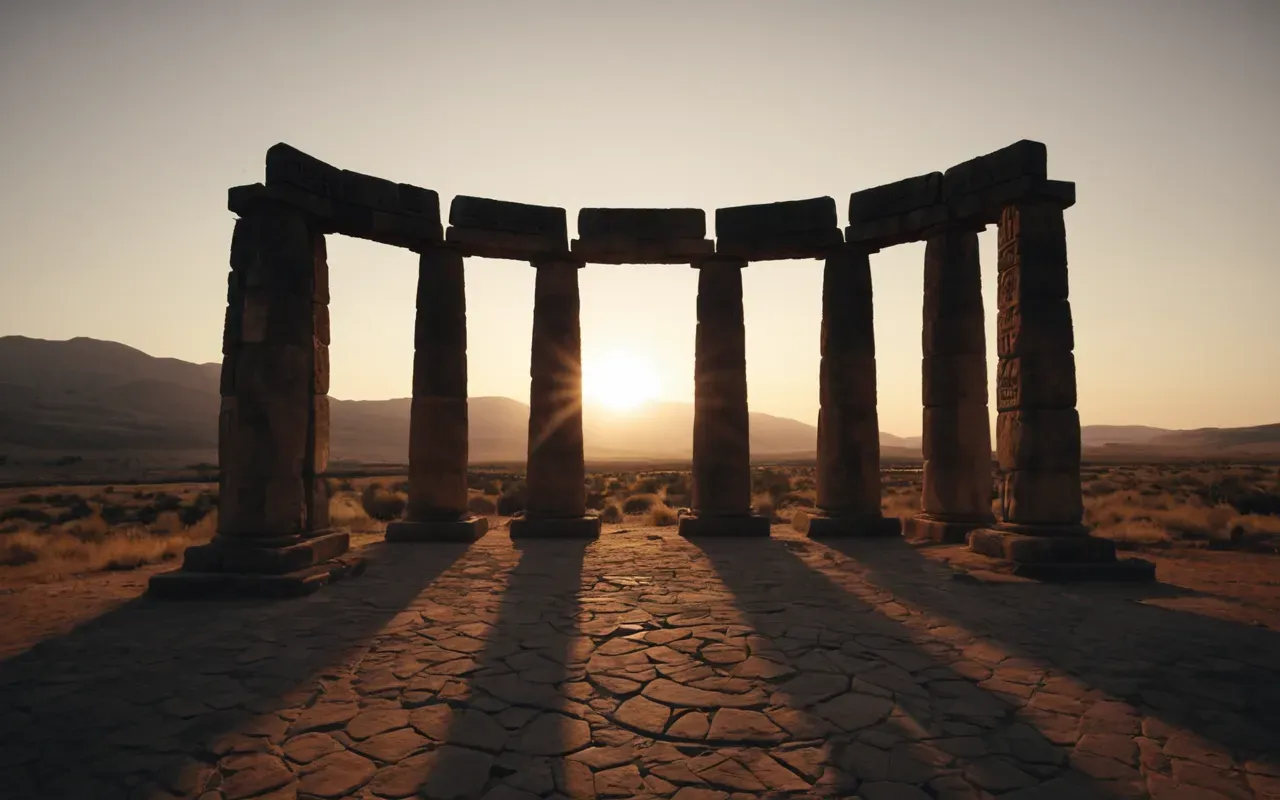
But something did. A site sits in that gap that honestly defies logic: towering T-shaped pillars carved with animal reliefs. No walls. No roofs. Just stone.
This is Göbeklitepe. It predates Stonehenge by six thousand years. It predates the pyramids by seven millennia.
So why do streaming services ignore it? Not for lack of interest. It's a narrative choice.
The Narrative Trap Of Linear Progression
Most history shows follow one simple line. Humans are nomads. They discover farming. Then they build cities.
That sequence makes sense to the modern mind — food security first, architecture later.
Göbeklitepe breaks the rule completely. The people who built it were hunter-gatherers.
No agriculture. No livestock. Yet they moved tons of stone and carved intricate details.
Which challenges the whole idea that civilization needs a settled population first. It suggests belief came before bread.
If you've been following the debate on why ancient humans built temples before they invented farming, this fits right into that argument.
Engineering Secrets Hiding In Plain Sight
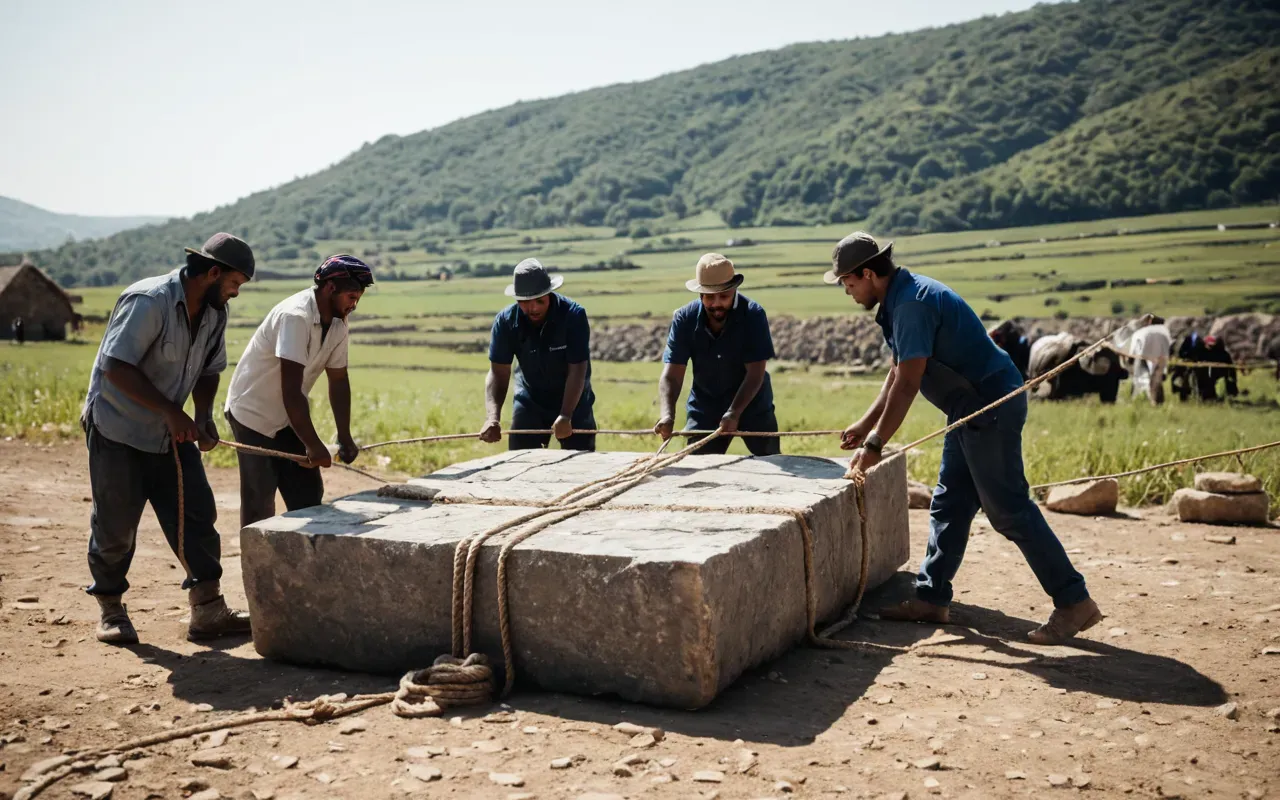
Look at the construction details. The pillars weigh up to ten tons each.
That's the mass of a large modern car. And these people had no wheels.
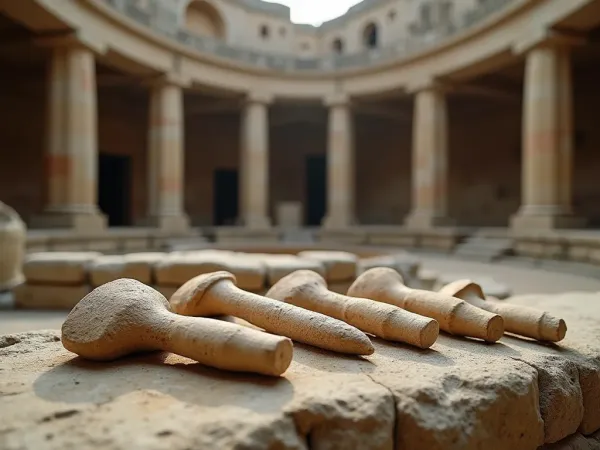
They used levers and ramps. They organized labor in ways we're still trying to understand.
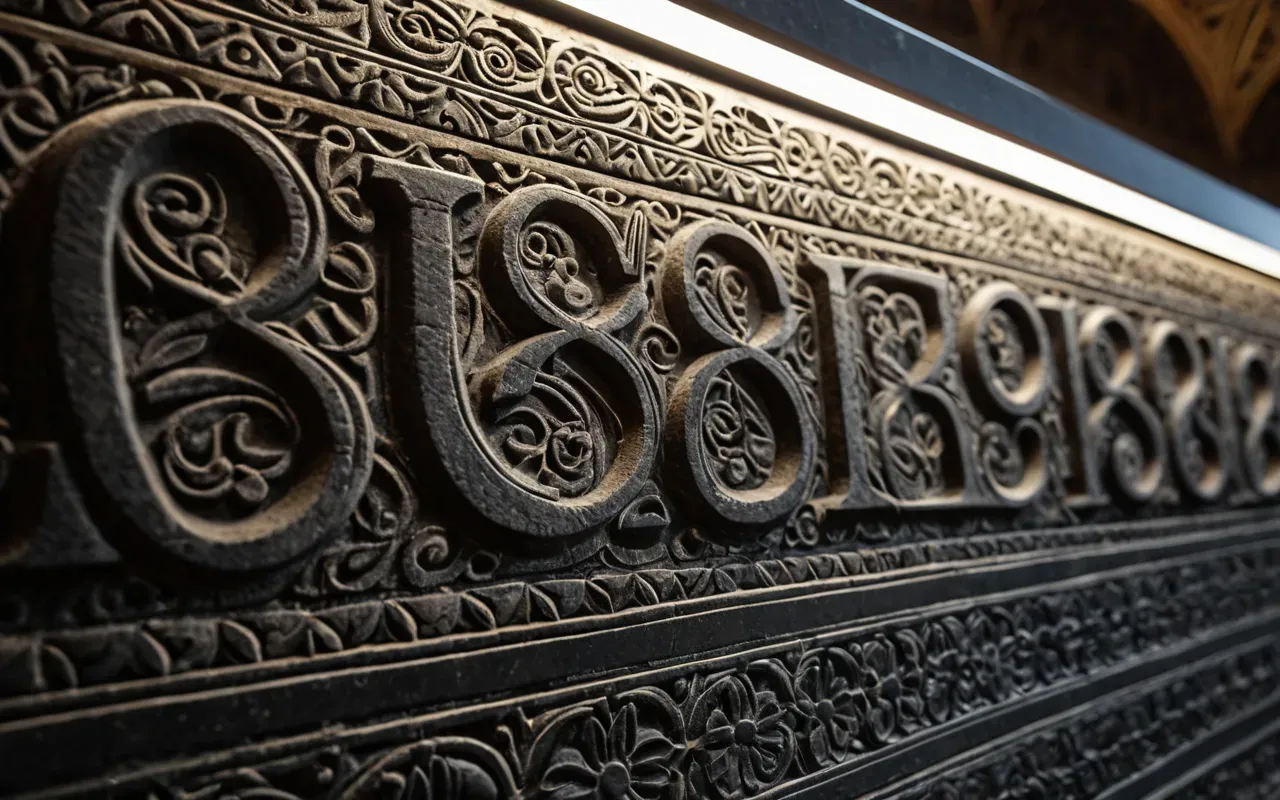
Then there's the precision of the carvings. The animal reliefs aren't just decorative.
Some scholars argue they tracked celestial movements. The placement of the pillars aligns with solstice sun paths.
Why Viewers Prefer Familiar Icons Over New Truths
There's a psychological reason for the omission, too. Pyramids are iconic.
They fit our silhouette model of progress. Start small, end big.
Göbeklitepe doesn't fit that mold. It's a beginning without an end in sight.
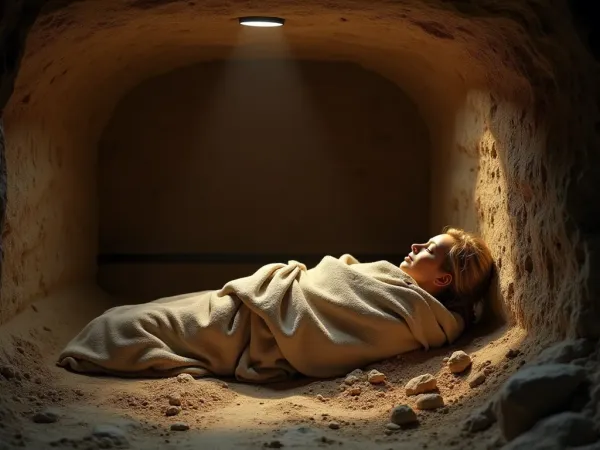
And it was deliberately buried. The builders filled the temple with earth to seal it forever.
That act of closure is hard for a documentary to dramatize. There's no conquest, no dramatic climax.
Streaming algorithms favor high-retention content. Action and conflict keep viewers watching.
The Visual Limitation Problem
Imagine filming an empty circular room with T-shaped pillars. It is impressive.
Now compare that to a pyramid rising into the sky. The visual hierarchy favors the latter.
Without actors in robes or dramatic music cues, the scene can feel static to an untrained eye.
That's a production flaw. It mistakes complexity for excitement.
The Real Technology Was Social Coordination
Here's the thing. The hard part was never moving stone.
Any group of humans can move heavy objects. It's painful, but possible.
The real innovation was the organization required to do it without a state structure.
No kings. No written laws. Just shared belief and collective purpose.
That kind of social engineering is harder to film than physical construction.
What The Missing Chapter Changes About Us
And if we accept that belief came first, it changes our self-image.
We're not just rational animals who invented culture for survival. We created meaning to build structures.
That's a profound shift. It places spirituality at the root of innovation.
It suggests our capacity for wonder is older than our capacity for logic.
When streaming services finally cover this site properly, expect the narrative to shift entirely.
Until then, be skeptical of shows that present a linear timeline. They're selling comfort over truth.
Frequently Asked Questions
Why do most documentaries skip Göbeklitepe?
Most programs favor visually dramatic structures like pyramids over static circular pillars. Göbeklitepe challenges the standard narrative that farming preceded civilization, making it harder to fit into traditional linear history formats.
Is Göbeklitepe older than the pyramids?
Yes. Göbeklitepe dates back to approximately BCE. The Great Pyramid of Giza was built around BCE. This makes the site nearly seven thousand years older than its famous Egyptian counterpart.
Who built the T-shaped pillars?
Hunter-gatherer groups from the Pre-Pottery Neolithic period constructed them. There is no evidence of a centralized state or kingship. The labor was organized through social cohesion and shared ritual beliefs.