A three-year-old toddler buried with a pillow is rewriting what we know about human grief
The Toddler Who Changed Everything We Know About Ancient Minds
For decades, we assumed deep symbolic thought — and the capacity for complex grief — arrived only with settled agriculture. Early humans? Purely pragmatic survivors, we told ourselves. Food and safety, nothing more.
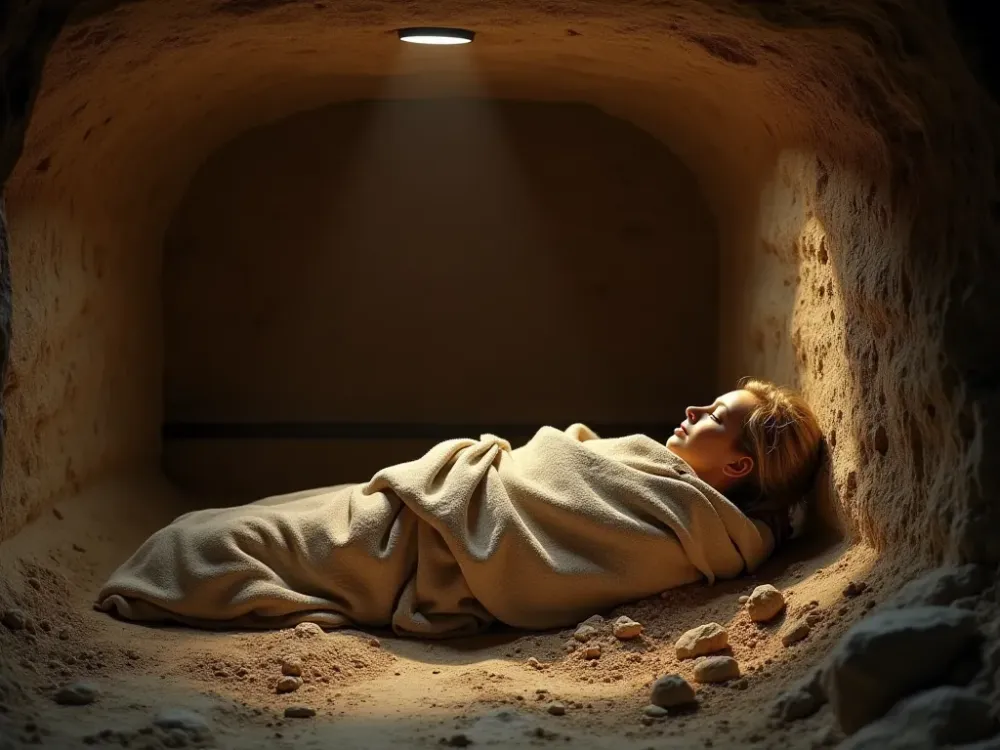
But then archaeologists found a skeleton. It was small. Just under three years old. And it had been curled up with care inside the Panga ya Saidi cave in Kenya.
This was not a random discard. The child, named Mtoto, had been placed on what appears to have been a cushion or mat made from plant fibers.
So this single discovery forces a difficult question. If this child was buried with such intentional tenderness, what does that say about the people who did it?
It suggests they possessed a rich inner life. They had concepts of the afterlife — or at least a profound respect for the dead that went well beyond mere disposal.
Why This Small Burial Is a Big Deal for the Timeline of Humanity
The standard narrative of human evolution has always followed a strict order. First we learned to make tools. Then we started farming. Only after that did religion and complex burial practices appear.
That sequence feels logical because it mirrors our own modern experience. We build complex societies before we develop sophisticated spiritual beliefs about death.
However, the evidence from caves like Panga ya Saidi is starting to shatter that neat chronological box. We are finding signs of ritual behavior in places where no farming ever took place.
This is a major shift. It implies that the drive to create meaning and show compassion might be an ancient biological trait rather than a cultural invention.
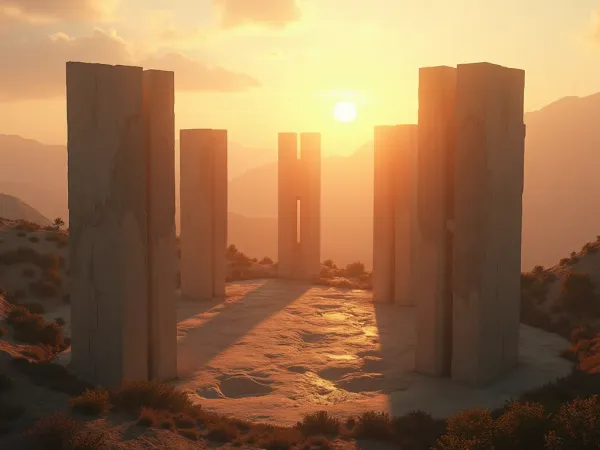
If we look at sites like where ancient humans built temples before they invented farming, the pattern becomes even clearer.
The impulse to gather, to build, and to honor the dead seems to have preceded the need for stable food sources. That's a radical reordering of our history.

The Evidence of Empathy in the Oldest Grave Sites
When we look at other ancient burial practices across the world, a similar theme emerges. People have consistently chosen to treat their dead with dignity and care.
In Egypt, the construction of mastabas and later pyramids shows a massive investment in preserving the body. This was not just about status; it was about ensuring a safe passage to another world.
In the Middle East, groups like the Natufians buried their dead near residential sites. They often included grave goods that suggest they believed in a continued existence after death.
Even in Rome, the fear of "death pollution" drove people to bury their dead outside city walls. This shows a deep cultural anxiety about the boundary between life and death.
These examples are different in their specific rituals but identical in their underlying emotion. They all reflect a society that cared deeply about what happened after the last breath.
The case of Mtoto is particularly striking because it is so simple. There are no grand monuments or elaborate coffins. Just a child and a cushion.
And honestly, that simplicity might be more powerful than the grandest pyramid. It shows that empathy and ritual do not require wealth or complex technology.
What the Cushion Tells Us About Early Social Bonds
The presence of the plant fiber mat suggests that these early communities had the skills to process materials for comfort. This was a practical skill applied to an emotional need.
It also implies that the child had value beyond their potential labor or genetic contribution. They were a person worthy of rest and dignity.
This challenges the cold survivalist model often applied to prehistoric humans. It shows that love and grief were central parts of their daily existence.
How This Changes Our Understanding of Ancient Civilizations
We often view prehistoric societies as primitive compared to modern cultures. This new perspective forces us to reconsider that hierarchy.
If early humans had the capacity for such nuanced emotional expression, then their social structures must have been far more complex than we assumed.
This has profound implications for how we study other ancient sites. We need to look not just at what they built but at how they treated each other.
It also opens up new avenues for research into the origins of religion and ethics. These concepts may be far older than we previously thought.
By examining sites like the missing link in the ancient civilizations timeline, we can piece together a more complete picture of our ancestors.
The story of Mtoto is not just about one child. It is a window into the very essence of what it means to be human.
The Lasting Legacy of These Ancient Discoveries
As we continue to explore the past, these small details become increasingly important. They provide a human connection across thousands of years.
They remind us that the drive to create meaning and show compassion is not a modern invention. It has been with us since our earliest days.
The next time you think about ancient humans, remember Mtoto. Remember the cushion and the care taken in that small act of burial.
It is a powerful reminder that we are not so different from our ancestors. We share the same heart and the same fears.
This discovery invites us to look at our own lives with fresh eyes. It shows that even in the most ancient times, love was enough.