The Missing Link In The Ancient Civilizations Timeline Is Hiding In Plain Sight
The Timeline We Were All Taught Is Missing A Chapter
You know the standard story. Humans were wandering hunter-gatherers for a very long time — simple, mobile, no permanent structures. Then, somewhere in Mesopotamia or Egypt, they suddenly settled down. Farming appeared. Cities followed. That's the narrative printed in most textbooks.
But look closer at the dates. The timeline has a hole right in the middle. We have evidence of complex social organization and massive construction projects before we have clear proof of agriculture or metalworking. That's a logical gap, and standard history tends to just step around it.
I've spent a lot of time with the site records, and I keep circling back to one frustrating question. How did a group of people without writing or wheels coordinate enough labor to move multi-ton stones? The answer, I think, is that they had technologies we don't fully recognize yet.
The Engineering Problem Nobody Talks About
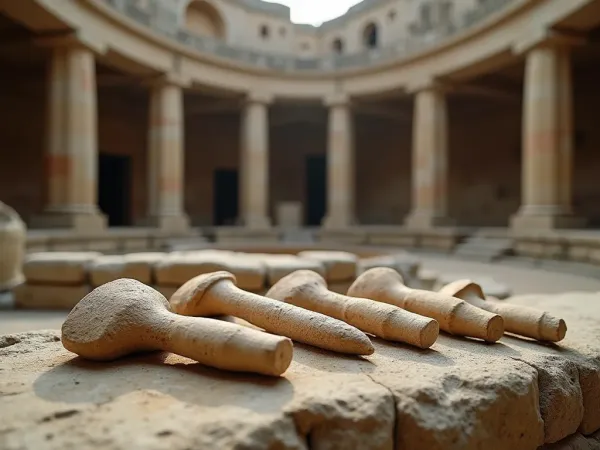
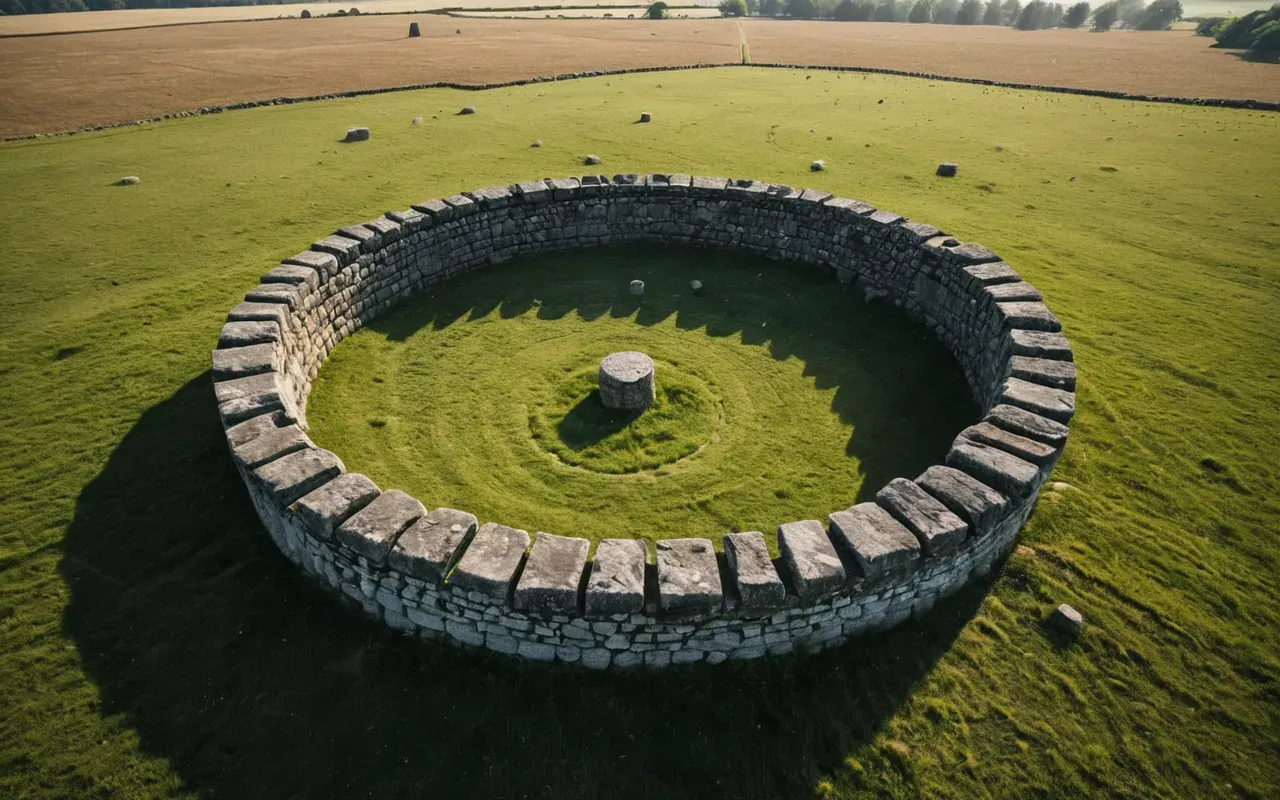
Let's talk about the T-shaped pillars. These are not decorative stones. They weigh up to ten tons each. Roughly the weight of a modern elephant, or two large cars stacked together. Moving that much mass takes more than brute strength.
We assume they used wooden levers and ramps. Sure. But wood decays in a few centuries. There are no traces of large timber structures near the excavated pits, and that absence is telling. It means either the tools were different, or our picture of their construction methods is simply incomplete.
I find this particularly interesting because it challenges the idea that technology has to be visible to be effective. Sometimes the most advanced tools are organic or temporary. They leave no trace in the archaeological record. Only the result does.
Why The Standard Timeline Fails Here
Most timelines put agriculture as the catalyst for civilization. It's a clean linear model: farming leads to surplus, surplus leads to settlement, settlement leads to complexity. But the evidence at this specific site disrupts that order completely.
If you look at the hunter-gatherers who built temples before farming, you see a society that was already complex. Social hierarchies are implied by the sheer scale of their work. Which suggests belief systems came before economic stability.

This is where it gets messy for traditional historians. The model breaks down when you try to fit the dates and the artifacts together. We're left with a gap that standard textbooks gloss over, or ignore entirely.
The Hidden Technology Of Belief Systems
Consider the carvings on the pillars. They're not random. There's a deliberate arrangement of animals and abstract shapes — a shared symbolic language. A complex belief system that could mobilize an entire community for years of work.
I'd argue that belief system was the actual technology. It provided the social glue for large-scale cooperation. Without it, you've just got a group of individuals who can't coordinate effectively on anything this massive.
Think about it. Why would a nomadic group invest decades building something they intend to bury? It only makes sense if the act of construction mattered more than the structure itself. The process created the community, not just the monument.
What This Means For Our Understanding Of History
We need to rethink the sequence of human development. It wasn't technology leading to society. Society and belief may have led to technology — the tools were developed because there was a social imperative to use them.
Which shifts the focus from material artifacts to abstract concepts. We're no longer just hunting for better stone tools or sharper blades. We're looking for evidence of complex thought and social organization that predated the physical inventions.
If you've seen the 3 buried rooms that finally break the ancient civilization timeline, you understand how much we're still missing. Every new find adds another layer to the puzzle.
The Future Of Archaeological Interpretation
We're moving away from simple artifact dating. What we need is a more holistic approach that integrates social science with physical evidence — looking at the context of every object found on site.
I believe we'll see more interdisciplinary studies in the coming years. Archaeologists working with anthropologists and psychologists to understand the mindset of these early builders. That's where the real breakthroughs will happen.
The timeline we have isn't wrong, exactly. It's just incomplete. We're missing the software that ran the hardware of early human civilization. And until we find that code, our history stays a fragmented story.
Frequently Asked Questions
Why is the standard ancient civilizations timeline considered incomplete?
The timeline is incomplete because it places agriculture as the primary driver of civilization. Evidence from sites like Göbeklitepe shows complex social structures and large-scale construction occurring before widespread farming, suggesting belief systems drove early technological development.
What specific engineering challenges did Göbeklitepe builders face?
Builders faced the challenge of moving and positioning multi-ton stone pillars without modern machinery. The lack of preserved wooden tools suggests they used temporary organic materials or methods that have not been fully identified by archaeologists yet.
How does this discovery change our view of early human society?
It changes the view by suggesting social organization and belief systems preceded technological advancement. Instead of technology creating society, complex social needs likely drove the development of early engineering techniques and tools.
Are there other sites with similar timeline discrepancies?
Yes. Sites in South America and the Middle East have shown early complex structures that do not align with standard agricultural timelines. These discoveries collectively suggest a more varied and less linear path for human civilization development across different continents.
What is the next step in researching this timeline gap?
The next step involves interdisciplinary collaboration between archaeologists, anthropologists, and social scientists. This approach aims to understand the cognitive and social frameworks that allowed early humans to coordinate large-scale construction projects without modern tools.