Göbeklitepe and the Ancient Technologies That Redefine Human History
Unveiling Göbeklitepe The World's Oldest Known Temple
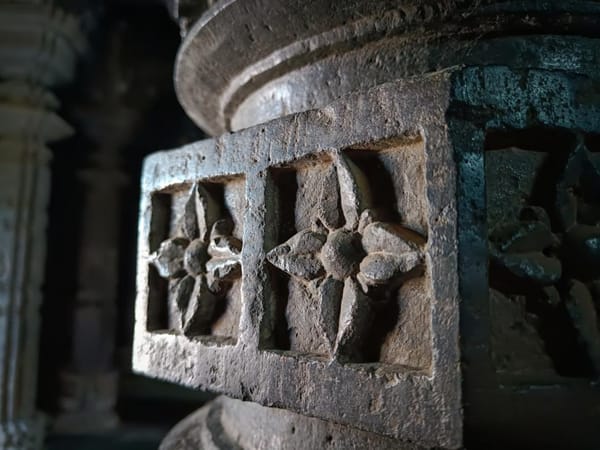
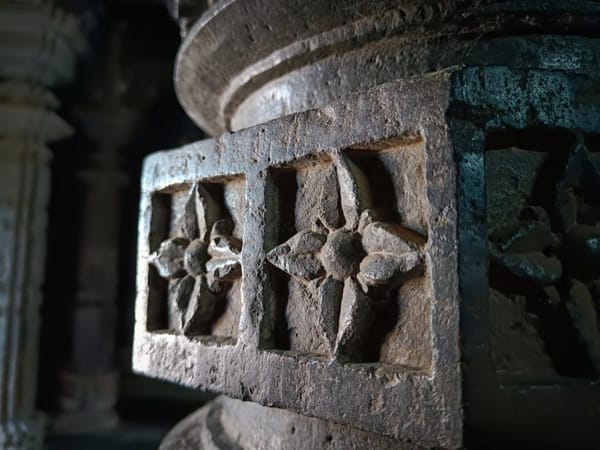
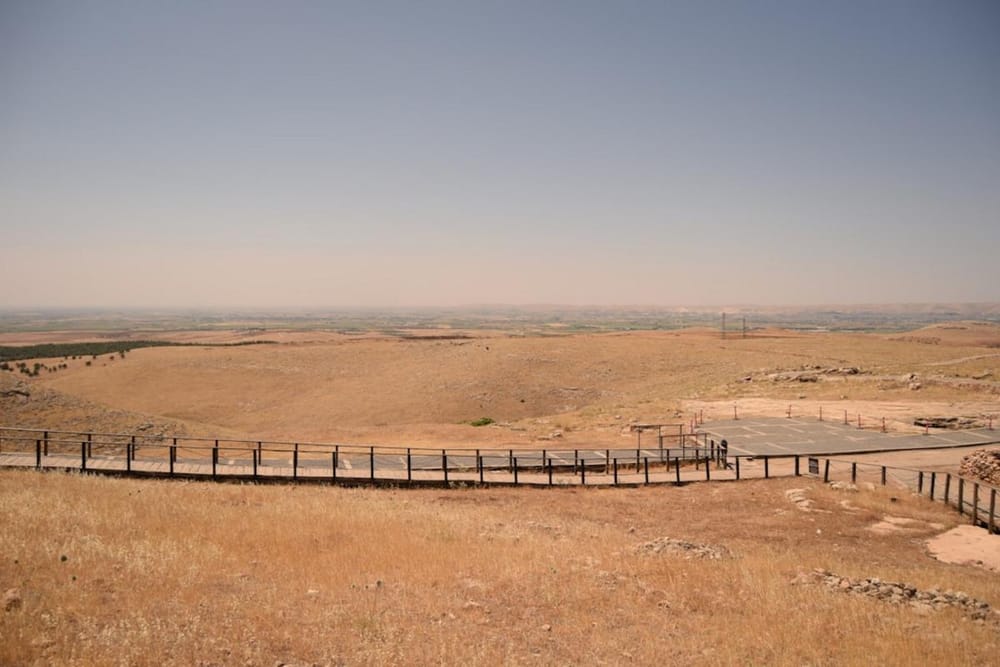
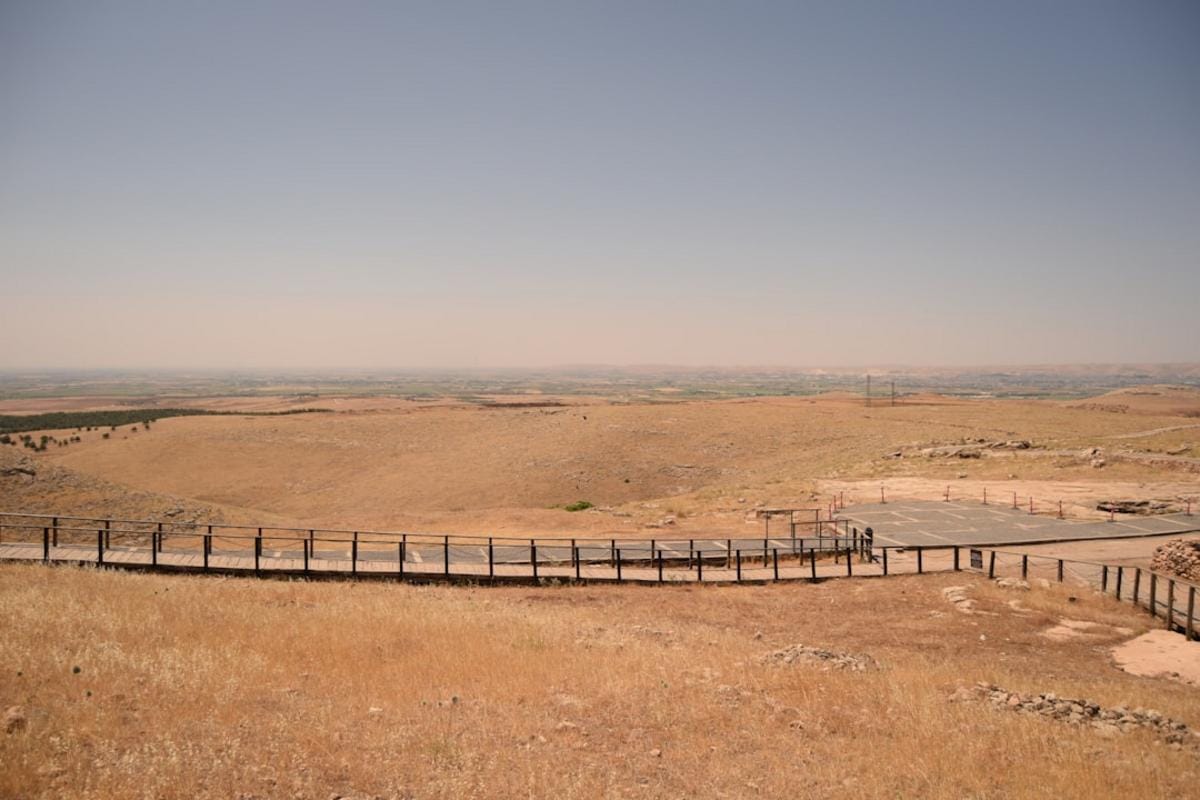
Imagine stepping into a site that predates the invention of pottery, writing, and even farming by thousands of years. Göbeklitepe, located in southeastern Turkey, is often called the world's oldest known temple, dating back approximately 12,000 years to the end of the last Ice Age. This archaeological marvel fundamentally challenges the traditional narrative that early humans were solely nomadic hunter-gatherers until the advent of agriculture. Instead, Göbeklitepe reveals a sophisticated understanding of architecture, symbolic representation, and potentially complex social organization. The massive carved stones, arranged in circular formations, feature intricate engravings of animals, abstract symbols, and mysterious motifs that echo spiritual or ritualistic practices. Its construction showcases early human ingenuity, as these ancient builders managed to move enormous stones, some weighing over 20 tons, without the use of metal tools or wheeled vehicles, relying instead on rudimentary technologies such as wooden sledges, ropes, and coordinated labor. The site as a whole is an extraordinary testament to human creativity and technological skill during a period long thought to be primitive, but which clearly was marked by significant scientific and cultural development.
Ancient Technologies and the Craftsmanship of Early Humans
The technological achievements demonstrated by Göbeklitepe's builders are nothing short of astonishing. Despite lacking the metal tools we are accustomed to today, these early humans mastered techniques to quarry, carve, and transport massive stones with remarkable precision. They employed simple yet effective tools—made from flint, bone, and wood—to chip away at stone surfaces with incredible skill. The skillful carving of animal motifs and abstract symbols on the pillars indicates not only artistic ability but also an understanding of symbolic communication that might have played a role in their spiritual or community practices. Evidence from other archaeological sites suggests that these early humans used fire to weaken rock surfaces, making carving more manageable, and developed protocols to reinforce stability when constructing large circular enclosures. The ingenuity of these ancient builders also extends to the techniques used to align stones, possibly for astronomical or ritualistic purposes, reflecting an advanced understanding of natural phenomena and celestial cycles. Studying these acts of craftsmanship provides insight into the ways early humans used nascent technologies, pushing the boundaries of what we traditionally considered primitive, and indicates a complex culture with advanced knowledge systems.
Cultural Significance and the Mysteries Until Today
Göbeklitepe's cultural significance extends beyond its impressive architecture; it offers a glimpse into the spiritual and social lives of its creators. The site’s circular arrangements and carved pillars suggest communal rituals, possibly related to ancestor worship or environmental deities, which might have played a role in uniting early hunter-gatherer groups into larger social networks. The abstract symbols and animal motifs could have served as early forms of storytelling or religious symbolism, hinting at a complex belief system that predates recorded history. What makes Göbeklitepe particularly intriguing is the absence of settlement remains around the site—implying that it was a specialized ritual center rather than a habitation area. This raises questions about the cultural development that spurred such monumental effort. Scholars continue to debate whether Göbeklitepe was a ceremonial hub or had other, perhaps more complex, social functions. Unearthing further artifacts and deciphering the enigmatic symbols promises to further challenge and enrich our understanding of early human culture and spirituality, emphasizing the role of technology in facilitating profound cultural expressions from such ancient times.