Göbeklitepe Reveals Secrets of Ancient Technologies and Human Ingenuity
Unraveling the Mysteries of Göbeklitepe and Its Technological Marvels
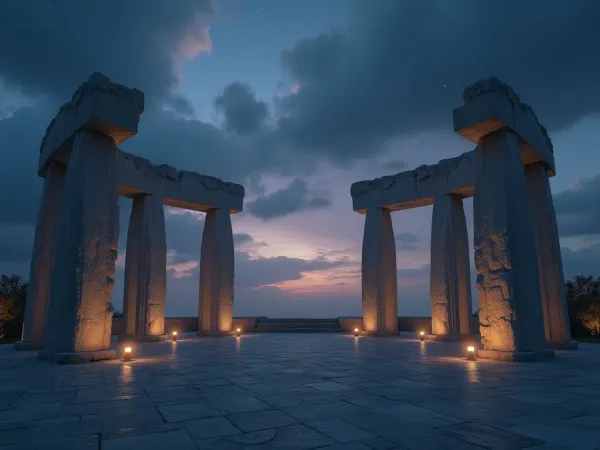
Imagine standing amidst one of humanity’s oldest monumental sites, where massive stone enclosures and intricately carved pillars tell stories from approximately 12,000 years ago. Göbeklitepe, located in southeastern Turkey, has fascinated archaeologists and historians alike because of its extraordinary age and the complex technologies that must have been employed to construct it. This site not only challenges conventional narratives about the evolution of human civilization but also highlights the astonishing technological skills possessed by early humans. The builders of Göbeklitepe, often referred to as hunter-gatherers, demonstrated an advanced understanding of stone shaping, construction techniques, and symbolic art, suggesting a level of cultural and technological sophistication that was previously unexpected for a society presumed to be primitive. It raises compelling questions about the origins of monumental architecture and the cognitive abilities of humans at a time when many believed they relied solely on simple tools and practices. The use of large T-shaped stones, some weighing as much as 10 to 20 tons, indicates that early humans possessed not only technological prowess but also social cohesion and planning capabilities necessary to undertake such complex projects. Exploring the technological feats behind Göbeklitepe can offer profound insights into how our ancestors harnessed natural resources, devised innovative methods, and innovated to communicate their spiritual beliefs—an effort that laid the groundwork for future civilizations.
The Role of Early Human Ingenuity in Constructing Sacred Spaces
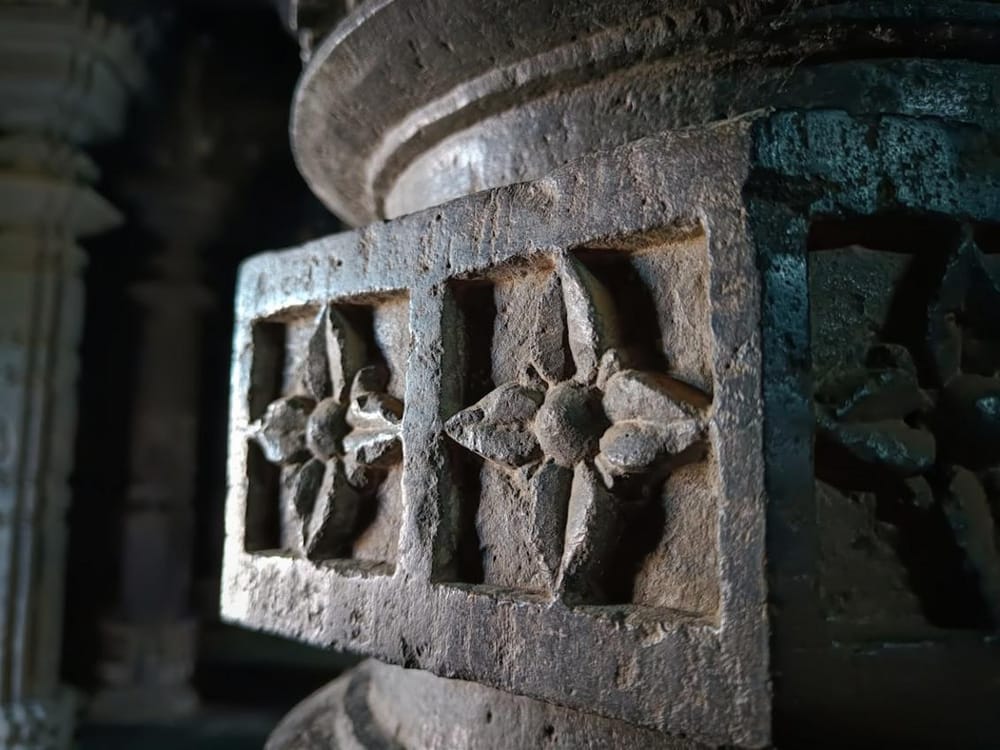
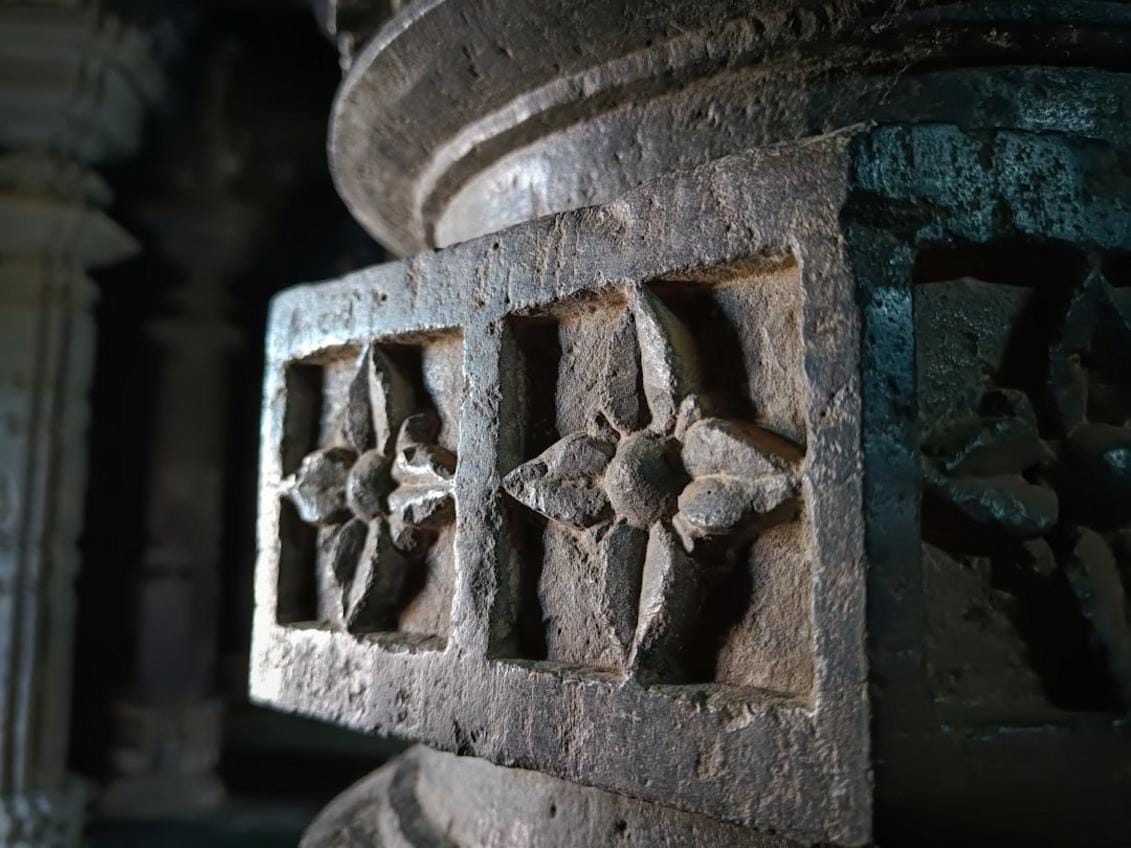
At the heart of Göbeklitepe lies a powerful testament to early human innovation and spiritual expression. The site's elaborate arrangement of circular enclosures with carved stelae and totems points towards a sophisticated understanding of space and symbolism. The construction process undoubtedly required meticulous planning, coordination, and forward-thinking—traits that suggest early humans possessed cognitive skills comparable to later civilizations. Despite lacking advanced tools like metal, they used carefully shaped stone implements and precise craftsmanship to carve intricate animal motifs and abstract symbols into the pillars. This art was probably more than decoration; it served as a visual language conveying religious, mythological, or societal values. Such technological prowess in stone working reflects an impressive comprehension of material properties and an ability to manipulate natural resources creatively. What's truly captivating is how these ancient humans managed to erect and position these monolithic stones with remarkable accuracy, indicating an understanding of leverage, weight distribution, and construction techniques that are still studied today. Göbeklitepe stands not just as a religious site but also as a monument to human ingenuity, revealing that early societies were capable of complex planning, artistic expression, and technological craftsmanship that can inspire modern innovation.

Cultural Significance and the Technological Legacy of Göbeklitepe
Göbeklitepe's discovery has profoundly affected our understanding of early human culture and technological development. Its existence suggests that our ancestors engaged in complex ritual practices, which necessitated the creation of durable, precisely carved stone monuments. The site indicates that even hunter-gatherer societies were capable of building communal spaces with symbolic and religious significance—an idea that was previously attributed mainly to later settled civilizations. The technological innovations involved in shaping, transporting, and erecting the enormous stones, often without the aid of metal tools, speak volumes about their skills in engineering and collective effort. Researchers have also inferred that the site exemplified early forms of social organization, where cooperation and shared beliefs fostered technological advancements. Additionally, Göbeklitepe's global importance lies in how it challenges the linear evolution model of human progress, suggesting instead a more complex, non-linear development of culture and technology. Modern archaeology continues to unravel its secrets, including how these impressive structures were built and what they meant to those ancient communities. The legacy of Göbeklitepe resides not just in its physical structures but also in its role as a catalyst for understanding the intersection of belief, community, and technological achievement in human history.