Unearthing Humanity's Deep Past at Göbeklitepe And Its Revolutionary Discoveries
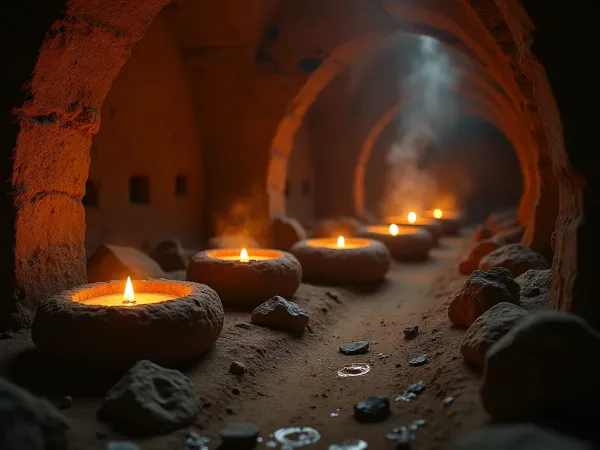
Göbeklitepe, situated in southeastern Turkey near the city of Şanlıurfa, stands as one of the most extraordinary archaeological sites ever discovered. Its significance lies not only in its age—estimated to be around 11,500 years old—but also in the revolutionary insights it offers into early human societies. Unlike other prehistoric sites, Göbeklitepe consists of massive stone pillars arranged in circular formations, many intricately carved with motifs of animals and abstract symbols. These structures challenge previous notions of what early humans were capable of, suggesting a society driven by complex spiritual and ritualistic beliefs long before the advent of agriculture. Recent excavations starting in the early 21st century have uncovered layers of history buried beneath its surface, revealing a site that was perhaps a religious sanctuary and gathering place for communities that had yet to develop agriculture or permanent settlements. These discoveries have fundamentally reshaped our understanding of the Pleistocene era, pushing back the timeline of human cultural complexity and spiritual expression by thousands of years. For archaeologists and historians alike, Göbeklitepe embodies the dawn of consciousness, spirituality, and social organization, providing a rare glimpse into the cognitive abilities of our ancient ancestors.
Göbeklitepe And Its Significance in Human History
Recent Excavations and What They Reveal About Early Human Rituals
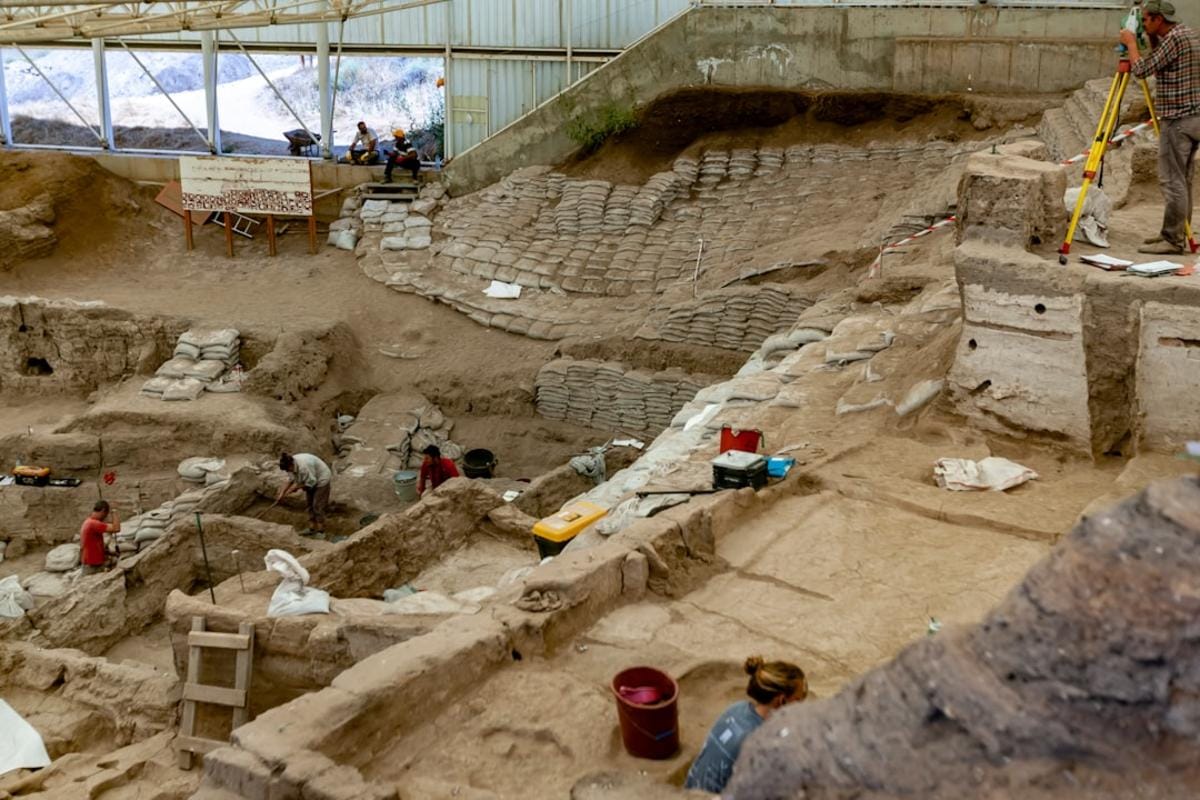
In recent years, Göbeklitepe has been at the forefront of archaeological research, with ongoing excavations continuously shedding light on its purpose and the people who built it. These excavations have uncovered not only the structure of the site but also numerous smaller artifacts that hint at the spiritual lives of its builders. For example, carved bones and statues, alongside the monumental pillars, point toward ritualistic practices. Researchers have found evidence suggesting that ancient humans at Göbeklitepe engaged in complex ceremonies possibly dedicated to hunting gods, fertility, or cosmic inquiries—concepts that are remarkably advanced for a society predating pottery, farming, or permanent settlements. These discoveries challenge the traditional view that early humans were primarily focused on survival and suggest that they possessed sophisticated symbolic thought. The site also features animal motifs, including boars, snakes, and birds, carved with precision that underscores their cultural importance. Most striking is the absence of domesticated animals or farming remains, indicating that spiritual or mythological motivations may have been the central drive for constructing and maintaining such a monumental site. These findings are pivotal in understanding the evolution of early human belief systems and the importance of ritual in social cohesion that predate modern civilization.
The Cultural Traces and Their Impact on Human Evolution
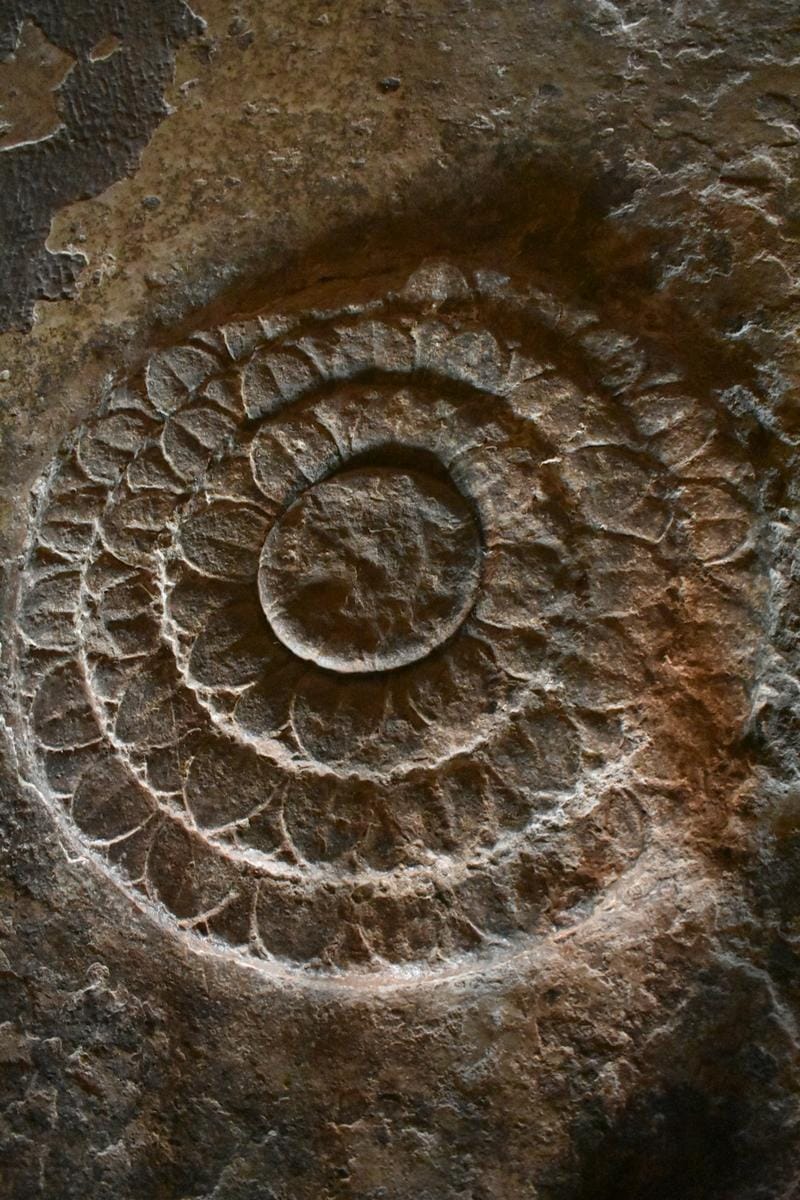
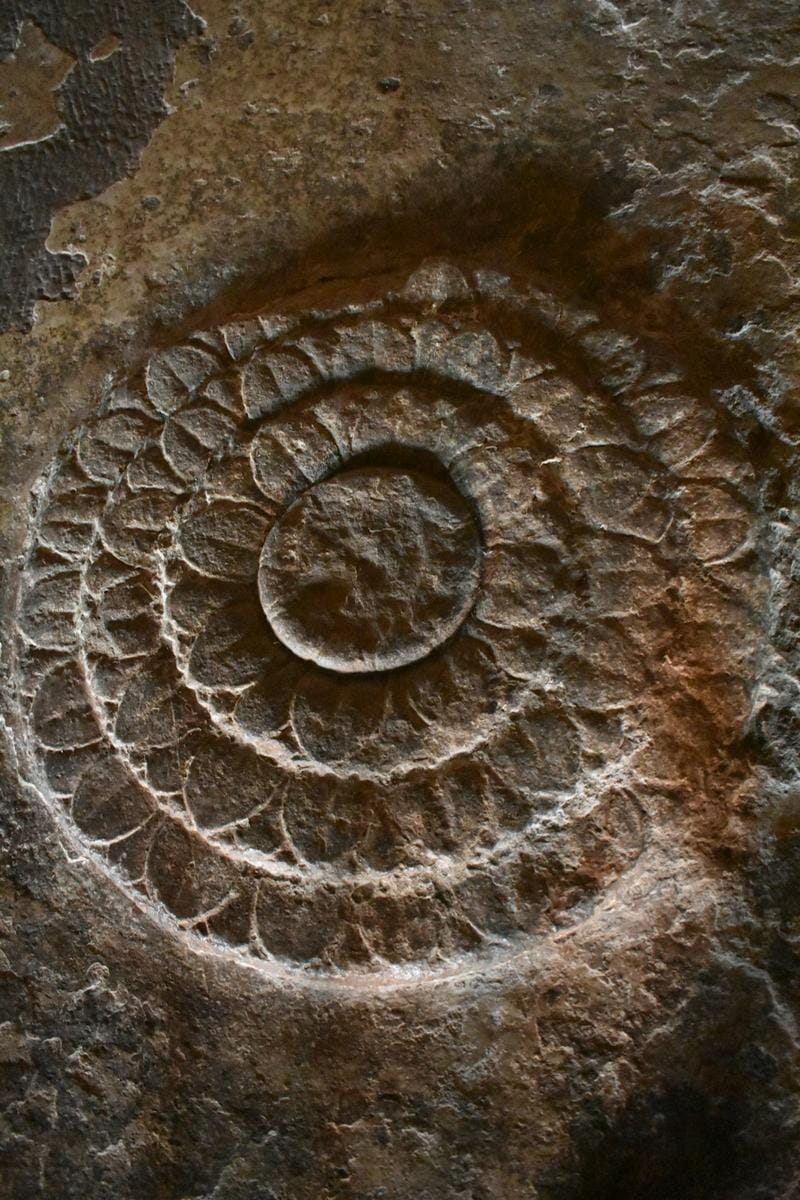
The discoveries at Göbeklitepe extend beyond architecture and figurines, providing a window into the early cultural landscape of humankind. The site shows evidence of social organization and shared religious or spiritual practices that likely fostered cohesion among early groups. These patterns of communal ritual activities hint at a form of social hierarchy or collective identity that may have played a vital role in the transition from small, nomadic bands of hunter-gatherers to more organized tribal communities. The site’s artwork, including carved animals and abstract symbols, reflect a symbolic universe that predates the later development of writing and recorded history. Such cultural traces are critical because they help bridge the gap in our understanding of how early humans perceived the world and their place within it. The spiritual motives behind the construction of Göbeklitepe suggest that early humans possessed a nascent form of consciousness, which later evolved into complex religions and civilizations. These developments were undoubtedly inspired and reinforced through the monumental architecture that continues to amaze both scientists and visitors alike, emphasizing a timeless human desire to connect with the divine and comprehend the cosmos.