How Does Göbeklitepe Change Our Understanding of Early Religion?
How Does Göbeklitepe Change Our Understanding of Early Religion?
It is August 2026. The air in southeastern Turkey feels heavy with both heat and history. For decades we assumed agriculture came first. We thought people settled down to farm wheat and barley, built cities, and only then had the leisure time to construct temples. Göbeklitepe shattered that timeline before it even fully formed.
But the story is not over. Recent excavations have uncovered fresh layers of stone and intention beneath the famous T-shaped pillars. These new findings force us to ask a harder question. Did religion actually drive the invention of farming? Or was there something else entirely pulling these hunter-gatherers together in this remote plateau?
I have spent years reading the reports from the German Archaeological Institute. The data is shifting. It suggests a complexity that our textbooks simply cannot handle yet. This post digs into those specific new discoveries. We look at what they mean for your understanding of human origins.
Why The Old Narrative No Longer Fits
Let us be clear about the old model. It is tidy and comforting. Humans lived as nomadic bands for millions of years. Then around 10,000 BC they started planting seeds. Surplus food meant population growth. Cities rose from that surplus. Temples were late additions to urban life.
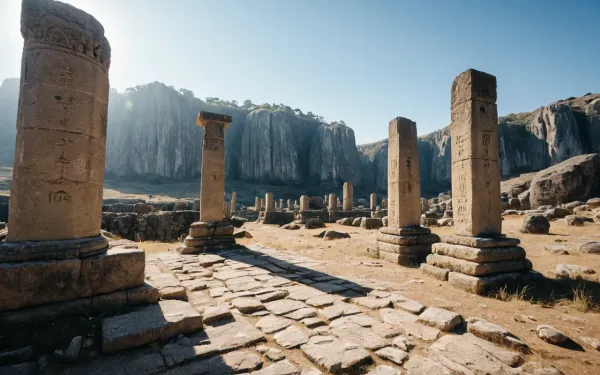
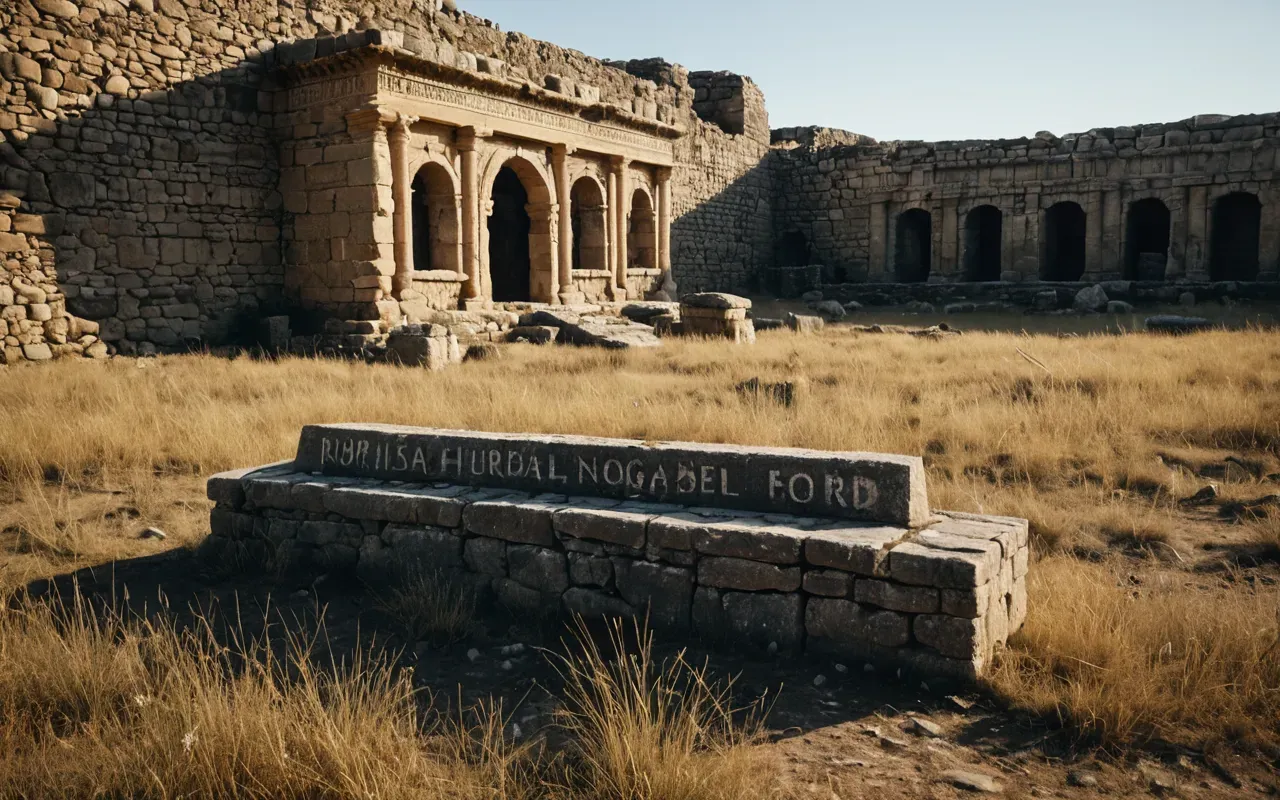
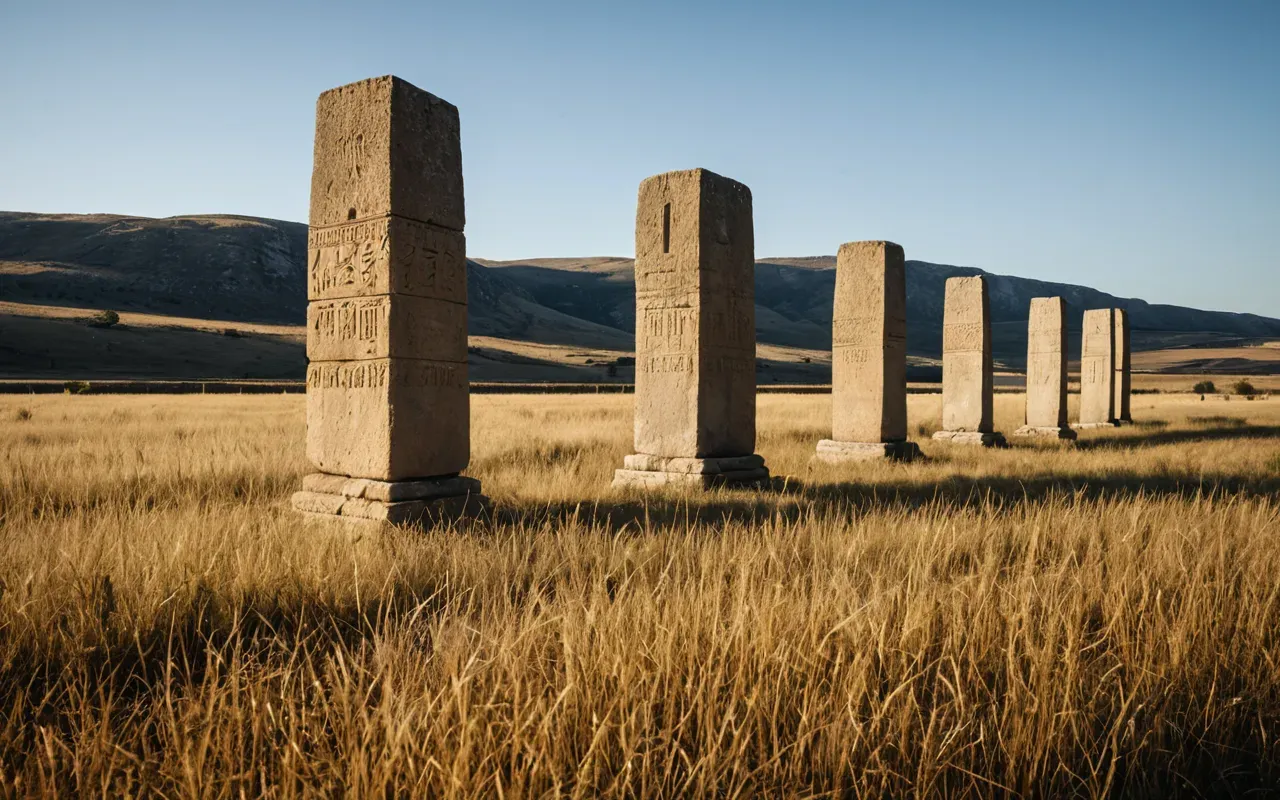
Göbeklitepe refuses this logic. The site dates back roughly 9500 BC or earlier. That is before farming existed in the region. There are no houses here initially. No pottery shards from daily meals sitting around casually. Just massive limestone pillars carved with fierce animals.
The sheer weight of these stones defies casual explanation. Some weigh up to twenty tons. Moving them required organized labor on a massive scale. You need hundreds of people working in sync without modern machinery. This implies social cohesion that we did not expect from hunter-gatherers.
The Labor Question Remains Unanswered
How do you feed a thousand workers for months? This is the crux of the debate. Some researchers argue that feasting was central to Göbeklitepe. Meat bones found in pits suggest large animals were slaughtered here regularly. Wild goats and gazelles became communal resources.
Others point to the spiritual motivation. Perhaps belief systems provided the glue. If you believe a god demands this temple, you will move stone for it. This perspective aligns with the man who dared to say religion came before farming. It flips our script entirely.
New Stones Reveal Deeper Complexity
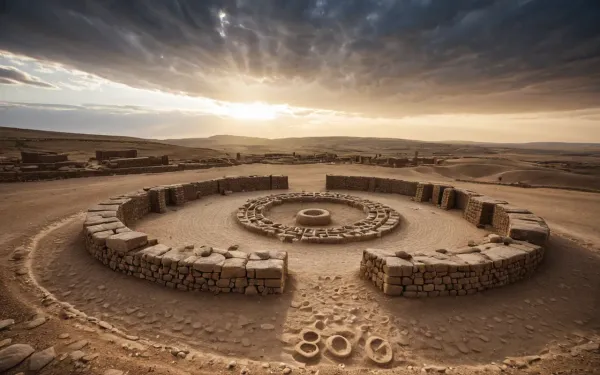
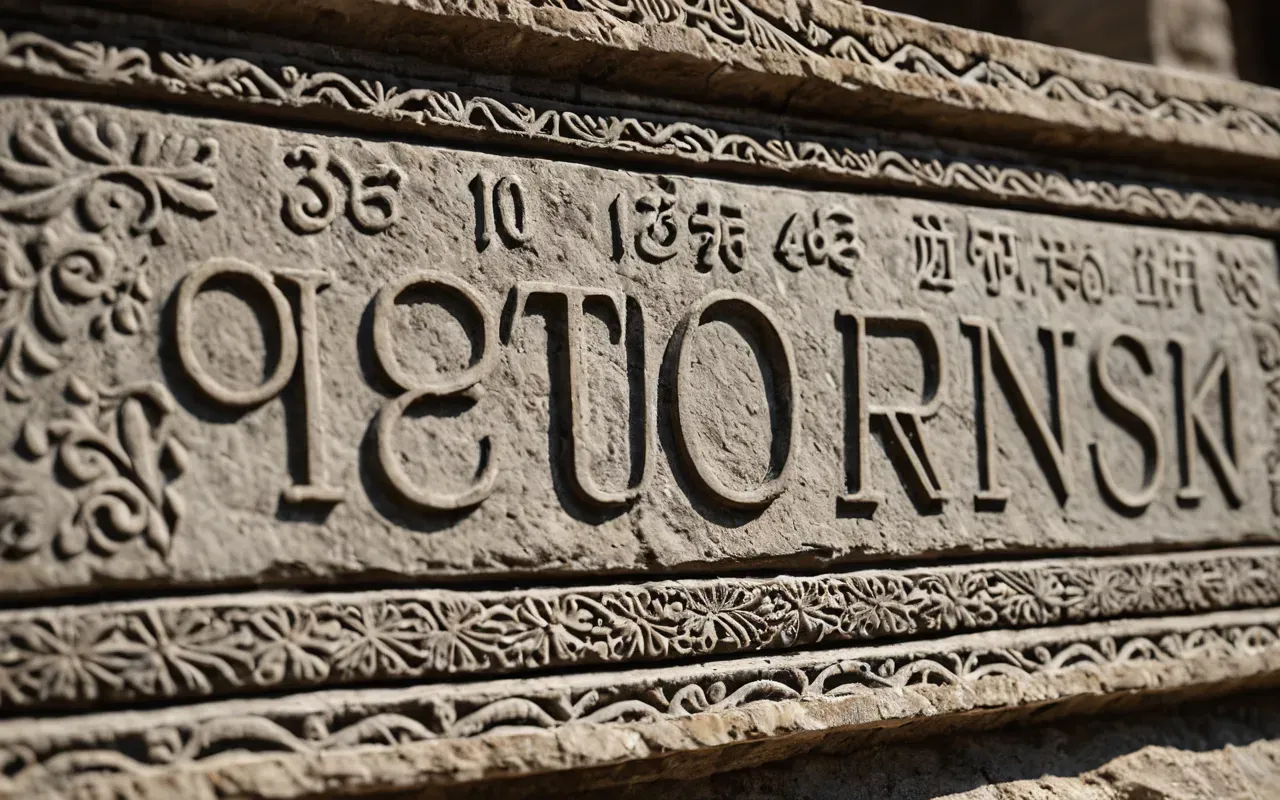
The latest digs have not just added more pillars. They have revealed a different kind of architecture. In 2024 and early 2025 teams uncovered enclosures that look less like circles and more like planned complexes. The layout shows intentional zoning. Certain areas were reserved for specific rituals.
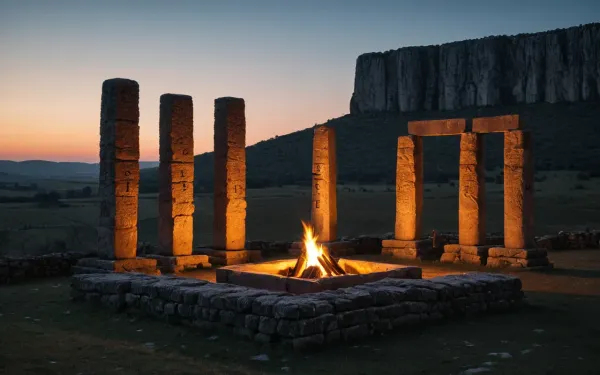
One particular find stands out to me. A set of smaller pillars arranged in a tight cluster near the main enclosure D. These were not structural supports. They appear symbolic. Their placement suggests they marked sacred boundaries or entry points for initiates into the ritual space.
Furthermore carbon dating on organic material found between these stones has tightened the timeline. We are pushing dates further back than previously confirmed. This means Göbeklitepe was active even earlier in the Neolithic transition period. The site grew slowly over centuries.
What The Carvings Actually Show Us
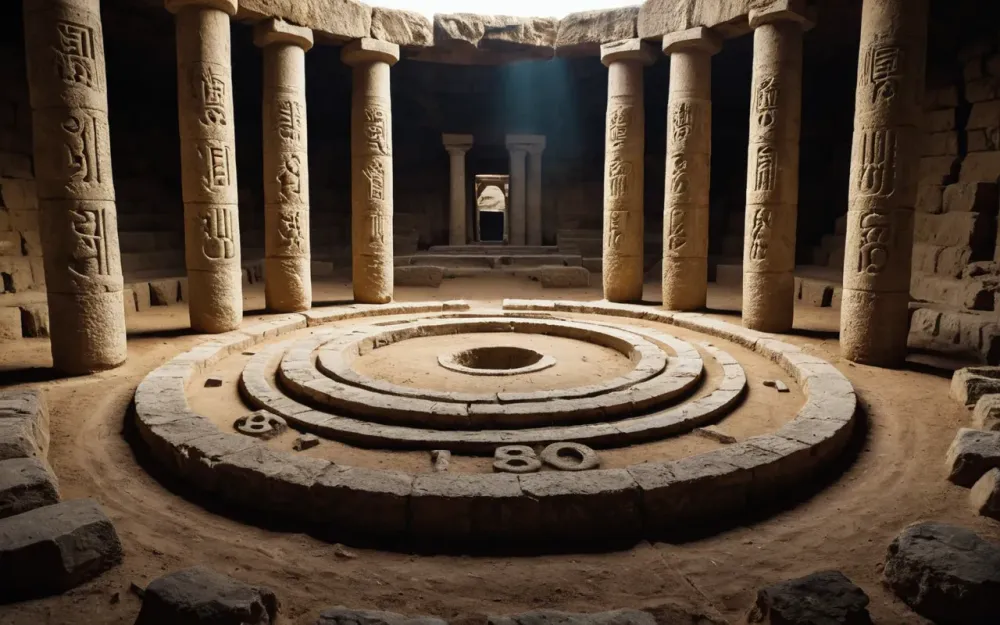
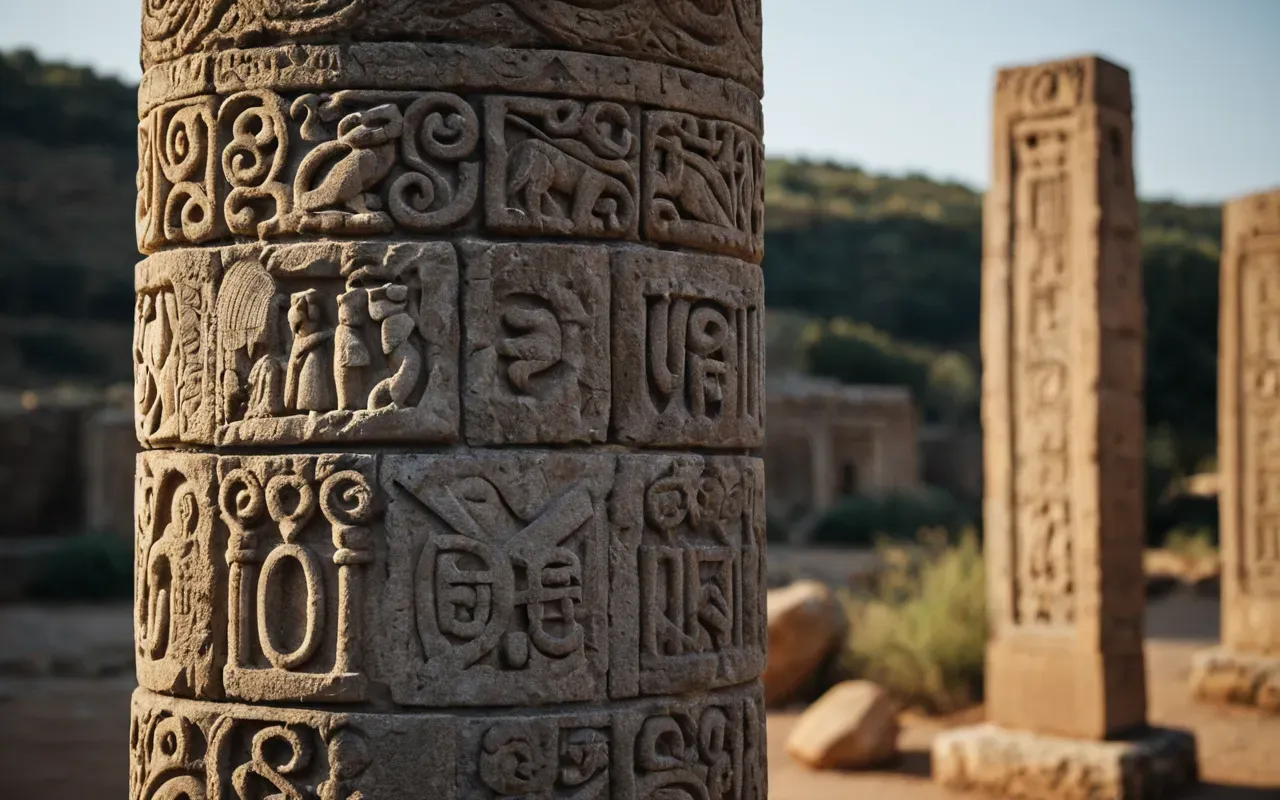
Look closely at the reliefs. They are not random decorations. Vultures screech from pillar tops. Snakes coil around bases. Foxes and cranes appear with startling realism. These animals held symbolic power for the builders. They were likely seen as messengers between worlds.
Recent analysis of micro-wear on the stone surfaces indicates frequent handling. People touched these pillars daily or weekly. This was not a place visited once a year for a festival. It was a living center of interaction. The stones absorbed human oil and intention over millennia.
The Burial Mystery Deepens
Here is the thing that keeps archaeologists up at night. Göbeklitepe was intentionally buried. Around 8000 BC massive amounts of soil and stone were dumped over the temples. This happened deliberately before construction stopped completely.
Why bury a sacred site? Most cultures preserve their monuments. They maintain them for generations. The act of covering Göbeklitepe suggests a profound shift in belief or society. Perhaps the gods moved on. Maybe the ritual function ended abruptly due to climate change.
New excavations near the burial mound have found fragments of domestic pottery underneath some layers. This hints that people might have lived nearby during the final phases. The line between temple and home becomes blurrier with each shovel dig.
Climate Shifts And Social Collapse
Palynology studies show a sudden drop in moisture levels around this time. The region dried out significantly. Water sources that sustained large gatherings may have vanished or become scarce. This environmental stress could explain why the community dispersed.
It connects to broader patterns seen elsewhere in Anatolia. When resources shrink cooperation breaks down easily. Large-scale projects require surplus energy and stability. Drought kills both conditions instantly. The burial might have been an act of closure rather than destruction.
Think about it like sealing a vault. You protect what matters when you cannot use it anymore. This perspective changes how we view the end of Göbeklitepe's active period. It was not abandoned in chaos but retired with ceremony.
How This Changes Your History Book
We need to rewrite chapter one of human civilization. It starts not with the plow but with the pillar. Belief systems organized labor before technology did. Social complexity emerged from spiritual needs rather than economic ones.
This has massive implications for how we view inequality too. Who directed the work at Göbeklitepe? There is no evidence of palaces or elite housing nearby initially. This suggests a more egalitarian structure than later Bronze Age societies.
Leadership might have been rotational or ritual-based. Priests held power instead of kings. This model fits better with what we see in the carvings and layout. It challenges our assumption that hierarchy is inevitable once groups grow large.
Comparisons To Other Ancient Sites
Look at Stonehenge or Karnak. Those came thousands of years later during established state societies. Göbeklitepe predates them by millennia yet shows similar monumental ambition. This proves that the impulse to build sacred spaces is ancient and universal.
Even sites like Çatalhöyük show different patterns. There houses were clustered tightly together without streets. Göbeklitepe lacks this density entirely in its early phases. It was a pilgrimage center not a residential town initially.
Understanding this distinction matters greatly for interpretation. We must stop looking for city features where none existed originally. The site functioned differently than we project onto it based on later urban models.
Why You Should Care Today
History is not just dusty bones and old stones. It shapes how we see ourselves now. If belief can mobilize thousands without coercion today imagine what it means for community building in modern contexts.
Göbeklitepe shows us that humans crave meaning profoundly. We will move mountains for it literally in this case. That drive remains part of our nature even if the objects of worship change over time.
As new layers are uncovered we gain clearer pictures of our ancestors' minds. They were not primitive simpletons waiting for farming to make them smart. They possessed sophisticated symbolic thought capable of coordinating complex projects across vast distances.
Final Thoughts On The Ongoing Dig
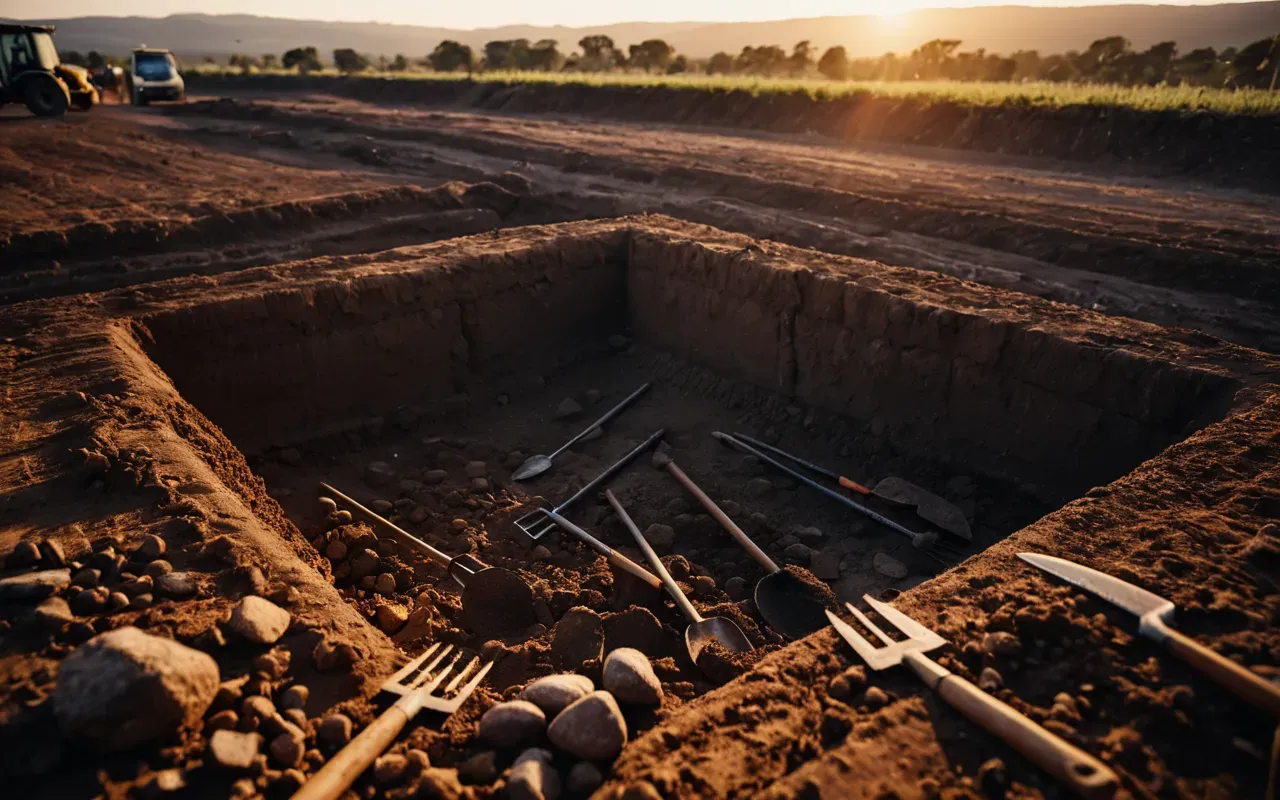
Excavations continue slowly and carefully at Göbeklitepe. Each season brings surprises that challenge established theories further. I expect future finds will push boundaries even more than recent ones have done already.
Stay curious about these developments. They matter far beyond academic circles because they redefine humanity's shared story. We are all descended from those early builders whether we realize it or not.
The stones speak if you listen closely enough. They tell tales of fear, wonder, and unity that resonate deeply with our own experiences today despite the thousands of years separating us.
Keep an eye on official reports from the German Archaeological Institute as they release updated findings regularly throughout this year and next. The narrative is still being written right before our eyes.
Frequently Asked Questions
What exactly has been discovered recently at Göbeklitepe? Recent excavations have revealed new enclosures with smaller symbolic pillars arranged in tight clusters near the main temple areas. These findings suggest planned ritual zoning and deeper complexity in site organization than previously understood by archaeologists.
Why is Göbeklitepe considered so important historically? It challenges the standard timeline of civilization by showing monumental construction predating agriculture. This proves that complex social organization and spiritual belief systems existed among hunter-gatherers long before settled farming communities emerged.
How old are the structures at Göbeklitepe? The oldest dated layers reach back approximately to 9500 BC or slightly earlier. This makes it one of the world's earliest known monumental stone structures, significantly predating famous sites like Stonehenge by several millennia.
Who built the temple complex originally? No single group name survives in written records since writing had not yet been invented. Evidence points to cooperative efforts by regional hunter-gatherer bands who gathered periodically for ritual feasting and construction activities driven by shared beliefs.
Can visitors see the new discoveries today? Generally no, as active excavation zones remain closed to protect fragile artifacts and contexts. However, guided tours cover major uncovered sections, allowing public access while preserving sensitive areas for continued scientific study by professional teams.
For the full overview, see spiritual roots of Gobeklitepe.
Related in this series: age of Gobeklitepe temple complex, Neolithic rituals at Gobeklitepe site.