The Invisible Wall That Stopped Human Evolution For Thousands Of Years
The Silent Architect Of Human History
We like to think of our ancestors as brave pioneers. They walked across vast deserts and climbed rugged mountains. We imagine them battling lions or enduring freezing winters.
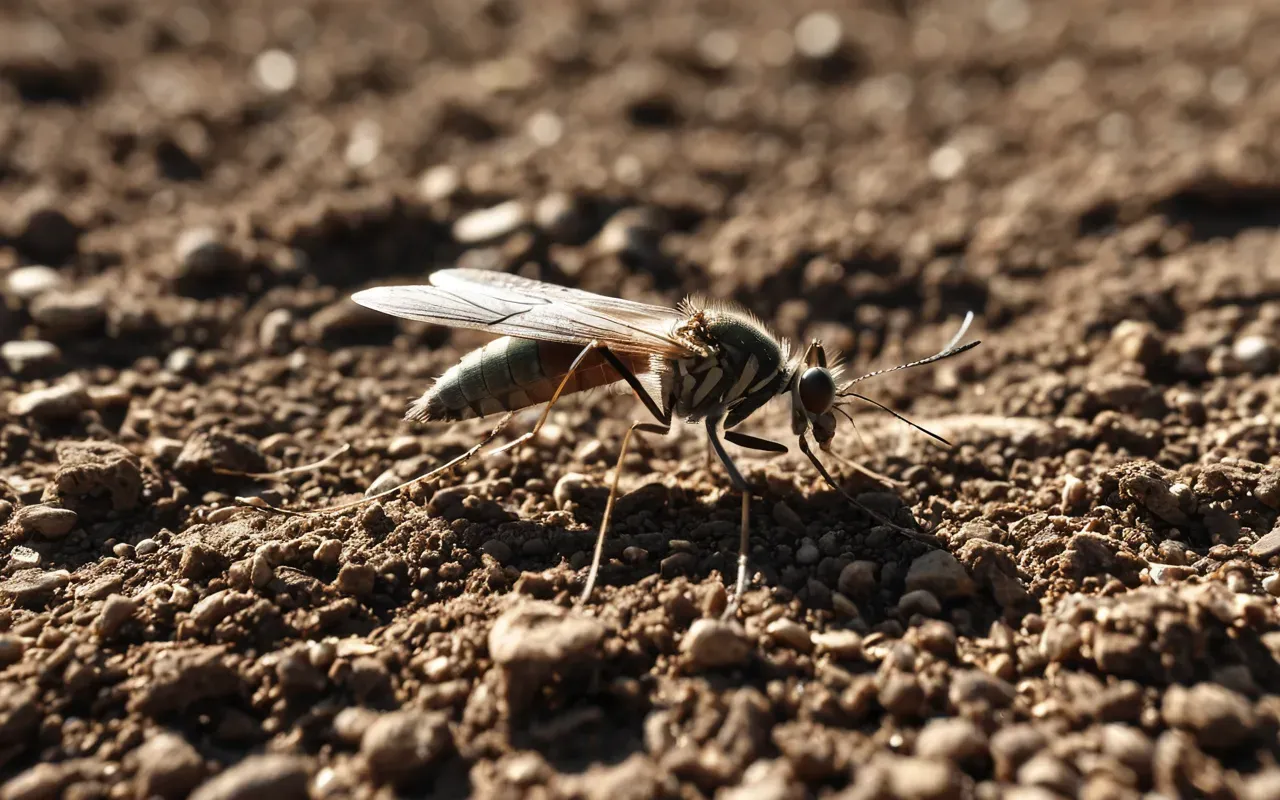
But look closer at the data. The real enemy was far smaller. It buzzed in their ears and landed on their skin without a sound.
A groundbreaking study from the Max Planck Institute reveals that ancient malaria likely shaped human migration and evolution in Africa for tens of thousands of years. This is not just a medical history lesson.
It changes how we understand the very roots of our species. If you have ever wondered why the stones at Göbeklitepe are older than farming, consider this parallel: disease, not just food availability, dictated where humans could survive and thrive.
For decades we believed climate was the boss. Rain came people moved. Deserts expanded people hid. But malaria adds a terrifying layer to that narrative.
The disease acted as an invisible wall. It split populations apart and forced them into isolated pockets for millennia.
Reconstructing The Invisible Barrier
How do you map a disease that killed people before writing existed? The researchers did not dig up bodies. They dug into the environment itself.
They focused on three major mosquito groups. These insects carry the Plasmodium falciparum parasite responsible for severe malaria today.
Using modern data on where these mosquitoes live scientists built complex models. They linked mosquito survival to rainfall temperature and vegetation density.
Then they ran the clock backward. They projected these models back seventy-four thousand years using paleoclimate simulations of Africa.
The results were startling. The maps showed that malaria risk increased dramatically across sub-Saharan Africa over time.
One major spike happened between sixty and fifty thousand years ago. This was right when humans started moving out of Africa in large numbers.
Another huge surge occurred around thirteen thousand years ago. This was long before agriculture became widespread.
This challenges a huge assumption in archaeology. We often think farming created malaria by creating stagnant water for mosquitoes.
But this study shows the opposite. Climate changes alone allowed malaria to thrive before humans ever planted a single seed.
Why Humans Avoided The Buzz
Here is the thing that really struck me. Ancient humans knew where not to go.
The researchers compared their malaria maps with archaeological sites. The overlap was minimal. Humans consistently avoided areas with high transmission potential.
They did not have blood tests. They did not understand germs. But they understood sickness and death.
Some ancient bedding sites contain aromatic plants. These herbs likely repelled insects. It suggests a sophisticated understanding of environmental threats.
This avoidance created fragmentation. Groups were isolated in safe pockets while dangerous zones separated them.
Think about the implications for genetic diversity. If malaria kept groups apart it explains why we see such distinct lineages in modern populations.
It also aligns with the timeline of sickle cell mutations. These genetic traits offer protection against severe malaria and emerged around twenty-five thousand years ago.
The mutation timing matches the study’s finding that malaria was spreading widely before farming.
The Ripple Effect On Culture And Belief
This disease barrier did more than split genes. It likely influenced culture and belief systems too.
When you are isolated in a safe zone surrounded by deadly disease your worldview shifts. You might develop rituals to keep the evil at bay.
Consider sites like Göbeklitepe. The rituals performed at such ancient temples may have been partly driven by the need for community cohesion in times of environmental stress.
Disease creates fear. Fear drives religion. Religion builds monuments.
Rewriting The Timeline Of Survival
We need to stop seeing climate as the only player. This study proves that disease ecology was just as powerful.
It shaped where we lived. It shaped who we mixed with. And it likely influenced the stories we told ourselves about the world.
The next time you read about early human migrations look for the invisible lines. The ones drawn by mosquitoes and fever.
Our ancestors were smart. They navigated a world full of unseen dangers with nothing but instinct and observation.
And honestly? That makes their achievements even more impressive. They built civilizations while fighting a war against invisible killers.
If you want to understand the true complexity of early human life you have to look beyond the rocks and tools.
You have to see the invisible walls that guided their every step. This research flips the script on how we view our own origins.