Why The Gobeklitepe Stones Are Older Than Farming
The Stone Circle That Broke The Rules
I remember standing at the edge of the excavation pit in Şanlıurfa. The sun beat down on the limestone T-shaped pillars. It felt heavy. Not just the heat. The weight of time. Twelve thousand years. Before writing. Before metal. Before farming. Just people. And stone.
We were taught a simple story. Humans wandered. Then they planted seeds. They settled. They built temples. But Göbeklitepe flips that script. The stones came first. The farming came later. By thousands of years. It forces us to rethink everything. Why build a massive monument if you are still hunting and gathering?
This site sits near the modern town of Örencik. It was hidden under a mound of earth until the 1990s. Local farmers noticed the stones. They called it the Hilly Belly. That is what Göbeklitepe means. The mound looked artificial. It was not natural. Archaeologists soon realized they were looking at something ancient. Something huge.
The T-Shaped Pillars And Their Mystery
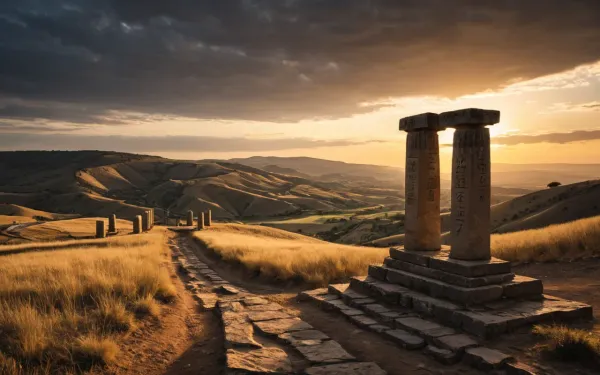
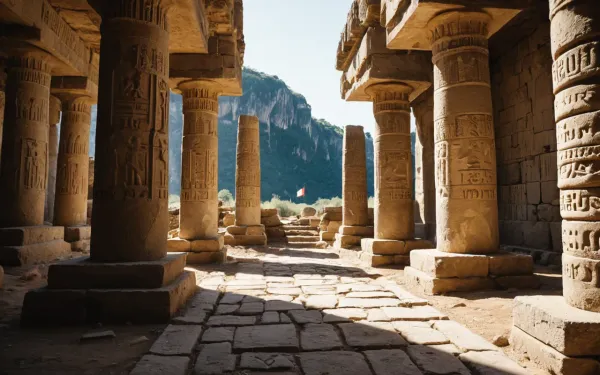
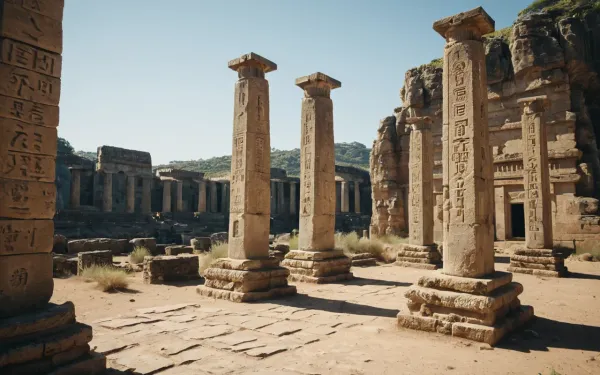
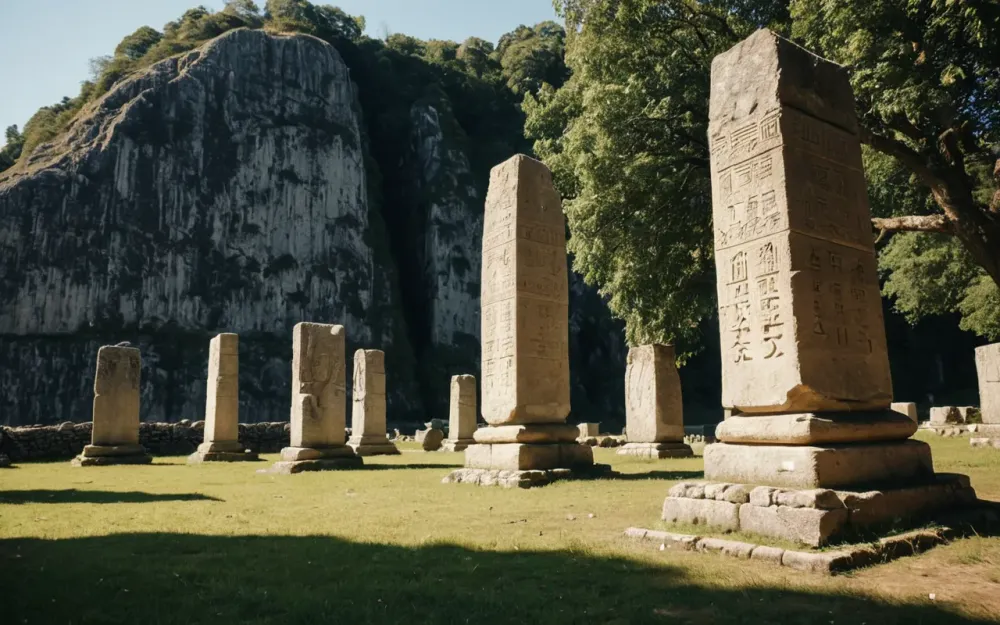
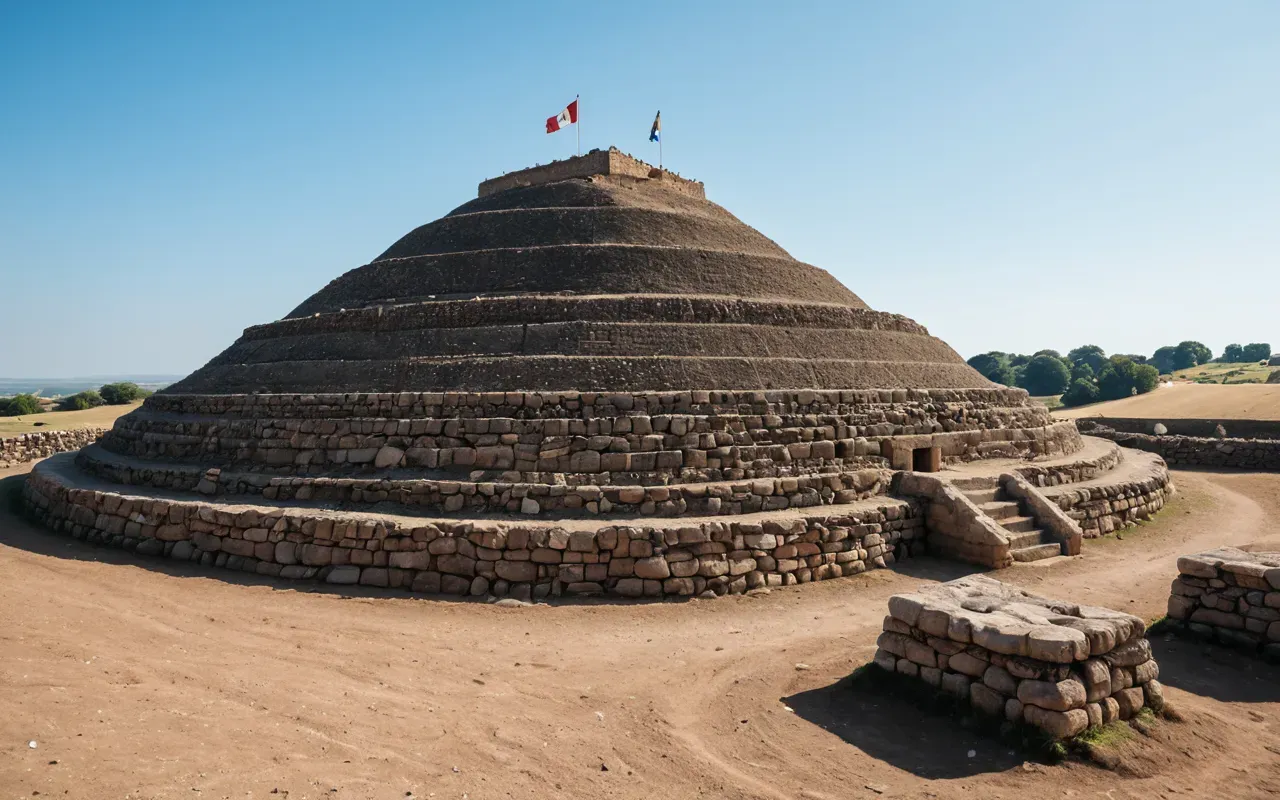
The pillars are the stars of the show. They stand up to six meters tall. Some weigh over sixteen tons. They are carved from local limestone. Each one features arms or hands. Some have belts. They face inward. They form circles. It looks like a gathering. A ritual space. Not a home. Not a fortress.
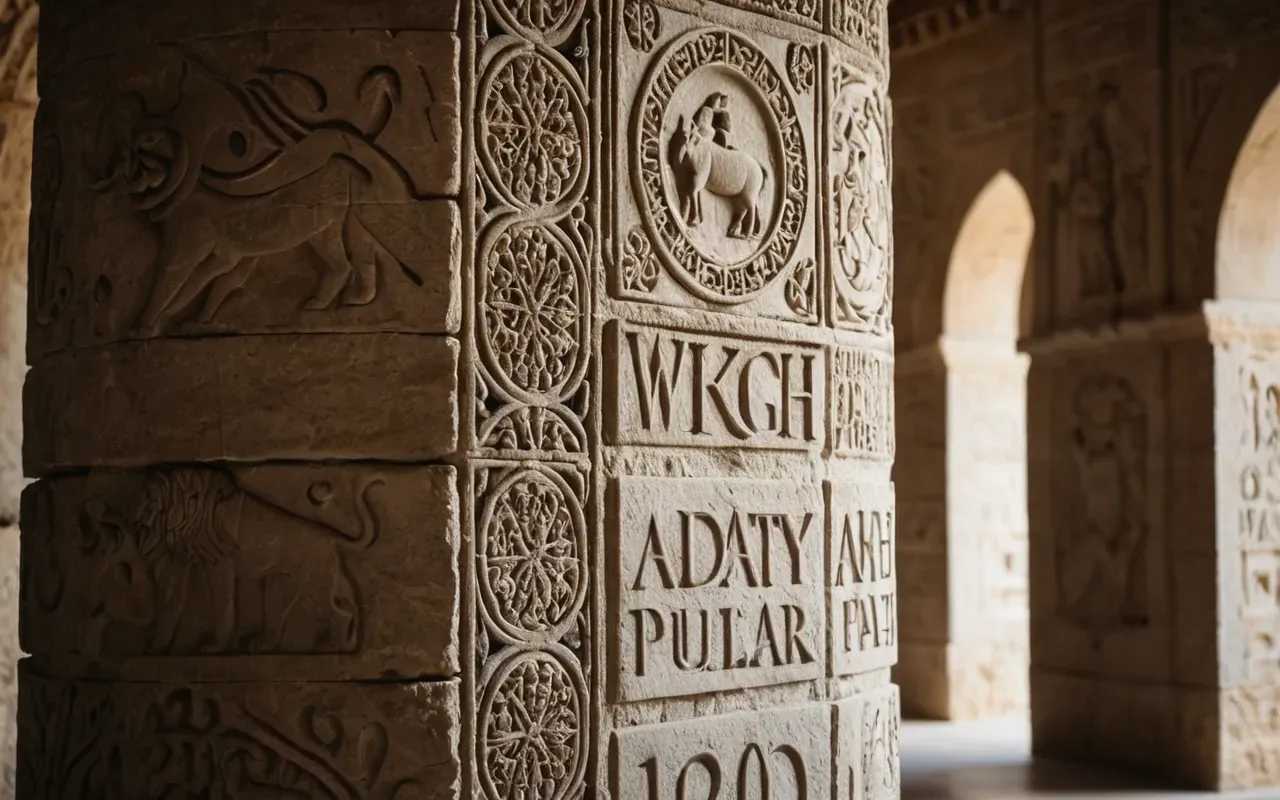
But here is the twist. The carvings are not random. You see vultures. Foxes. Cranes. Boars. They are carved in high relief. It takes skill. It takes time. It takes organized labor. Where did this come from? Hunter-gatherers were supposed to be simple. They were supposed to live from day to day. Yet they moved these massive stones.
I have walked through the open-air museum. The scale is hard to grasp. The central pillars are thicker. They look like hosts. The smaller ones line the edges. It feels like an audience. Did they dance? Did they chant? We do not know. But the effort was immense. It suggests a shared belief system. A powerful social glue.
Why The Timeline Matters So Much
Carbon dating places the earliest structures around 9500 BCE. Farming in the region started around 8000 BCE. That is a gap. A big one. Almost two thousand years. Why build first? Why not settle first? The old model said food surpluses allowed for special projects. Göbeklitepe says the project came first. The food followed.
Think about the logistics. Feeding workers. Moving stone. Planning layouts. It requires coordination. It requires leadership. Or at least strong social bonds. Maybe the temple built the city. Maybe the ritual created the need for stability. We see why we were wrong about civilization starting with farms when we look at the evidence here.
The site was intentionally buried. Layers of stone and soil cover the circles. It took decades to uncover. The burial was not accidental. It was careful. It suggests a ritual end. A closing of a chapter. Why bury your temples? It speaks to a mindset we do not fully understand. It hints at a deep spiritual practice.
The Hidden Faces In The Stone
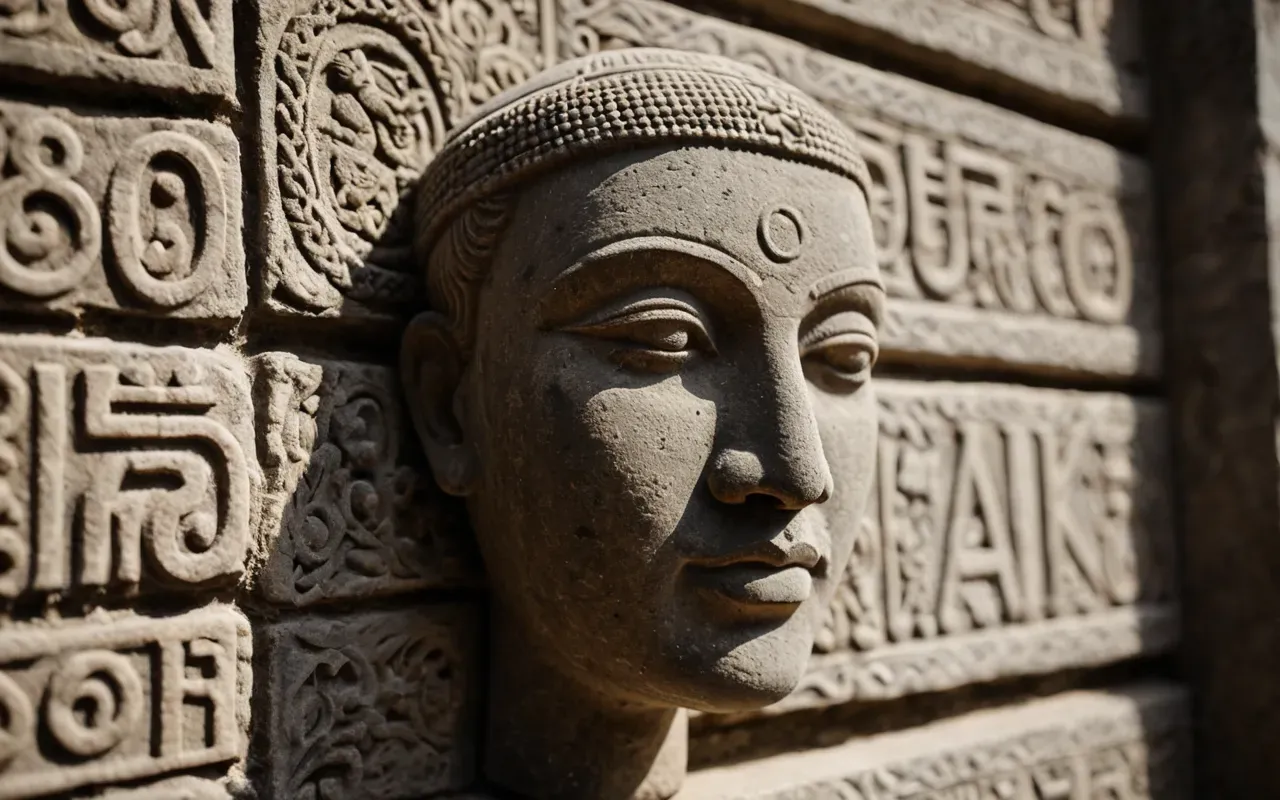
Recent finds have added to the mystery. A human face was carved into a wall. It is not a statue. It is a relief. It shows a bearded man. The style is different. It looks almost modern. It challenges our view of Neolithic art. It suggests a sophistication we did not expect. See the dead face at gobeklitepe that rewrites everything for more on this find.
This face is not just decoration. It is placed deliberately. It might represent a leader. Or a deity. Or an ancestor. The eyes are open. The mouth is closed. It stares out. It feels personal. It connects the past to the present. It makes you wonder who they were. What did they believe? The face gives a human touch to the stone giants.
The Rituals And The Reality
We assume rituals involved sacrifice. Blood. Feasting. But the evidence is mixed. Animal bones are found. Mostly wild boar and gazelle. No domestic animals. The bones show cut marks. They were butchered. Maybe for food. Maybe for ritual. It is hard to tell. The site is clean. No homes. No trash pits. It was a special place.
The layout suggests movement. People walked around the circles. Maybe in circles themselves. The central pillars act as anchors. The smaller ones guide the flow. It feels choreographed. It feels intentional. This was not a random camp. It was a designed space. A place for gathering. For sharing stories. For connecting to the divine.
The region today is hot. Dry. But it was wetter then. The Euphrates was closer. Water was available. That helped sustain the gatherings. The climate changed. The site was abandoned. The stones were buried. It was a cycle. Build. Use. Bury. Move on. It shows a deep respect for the land. And the past.
What This Means For Modern Turkey
Göbeklitepe is now a UNESCO site. It draws thousands. It is a source of pride. It shows that Turkey is not just Roman or Ottoman. It is older. Much older. It is the cradle of something. Maybe not farming. But certainly belief. The stones stand as proof. Proof that early humans had complex thoughts. Complex social structures.
The local people know the site. They have lived near it for centuries. They called it the devil's place. Maybe because of the stones. Maybe because of the stories. Now it is a treasure. It brings jobs. It brings tourism. It brings attention to Şanlıurfa. A city with deep roots. A city that holds the key to our past.
I have seen the impact. The roads are better. The museums are new. The guides are trained. It is a positive change. But it is also a challenge. How do you protect a site this old? How do you balance access and preservation? It is a tightrope. But the stones are safe. They are watched. They are respected.
The Unanswered Questions
Who exactly built it? We do not know. No names. No kings. No dynasties. Just people. Working together. Using simple tools. Copper was not yet widespread. Stone tools did the work. It was slow. It was hard. But they did it. It shows determination. It shows vision. It shows that we are capable of amazing things. Even without technology.
Why the animals? Why the vultures? Vultures eat the dead. Maybe it was about death. Maybe it was about rebirth. The foxes are clever. The cranes fly high. Each animal has a meaning. We are still decoding it. It is like a language. A silent language. Carved in stone. Waiting for us to understand. It is a puzzle. A beautiful puzzle.
The site is not finished. Excavations continue. New circles are found. New carvings appear. Each season brings more. It is an open book. We are only on page one. There is so much more. So much to learn. So much to wonder about. The stones speak. We just have to listen. And respect the silence between the words.
Frequently Asked Questions
How old is Göbeklitepe?
Göbeklitepe dates back to approximately 9500 BCE, making it over 11,000 years old. This places it in the Pre-Pottery Neolithic period. It predates Stonehenge by about six thousand years. It also predates the Egyptian pyramids by seven thousand years. It is one of the oldest known monumental structures in the world.
Who built the stone circles?
The builders? Most likely hunter-gatherer groups from the area. Not settled farmers — these people moved stone using simple leverage and wooden tools, nothing fancy. And here's the thing: no written records exist to name anyone specific. So the construction must have required coordinated labor across multiple groups. That suggests a shared cultural or religious motivation, not a royal decree.
Why was the site buried?
Archaeologists believe the site was intentionally filled with rubble and soil after people stopped using it. That points to some kind of ritual closure. The builders may have viewed the end of the temple's life as a sacred event. Honestly, burying the stones protected them from erosion and looting. But it also preserved the site beautifully for modern discovery.
Can visitors see the excavation?
Yes, visitors can tour the open-air museum and see the exposed pillars. The site is accessible to the public near Şanlıurfa. Guided tours are available. The surrounding museum displays artifacts found during excavation. It's a protected UNESCO World Heritage site. Just a heads up: visiting hours may vary by season.
What do the animal carvings mean?
The animal reliefs probably held symbolic or spiritual significance. Vultures may represent death or the sky. Foxes might symbolize cunning or the underworld. Cranes could indicate seasonal cycles. The exact meanings? Nobody knows for sure. But they likely served as a visual language for rituals. They connected the people to the natural world.