Netflix Skipped The Oldest City On Earth And It Is Hiding In Plain Sight
The Streaming Gap In Ancient History
You've probably binge-watched a series about the rise of Rome. Maybe you streamed a documentary on the pyramids of Giza, or the fall of Sumer. These shows dominate our screens because they feature kings, armies, and dramatic betrayals.
But there is a massive hole in that narrative. A site so old it predates all of them by thousands of years sits quietly on the edge of a plateau. It has no king, no written language, and no army.
I am talking about Göbeklitepe. To be fair, it does not fit the mold of a typical historical drama. There are no chariot races here. No grand palaces to loot or burn down.
Yet it is the oldest known monumental architecture in human history. And that is exactly why streaming platforms seem to ignore it.

Why Our Screens Favor The Settled World
Here is the thing about storytelling. We love a protagonist with clear stakes. A general defending a city or a queen navigating court politics gives us something to grab onto.
Göbeklitepe offers none of that. It was built by hunter-gatherers who did not live in cities yet. They had no writing system to leave us letters or diaries.
So how do we know they were there? We have the stones. And those stones tell a story that is far more unsettling than any scripted drama.
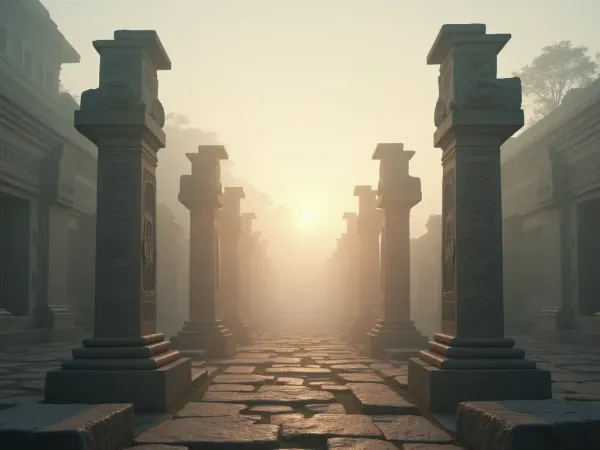
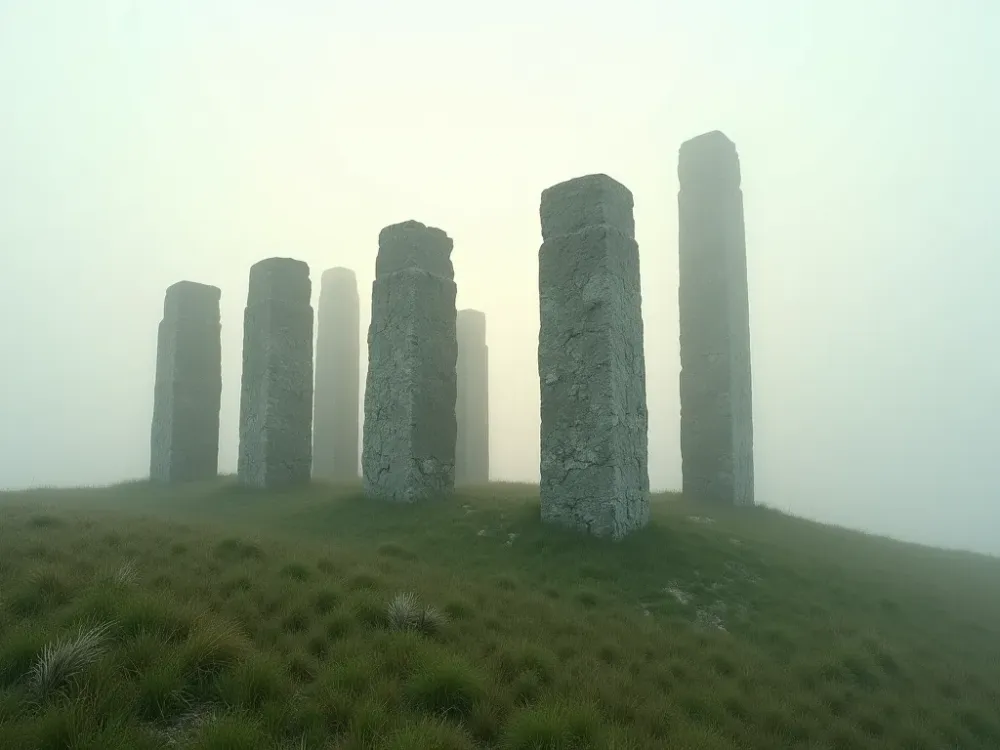
The site features massive T-shaped pillars. Some are taller than two men standing back to back. They weigh up to ten tons each.
Imagine moving that much limestone without wheels or draft animals. Now imagine doing it for a structure you will never live in.
That is the puzzle that keeps archaeologists up at night. And it is a puzzle our modern media has completely failed to unpack.
The Builders Who Did Not Farm
For decades we assumed a simple timeline. Humans learned to farm first. Then they built cities. Finally they developed religion and complex social structures.
Göbeklitepe breaks that sequence completely. The people who built it were still hunting aurochs and gathering wild grains.
They did not have permanent homes nearby. There is no evidence of a large settled population living on the plateau itself.
So why build something so massive? My guess is that they built it to come together. To share food and stories during specific times of the year.
If you want to see how this challenges our assumptions about early human engineering check out the real reason humans built before farming. It is a perspective that really shifts your brain.
The Social Glue Of The Stone Circle
Think about a modern festival. People travel from miles away to gather in one place for a few days. They share meals and music.
Göbeklitepe was likely the same but on a much grander scale. The architecture served as a social hub for scattered groups.
This gathering might have been the actual spark that led to agriculture. If you need food for a huge crowd it helps to grow some nearby.
Why This Matters To Modern Viewers
We often look back at history and see it as a ladder. Each rung is higher than the last. But Göbeklitepe shows us that early humans were not lower on this ladder.
They had complex beliefs and sophisticated planning. They just expressed it differently than the empires we are used to watching on screen.

What The Missing Shows Should Have Covered
If a studio were to produce a high-quality series on this site it would need to focus on the human element. Not just the stones but the people who shaped them.
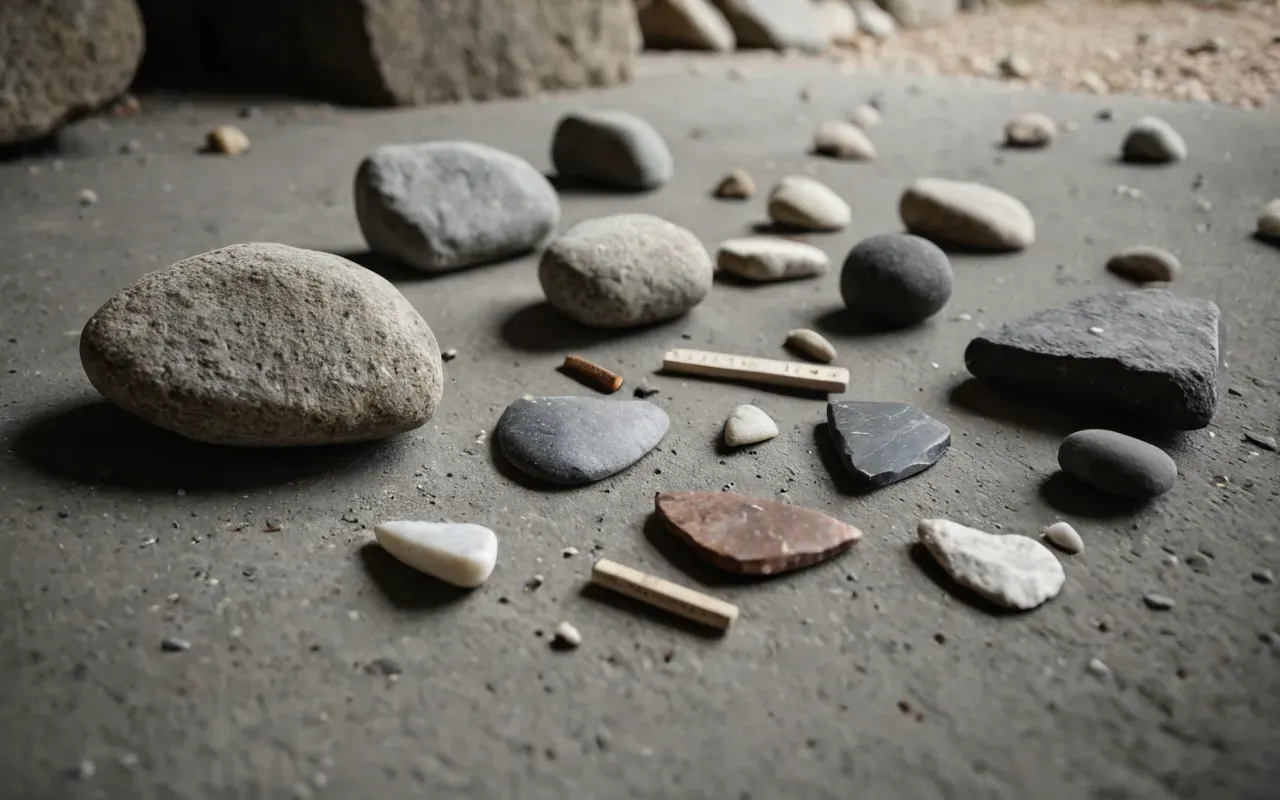
We would need to see the tools they used. The chisels and hammers that allowed them to carve intricate reliefs into hard limestone.
We would need to understand the logistics. How did they transport materials up a steep slope without wheels?
This is where the engineering gap in history that nobody talks about becomes crucial. It highlights a skill set we have long underestimated.
And let us not forget the artistry. The pillars are covered in animals and abstract symbols that suggest a rich spiritual life.
The Hidden Narrative Of The T-Shaped Pillars
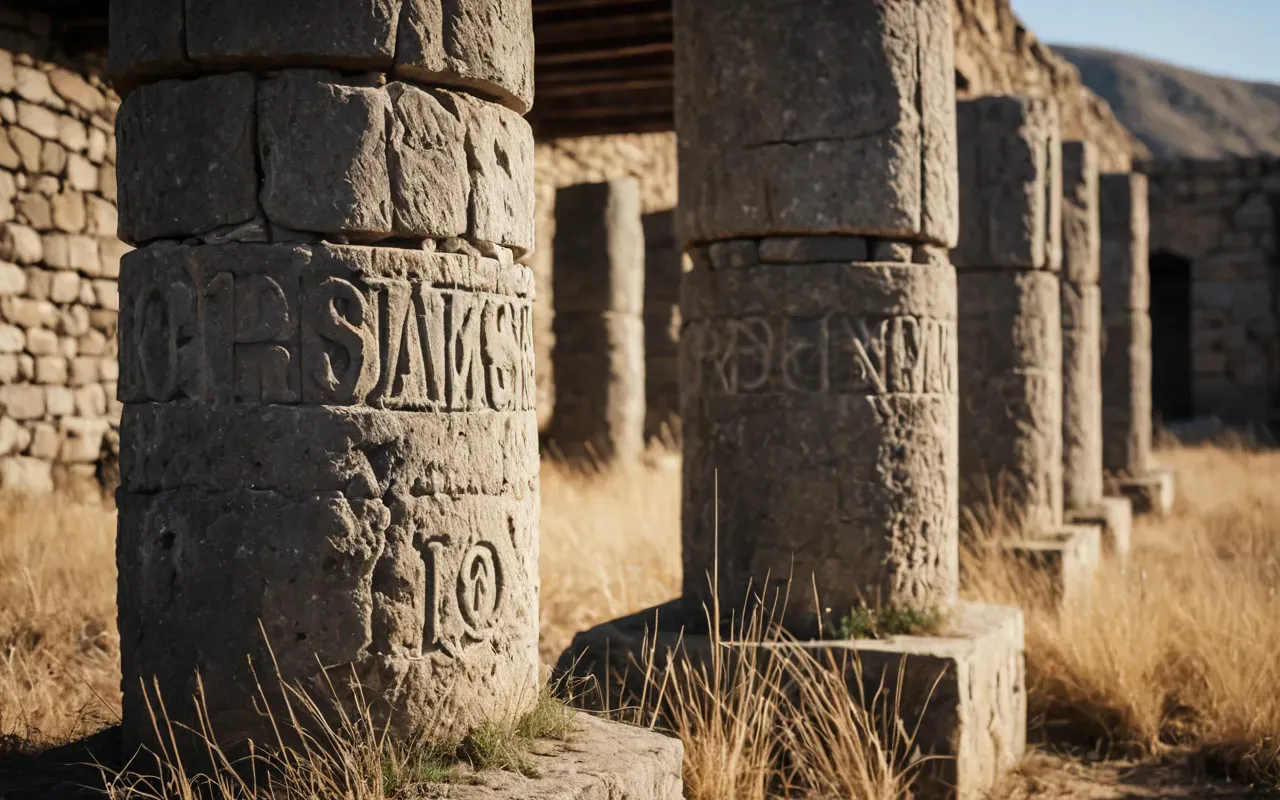
Look closely at the carvings on those pillars. You will see foxes and boars. Birds and snakes.
But notice what is missing. There are no depictions of the people who made them. No human figures in the reliefs.
This is a fascinating mystery. Some scholars believe these pillars represented ancestors or deities. If so the builders were projecting themselves into stone.
It is a subtle but profound idea. They did not carve their own faces because they were the living world and these stones were its memory.
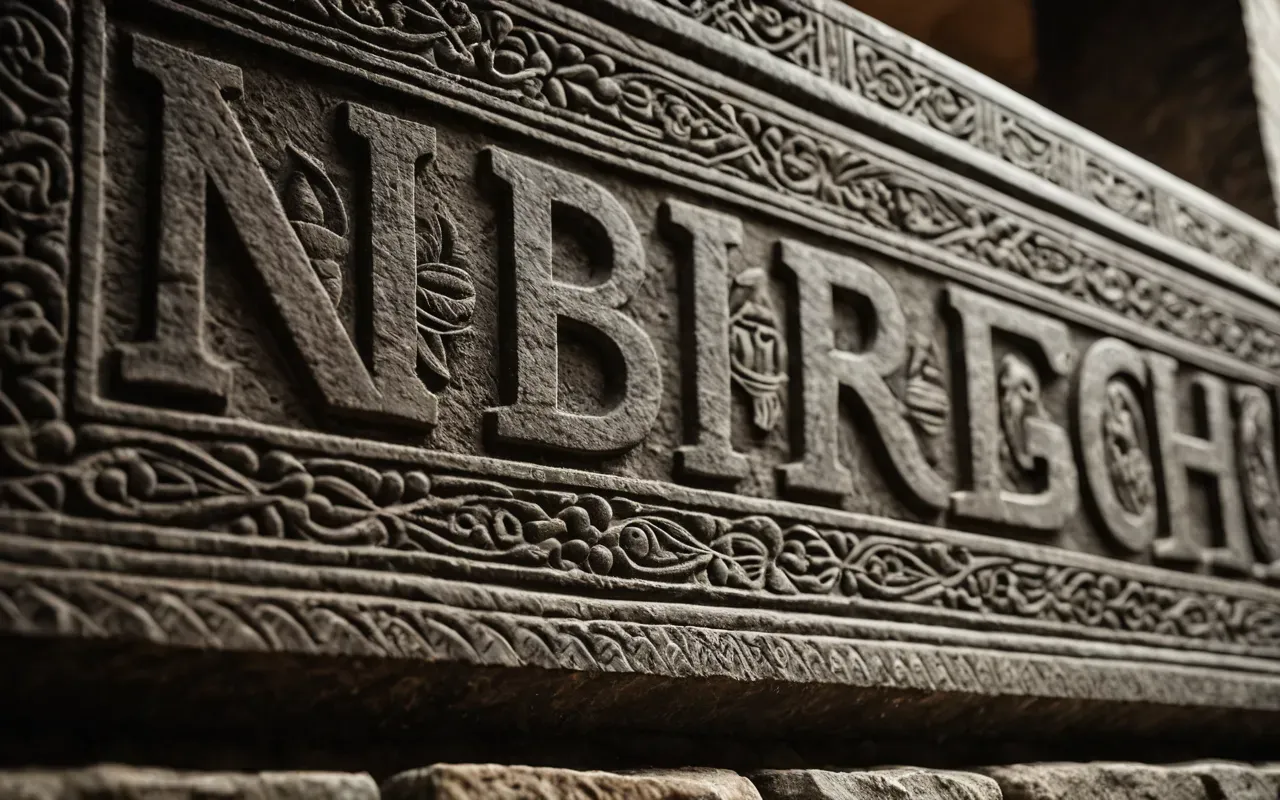
Decoding The Animal Symbolism
Each animal likely held a specific meaning. A fox might represent cunning or the wild. A boar could symbolize strength or danger.
Together they form a visual language that we are only beginning to read. It is not text but it carries meaning.
This predates written script by thousands of years. It suggests that humans have always had a need to communicate complex ideas through images.
Why You Should Care About This Omission
When we skip this era in our media we are not just missing a show. We are missing a fundamental part of who we are.
It changes how we view our own ancestors. They were not just surviving. They were creating meaning and beauty long before they had the tools to build cities.
And honestly it makes you wonder what else we are missing. What other stories from the deep past have been lost because they did not fit our modern narrative?
If you are interested in how these gaps affect our understanding of early survival check out the stone age gear that rewrote the timeline. It is a fascinating look at practical innovation.

Frequently Asked Questions
Why is Göbeklitepe not in most ancient civilization shows?
Most media focuses on settled empires with kings and armies because they offer clear dramatic narratives. Göbeklitepe was built by hunter-gatherers without written records or political structures making it harder to dramatize for a general audience.
How old is the site compared to other famous landmarks?
Göbeklitepe dates back roughly years. This makes it significantly older than the pyramids of Giza or Stonehenge which were built thousands of years later during more advanced periods of human development.
Did the builders of Göbeklitepe live in permanent cities?
No there is no evidence that a large settled population lived on the plateau. The builders were likely nomadic hunter-gatherers who gathered at specific times of the year to perform rituals and socialize.