The Stone Age Gear That Rewrote The Timeline
The Detail That Breaks The Timeline
You know the story. Humans learned to farm, settled down, and then built big things like Göbeklitepe in southeastern Turkey. It's tidy, it fits the syllabus, and your history teacher probably said it with a straight face.
Here's the thing. The tools they used to carve those T-shaped pillars look like something that should show up a few thousand years later in a much more developed workshop.
I've spent way too many hours reading field notes about the site's stone tools and I keep coming back to one uncomfortable fact. The engineering was ahead of the society we expected it from.
So let's zoom in on one specific, often skipped detail. How exactly did they cut limestone into shapes that look almost machined?
The Tool Problem Nobody Talks About At Dinner
Standard textbook answer: they used stone hammers and abrasive sand to grind the curves into shape. Slow work. Very slow.
But the actual tool assemblage tells a different story. We're talking about carefully shaped chisels and picks made from flint or obsidian that show wear patterns consistent with repeated, targeted strikes.
That's not just hammering. That's technique. And it implies a workshop culture we usually reserve for the Bronze Age.
Think about what that means. A group of people who hadn't fully settled into farming were already running specialized tool production with clear division of labor.

Why The Pillars Look Too Clean For Their Age
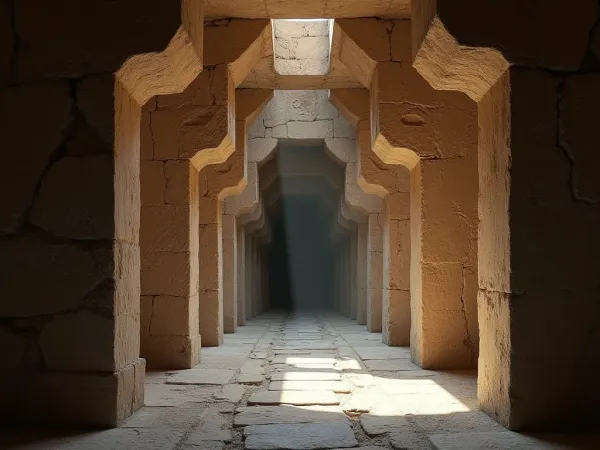
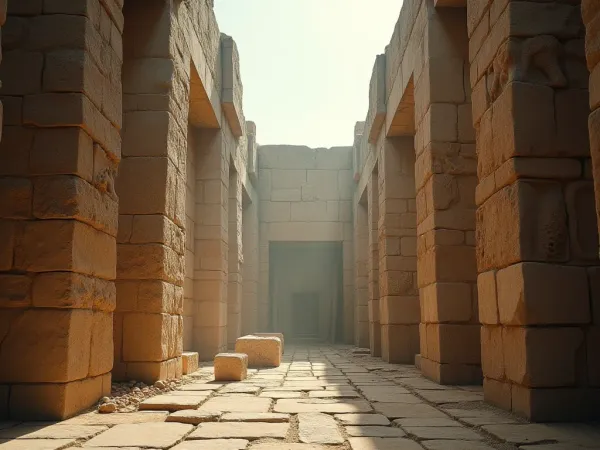
Walk into the reconstructed area at Göbeklitepe and you'll notice something odd. The edges are smooth in a way that doesn't match crude hand-pecking.
The T-shaped pillars have flat faces with subtle bevels. The animal reliefs sit in shallow recesses that require controlled depth cuts.
I've compared photos of the site with later Neolithic workshops and the difference is startling. This wasn't trial-and-error. This was repeatable craft.
And here's where it gets spicy for anyone who thinks technology always follows social complexity. It clearly doesn't.
The Workshop Model That Changes Everything
Imagine a small team of specialists. One person knaps tools from local flint. Another tests edges against limestone chips until they find the right angle.
A third person handles transport of finished pieces to a staging area. This isn't chaos. It's a pipeline.
Now scale that up to building circular enclosures with pillars as tall as two adults. You need scheduling. You need material flow.
That's not just ancient technology. That's early project management with stone tools instead of spreadsheets.

What The Tool Wear Patterns Actually Show
Microscopic analysis of Neolithic chisels reveals polished edges with striations that match repeated contact against hard stone.
Some pieces show notches consistent with prying or wedging. Others have rounded tips from grinding against abrasive material.
The variety matters. It means the builders weren't using one magic tool for everything. They had a kit.
And that kit was good enough to produce results we'd normally associate with much later periods. Honestly, it's a bit humbling.
The Farming Myth That Keeps Getting Broken
We still teach that agriculture came first and then big construction followed. Göbeklitepe's tool evidence suggests the opposite sequence is possible.
Maybe people gathered for ritual or social reasons and built monumental structures before they fully committed to farming.
If you're curious about how the stone tools that prove we built before farming challenge the standard narrative, it's worth a read.
The point isn't that farming is unimportant. It's that the order of events was messier than we assume.
How A Single Chisel Changes The Story
One well-preserved flint chisel can tell you more about a workshop than ten years of speculative essays.
The angle of the blade, the length of the working edge, even where it broke can hint at how often it was used and what kind of cuts it made.
I've seen enough field photos to say this with confidence. These tools were treated like valuable assets, not disposable scrap.
That's a mindset shift. It means people were thinking about efficiency and reuse thousands of years before written records.

The Engineering Mindset Behind The Pillars
Building a circular enclosure isn't just about stacking stones. It's about geometry, load distribution, and keeping the structure stable.
The T-shaped pillars at Göbeklitepe had to be placed with care so they wouldn't tip or crack under their own weight.
That requires planning. It requires people who can visualize a finished structure before the first stone is cut.
And it requires tools precise enough to make that vision a reality. If you want more on the hidden engineering that broke the timeline, this is exactly where it gets interesting.
Why This Matters For How You Read History
Most people think of ancient technology as crude and slow. Göbeklitepe's stone tools say otherwise.
They were efficient enough to shape monumental architecture with a small team and limited resources. That's not primitive. That's clever.
And it forces a question we don't like to ask. What else are we assuming about early human capability that simply isn't true?
The answer is probably more than you'd expect. If the tool kit at Göbeklitepe was that good, imagine what else they knew.
The Real Lesson Hidden In The Stone
Göbeklitepe isn't just a ruin. It's evidence that human ingenuity can outpace social organization.
A group of people with sharp tools and a shared goal could build something that still makes engineers pause.
That's the part I keep coming back to. Not the age of the site, but the skill behind it.
If you want a broader view of the engineering gap in Göbeklitepe history that nobody talks about, it's worth following the thread.
What The Tools Say About Social Life
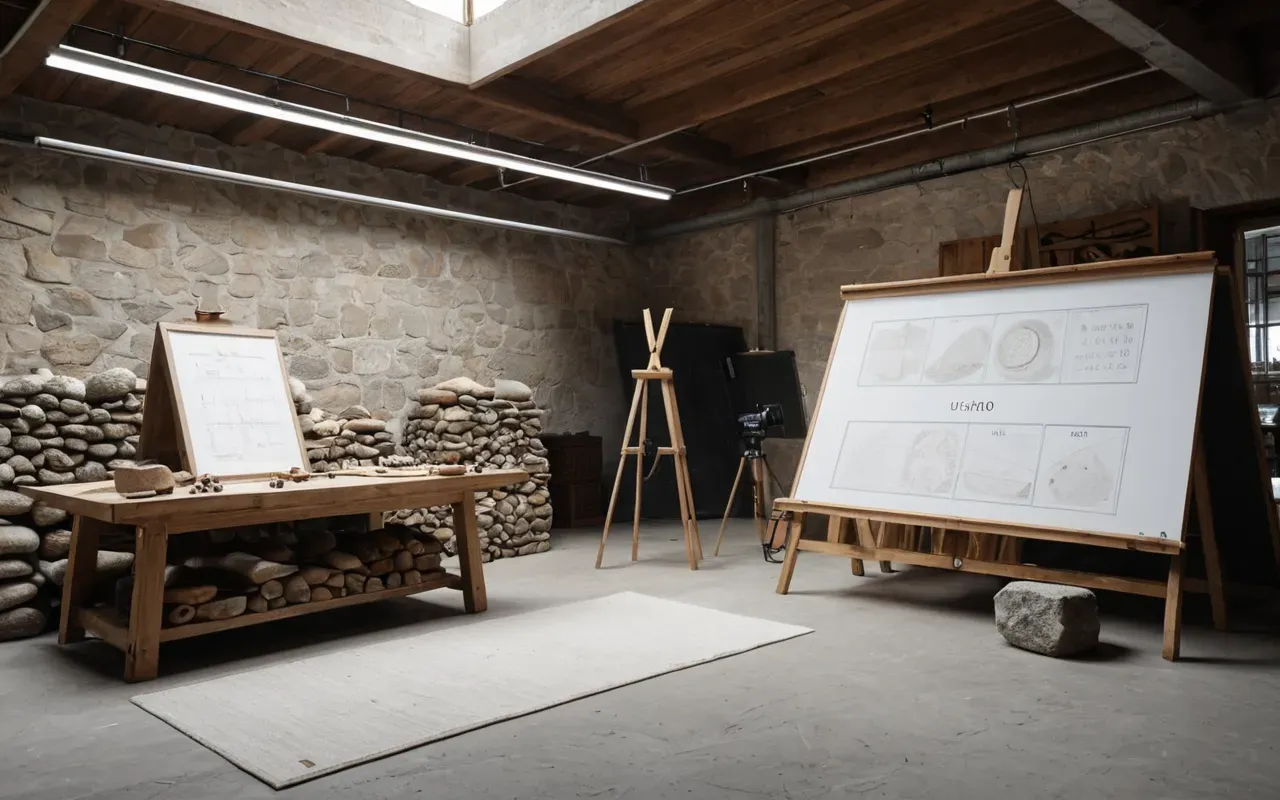
Specialized tool production implies people weren't all doing the same thing every day. Some carved stone while others gathered materials.
That's a form of social complexity we usually reserve for later periods. But here it is, embedded in the wear patterns on flint.
It suggests a community organized enough to support specialist roles without writing or formal hierarchy.
The Question Your History Class Never Asked
If you could build Göbeklitepe with the tools they had, how long would it take? A year? Five years?
The honest answer is we don't know. But the evidence suggests it was a project that required sustained effort and coordination.
And that's exactly why the site matters. It forces us to rethink what early humans were capable of with nothing but stone and skill.
Frequently Asked Questions
What tools were used to build Göbeklitepe?
Builders at Göbeklitepe primarily used flint or obsidian chisels and picks to cut limestone. These tools show wear patterns consistent with repeated targeted strikes and controlled shaping.
How old is Göbeklitepe in Turkey?
Göbeklitepe dates to roughly , years ago. It is one of the oldest known monumental sites and predates most early agricultural communities by several centuries.
Why are the T-shaped pillars important?
The T-shaped pillars demonstrate advanced stone carving and structural planning. Their precise shapes suggest specialized tool use and a level of engineering skill previously attributed to later periods.
Did Göbeklitepe exist before farming?
Yes. Evidence suggests the site was built during a period when full-scale agriculture had not yet become dominant. This challenges the traditional sequence of farming first and monumental construction second.
What does Göbeklitepe teach us about early human life?
Göbeklitepe shows that early humans had the social organization and technical skill to build complex structures. It also suggests that ritual or communal activity may have driven large-scale construction before full settlement.