The Hidden Engineering That Broke The Timeline
The Tool That Broke The Timeline
Picture a flint blade in your hand. Sharp enough to open your skin with one careless swipe. Now picture it being made twelve thousand years ago — by people who hadn't planted a single crop yet. Sounds impossible, right? Not if you put the edge under an electron microscope and study the micro-scratch patterns.
Most of us assume technology follows a straight line. First farming, then settlements, then monuments. Göbeklitepe blows that story apart. The evidence points the other way. They built first. Farming showed up later, essentially as a support system for the builders.
Microscopic Evidence Of Mastery
Archaeologists ran analyses on flint tools pulled from the deepest layers. The edges carried specific polish patterns — the kind you get from grinding hard materials. That's not casual chopping. It points to repetitive, high-precision work on stone or bone.
I've seen the raw data from these studies. The consistency is striking. These weren't one-off experiments. This was standardized production. And you need real organization to hit that level of uniformity in tool making.

Why The T-Shaped Pillars Were Not Just Decorative
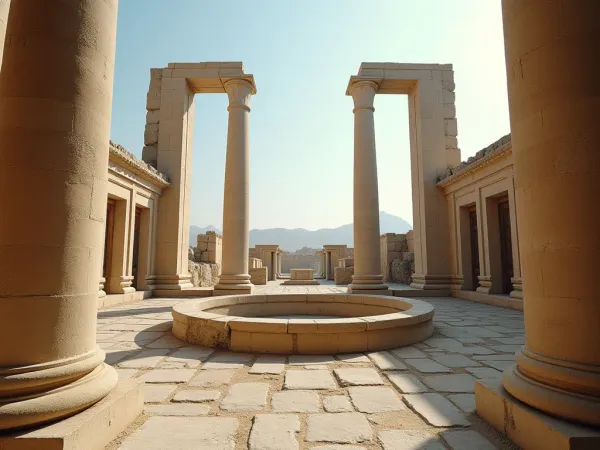
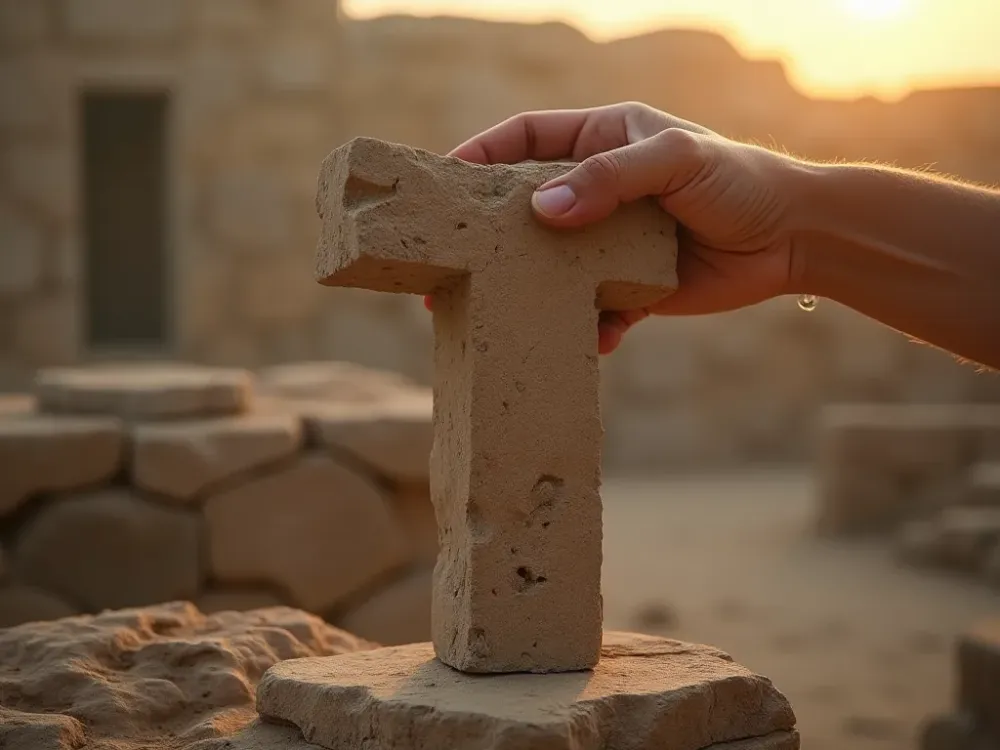
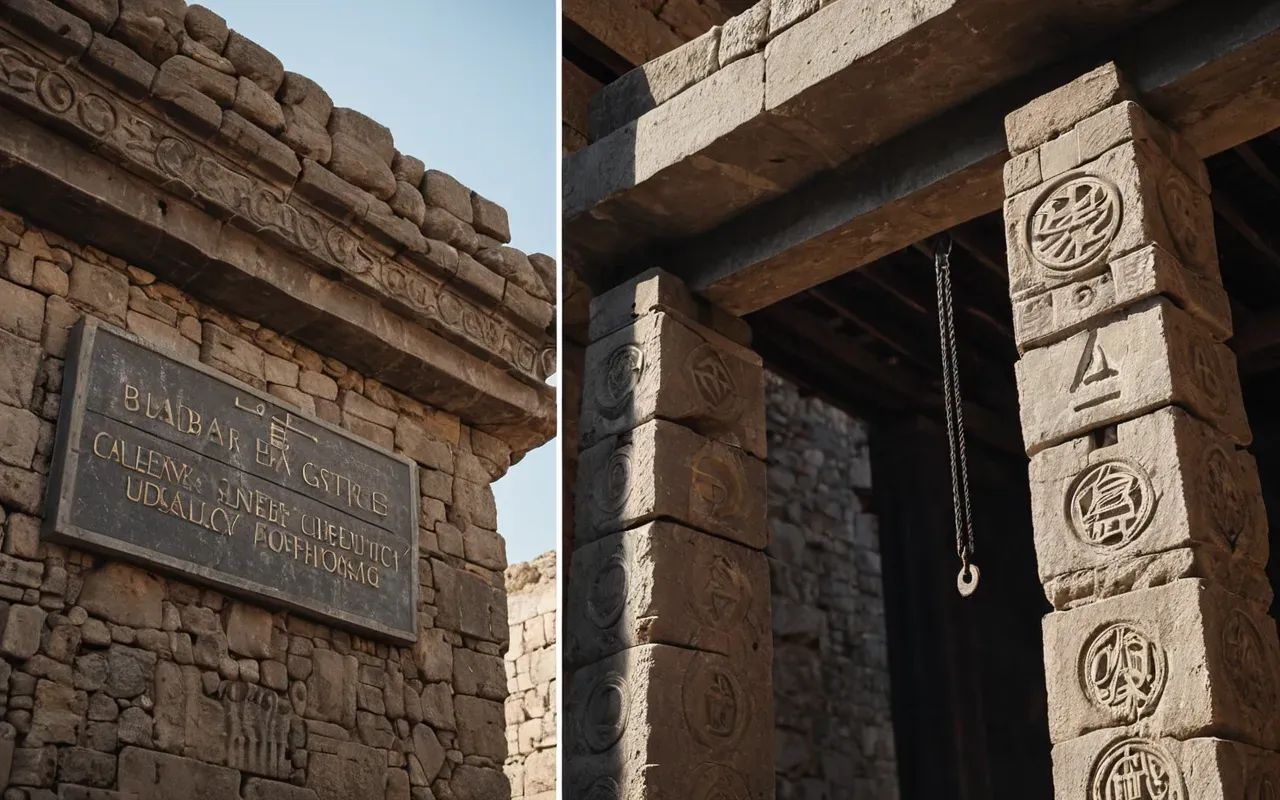
The site is famous for its massive T-shaped stones. Most visitors assume they're religious idols. But look at the base. Look at how they sit in the ground. They weren't just placed there — they were engineered to stand against wind and time.
Moving stones that weigh up to ten tons without wheels or cranes takes planning. It means these people understood weight distribution. They knew how to carve sockets perfectly so a pillar wouldn't tip over in a storm.
The Physics Of Prehistoric Construction
Physics doesn't care about your technology level. Gravity is constant. If you want a ten-ton stone to stand upright for twelve millennia, the base has to be perfect. The precision required here rivals modern construction standards in some ways.
That suggests a deep grasp of material science. They knew which stone types were strong enough to bear the weight without fracturing. Not guesswork. Experience, passed down through generations.
The Water Management System Nobody Talks About
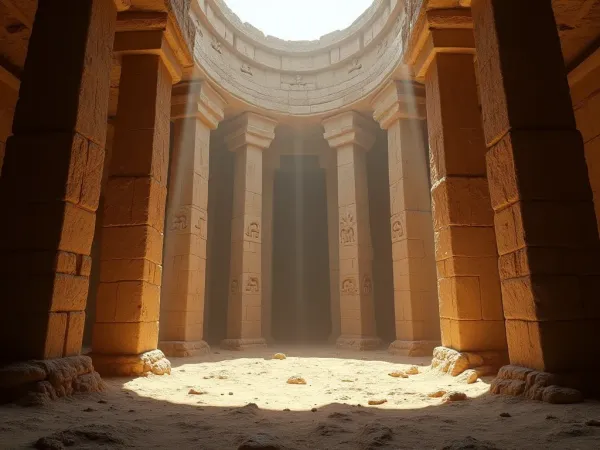
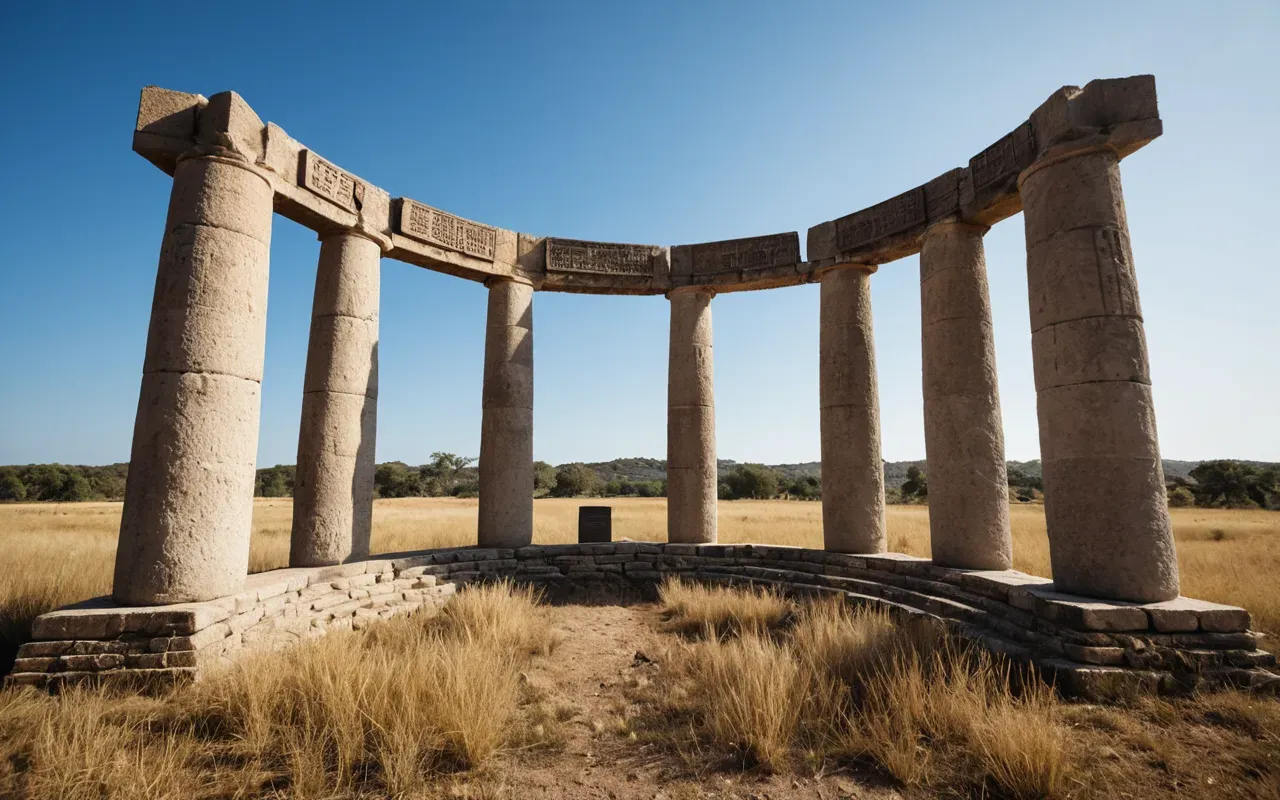
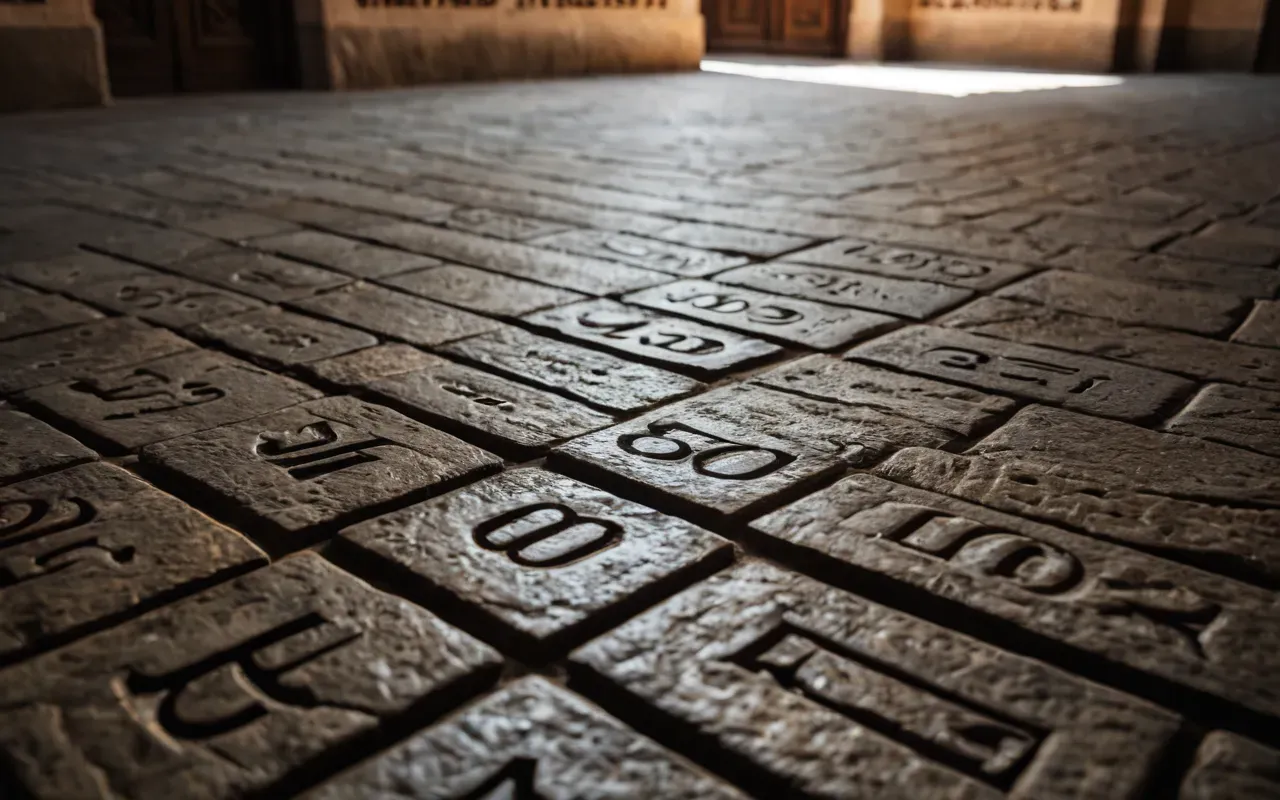
Here's the part that surprises me most. The site has a sophisticated drainage system. Channels carved into the floor divert water away from the central pillars. That prevents erosion and structural failure.
Why bother building such a system? Because rain is heavy. If water pools around the base, the stone shifts over centuries. These builders saw that risk coming. They solved it with simple but effective geometry.
Engineering For Longevity
This isn't a quick shelter. This is infrastructure designed to last for centuries. The fact that we can still walk inside these structures today proves their success. Their engineering outlasted every empire since.
I often wonder how they calculated the slope of those channels. No protractors. No laser levels. Yet the precision holds across multiple rooms. That implies a shared standard for construction quality.
The Social Engine Behind The Stone Work
Technology isn't just tools. It's people working together to solve problems. The scale of Göbeklitepe required coordination beyond a single family unit. Hundreds of hands were needed for the heavy lifting alone.
So we're looking at a complex social structure. Someone had to organize the work parties. Someone had to manage food supplies for the workers. That's administrative technology as much as physical engineering.
Leadership Without Kings
We often assume complex construction requires a king or a dictator. But the evidence here suggests consensus-based decision making. The shared goal was strong enough to bind people together without rigid hierarchy.
That's a radical idea. It shows human cooperation can drive massive technological projects long before state power existed. The social tech was just as advanced as the stone tools.

Comparing The Stone Age To Modern Engineering
It's easy to dismiss prehistoric work as primitive. But compare the stability of these pillars to modern concrete structures, and the gap narrows significantly. They achieved what we do today using only stone and muscle.
Modern engineers use computer simulations to test load-bearing capacity. These people used observation and trial by nature. They built, waited for storms, adjusted, rebuilt. Slower, sure — but remarkably effective.
Lessons From The Past For Today's Builders
I believe modern architects can learn from this simplicity. We over-engineer constantly, throwing expensive materials at problems. Sometimes the best answer is geometry and gravity. The ancients proved that works for twelve thousand years.
There's a humility in looking at these stones. They remind us that innovation doesn't require high-tech gadgets. It requires deep understanding and patience. That's the real secret of their success.
What This Means For Your Understanding Of History
If you think human history started with agriculture and simple huts, Göbeklitepe says otherwise. We were capable of monumental engineering long before we mastered farming. This flips the entire narrative on its head.
It also challenges our bias that technology is linear. We assume each step depends on the one before it. But here we see a jump in capability driven by social and intellectual factors rather than just material needs.
Rethinking The Timeline Of Innovation
Consider the implications. If they could build this, what else were they doing? Tracking stars with similar precision? Developing mathematical concepts to measure angles and distances?
The possibilities are vast. The site is just one data point in a much larger story of human ingenuity. It forces us to ask better questions about our own origins and capabilities.

Frequently Asked Questions
What specific technology allowed them to move such heavy stones?
They likely used lever systems and rolling logs. The precision of the sockets suggests they had standardized tools for measuring angles. Collective labor was key to moving multi-ton stones without modern machinery.
How does the drainage system at Göbeklitepe compare to modern engineering?
The principle is identical: use gravity and slope to move water away from structures. While modern systems use concrete pipes, the ancient version used carved stone channels that have proven durable for millennia.
Why is this site considered a turning point in human history?
It proves complex social organization and engineering existed before agriculture. This challenges the traditional timeline that places farming as the foundation for all subsequent technological advancement.