The Stone Tools That Prove We Built Before Farming
The Assumption That Broke The Timeline
We were taught that you plant crops first. You settle down. Then you build big things. That sequence feels logical to anyone who has ever managed a project budget or started a business.
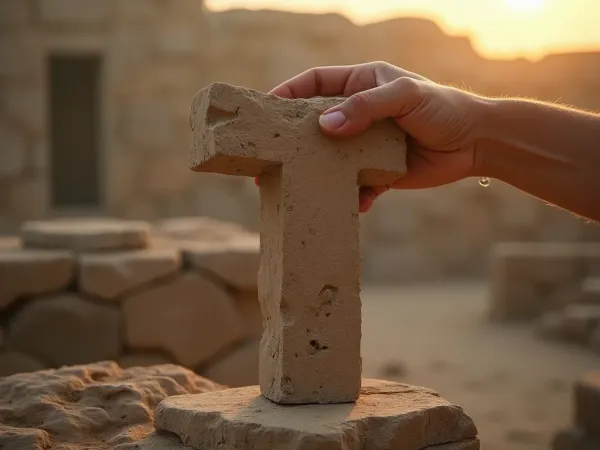
But look at the site near Şanlıurfa. The massive T-shaped pillars were standing there roughly twelve thousand years ago. Agriculture was not yet a stable practice for those people.
So how did you move a ton of limestone without wheels? How did you coordinate hundreds of people who still hunted gazelles for dinner?
The answer isn't magic. It is specific, gritty technology that we usually ignore because it doesn't fit the clean story of progress.

The Specific Tools That Made It Possible
Most people think of Neolithic tools as crude choppers. They imagine a guy banging rocks together. That is not what the archaeologists found in the spoil heaps.
They found obsidian blades. Thin. Razor sharp. Made from volcanic glass imported from sources hundreds of kilometers away.
This is the key. These weren't just for cutting meat. The micro-wear analysis suggests they were used on wood and bone.
We are talking about precision engineering. You could not carve a T-shaped pillar with the fine details seen at this site using only heavy stone hammers.
You needed the blade. You needed the chisel made from antler. And you needed a workforce that understood how to use them together.
The Obsidian Supply Chain
Here is the thing that surprises me. The trade network was already active before the buildings were finished.
Sourcing volcanic glass requires long-distance contact. It implies a society with complex social ties and organized logistics.
You cannot just walk to the source. You have to plan routes. You have to share information about quality and availability.

Engineering Without The Wheel
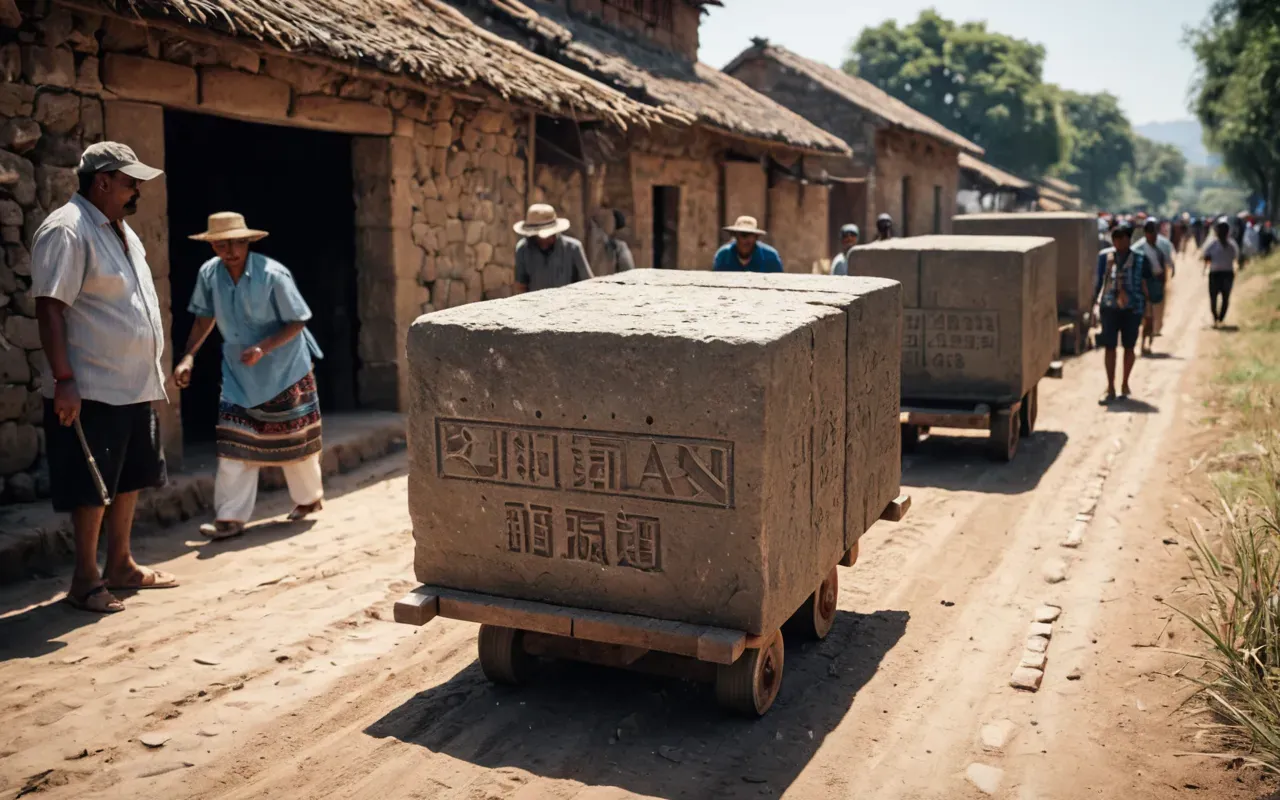
The pillars weigh up to ten tons. Some are six meters tall. Moving them required more than brute force.
We often assume they used sledges. Maybe. But the ground at the site is soft clay in places.
A heavy sledge would sink. So they likely used a system of rollers or ramps made from local materials.
Think about the physics. Friction is your enemy here. You need to reduce it or you are pulling ten tons through mud.
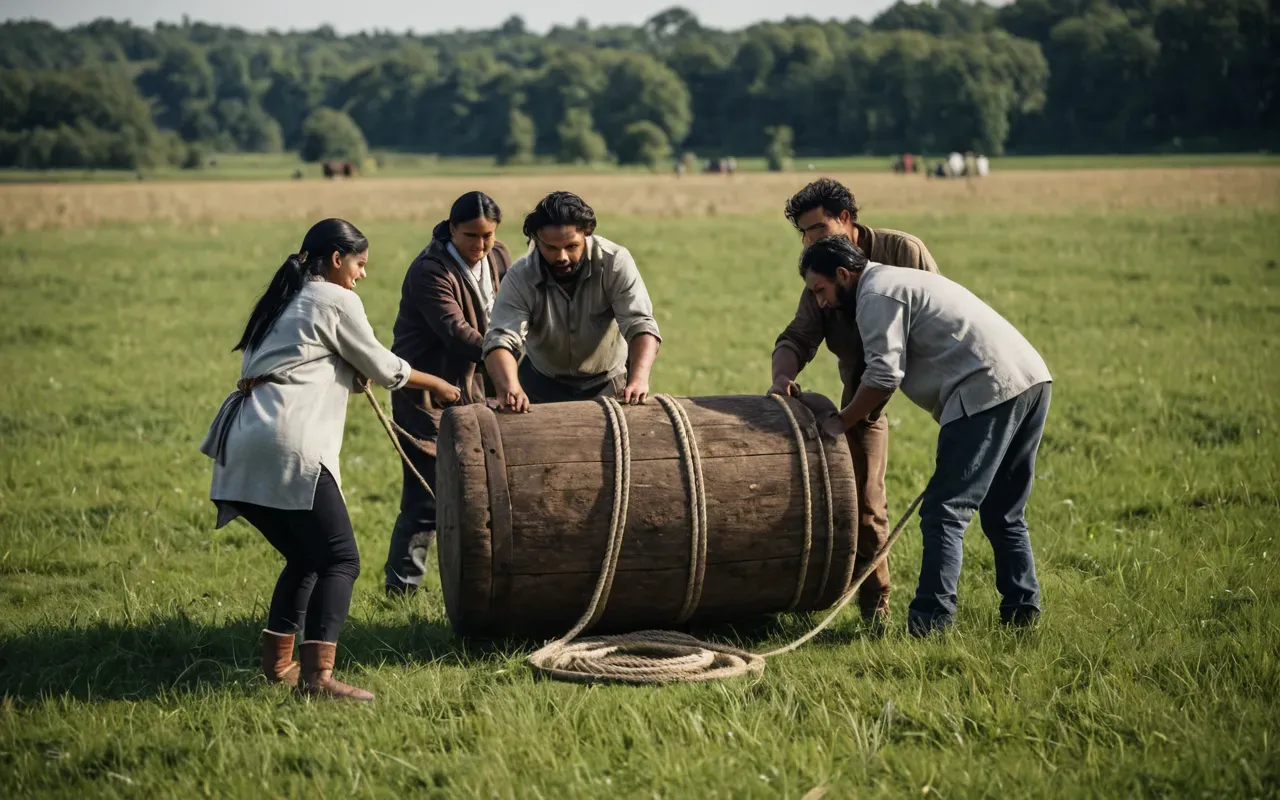
This is where the social organization becomes critical. You need a group that can work in sync.
If one person slips, the whole load shifts. It requires a level of trust and communication that we usually reserve for industrial teams.
The Ramp Hypothesis Revisited
Some researchers argue they built temporary earthen ramps. It sounds simple but it is a massive logistical task in itself.
You have to move thousands of tons of soil just to build the path that moves the stone.
It is like building a highway just to deliver a single piece of furniture. But for them it was the only way.
Why Farming Came Later Than We Think
The standard story says agriculture caused the settlement. People stayed to harvest their crops.
But at this site the buildings came first. The hunting evidence is overwhelming in the earliest layers.
So why build? Maybe to gather. To create a reason for hundreds of families to meet at one time.
If you are a hunter gathering group you do not have the labor force to build this unless you bring people in.
The building was the tool. It brought them together. And when they were together maybe they started experimenting with seeds.
It flips the cause and effect. The monument caused the agriculture not the other way around.
The Social Technology Behind The Stone
We talk about stone tools as if they are objects. But the real innovation was social.
You need a hierarchy or at least a role distribution. Someone has to decide where the pillar goes.
You need people who trust that their effort will not be wasted. That is a psychological shift.
Imagine spending three months chiseling one face on a pillar. You have to believe it matters.
That belief is the technology that held the site together. The stone was just the medium.
What We Still Get Wrong About The Builders
We project modern concepts of labor onto them. We think they were slaves or forced workers.
There is no evidence of weapons or coercion in the main structures. No fortifications.
They likely came willingly. Maybe they were proud to contribute a day's work.
Or maybe the site was a neutral ground where different groups could meet without conflict.
Either way it required a level of social cohesion that was rare for the time.
The Role Of Shared Meals
We found large quantities of animal bones. Gazelle mostly. But prepared for many people.
Feeding a group is a bonding ritual. It creates obligations and connections between families.
So the feast was part of the technology. It kept the workforce motivated and connected.
The Legacy Of These Early Innovations
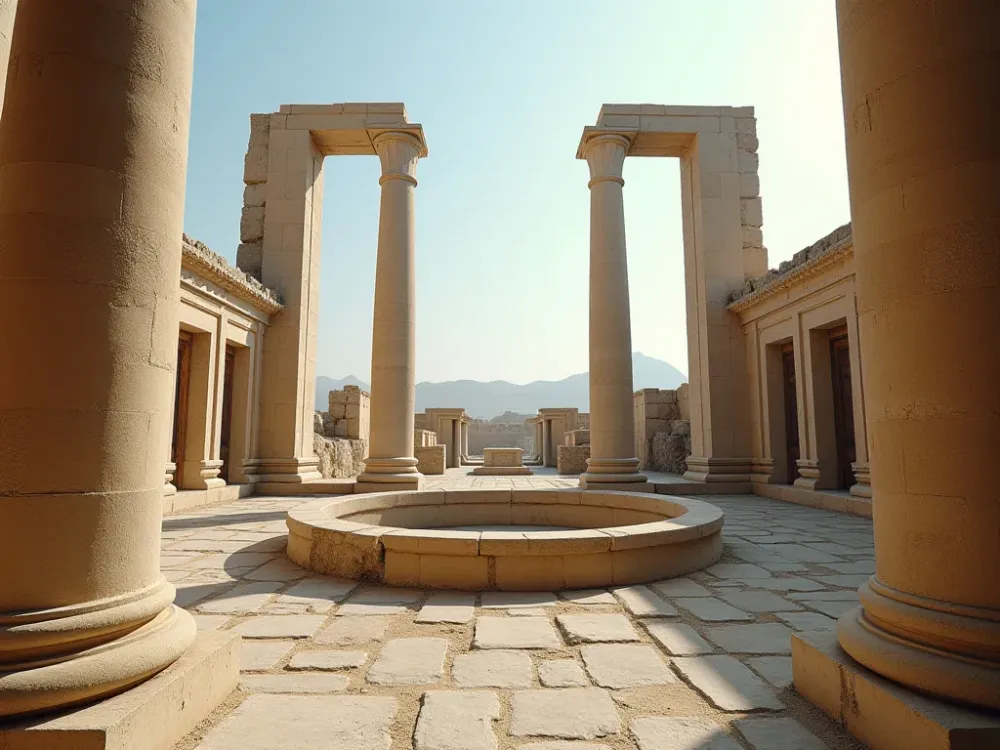
When we look at the site today we see ruins. But they were once active centers of human ingenuity.
The skills developed here didn't vanish. They spread out across the region over centuries.
The ability to coordinate large groups became the foundation for later cities and states.
So if you think about it the real invention wasn't the stone pillar. It was the way humans learned to work together on a big dream.
That is a technology we still use today. We just call it project management now.
Frequently Asked Questions
Why did humans build Göbeklitepe before learning to farm?
They likely built it to gather dispersed groups for social and ritual purposes. This gathering created the stability needed for agriculture to develop later.
What specific tools were used to carve the T-shaped pillars?
Archaeologists found obsidian blades and antler chisels. These allowed for the precise detailing seen on the pillars without heavy stone hammers.
How did they move such massive stones without wheels?
They likely used ramps and wooden rollers. This required coordinated labor to reduce friction and control the weight during transport.
Is there evidence of a hierarchy among the builders?
There is no clear sign of forced labor or distinct elite quarters in the earliest phases. The work appears to have been a communal effort.