The T-shaped pillars hold a mechanical secret TV history shows completely ignored
The camera crew walked away but missed the real story
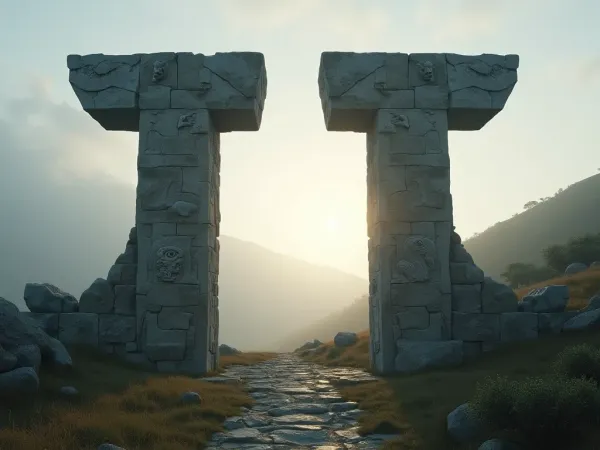
I have watched enough TV to know exactly how this scene goes. Dark music swells. A dramatic voiceover asks why we should be afraid of the past. The camera pans slowly across a T-shaped pillar. The narrator whispers that these were gods in stone.
Then the episode ends with a fade to black. No tools are shown. No labor is explained. Just mystery. And honestly that approach does more harm than good because it erases the actual people who built this place.
I am not saying the site is unremarkable. It is mind-blowing. But hiding behind a veil of supernatural mystery robs us of understanding human ingenuity in its most raw form.
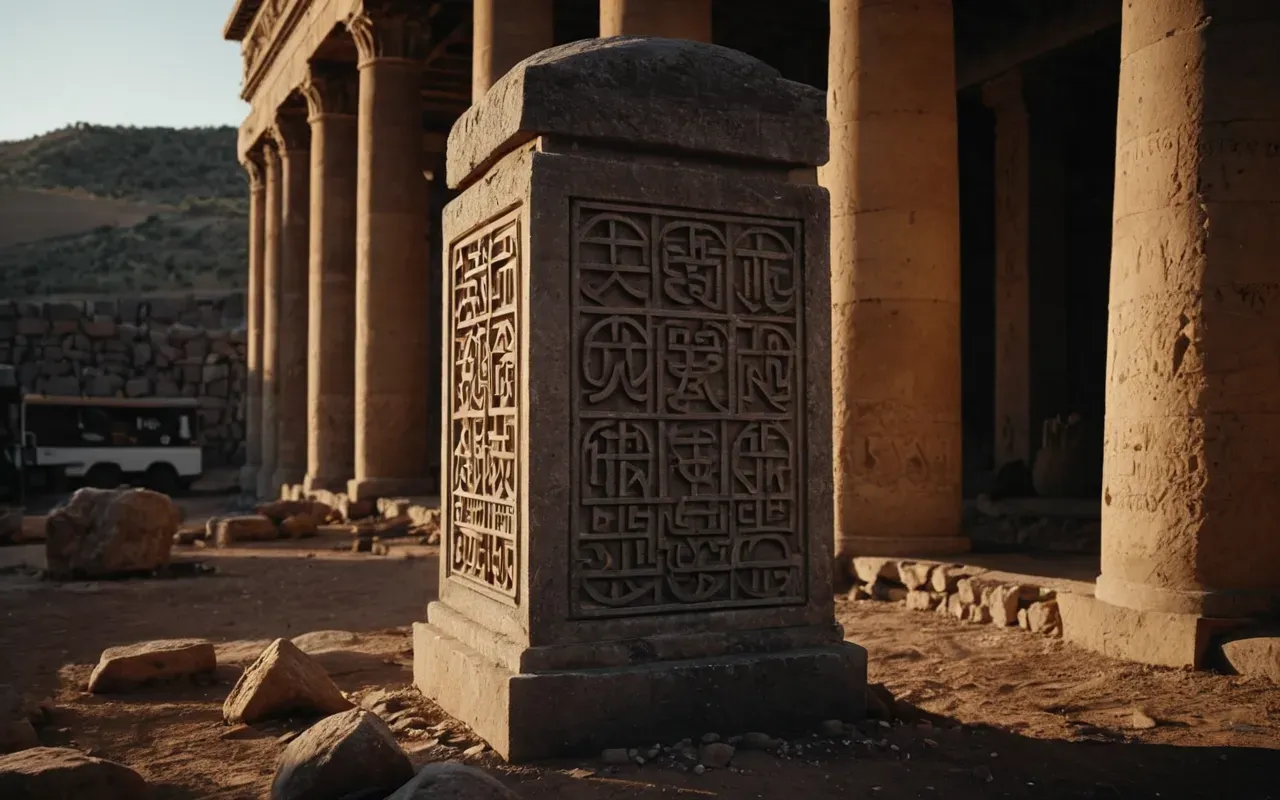
Why the temple narrative is a modern invention
For years the dominant view was that these people were priests. They built a temple first and then learned to farm later because they needed food for rituals.
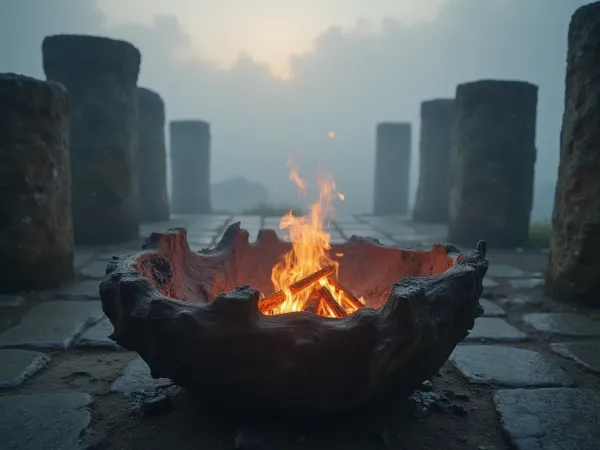
But new evidence from the north sector tells a different story. We found traces of daily life. Hearths. Grinding stones. Evidence that people actually lived there and worked there.
If you want to see how the narrative is shifting check out the north side of Göbeklitepe just broke every assumption we had about how early humans lived. It changes everything.
The evidence for domestic life is overwhelming
We are talking about thousands of flint blades. We are talking about charcoal from cooking fires. These are not the remnants of a sterile sanctuary.
People ate here. They slept here. They worked on their stone projects right next to where they cooked dinner. That is a community not just a cult.
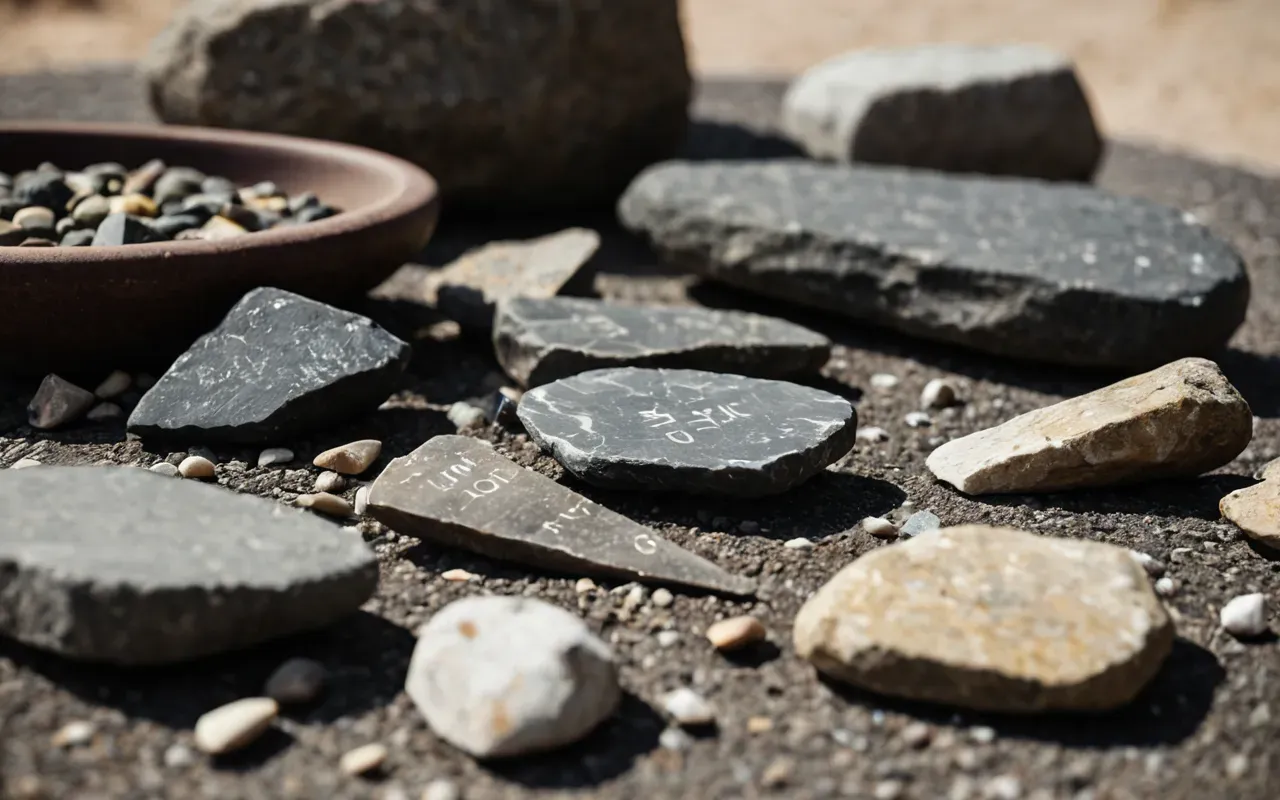
The engineering of the T shaped pillars is practical genius
Let us talk about weight. These things are heavy. Some weigh up to ten tons. How do you move a ten ton block without wheels? Without metal tools?
They used local limestone. It is soft enough to be carved with stone hammers and abrasive sand but hard enough to last twelve thousand years.
This is the secret. They did not need magic. They needed geology knowledge and a lot of manpower. That is it.
How they carved the details without metal
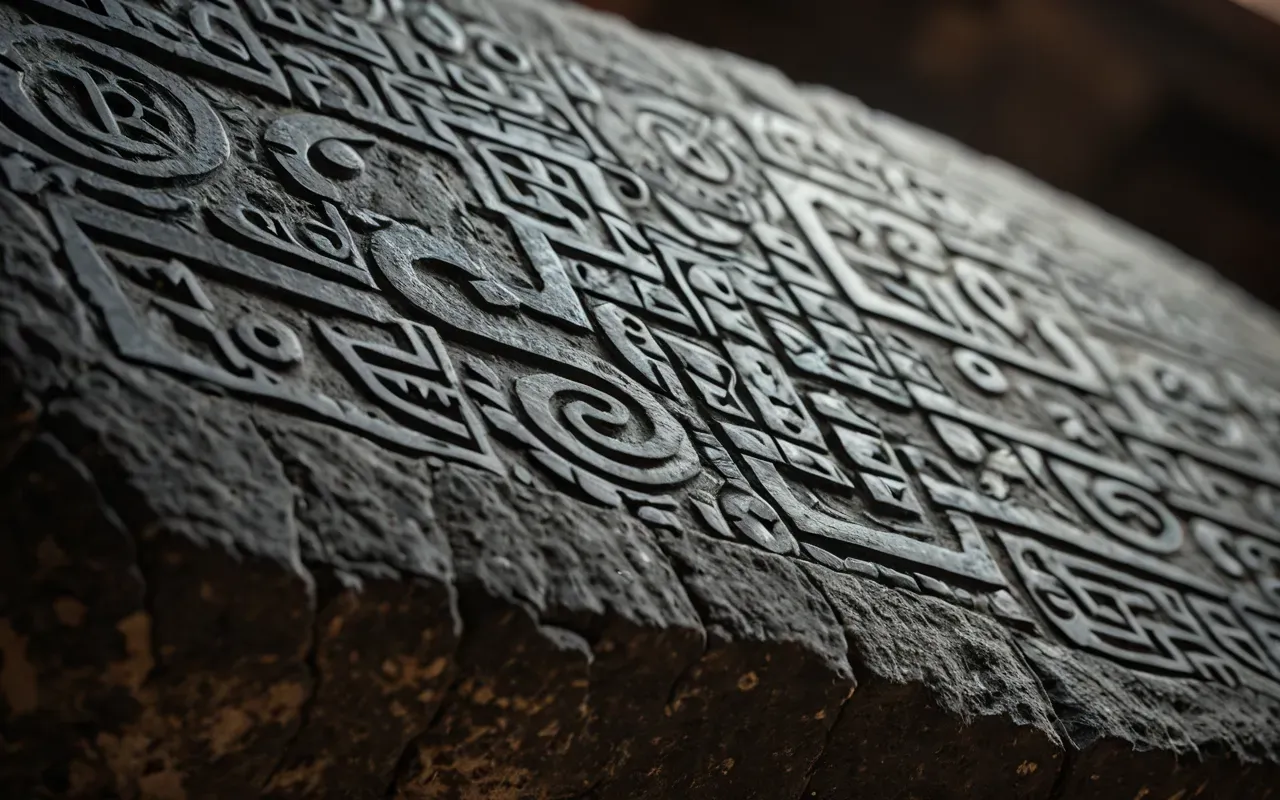
Look at the hands on some of these pillars. The fingers are distinct. The nails are visible. How do you get that level of detail with a hammer?
They used abrasion. Rubbing stone against stone with sand as a lubricant and cutting agent. It is slow work but it works.
The water management system they built is still impressive
This area was not a desert. It had water sources. But managing that water for construction and daily life required planning.
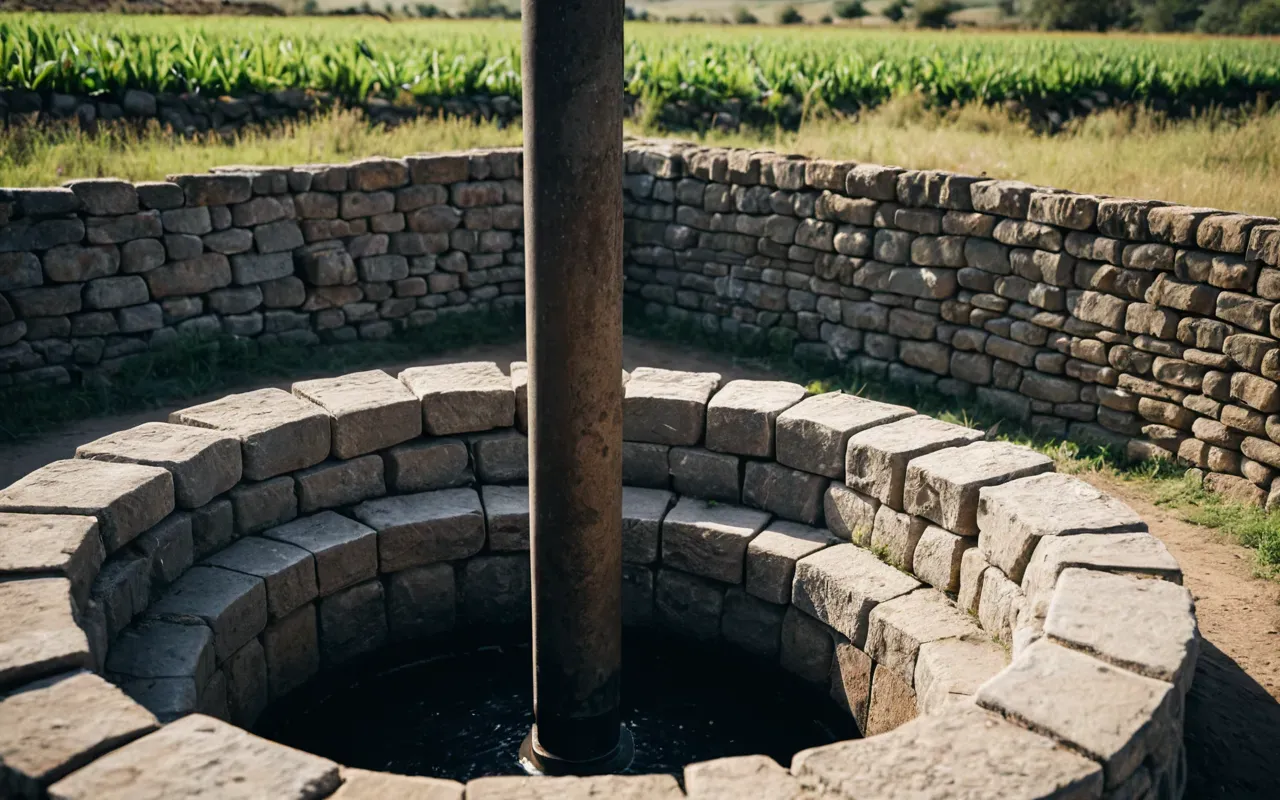
They dug wells. They carved channels. This is infrastructure. And it predates the pyramids by thousands of years.
When TV shows talk about this site they rarely mention the plumbing. But that is where the real engineering genius lives.
Why the wells matter more than the pillars
A pillar is a statement. A well is survival. You can admire a statue for an hour but you need water to live another day.
The fact that they maintained these wells for centuries shows a level of social organization we often underestimate.
What the History Channel gets wrong about the builders
They present these people as mysterious savants. Isolated geniuses who somehow cracked the code of stone masonry.
The reality is far more interesting. They were part of a broader network of innovation. They learned from others and taught others.
If you are interested in how this knowledge spread look at the driftwood secret that proves early humans were far smarter than archaeologists admit. It shows the same kind of practical intelligence.
The myth of the isolated genius is dangerous
It implies that progress happens in a vacuum. That one group of people suddenly gets smart and everyone else stays stuck.
That is not just wrong it is a lazy narrative that prevents us from seeing the real connections in human development.
The real legacy is in the tools not the temples
We obsess over the big stones. But the small tools are where the innovation happened.
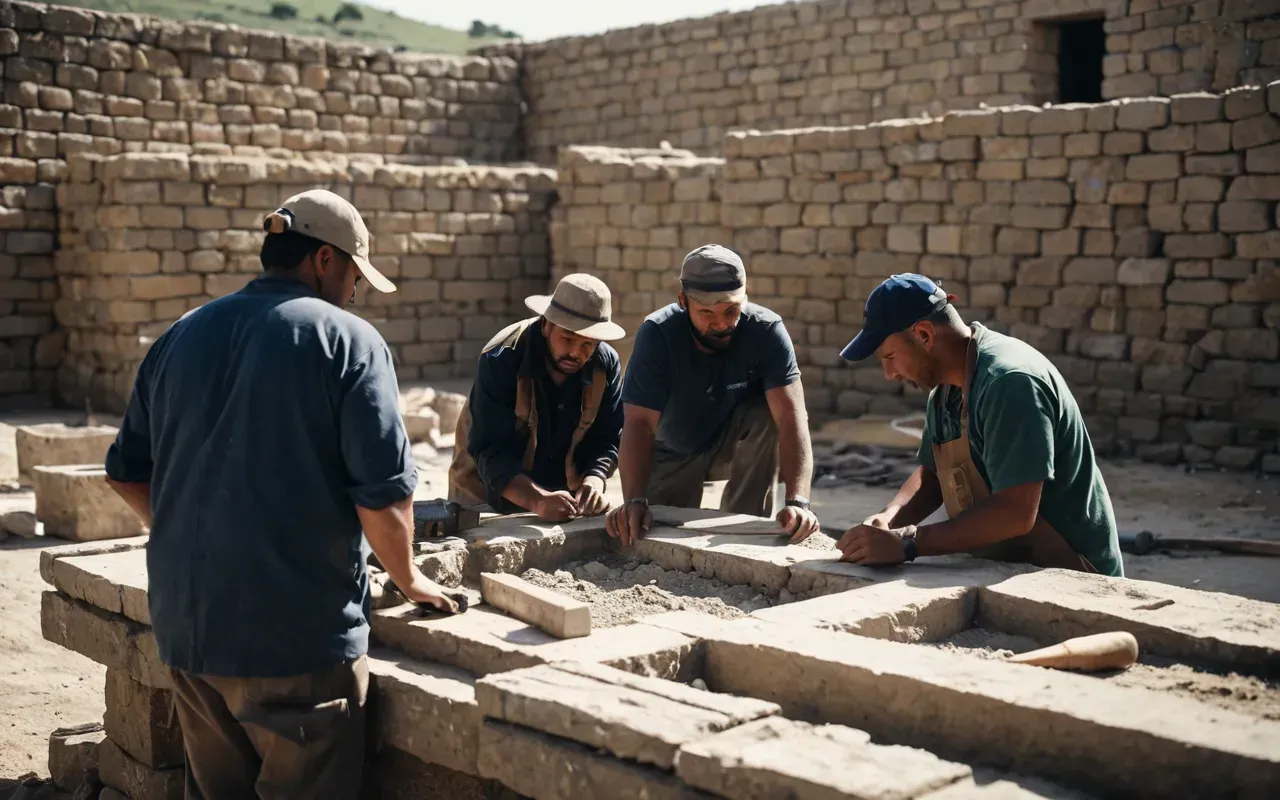
A well made flint blade is a technology. A precisely cut channel in stone is engineering. These are the things that actually changed human history.
So next time a documentary tells you these people were gods in disguise remember they were just really good at their jobs.
Frequently Asked Questions
What tools did the builders of Gobeklitepe use?
They used stone hammers abrasive sand and flint blades. No metal tools were involved because the site predates metallurgy by thousands of years.
Why do History Channel shows get Gobeklitepe wrong?
They prefer mystery over mechanics. Showing practical engineering is less dramatic than implying supernatural forces so they choose the latter for ratings.
How heavy are the T shaped pillars at Gobeklitepe?
Some weigh up to ten tons. They were carved from local limestone and moved using labor and simple mechanical advantages like levers.