The 11000 year old statue that finally breaks the temple myth
The Stone That Flipped The Script
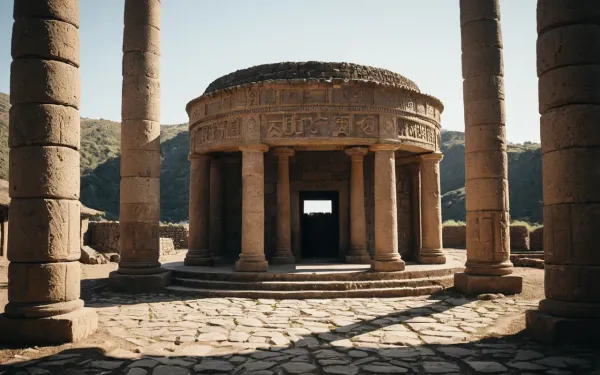
For over a decade we have been told that the massive circular structures of southern Turkey were temples. We built them to worship gods in the dark and then forgot about them. That story is comfortable for modern minds because it keeps us separate from our ancestors.
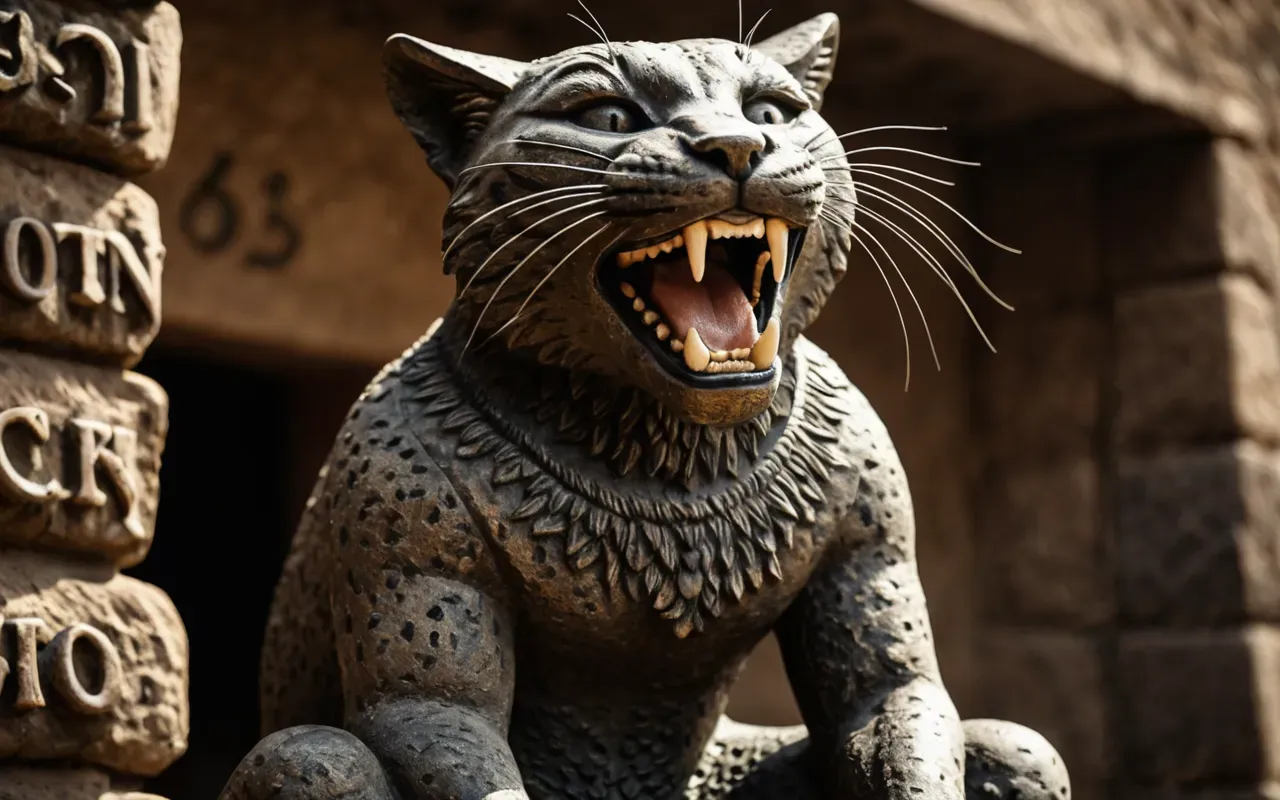
But a new find just broke that narrative wide open. It is not a temple altar or a god head. It is a man sitting on the back of a snarling leopard. The implication hits hard because it suggests these people did not need gods to feel powerful.
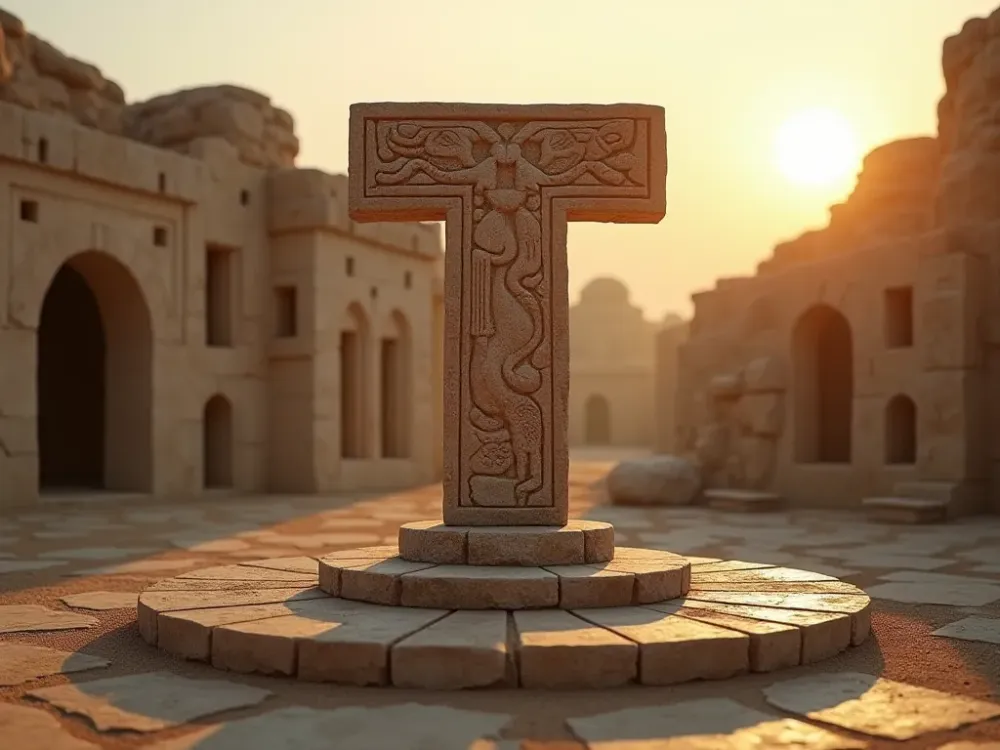
I have spent years reading about the T-shaped pillars and the mysterious animal reliefs. We keep seeing these motifs but we rarely question what they actually mean to the people who carved them. This new piece forces us to look at that relationship differently.
A Man On A Leopard In The Dark
Imagine the scene. It is roughly nine thousand years before now and a carver chisels this figure in stone. The man sits upright with his legs straddling the cat. The leopard’s mouth is open showing teeth but it does not look like prey.
It looks more like a mount. A vehicle of pure power. The scale is small about two feet tall but the intent is massive. You can almost feel the tension in the stone between rider and beast. It is intimate yet aggressive.
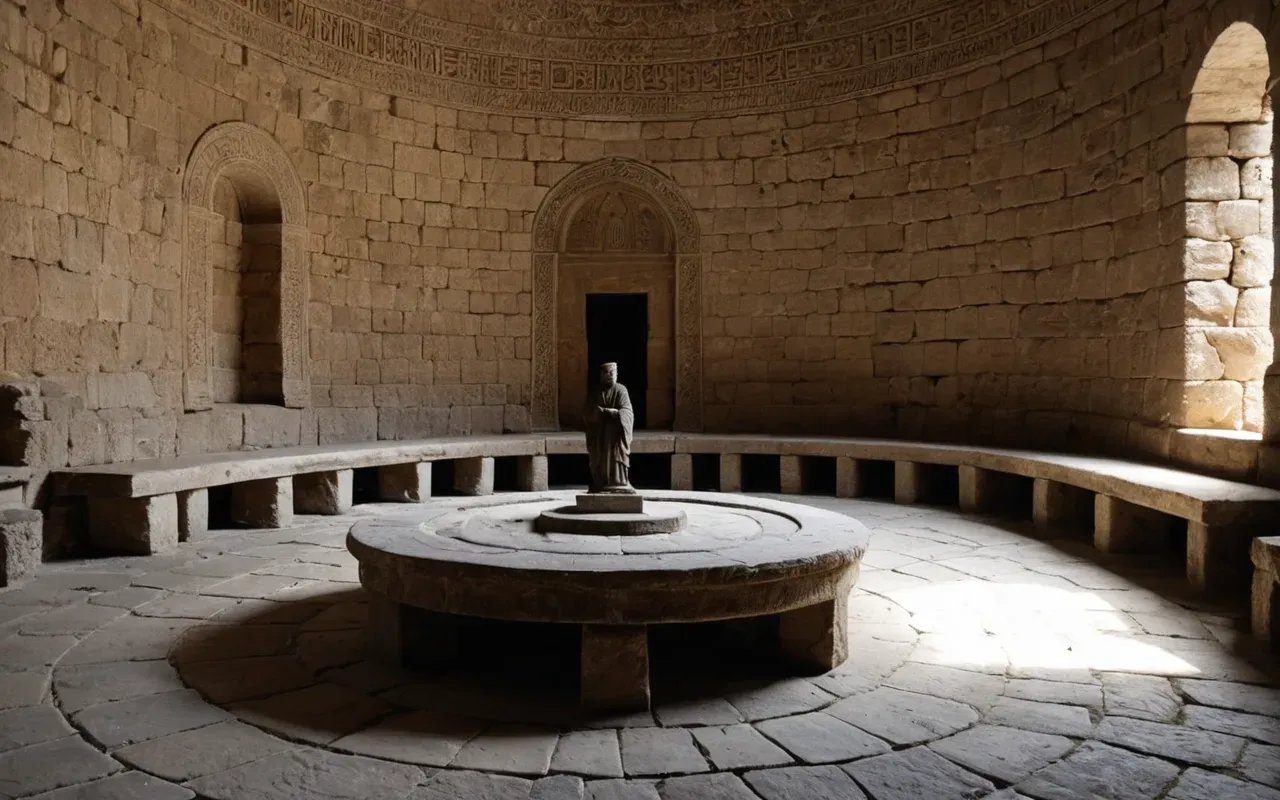
This is not just decorative art. It sits on a bench along the wall of a circular structure that was about ten feet across. The floor beneath it was paved with flat stones. Every detail points to intentional placement and ritual use.
Why The Leopard Is Not Just A Cat
Leopards are not domestic pets. They are solitary apex predators that hunt in the night and take down prey much larger than themselves. To a hunter-gatherer these animals were terrifying symbols of raw survival.
Earlier finds at this site showed leopards riding humans or being carried on their backs. It was a confusing inversion of power that left many scholars scratching their heads. Now we have the reverse image and it completes the picture.
The leopard was likely a symbol of guardianship or transformation. It represented the wild force that humans could either tame or be consumed by. This new statue shows them choosing to ride it rather than fear it.
The Temple Myth Is Crumbling Again
We keep hearing that these sites were religious centers where priests performed rites. But the evidence keeps pointing to something more complex and grounded in daily life and social hierarchy.
If you look at the layout of these circles they are not open spaces for large congregations. They are enclosed rooms with limited access points. This suggests private gatherings or small group rituals rather than public worship.
The new statue reinforces this idea. It is not a universal symbol of divine power but a specific statement about individual or group dominance over nature. That is a very different message to receive in the dark.
What The New Evidence Actually Says
The excavation team found this piece in a context that suggests it was part of a larger collection. Other animal figures like foxes and vultures have been recovered from the same area over recent years.
This cluster of imagery points to a symbolic language that we are only beginning to decode. It was not about worshipping animals but negotiating with them for social status and survival skills.
The lack of written records means we have to rely on the artifacts alone. But the consistency of these motifs across different sites suggests a shared cultural framework that spanned thousands of years.
How This Changes Our View Of Early Humans
We tend to think of Neolithic people as simple hunters and gatherers living in fear of the wild. But this statue tells a different story about confidence and agency.
They were not passive victims of their environment. They actively shaped their world through ritual and symbolism to assert control over the forces that threatened them.
This shift in perspective is significant because it challenges the idea that complex social structures only emerged with agriculture and urbanization. These people were already playing long games of power.
The Real Reason We Got This Wrong
Modern archaeology has been biased by our own religious and political frameworks. We project modern concepts of temple worship onto ancient sites that may have had entirely different purposes.
The new find forces us to drop those assumptions and look at the evidence on its own terms. It is a humbling reminder that our ancestors were far more sophisticated than we gave them credit for.
If you have been reading about the debate over whether these sites were temples, this statue adds another layer to that conversation. It is not a simple yes or no answer.
The Bigger Picture Of Prehistoric Belief
This discovery is part of a larger pattern that we are seeing across the region. Sites like Karahan Tepe and Göbeklitepe share similar architectural features and symbolic motifs.
The leopard motif appears repeatedly in different forms. Sometimes it is a guardian figure and sometimes it is a prey animal being conquered. This duality suggests a complex relationship with the natural world.
It is not about dominance for its own sake. It is about understanding the balance of power and finding a place within it that allows survival and social cohesion.
What We Still Do Not Know
We do not know the exact purpose of this specific statue. It could have been a personal talisman for a hunter or a symbol of leadership for a group.
Further analysis will be needed to determine the material composition and any traces of use. But even without those details the message is clear.
The story that these people told themselves about their place in the world was one of active participation rather than passive observation. They were shaping reality through symbol and ritual.
Why This Matters For How We See History
Every new find at these sites challenges our assumptions about the timeline of human complexity. We thought certain levels of social organization required agriculture and writing.
But these people were already building large structures and creating intricate symbolic systems. They were thinking in abstract terms about power and identity thousands of years before those concepts became formalized.
This is not just an academic exercise. It changes how we understand our own roots and the continuity of human thought across millennia.
The Uncomfortable Truth About Our Ancestors
They were not simple or primitive. They were intelligent and strategic in ways that we are only beginning to appreciate through careful excavation.
The leopard statue is a small piece of a much larger puzzle. But it fits with surprising precision and suggests that our history books need some serious rewriting.
If you are interested in how other discoveries have challenged our understanding of prehistoric life I recommend looking at the stone turtle find that broke every rule and the ongoing debates about dating methods.
The Future Of This Research Field
As excavation techniques improve we will likely find more artifacts that challenge our current narratives. The focus is shifting from finding big structures to understanding the people who used them.
The leopard statue is a perfect example of that shift. It tells us more about human psychology and social dynamics than any massive pillar ever could.
We are moving away from the grand narrative of divine temples toward a more nuanced understanding of early human societies as complex and adaptive.
What To Watch For In Upcoming Excavations
Researchers are hoping to find more context for this statue and any associated ritual objects. The next few seasons of digging could reveal even more about the social structure of these communities.
There is also growing interest in understanding how different sites communicated with each other. The shared symbolic language suggests a network of exchange that we are only starting to map.
The story is far from over. In fact it might just be getting started as we peel back the layers of time and uncover more about who these people really were.