The Driftwood Secret That Proves Early Humans Were Far Smarter Than Archaeologists Admit
The Fish That Changed Everything About Our Timeline
You think early humans were struggling just to keep a flame alive? Think again. Nearly 800,000 years ago, hominins at Gesher Benot Ya'aqov in Israel were doing something far more sophisticated than mere survival. They were frying fish.
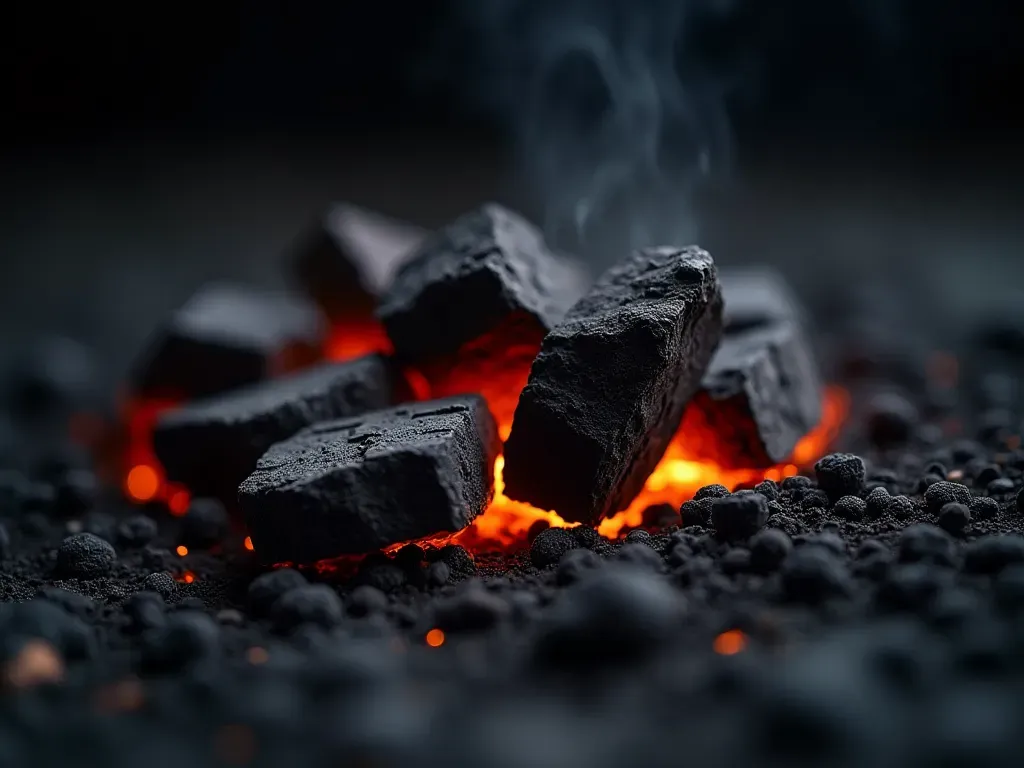
I was reading the latest data from the Hebrew University team and stopped dead in my tracks. The charcoal isn't just ash. It's evidence of controlled cooking. Dense clusters of burnt wood overlap perfectly with concentrations of large carp teeth. That co-occurrence is hard to ignore.
Here's the thing. We've long assumed fire use was sporadic or accidental for hundreds of thousands of years. This study shatters that narrative. The spatial analysis shows fire was habitual. It anchored their lives. It structured their space just like a modern hearth structures a living room.
Look at the timeline. 780,000 years ago. That layer is pristine. Researchers analyzed 266 charcoal fragments using electron microscopy. The results are granular. We're talking about identifying cellular structures in wood that has been dead for nearly a million years. The technology is doing the heavy lifting here.
So what does this mean for us? It means the cognitive leap we associate with later humans might be way older than we thought. Cooking fish requires planning. You need to catch the fish. You need to build the fire. You need to wait. That's executive function. That's patience. That's intelligence.
Driftwood Was The Ultimate Survival Hack Nobody Noticed
But the real surprise isn't the fish. It's the wood. You'd expect early humans to be selective. You'd expect them to hunt for specific dry branches or chop down trees. The data says otherwise. They didn't care what the wood was.
The charcoal assemblage shows incredible diversity. Ash, willow, grapevine, oleander, olive, oak, pistachio, and even pomegranate. That last one blew my mind. Pomegranate charcoal is the earliest known evidence of this fruit tree in the Levant. The diversity exceeds other plant remains at the site.
This pattern points to one conclusion: driftwood. The hominins grabbed what the lake gave them. Fallen branches and logs washed up on the shore created a ready supply. They didn't expend energy selecting fuel. They used the landscape's abundance. That is efficiency.
I've been digging into resource management theories for years, and this flips the script. We often equate complexity with effort. The assumption is that smarter humans work harder to curate resources. GBY proves that's false. True intelligence is knowing when to let the environment do the work.
Think about the implications. If access to firewood dictated where they lived, then the lakeshore was a magnet. It offered water, food, tools, and fuel. The charcoal mirrors the available vegetation. This suggests their settlement patterns were driven by resource availability, not just random wandering.
And here's a detail that gets me every time. The site has over 20 archaeological horizons. Generations returned to this spot. Why? Because it worked. The driftwood kept coming. The fish kept biting. The fire kept burning. This wasn't a campsite. It was a home base for millennia.
Why This Breaks The Smart Hunter Myth We Keep Believing
We love the idea of the prehistoric genius. The narrative says humans conquered nature through sheer intellect and elaborate planning. But the charcoal tells a different story. Firewood collection was routine. It wasn't a high-stakes cognitive task. It was opportunistic.
Does that make them less intelligent? Honestly, no. It makes them adaptive. They recognized a reliable resource stream and exploited it. That's a sophisticated ecological understanding. They read the landscape like a map. If you're curious about how small details rewrite survival history, this is the prime example.
Look at the elephant bones. Researchers found a straight-tusked elephant skull processed on-site. That required massive effort. Hunting giants takes coordination. But then you go back to the firewood. They just picked up sticks. The contrast is striking. High effort for meat, low effort for fuel.
This allocation of energy matters. It shows they prioritized calories over convenience. They spent brainpower on hunting and tool-making. They saved energy by grabbing driftwood. That's a calculated trade-off. It reveals a community that optimized its survival strategy without overcomplicating everything.
I find this humbling. We project our modern obsession with control onto the past. We think everything must be engineered. But early humans thrived by flowing with their environment. They used the lake's currents to deliver fuel. They didn't fight the system. They hacked it.

Göbeklitepe Echoes In The Charcoal Of Half A Million Years Later
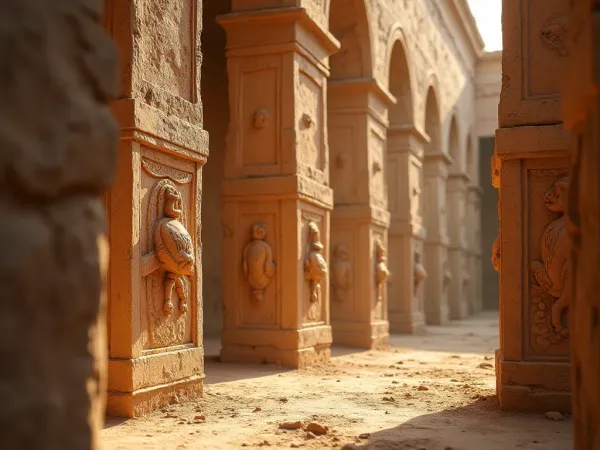
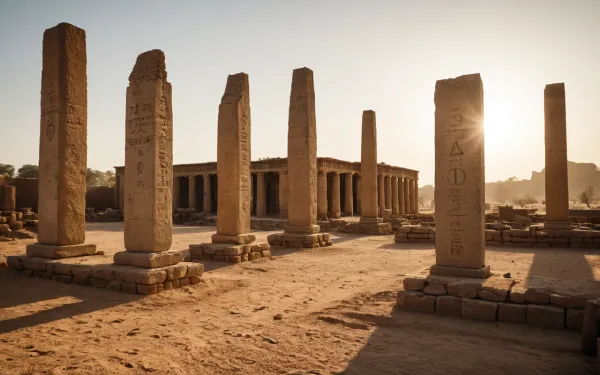
Now let's connect the dots. Göbeklitepe rises 12,000 years later in Turkey. We call it the first temple. We marvel at the stone pillars and the carvings. But the spirit of GBY is alive in those stones. Both sites rely on deep environmental literacy.
Göbeklitepe builders didn't just appear out of nowhere. They inherited a tradition of reading the land. Just as GBY hominins knew where the driftwood fell, Göbeklitepe architects knew where the limestone lay. The plateau offered massive blocks right on the surface. No quarrying needed.
The parallel is undeniable. GBY used what the lake provided. Göbeklitepe used what the mountain provided. Both leveraged local abundance to achieve complexity. This suggests that monumental construction wasn't a sudden burst of genius. It was the endpoint of a long strategy.
Fire structured space at GBY. It anchored social interaction. Fast forward to Göbeklitepe. The pillars likely marked ritual spaces. The center of the enclosures often features animal carvings. Maybe these were symbols of the hunt, echoing the elephant processing at GBY. The continuity of ritual is profound.
I've argued before that history textbooks get the origins of civilization completely backward. This charcoal supports that view. Complexity didn't start with farming. It started with fire and social gathering. GBY is the seed. Göbeklitepe is the flower.
Think about the return. GBY people came back for tens of thousands of years. Göbeklitepe attracted pilgrims for centuries. The behavior is similar. Humans are drawn to places that offer resources and meaning. The lakeshore and the stone temple both fulfilled those needs.
The charcoal shows a mosaic of vegetation. Wetland and woodland species coexisted. Göbeklitepe also sits at an ecological crossroads. The steppe meets the forest. The diversity supports large gatherings. Abundance allows for feasting. Feasting builds community. Community builds temples.
What We Get Wrong About Early Complexity And Effort
We assume that if it looks impressive, it took immense effort. The stone pillars at Göbeklitepe look heavy. The fire control at GBY looks hard. But the data challenges that. Both achievements relied on smart positioning. You pick the right spot, and the work becomes manageable.
The study mentions that charcoal rarely survives at early sites. GBY is an exception. The preservation is exceptional. This gives us a rare window. Usually, we only have stone tools. Stone tools lie. They get moved. They get reused. Charcoal stays put. It burns in place.
That spatial fidelity is gold. We can see exactly where the fish were cooked. We can see where the tools were made. The hearth is the anchor. This level of detail was impossible before. It forces us to rethink how hominins organized their daily lives. It wasn't chaotic. It was structured.
I was struck by the mention of oleander. That plant is toxic. So why is it in the fire? Maybe it burns hot. Maybe they didn't notice. Or maybe they knew it added something to the smoke. We can't be sure. But the presence of diverse species shows they weren't picky. They used what was available.
This flexibility is key. Early humans weren't rigid. They adapted to local conditions. If driftwood was plentiful, they used it. If game was scarce, they fished. The charcoal captures this adaptability. It shows a dynamic relationship with the environment. They weren't masters. They were participants.
The Real Secret Of Human Dominance Hides In The Ash
So why did we win? Why did hominins spread across the globe? It wasn't just big brains. It wasn't just sharp stones. It was fire. Fire cooked food, boosting brain growth. Fire provided warmth, expanding habitats. Fire created social bonds, strengthening groups. The charcoal proves fire was central.
The study reinforces the idea that GBY hominins had advanced cognitive abilities. They controlled fire. They organized space. They integrated fire into subsistence. But they did it efficiently. They didn't waste energy. That efficiency allowed them to thrive. It allowed them to return again and again.
Look at the pomegranate again. 780,000 years ago. That tree was there. Humans were using its wood. Were they eating the fruit? Maybe. The botanical remains include seeds and fruits. The landscape was a pantry. The charcoal is just the receipt. It shows what they burned, but it hints at what they ate.
This richness matters. We often imagine the Pleistocene as a harsh wasteland. GBY was lush. Lake Hula teemed with life. The shores offered shelter and food. Early humans found paradise. They stayed because it worked. The charcoal documents that prosperity. It's a snapshot of a golden age.
I think this challenges our climate anxiety too. Early humans adapted to shifting environments. The lake levels changed. The vegetation shifted. They adjusted. They used new wood. They hunted different animals. Their resilience was built on knowledge, not technology. They knew the land.
The implications for Göbeklitepe are clear. If early humans could manage complex resources 800,000 years ago, then the builders 12,000 years ago weren't magic. They were the descendants of a long tradition. The cognitive toolkit was old. The social structures were old. The innovation was scale.
We keep looking for the moment humans became human. This study says there was no single moment. It was a gradient. Fire use evolved. Resource use evolved. Social bonds evolved. GBY sits right in the middle of that curve. It shows the transition from survival to thriving.
And the driftwood? That's the lesson. Don't overcomplicate. Use what's available. The lake provided fuel. The mountain provided stone. The ancestors read the signs. They built a legacy that still speaks to us. The charcoal whispers their story. It's been waiting for 800,000 years to be heard.
I'm left with one thought. We are still the driftwood gatherers. We just call it sustainability now. We're learning to use resources wisely again. The early humans had it right. They didn't conquer nature. They danced with it. And that's how they survived. That's how we should too.
The data is solid. 266 fragments. Microscopic analysis. Spatial clustering. Fish teeth. Pomegranate wood. It all fits. The narrative is coherent. Early humans were smart, efficient, and deeply connected to their environment. The charcoal proves it. No speculation needed. Just the ash.
So next time you light a fire, think about GBY. Think about the fish. Think about the driftwood. Think about the ancestors who figured it all out. We're standing on their shoulders. Literally. The ash is still warm. The story is still burning. And we're only just beginning to read it.