Göbeklitepe's Archaeological Revelations Redefining Human History
Göbeklitepe Unveiling a New Chapter in Human History
Nestled in southeastern Turkey, Göbeklitepe has emerged as one of the most significant archaeological sites, dating back over 11,000 years. Recent excavations reveal that this megalithic complex predates any other known structure and offers critical insights into early human civilization. What makes Göbeklitepe particularly fascinating is its age, as it challenges the long-held view that organized religion and complex social systems only emerged with later Neolithic societies. Instead, the site suggests that early humans might have engaged in sophisticated spiritual or ritualistic practices much earlier than previously believed. As archaeologists uncover more evidence, it becomes increasingly evident that Göbeklitepe was a focal point for communal gatherings, spiritual ceremonies, and perhaps even early forms of social hierarchy. The dimensions of these discoveries not only reshape our understanding of prehistoric life but also hint at a cultural revolution during a period thought to be dominated by small, nomadic groups. Ultimately, Göbeklitepe's recent findings propel us toward a broader perspective on human cognitive and social evolution, emphasizing that the roots of civilization may be deeper and more complex than once imagined.

Recent Archaeological Discoveries Expand Understanding of Early Beliefs
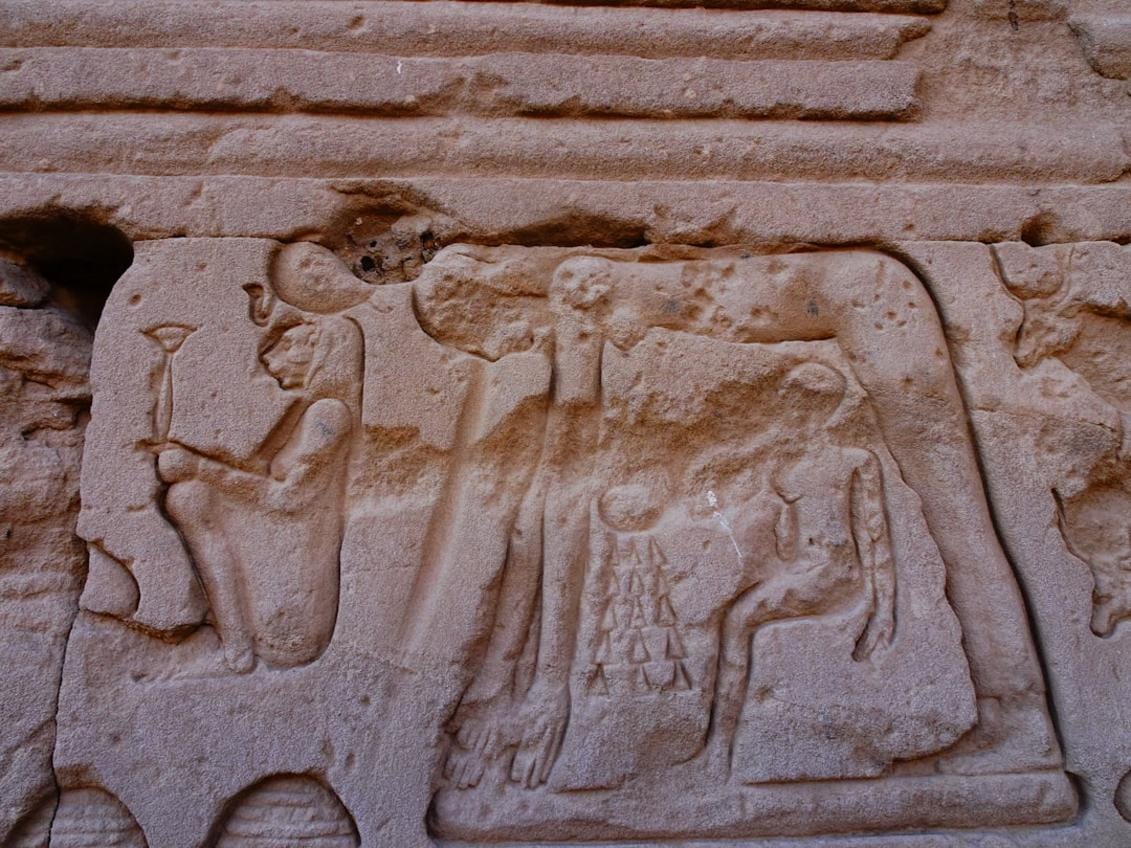
The ongoing excavations at Göbeklitepe continue to unveil an astonishing array of carved stone pillars, some over 5 meters tall, adorned with intricate bas-reliefs depicting animals, abstract symbols, and possibly depictions of spiritual totems. These carvings are thought to hold key clues regarding the belief systems of its ancient inhabitants. Recent discoveries have revealed that certain motifs—such as serpents, boars, or foxes—may symbolize spiritual connection or shamanic practices, pointing to a complex religious framework that predates organized religion as we understand it today. Interestingly, some scholars argue that Göbeklitepe might have served as a ceremonial hub where humans sought to understand their universe, depict their cosmology, or communicate with supernatural forces. The idea that early humans developed symbolic interactions and spiritual narratives is gradually gaining acceptance, thanks to these detailed engravings and contextual features uncovered during recent digs. These insights deepen our appreciation for early human cognition and suggest that the development of religious thought was an intrinsic part of humanity much earlier than previously assumed, a hypothesis that could radically alter our narrative of human spiritual evolution.
From Megaliths to Cultural Symbols A Window into Prehistoric Society
The monumental carved stone pillars of Göbeklitepe are not merely architectural feats but also rich cultural artifacts that provide clues into the lives and social organization of its creators. Unlike later megalithic monuments, Göbeklitepe was not built for burial purposes but appears to serve as a ritual site, possibly functioning as a religious or communal gathering place. Its artistry and the arrangement of T-shaped stones suggest a highly organized society with specialized roles—sculptors, ritual leaders, or transmission of knowledge across generations. The site’s circular arrangement indicates a sophisticated understanding of space, symbolism, and social cohesion necessary to mobilize large groups of people for collective efforts. These discoveries reveal that the roots of cultural complexity extend far beyond traditional expectations, showcasing that prehistoric societies possessed the organizational skill and spiritual motivations that laid foundational stones for future civilizations. The presence of carved animals, abstract symbols, and ritual indicators invites us to rethink what we know about early human societal development and the emergence of collective identities within complex social frameworks, making Göbeklitepe a true cultural treasure of our shared history.