Göbekli Tepe and the Dawn of Human Civilization Challenging Our Historical Perspectives
Göbekli Tepe and Its Revolutionary Impact on Our Understanding of Early Human Societies
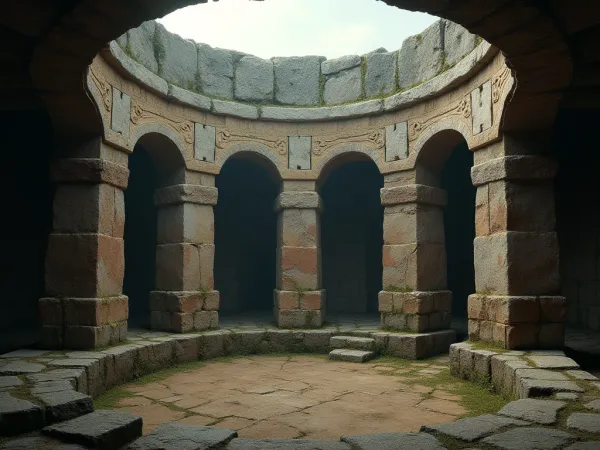
Imagine stepping into a landscape that predates the dawn of agriculture, where massive stone pillars and intricate carvings tell tales of early spiritual beliefs and social organization. Göbekli Tepe, located in southeastern Turkey, stands as one of the most extraordinary archaeological discoveries of the 21st century. This site, estimated to be over 12,000 years old, challenges traditional notions that complex societies or monumental architecture only emerged after the advent of farming. Instead, Göbekli Tepe suggests that hunter-gatherer groups, driven by religious and social motivations, undertook the monumental task of constructing these megalithic circles. Its discovery has radically revised our understanding of how prehistoric peoples organized themselves, highlighting that spiritual practices and communal rituals likely played crucial roles in shaping human societies even before the development of agriculture. The site’s intricate carvings, animal motifs, and massive T-shaped pillars offer valuable insights into the symbolic world of our ancestors, opening new perspectives on the origins of religion and social cohesion among early humans.

Unraveling the Ancient Mysteries and Cultural Significance of Göbekli Tepe
As scholars delve deeper into the remnants of Göbekli Tepe, they uncover a rich tapestry of cultural and spiritual symbolism that reflects the worldview of humanity 12,000 years ago. The site's carvings depict a variety of animals such as lions, snakes, and birds—creatures revered as powerful spiritual symbols. This suggests that early humans engaged in complex ritualistic practices that went beyond mere survival, possibly serving as a foundation for later religious systems. The construction of Göbekli Tepe indicates an organized effort involving communal cooperation, challenging the notion that such societal structures only emerged with farming and settled life. Furthermore, the discovery of carved stone fragments and altars emphasizes the importance of ritual offerings and ceremonies, providing evidence that early human societies prioritized spiritual life, community bonding, and the recording of mythologies through artistic expression. These findings link Göbekli Tepe to a broader understanding of how ancient cultures developed their belief systems, which continue to influence religious thought to this day.

The Broader Context of Göbekli Tepe in Human Evolution and the Origins of Civilization
Understanding Göbekli Tepe in the larger narrative of human evolution reveals it as more than just an archaeological wonder—it represents a pivotal moment in our species' development. The age of the site places it at the threshold of the Neolithic revolution, yet its sophisticated craftsmanship and spiritual significance seem to anticipate the rise of settled agricultural societies. This paradox suggests that spiritual and social complexities existed alongside or even prior to the shift to farming, prompting a reevaluation of how and when human societies advanced. Researchers are increasingly considering that the motivation for creating such monumental structures was deeply rooted in social cohesion and shared belief systems, which ultimately laid the groundwork for future civilizations. The site’s precise alignment with astronomical phenomena and its possible role as a religious center further imply that early humans possessed a nuanced understanding of natural cycles and cosmic order. Ultimately, Göbekli Tepe invites us to reconsider the traditional linear models of human progress and recognize the deep spiritual and communal impulses that have driven cultural evolution from its earliest days.