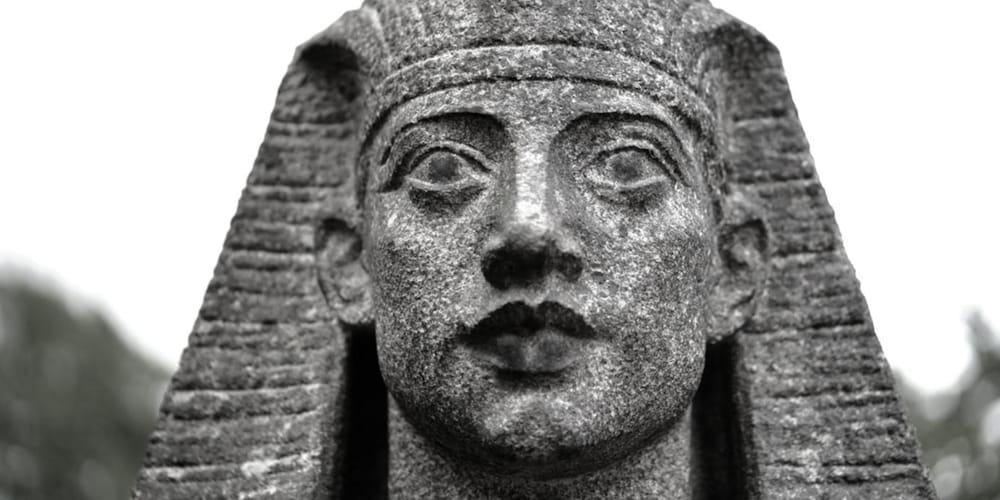
Unveiling Ancient Mysteries at Göbeklitepe and Its Archaeological Revelations
Göbeklitepe's Remarkable Archaeological Breakthroughs and Their Significance
Recent archaeological excavations at Göbeklitepe, often referred to as the world's oldest temple complex, have profoundly altered our perception of early human civilization. Discovered in southeastern Turkey, this site dates back approximately 12,000 years to the Pleistocene epoch, a period traditionally considered dominated by nomadic hunter-gatherer groups. The discoveries reveal monumental stone pillars arranged in circular formations, some weighing up to 20 tons, adorned with intricate carvings that depict animals, abstract symbols, and possible deities. These findings challenge the long-held belief that complex religious or spiritual practices emerged only after settled agricultural societies. Instead, Göbeklitepe suggests that early humans had already developed sophisticated belief systems and social structures long before the advent of farming. The archaeological team, led by experts from institutions such as the Şanlıurfa Museum and international partners, uncovered multiple layers of construction, indicating that the site was actively used, abandoned, and reused over centuries. Such discoveries emphasize the importance of ritual and communal gatherings in prehistoric societies and hint at a society that prioritized spiritual and social cohesion. This breakthrough not only rewrites historical timelines but also sparks compelling questions about the role of religion, art, and community in shaping human evolution, inspiring both archaeologists and historians to rethink the origins of civilization.
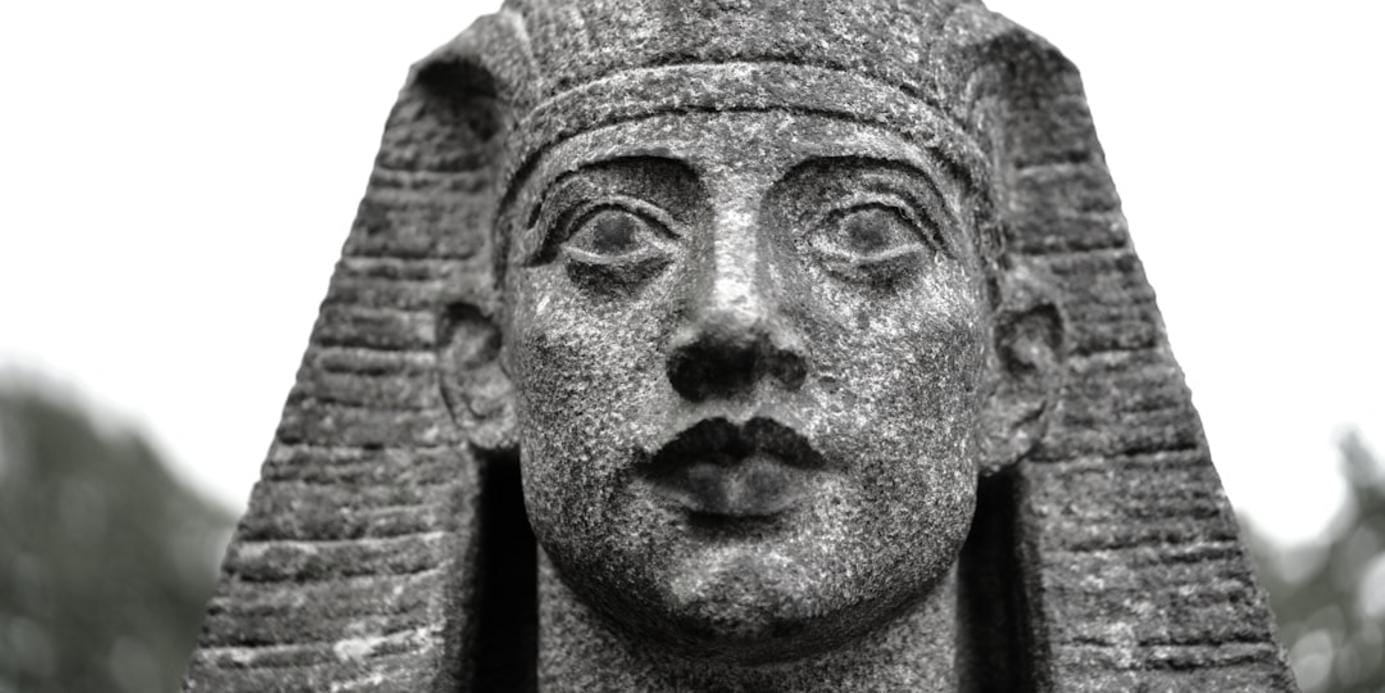
Exploring the Site's Architecture and the Cultural Insights It Offers
The architectural marvels of Göbeklitepe reveal advanced understanding of stone construction and symbolic design, which continue to intrigue scholars. Unlike typical prehistoric sites, Göbeklitepe is characterized by massive T-shaped limestone pillars arranged in precise circles, some decorated with high-relief carvings of animals like snakes, boars, and cranes. These carvings are thought to have symbolic or ritualistic significance, possibly representing myths, spiritual beliefs, or social identities. Remarkably, the site predates the Neolithic Revolution, placing it before humans adopted agriculture and settled into permanent dwellings. The construction technique hints at a highly organized society with specialized labor, suggesting that communal effort and collective rituals played a central role in their spiritual life. Researchers have found that the pillars' carvings could indicate shamanic practices or mythological stories, shedding light on early human cognition and cultural expression. Göbeklitepe's architectural sophistication and purposeful design challenge modern assumptions about prehistoric societies, suggesting they possessed complex religious ideas and social hierarchies. As we analyze the site’s layout and artwork, it becomes clear that these early humans were deeply invested in spiritual symbolism and communal ritual, shaping the cultural traces that continue to fascinate us today.
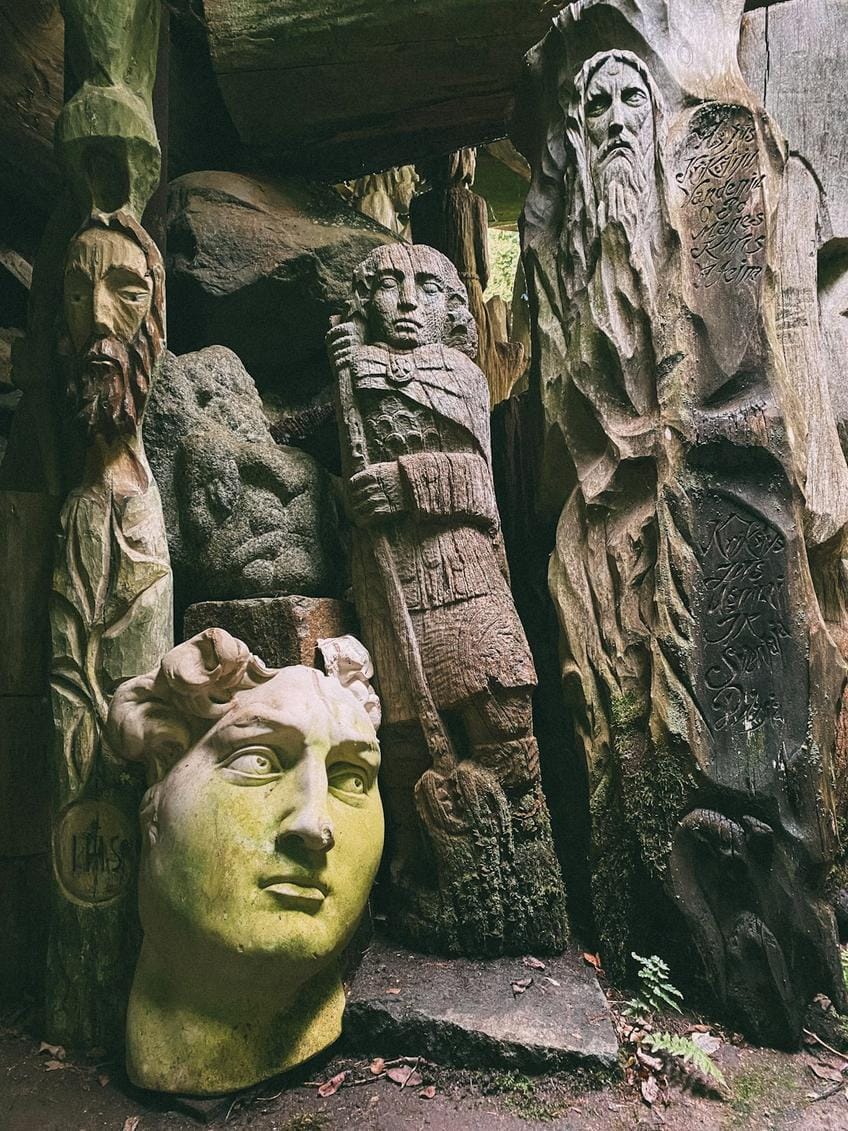
Implications of the Discoveries for Understanding Human Evolution and Belief Systems
The archaeological discoveries at Göbeklitepe are not merely architectural feats; they profoundly impact our understanding of early human cognition, spirituality, and social organization. The site’s age overlaps with significant periods of human evolution, suggesting that the capacity for complex symbolic thought and religious expression emerged far earlier than previously believed. These findings provide evidence of early humans engaging in ritualistic activities, which likely played a crucial role in the development of social cohesion and cultural identity. The images of carved animals and abstract symbols indicate that early humans may have believed in spiritual realms or gods, challenging the notion that religion was a later development tied to settled societies. This complicates our understanding of how human societies evolved—from nomadic groups to complex civilizations—and urges scholars to reconsider the origins of myth-making and religious practice. Some researchers argue that Göbeklitepe's purpose was to serve as a sacred gathering place or a center for spiritual rituals that reinforced social bonds among dispersed groups. Such insights illuminate the deep psychological and cultural roots of belief systems, suggesting that human spirituality is embedded in our earliest societal endeavors, offering a new perspective on the evolution of human consciousness.