Unearthing the Mysteries of Göbeklitepe and Its Role in Shaping Our Understanding of Ancient Civilizations
The Enigma of Göbeklitepe and Its Significance in Prehistoric Archaeology
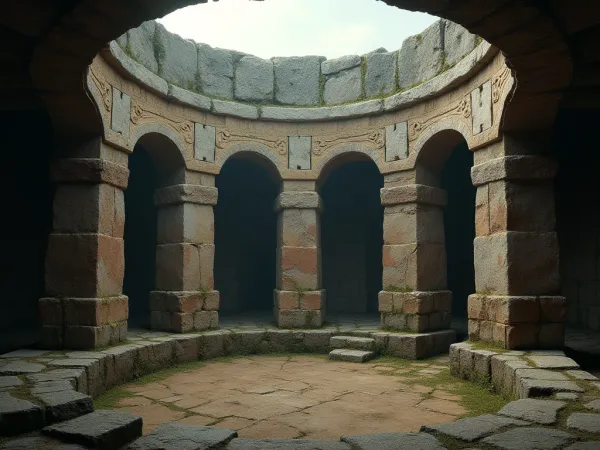
Imagine a site that predates the construction of the Egyptian pyramids by nearly 8,000 years, challenging everything we thought we knew about human societal development. Göbeklitepe, located in southeastern Turkey, musters a sense of awe with its massive stone pillars, intricate carvings, and circular enclosures that date back approximately 12,000 years to the end of the last Ice Age. This archaeological marvel not only rewrites the timeline of human civilization but also ignites curiosity about how prehistoric humans lived, believed, and interacted with their environment and each other. The discovery of Göbeklitepe has ignited a paradigm shift among archaeologists and historians, emphasizing the significance of social and spiritual complexity among early humans long before they settled into agricultural lifestyles. Its monumental architecture suggests the presence of organized religious practices, communal activities, and possibly a shared belief system rooted in animism or ancestor worship, indicating a highly sophisticated cultural fabric that challenges the idea of primitive hunter-gatherers.

Deciphering the Cultural and Religious Traits Embedded in Göbeklitepe
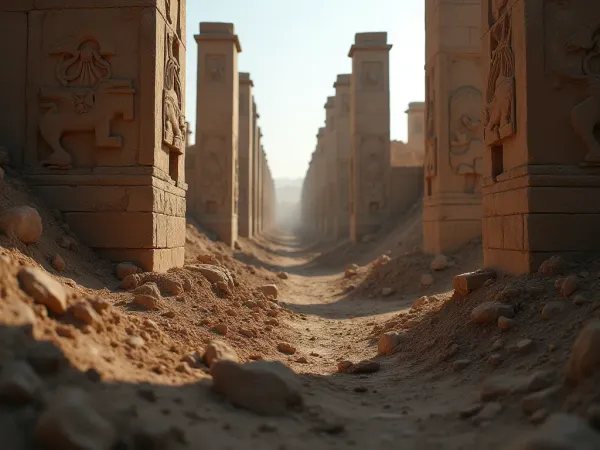
One of the most intriguing aspects of Göbeklitepe lies in its potential as a spiritual center, suggesting early humans engaged in complex rituals and mythologies. The carvings on the massive T-shaped pillars depict abstract symbols, animals, and perhaps even mythic scenes, providing invaluable clues into their spiritual worldview. These artifacts support the hypothesis that religion played a pivotal role in uniting communities, facilitating social cohesion, and fostering a shared sense of purpose among early humans. Notably, the site predates the advent of agriculture, hinting that spiritual life might have been a primary driver of societal organization, rather than economic survival. This insight compels us to reconsider the linear progression of human civilization, focusing instead on the profound influence of belief systems and their role in shaping cultural identity long before settled village life.
Understanding Early Human Life Through Art and Architecture at Göbeklitepe
The artistry and engineering sophistication evident at Göbeklitepe reveal a community capable of collective effort and advanced conceptual thinking. The site’s massive carved stones and the precision of their placement demonstrate an understanding of structural stability and symbolism that surpasses typical hunter-gatherer societies. The intricately carved figures, symbols, and animal depictions etched into these monoliths indicate a culture deeply intertwined with nature and spirituality. Importantly, the spatial organization of the site suggests ritualistic practices that perhaps involved communal ceremonies, offerings, or storytelling. Such insights challenge traditional narratives of societal progression, placing emphasis on the importance of cultural and spiritual expressions in early human life that may have been as vital as sustenance and survival activities. As we analyze these ancient structures, we gain a window into the worldview, social dynamics, and artistic capabilities of our distant ancestors.