Gobeklitepe Challenges Conventional Views on the Dawn of Human Civilization
Unveiling Gobeklitepe and Its Significance in Human History
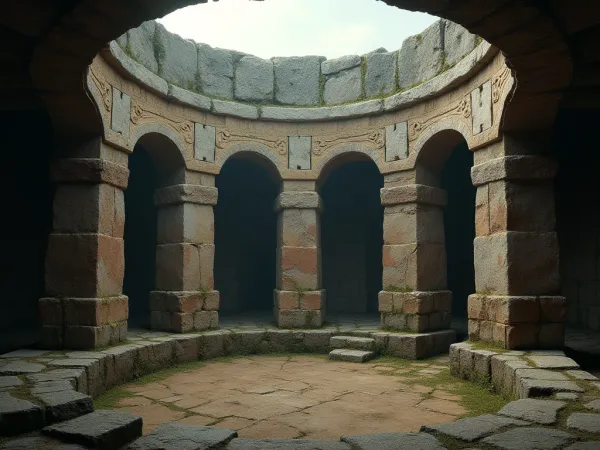
The archaeological site of Gobeklitepe, nestled in southeastern Turkey, stands as a testament to human ingenuity and spiritual life that predates the invention of agriculture and permanent settlements. Dating back approximately 12,000 years to the Epipaleolithic period, Gobeklitepe challenges long-held assumptions about the development of early civilizations. Its massive T-shaped limestone pillars, intricately carved with animal motifs and abstract symbols, suggest that early humans possessed sophisticated craftsmanship and complex belief systems far earlier than previously thought. The site was deliberately buried around 8000 BCE, hinting that its creators may have valued its sacredness or as part of a ritual practice, serving as a spiritual hub that connected communities and reinforced shared cultural identities. The site’s discovery has sparked debates among archaeologists and historians, leading to a renaissance in understanding prehistoric societies not merely as primitive hunter-gatherers but as groups engaging in profound ritualistic and social functions. Gobeklitepe's significance extends beyond its architecture; it reshapes our understanding of the cognitive development of early humans, emphasizing symbolism, religion, and social cohesion at a pivotal point in our shared history.

Ancient Beliefs and the Religious Implications of Gobeklitepe
One of Gobeklitepe’s most intriguing aspects is its apparent function as a religious sanctuary. The carvings and arrangements of its pillars point to a society that engaged deeply with spiritual or supernatural concepts long before the advent of written language. The animal motifs etched onto the stones—such as foxes, snakes, boars, and birds—possibly served as totems or symbolic representations of mythological stories and natural forces. These iconographies suggest that early humans used art not merely for decoration but as an integral part of their spiritual worldview, emphasizing the importance of animal spirits or deities in their daily life. The presence of megalithic architecture and ritual spaces indicates that Gobeklitepe was possibly a pilgrimage site or a spiritual center where communal gatherings reinforced shared beliefs and traditions. Such interpretations provide compelling evidence that spirituality and religion played a central role in shaping social cohesion and guiding early human behavior, long before the formal emergence of organized religions as we understand them today.
Cultural Traces and The Broader Context of Early Human Societies
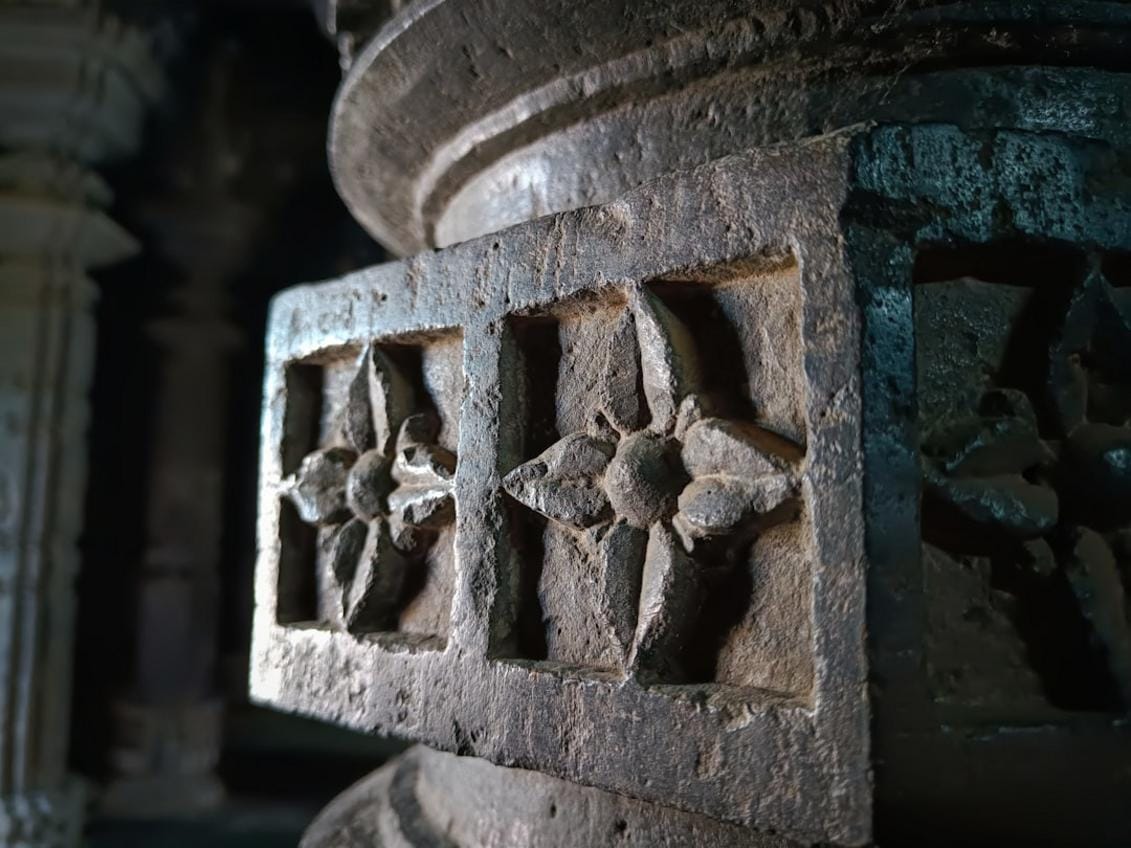
Gobeklitepe stands at a crossroads in global history, providing critical insights into the cultural practices of societies that existed during the late Ice Age. Its emergence coincides with a period of significant environmental changes and evolving social structures. The site’s intricately carved stones and communal construction indicate that early human groups prioritized collective effort, spiritual symbolism, and environmental awareness. These cultural traces suggest that early societies were interconnected through shared rituals and possibly even trade of symbolic objects and ideas. Moreover, Gobeklitepe’s existence challenges the linear narrative that human civilization began with the rise of agriculture and complex states, instead highlighting the importance of spiritual and ritual significance in human development. As archaeologists continue to uncover more about these ancient peoples, it becomes clear that their societies were far more sophisticated and spiritually driven than traditional theories had acknowledged, emphasizing the importance of understanding the cultural and cognitive capacities of our ancestors.