Göbekli Tepe Revealing Humanity's Ancient Spiritual Roots and Architectural Ingenuity
Göbekli Tepe: A Monumental Leap in Human History
Imagine a sprawling archaeological site that predates the birth of agriculture and permanent settlements by several millennia. Göbekli Tepe, located in southeastern Turkey, is that site, and it challenges our traditional understanding of early human development. Dating back approximately 12,000 years, Göbekli Tepe consists of massive carved stone pillars arranged in circular formations that suggest an advanced level of social organization and spiritual development among hunter-gatherer communities. The intricacies of these carvings, which include animals, abstract symbols, and possibly deity depictions, point to complex beliefs and ritual practices. This site has redefined notions about the capabilities of prehistoric humans, indicating that they might have possessed a rich spiritual life and organizational skills much earlier than traditionally believed. Modern excavations have uncovered numerous layers of these circular enclosures, prompting scholars to rethink the progression from nomadic lifestyles to settled communities. It's fascinating to consider that these early humans, long thought to be primitive, crafted such sophisticated structures long before the advent of writing, metal tools, or even domesticated plants and animals. Their spiritual and social lives may have been the catalyst for the monumental architectural feats seen at Göbekli Tepe, serving as a testament to humanity's innate urge to understand and connect with the divine. The site remains an archaeological enigma, but its implications reach far beyond mere stone circles, revealing a complex tapestry of religion, community, and innovation that still beckons experts to explore further.
Deciphering the Symbols and Significance of Early Human Beliefs
The carvings and symbols unearthed at Göbekli Tepe provide a tantalizing glimpse into the spiritual and mythological world of prehistoric peoples. These hieroglyph-like engravings, which include depictions of dangerous animals like boars, foxes, and snakes, suggest a deep connection with nature and possibly shamanistic practices. Scholars believe that these motifs served as representations of spiritual entities or mythic narratives, forming part of early ritual contexts that aimed to harness supernatural powers or invoke protection from dangerous forces. The site’s layout, with its emphasis on central enclosures and carved T-shaped stones, reinforces the idea that Göbekli Tepe was a sacred gathering place dedicated to religious ceremonies—possibly the earliest known temple. Such practices imply that early humans had a complex understanding of the cosmos, life, and death. These beliefs might have acted as social glue, fostering communal identity and shared purpose in an era long before written language. Analyzing the symbolism at Göbekli Tepe helps us appreciate that spiritual thought was an integral part of human social evolution, shaping behaviors long before the rise of civilizations. Lightly brushing aside the misconception that primitive societies lacked intellectual sophistication, the carvings serve as enduring evidence of a rich spiritual world that laid the groundwork for later religious systems worldwide.

Architectural Marvels and the Technological Innovation of Early Builders
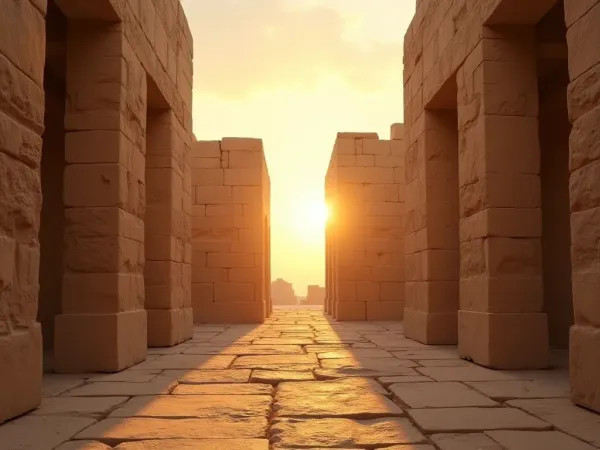
One of the most remarkable features of Göbekli Tepe is its sophisticated construction for a society that predates settled farming communities. The massive pillars, some reaching over five meters in height and weighing up to 10 tons, are meticulously carved with bas-relief animal motifs, indicating an advanced understanding of stone working techniques. Archaeologists have identified architectural principles such as alignment, symbolic placement, and structural stability—yet all crafted by hand without metal tools. The design of these enclosures suggests a deliberate effort to create sacred spaces that were not only functional but also spiritually significant. The arrangement of the pillars into circles implies ritualistic purposes, possibly for communal gatherings, ceremonies, or astronomical observations. Interestingly, debris and burial remains hint that these sites were used repeatedly, pointing to a societal structure that valued ritual continuity. The technological innovation displayed by these early builders underscores humanity's innate ability to adapt, innovate, and communicate complex ideas through architecture. Although the precise methods of construction remain a subject of debate, the sheer scale and refinement of Göbekli Tepe continue to inspire modern observers and archaeologists alike. It’s a testament to human ingenuity and spiritual aspiration that such structures could be erected with primitive tools, making Göbekli Tepe a profoundly important archaeological treasure.

The Ongoing Mystery and Future Discoveries at Göbekli Tepe
Despite decades of excavation and study, Göbekli Tepe remains one of the most enigmatic archaeological sites, continually revealing new layers of history and raising provocative questions about human origins. Recent discoveries include additional enclosures, underground tunnels, and possible evidence of ritual artifacts, suggesting that the site might have served as a spiritual hub for a broad region. Theories abound regarding its purpose—was it a temple for early shamanistic practices, a ritual center for ancient nomadic groups, or perhaps an early astronomical observatory? Ongoing research harnesses technological advancements like 3D scanning, drone surveys, and isotope analysis to unlock its secrets further. Scholars are also interested in understanding the societal implications, such as whether Göbekli Tepe predates or coincides with the emergence of organized religion and complex social hierarchies. As more excavations take place, the site could redefine timeframes of technological and societal evolution, challenging the long-held belief that agriculture and permanent settlements had to precede monumental architecture. Visitors and researchers alike are eager to see what new mysteries will surface as international collaboration continues. Perhaps Göbekli Tepe will eventually be understood as the birthplace of organized spiritual life, changing the story of humanity's spiritual and technological journey forever.