We got human history completely backwards and here is why that matters to you right now
The timeline is broken and we are just starting to see why
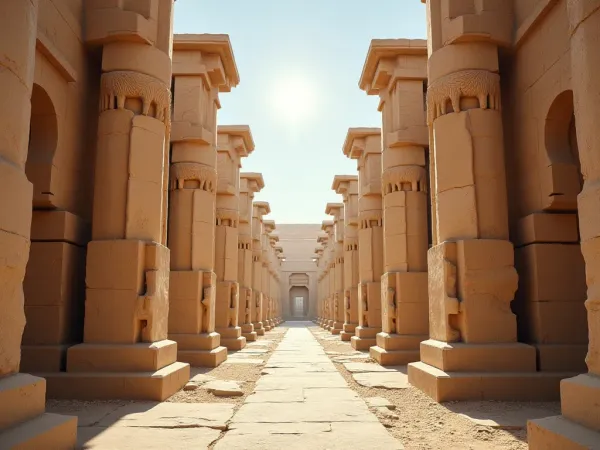
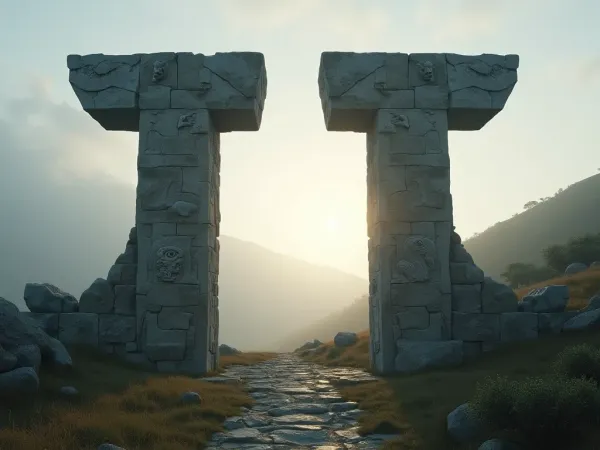
Imagine standing in a circle of massive stone pillars. Each one weighs ten tons. No wheels were used to move them.
Now picture the people who built this. They had no farms. No pottery. No writing systems.
That is not a fantasy scene from a movie. It is the reality of what we found in southeastern Turkey.
For decades, textbooks told a simple story. Humans invented farming first. Then they settled down.
Only then did religion and complex society emerge to manage the new surplus of food.
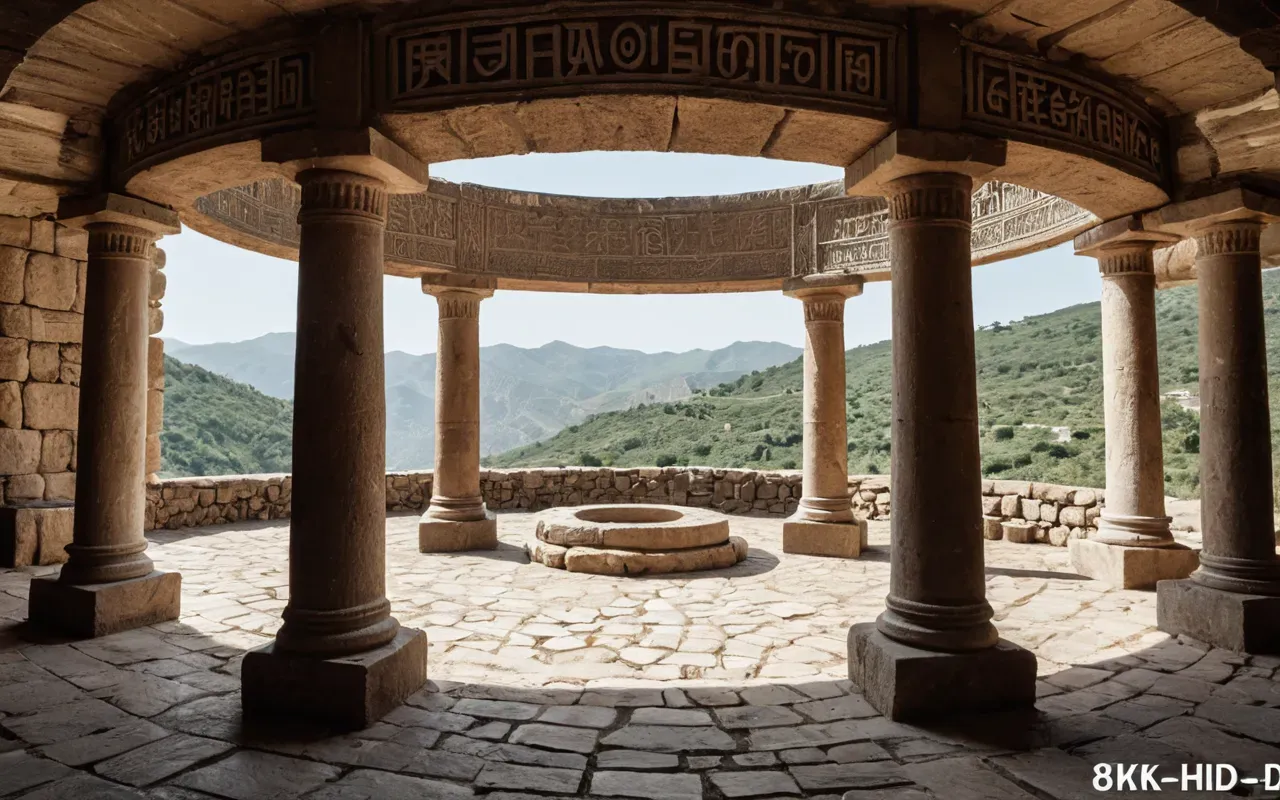
But the stones do not care about our tidy narratives. They sit in the dirt and tell a different story.
Why farmers did not build these monuments first
Here is the thing that keeps me up at night. The builders were nomads.
They moved with the seasons. They hunted wild animals and foraged plants.
Yet they coordinated hundreds of people to quarry and carve these huge limestone blocks.
This level of organization usually requires a permanent settlement to feed and manage workers.
So how did mobile groups pull off a static architectural feat of this scale?
The ritual labor hypothesis changes everything we know about motivation
Most archaeologists now believe the drive came from belief rather than economics.
These groups likely gathered for massive feasts and ceremonies at specific times of the year.
The need to meet together created a temporary population boom around the site.
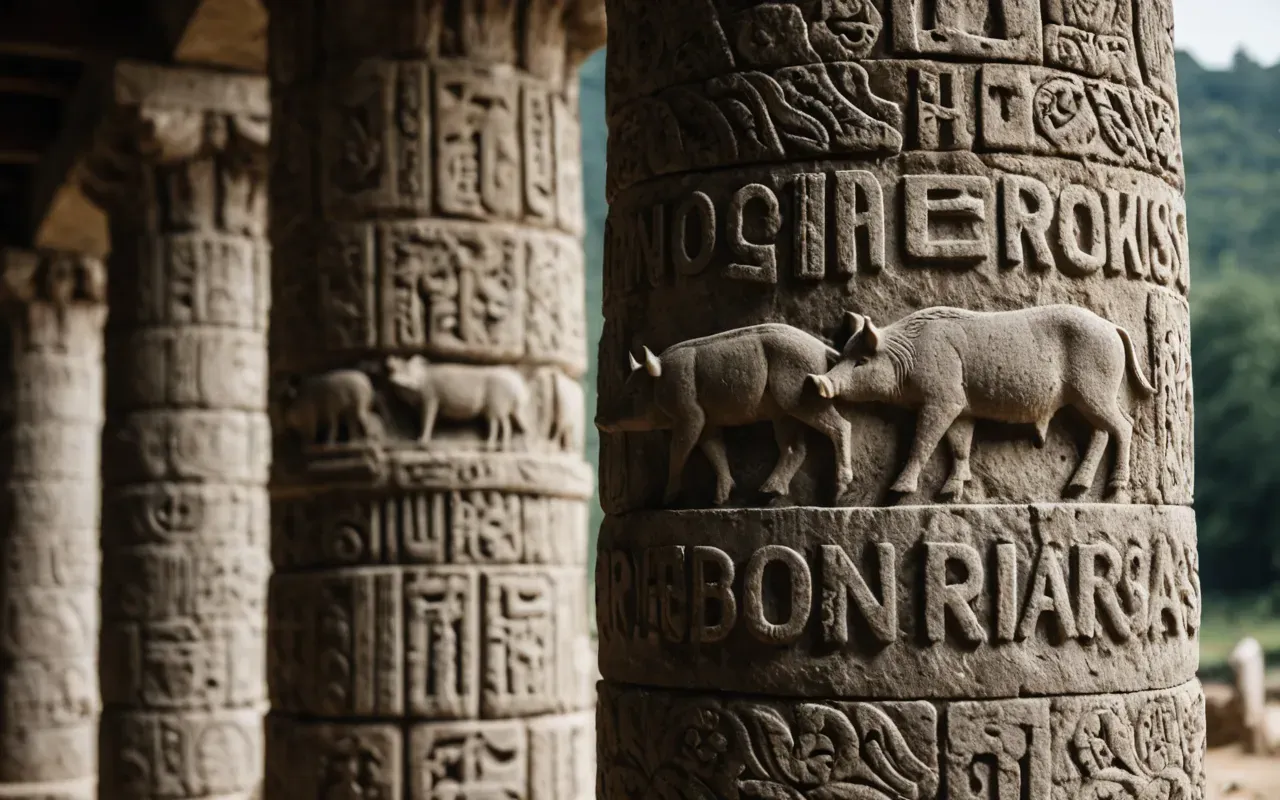
The energy from these gatherings could be channeled into building the structures that hosted them.
It is a chicken-and-egg problem, but the eggs came first in this case.
The physical evidence that defies common sense
Let us look at the actual engineering involved here. It is staggering.
Moving stone without wheels or draft animals
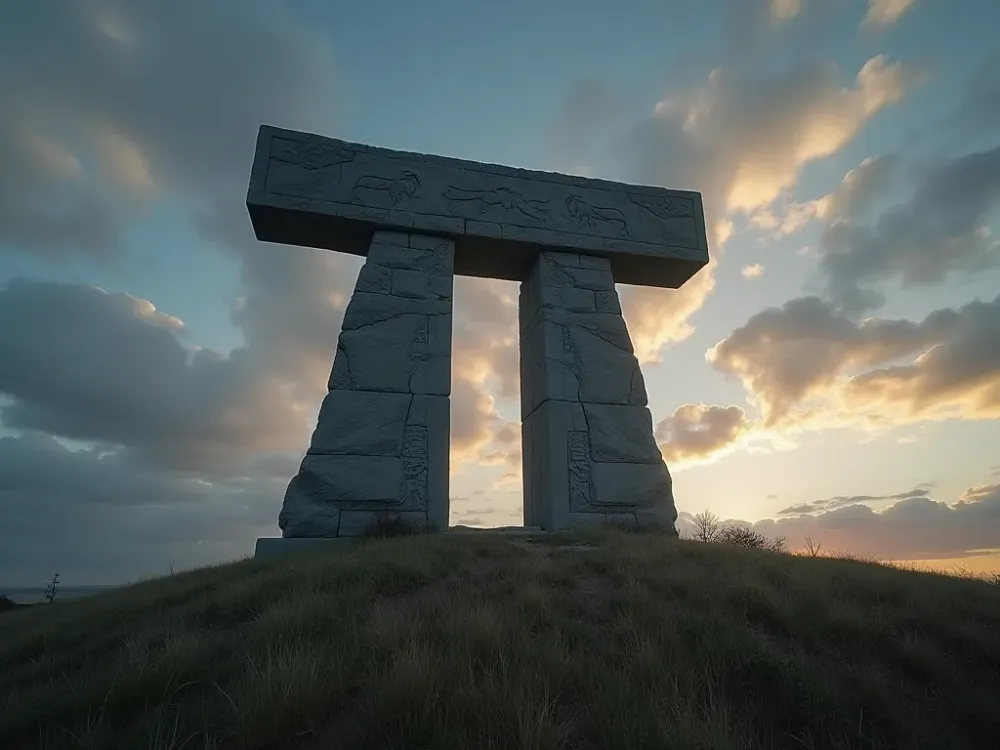
The T-shaped pillars weigh up to ten tons each. That is roughly the weight of a small car.
There were no oxen to pull them. No horses. No wheeled carts in this era.
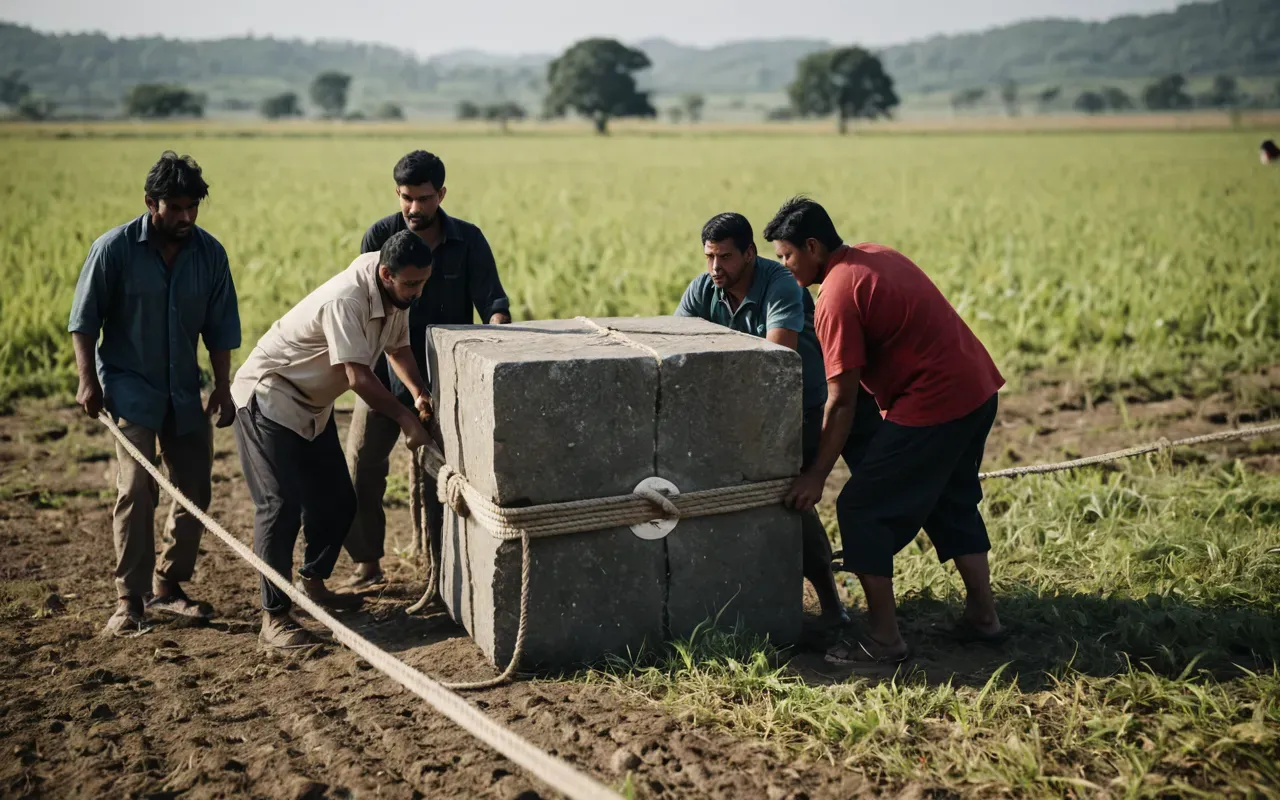
Builders likely used sledges and hundreds of people pulling ropes over greased tracks.
This requires precise planning and a large labor force available at the same time.
The burial of the site reveals a deliberate end to an era
Perhaps most fascinating is how the site ended. It was not abandoned.
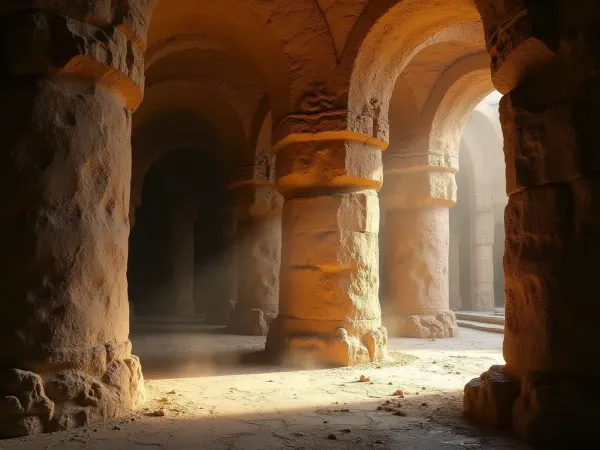
The builders filled in the enclosures with tons of dirt and rubble.
They sealed off doorways. They buried the pillars under layers of stone and earth.
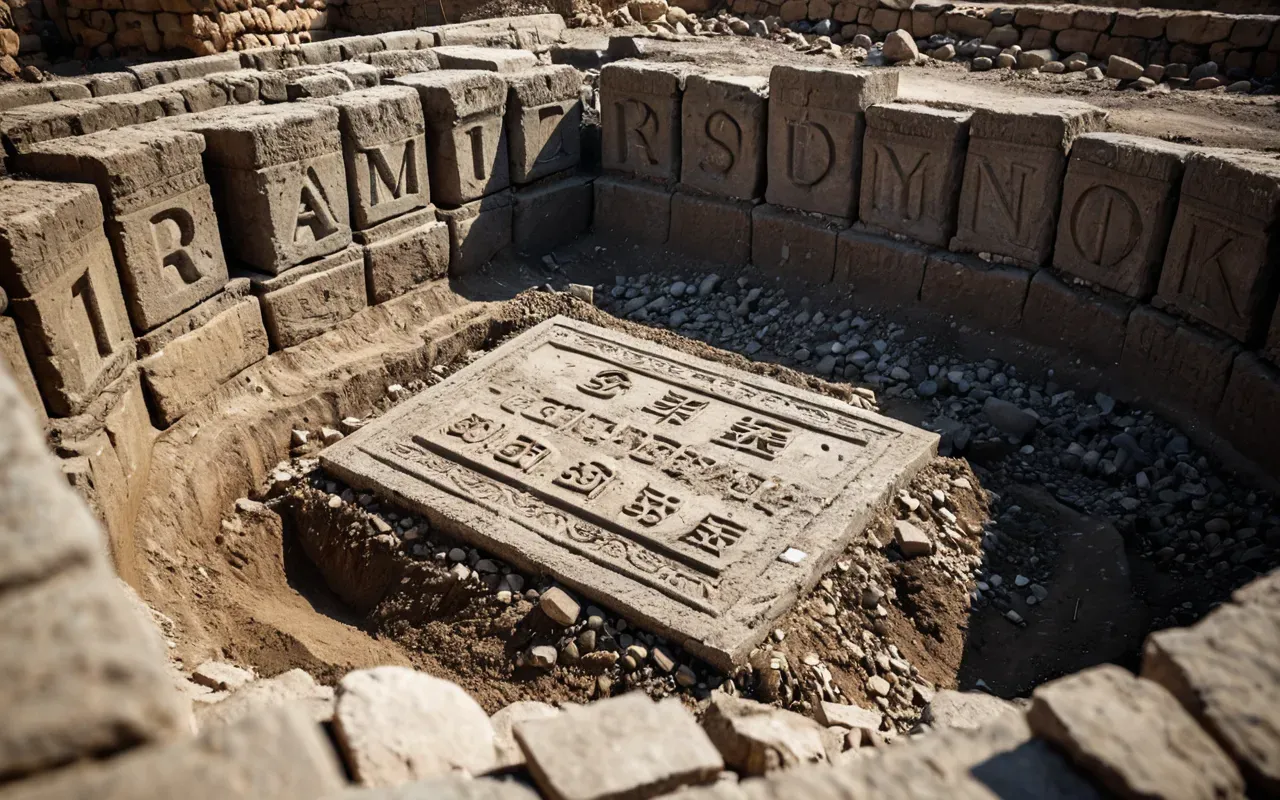
This was not neglect. This was a ritual act of closure or completion.
It suggests the cycle of building and using the site had a planned end.
Why this challenges our view of human intelligence
We tend to think in linear steps. Tool use, then language.
Then agriculture, then cities, then writing. A simple ladder up the rungs of progress.
But human behavior is messy. It jumps around. It loops back.
Complexity does not require a settled lifestyle to emerge
Hunter-gatherers are often portrayed as simple and transient.
But they had deep ecological knowledge. They tracked migrations over vast distances.
They likely maintained social networks that spanned entire continents.
Building a monument is just one form of that deep social coordination.
The ripple effects on how we teach history today
This discovery forces a rewrite of standard curricula worldwide.
Rethinking the definition of civilization itself
If a group can build complex structures without farming, are they civilized?
The answer is yes. Complexity in social organization matters more than subsistence style.
We need to drop the bias that values agriculture above all else as a marker of advancement.
What this means for future archaeological searches
Archaeologists are now looking in different places with new expectations.
We might find other sites where nomadic groups left behind monumental traces.
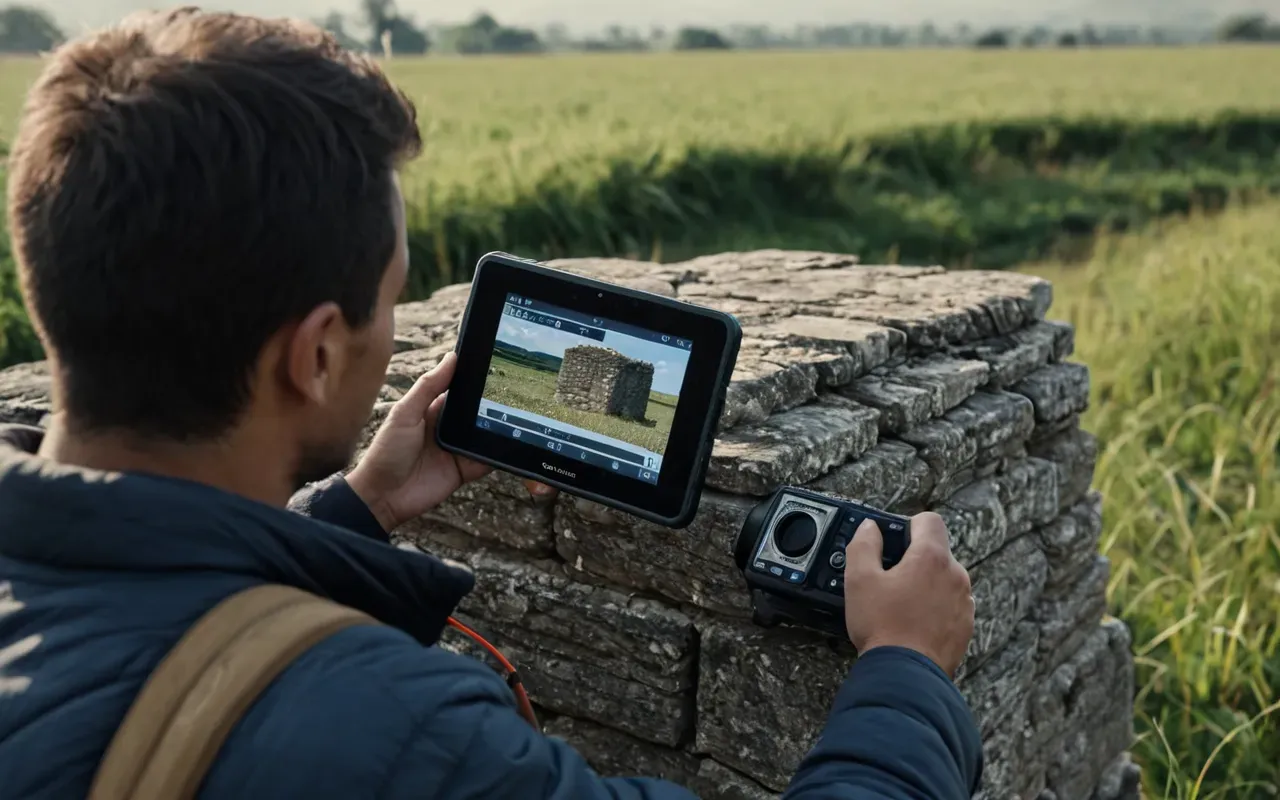
The map of human achievement is expanding faster than we can update it.
Why you should care about twelve thousand years ago
This is not just trivia for history buffs. It changes how we see ourselves.
We are often told that modern humans are special because of our technology.
But the ancestors who built these circles had something we often lack.
The capacity for collective meaning making without material excess
They created shared spaces that bound their communities together for generations.
In a world obsessed with individual achievement, this is a radical idea.
The evidence continues to challenge established narratives
Every new season of digging reveals more puzzles than it solves.
New findings on the north side shift our understanding of daily life
Recent work has uncovered evidence that challenges the idea of purely ritual use.
There are signs of habitation and daily activity that we did not expect to find.
If you are curious about the specifics of this shift, I recommend reading the latest analysis on the north excavation which breaks down the new data clearly.
The debate over whether it was a temple or a social hub remains fierce
Some scholars still cling to the temple label because it fits our modern categories.
But others argue that the term is misleading and imposes a later concept on an earlier time.
For a deeper look at this specific argument, check out the detailed case against the temple classification which uses direct evidence to support its claims.
What we still do not know about these ancient builders
We can measure the stones, but we cannot hear their voices.
The mystery of how they organized such large scale projects persists
There were no written orders. No visible leaders directing the work.
The coordination must have been fluid and based on shared social bonds rather than coercion.
The identity of the groups remains a topic for serious academic discussion
We do not know what they called themselves or how they viewed their place in the world.
This gap reminds us that archaeology is a reconstruction, not a recording.
The future of understanding our deep past looks promising yet complex
New technologies are allowing us to see beneath the surface in new ways.
Ground penetrating radar is revealing structures hidden under modern fields
This technology can detect voids and walls without digging a single hole.
It is changing how we plan excavations and where we look for answers.
Genetic studies are linking modern populations to these ancient groups in surprising ways
Ancient DNA is providing clues about migration and mixing that were previously hidden.
These genetic threads connect us to a past we thought was entirely separate from our own.
A call to rethink the story we tell ourselves about progress
We like stories of steady improvement. Step by step, we climb.
But the evidence says it was more chaotic and creative than that simple ladder suggests.
Maybe the key to our past is not in what we built but in how we came together.
The stones are silent, but they scream a truth that is hard to ignore.