Göbeklitepe Life
Who Built Göbeklitepe? The Mystery of Its Builders
Göbekli Tepe was constructed by prehistoric hunter-gatherers between 9600 and 8000 BCE. These mobile communities had not yet domesticated animals or invented pottery, creating a paradox that defies the standard timeline of human civilization.
Traditional history assumes agriculture precedes complex social organization. Farmers settle down, create surplus food, and then build temples to worship gods who ensure harvests. Göbekli Tepe inverts this sequence entirely. The builders were nomads who moved ten-ton stones without the stability of settled life.
Archaeological evidence indicates these groups lacked domesticated grains or animal husbandry on site. They achieved monumental engineering feats before inventing pottery or establishing permanent villages. This challenges the idea that civilization emerges only after people stop moving.
Evidence of Pre-Farming Engineering Prowess
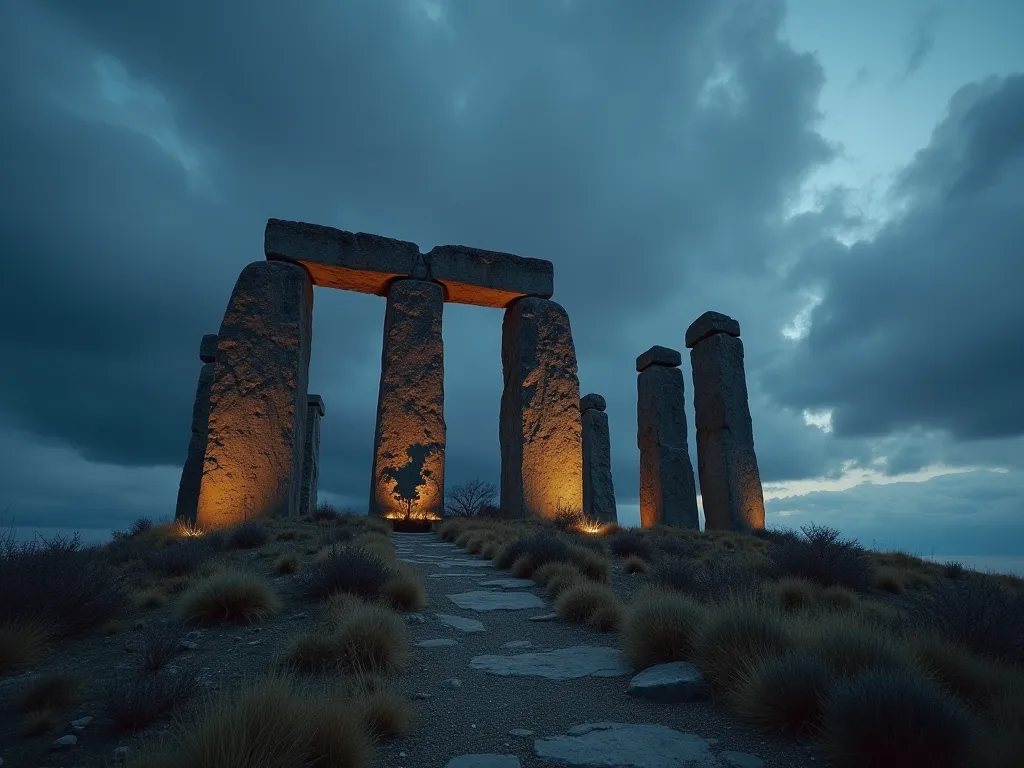
The physical footprint of Göbekli Tepe reveals a level of coordination that defies the traditional definition of nomadic life. The site is dominated by circular enclosures anchored by massive T-shaped limestone pillars, some weighing up to 20 tons. These monoliths were not merely placed; they were quarried from local bedrock and transported over significant distances without the aid of wheeled vehicles or draft animals.
Every step of this process relied entirely on human muscle power and stone tools. Workers had to extract these heavy blocks using abrasive stones and wooden levers, a task requiring precise leverage points and synchronized team efforts. The absence of metal implements meant that friction and controlled breakage were the primary methods for shaping rock, demanding years of accumulated technical knowledge.
Precision in Placement
Once erected, these pillars supported the weight of surrounding walls and roofs, creating stable architectural spaces. The precision required to align such heavy stones indicates a sophisticated understanding of load distribution and structural integrity. This was not random piling; it was deliberate engineering designed to last for generations.
The surfaces of these pillars feature intricate carvings of animals, abstract symbols, and anthropomorphic figures. Creating such detailed relief on stone as hard as limestone required steady hands and specialized chisels made from harder stones like flint or obsidian. The ability to execute this level of artistic detail while managing massive construction logistics suggests a society with complex social hierarchies and dedicated labor forces.
This combination of heavy lifting and fine artistry highlights a gap in standard historical narratives. Many popular accounts oversimplify ancient engineering feats by assuming that monumental architecture requires settled agricultural economies. The evidence at Göbekli Tepe contradicts this, showing that mobile groups could organize large-scale projects through social cohesion rather than surplus food storage.
Why Build Before Farming? The Social Driver
The absence of permanent housing suggests these structures served as temporary gathering places rather than homes. Nomadic bands likely converged on the site during specific seasons to exchange goods, share knowledge, and perform shared rituals. This neutral ground allowed dispersed groups to interact without ceding territory or establishing long-term dependencies.
Constructing massive pillars required coordinated labor from multiple communities working in shifts over years. The physical act of moving and erecting these heavy elements created strong social bonds among participants who might otherwise have remained strangers. This cooperative effort reinforced group identity without demanding that anyone settle down permanently.
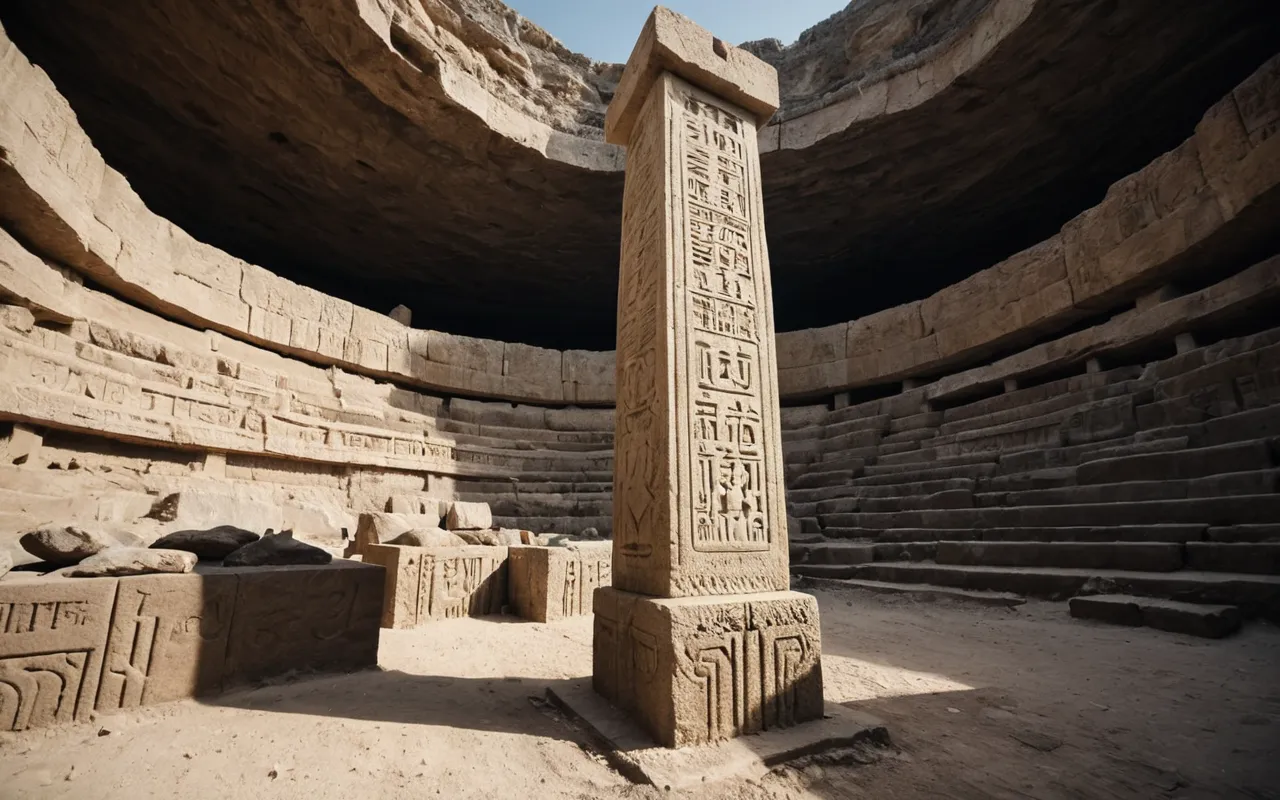
The carvings on the pillars depict animals in stylized, repetitive patterns rather than realistic hunting scenes. These images likely held symbolic meaning for ritual purposes instead of serving any practical function like tracking prey or mapping territory. The artistic focus suggests a complex belief system that prioritized spiritual expression over material utility.
This model challenges the assumption that agriculture must precede monumental architecture. Instead, social complexity and shared ritual needs may have driven people to build first. The site demonstrates how human ingenuity can overcome environmental constraints through collective organization.
The Deliberate Burying: A Final Act
Around 8000 BCE, the active phase of Göbeklitepe ended with a specific, deliberate act rather than gradual decay. The builders covered the monumental structures with thousands of tons of fill material. This was not an accidental collapse or a result of neglect; it was a planned engineering effort to seal the site.
Archaeologists interpret this massive burial as a ritual closure, effectively decommissioning the complex. The group that erected these pillars chose to return them to the earth, signaling the end of their use for communal gathering or ceremony. This act suggests that the relationship between the people and the architecture was cyclical, concluding with an intentional final gesture.
This preservation strategy had a profound unintended consequence. By burying the site under layers of soil and debris, the builders created a protective barrier that shielded it from erosion and later human activity for millennia. It is this deliberate concealment that allowed the structures to survive intact until modern excavation began.
Revisiting the Timeline: Older Than Stonehenge
The chronological gap between Göbekli Tepe and other famous monuments is stark. Built by a prehistoric people approximately 6,000 years before Stonehenge, the site shatters the assumption that monumental architecture arrived with settled agriculture.
This priority places the complex in a unique tier of human history. While later megalithic structures often served dual purposes of burial and ritual, Göbekli Tepe stands out as one of the earliest examples where engineering scale preceded economic stability.
The architectural ambition was not merely decorative. The site features more than 20 circular stone enclosures, with the largest measuring 20m across and containing two carved pillars that are 5.5m tall.
Such dimensions require coordinated labor far beyond what small hunter-gatherer bands could typically muster without external pressure or strong social cohesion. This timeline forces a revision of when complex human behavior emerged, suggesting that the drive for collective identity and symbolic expression was older than the farm itself.
Frequently Asked Questions
Did the builders live near Göbekli Tepe permanently?
The builders did not reside permanently at the site. Archaeological evidence indicates they were hunter-gatherers who had not yet domesticated animals or invented pottery. They likely moved seasonally, returning to construct and maintain these monumental structures during specific periods.
What tools did they use to carve the limestone pillars?
While specific tool types remain debated, evidence points to flint or obsidian chisels used in conjunction with abrasive sand for finishing.
Why do we think hunter-gatherers could organize such large projects?
They possessed significant social cohesion to coordinate labor for moving ten-ton stones. The deliberate burial of the site implies a shared cultural purpose beyond mere utility. This suggests strong communal bonds allowed them to undertake complex engineering before farming existed.
Is there any evidence of conflict or warfare at the site?
No definitive evidence of warfare has been found at the site; current interpretations focus on cooperative ritual rather than conflict.
For the full overview, see göbekli tepe history.