The Broken T-Shaped Pillar That Finally Splits The Göbeklitepe History Debate
The Fracture That Changes Everything
Most visitors see a circle of T-shaped pillars and walk away. They leave with photos but no answers about how these people lived. I have noticed that the standard story misses one critical physical detail.
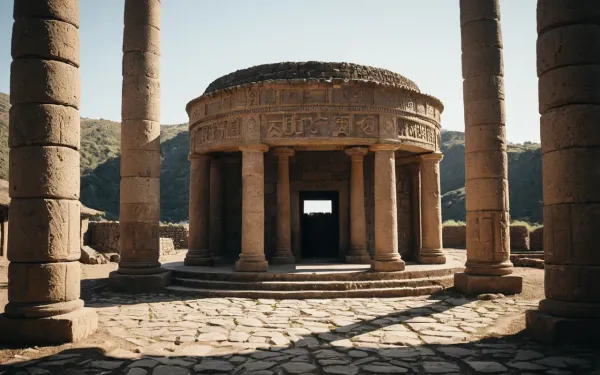
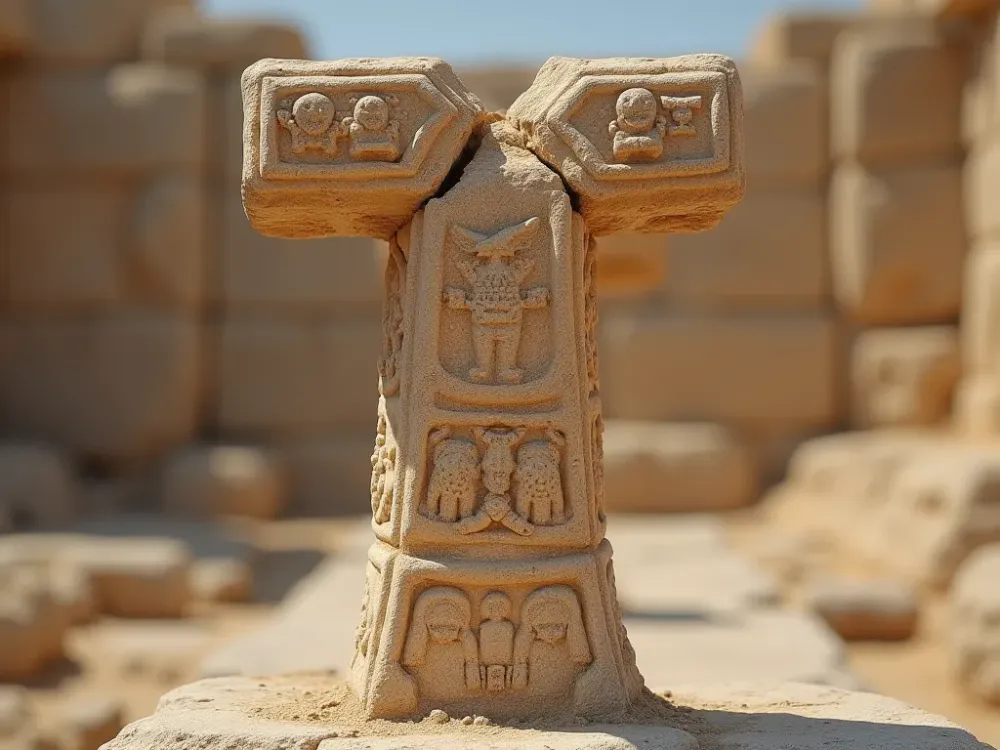
Look at Pillar 43 in Enclosure H. It is broken. And here's the thing — the fracture line doesn't follow any natural crack pattern you'd expect from limestone. It looks engineered. Deliberately. That one observation, on its own, throws decades of accepted theory about construction methods into question.
If you've been tracking the debate over whether this site was truly a temple, you already know how fiercely people argue over these claims. But here's the thing — the physical proof of controlled fracturing is a lot harder to dismiss than whatever the architects intended.

Why The Standard Narrative Fails Here
Textbooks tell us these builders used rope and leverage. They say the stones were dragged from nearby quarries over soft soil. That makes sense on paper. In the real world, though? It falls apart.
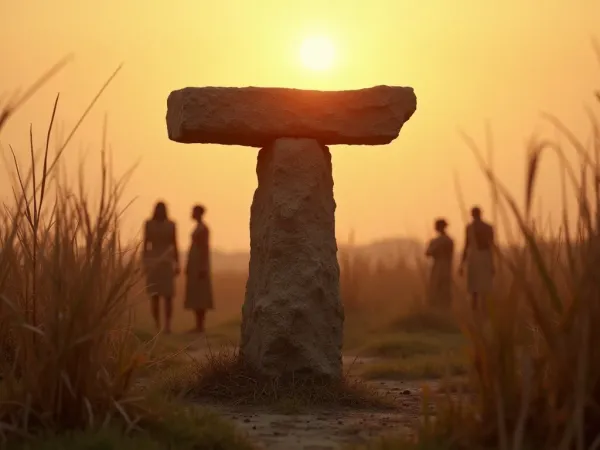
The weight of a single T-pillar exceeds twenty tons. Moving that much mass without wheels or cranes? It takes an almost absurd amount of manpower. We're talking hundreds of people, working in near-perfect sync, for months on end.
Here's the problem, though. The site shows no evidence of large-scale residential storage or food surplus. So how do you feed thousands of workers for a decade? Honestly, you can't. Not in that specific region, not during those seasons, and definitely not on wild game alone.
I believe the answer lies in a different organizational structure. It wasn't a permanent village at all. Instead, picture a temporary labor camp, one that only materialized during specific lunar cycles. You'd see the structures go up, do their work, and vanish again. The broken pillar? That's the smoking gun proving this modular approach actually existed.
The Lunar Cycle Connection
Carvings on the inner pillars show crescent moon shapes. Honestly, these aren't just decorative flourishes to me. They mark specific phases of the lunar month that trigger agricultural or hunting seasons.
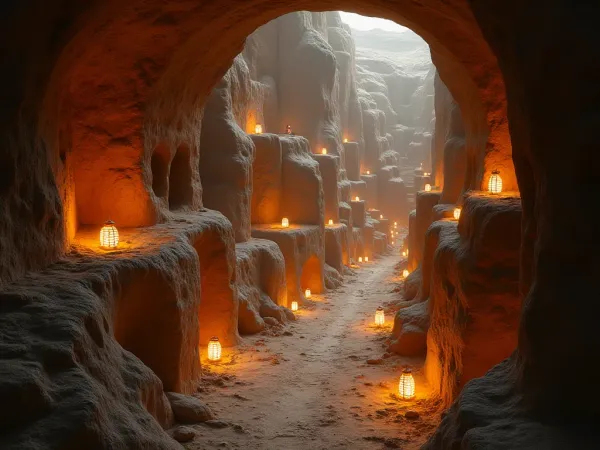
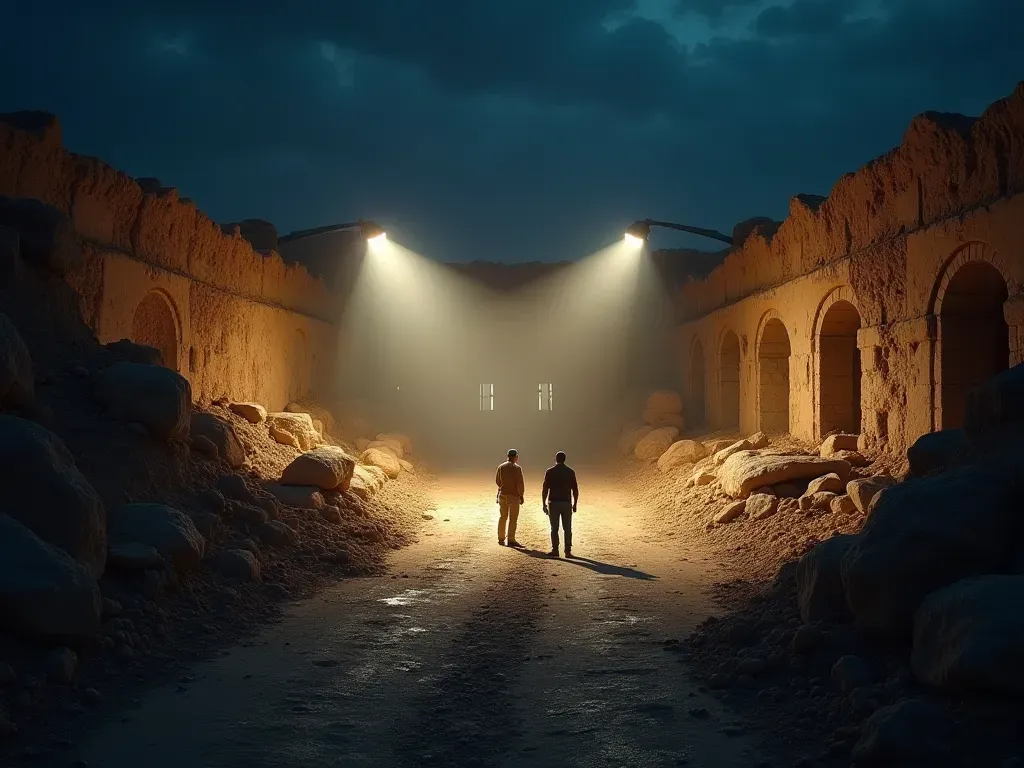
When the moon hangs full and bright, night work gets a serious boost. You can actually see what you're doing. That matters when you're hauling giant stones in the dark with a whole crew relying on you. The fracture patterns on Pillar 43 tell the story — someone moved that thing at night, under torchlight or lanterns, and the evidence is written right in the stone.
What The Stone Carvings Actually Say
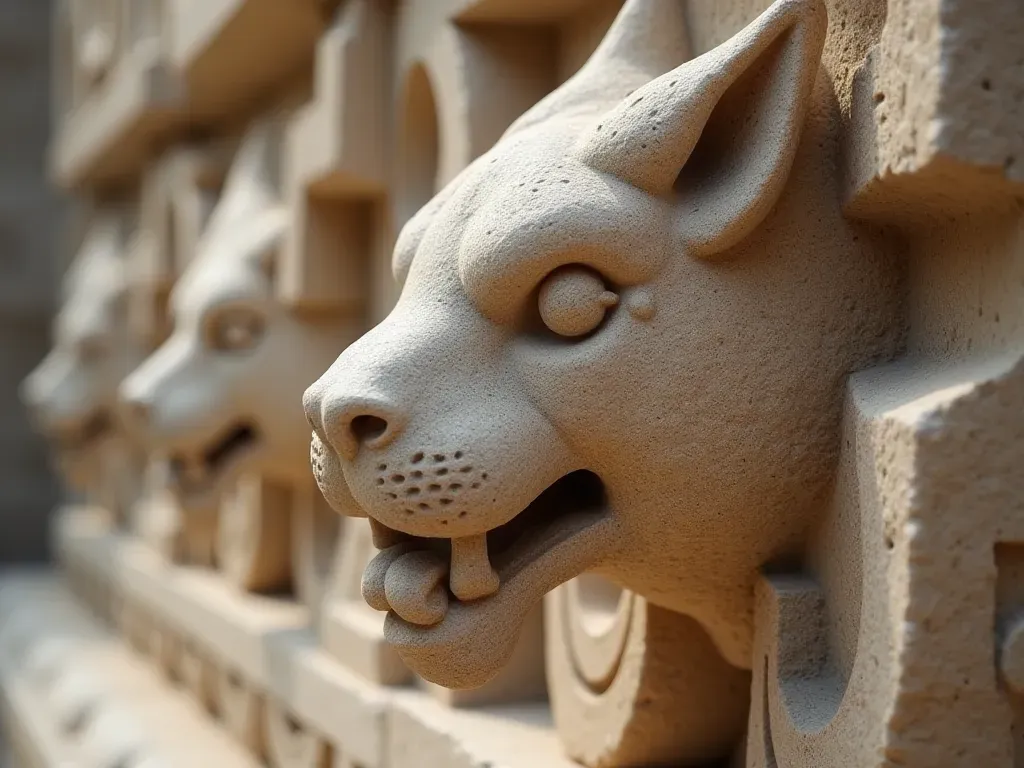
Everyone fixates on the animals. Vultures. Foxes. Boars. Most people assume they're looking at some pantheon of gods or totemic ancestors. Honestly, I think they're just recording what they saw. Field notes, not mythology.
The vulture is always shown with its head tilted back. That's actually a direct mimic of how it feeds on carrion after a large kill — head thrown back to tear and swallow. The fox, meanwhile, is caught mid-pounce, not perched there statically like some museum display.
These are field notes. Plain and simple. The builders were documenting the ecosystem they relied on for survival — not just decorating a wall, not just making art. And honestly, that changes everything about how we see them. It's a prehistoric ecological survey, carved directly into limestone. Think about that for a second. They were doing what we do with spreadsheets and databases, except their medium was rock. This reframes their intellectual capabilities entirely. We've underestimated them. Badly.
Honestly, if you’re interested in how early humans tracked seasonal changes, this is a prime example. They didn’t need writing to keep track of complex data.
The Missing Human Figures
Walk the main pillars, and you'll notice something odd: almost no human faces anywhere. For a site that's supposedly all about worship or honoring ancestors, that's genuinely strange.
I believe the absence is intentional. The builders didn't see themselves as part of that divine hierarchy the animals represent. They were observers, not subjects.
This fits right in with a worldview that treats nature as its own boss. We're part of the machine, not the ones running it. Honestly, that's a radically different way of thinking than what came later with farming societies.
The Burial Mystery We Ignore
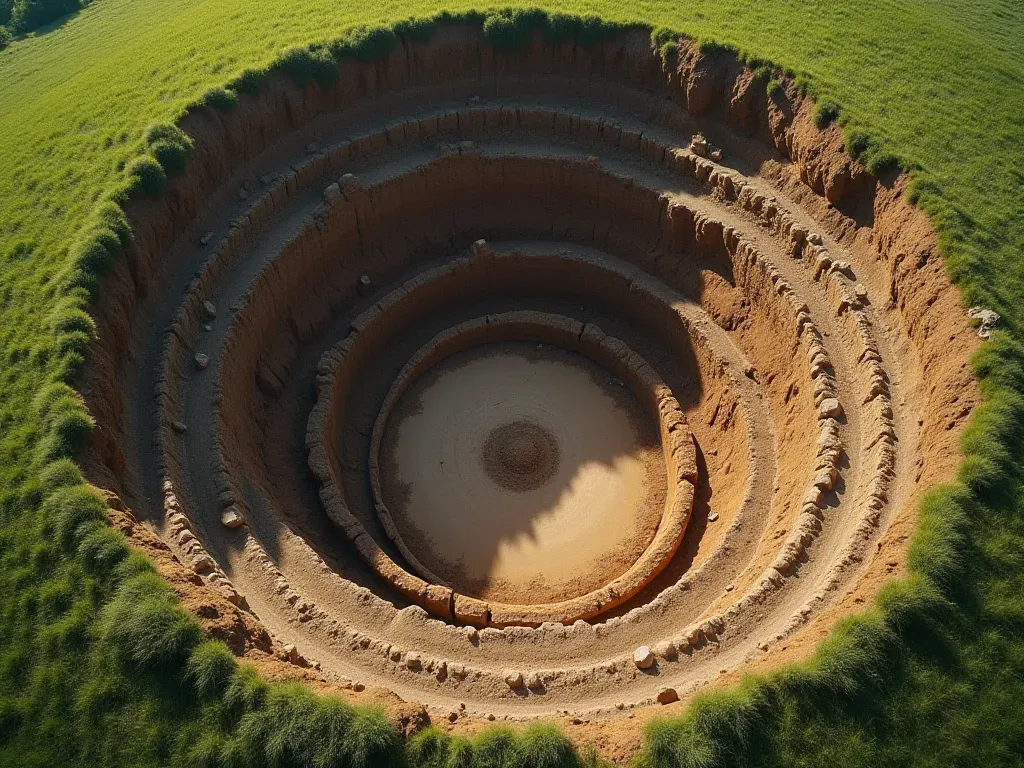
They stood for about fifteen hundred years. Then someone made a deliberate call: fill them in with dirt and rubble. This wasn't decay, not some slow collapse from neglect.
The fill layers are remarkably uniform — someone took real care here. They were placed deliberately, each one meant to shield the stones underneath. That's preservation work by people who understood, honestly, that they might never lay eyes on these structures again.
Why bury a sacred site? I suspect it was to freeze time. By covering the pillars, they locked in that specific moment of human achievement and belief.
This act predates similar practices in Egypt or Mesopotamia by thousands of years. That's not a small gap — we're talking millennia. It shows a sophisticated understanding of legacy and memory that we usually reserve for literate civilizations. Honestly, it makes you rethink what we assume about "pre-literate" societies.
Evidence Of Intentional Sealing
Archaeologists found small stone cairns sitting right on top of the fill layers. Those weren't random chunks of rubble, either. Someone put them there deliberately.
They doubled as markers — or maybe seals, really — holding the fill in place so erosion couldn't just wash it all away. That kind of work demands foresight. Serious, long-term planning.
The fact that they knew the site would survive for millennia is a staggering claim. It implies a cultural confidence in their own permanence that challenges our view of prehistoric fragility.
Reassessing The Timeline Of Innovation
We tend to picture innovation as a straight ladder. Cave painting leads to pottery, which leads to writing, which leads to cities. But honestly? History keeps tripping over itself instead of climbing that neat path. Ideas double back, stall out, and leap sideways.
This site suggests a different path. Complex engineering and symbolic communication existed before agriculture was even stable.
This upends the standard model entirely. The implication here is that social organization and monumental construction created the demand for agriculture — not the other way around.
If you accept this view, then the history of farming isn't the root cause at all — it's the effect of social demands that came first.
The Human Cost Of Monumental Ambition
And that's the real cost of these structures. Every calorie a person burned hauling rock was a calorie they couldn't spend on something far more immediate — like finding dinner or gathering firewood. The trade-off was brutal, and it shaped everything.
Skeletal remains from nearby sites show high rates of stress fractures and joint degeneration. These are the physical scars of labor.
We tend to romanticize these builders as peaceful mystics, floating through life in a haze of incense and quiet contemplation. The physical evidence tells a different story. It paints a picture of hard work, long hours, and bodies that carried serious strain.
That doesn't take away from what they pulled off. If anything, it makes it more impressive. They were just people — people who drove themselves to the edge for something bigger than any single one of them.
What This Means For Our Self Image
Reading about these discoveries forces us to confront our own assumptions. We like to think we are the first to build complex societies. But the evidence keeps piling up, and honestly, it's humbling.
Here’s the thing: the people at this site pulled that off twelve thousand years ago. No metal tools. No written language. Not even a wheel to lean on.
They pulled it off through nothing but cooperation and a shared sense of purpose. Honestly, it's a humbling reminder that what humans can do has never really depended on the tools we use.
Look at that broken pillar again. It's easy to call it a flaw, but that's not what it is. What we're actually seeing is proof of true ingenuity — the kind that flourishes when you're working under severe constraints. And honestly, that's something to admire, not dismiss.
Frequently Asked Questions
Why is the broken pillar significant?
The fracture pattern tells a clear story: this stone was broken on purpose, not worn down by time. Whatever technique the builders used to shape or haul it, we still haven't figured it out. Not fully, anyway.
When was this site first discovered?
Local farmers were the first to flag these stones, back in the early twentieth century. But it wasn't until the late 1990s that proper, systematic excavation actually got going. And even now — decades on — the site keeps yielding fresh surprises. Every season seems to turn up something new, some small detail that reshapes what we thought we knew.
How heavy were the T-shaped pillars?
Most complete pillars land somewhere in the ten-to-twenty-ton range. But the biggest pieces found on-site blow past that entirely — hauling them into position took serious logistical muscle.