This Single Elephant Tooth Just Broke The Map Of Where Humanity Learned To Survive
The Tooth That Rewrote History
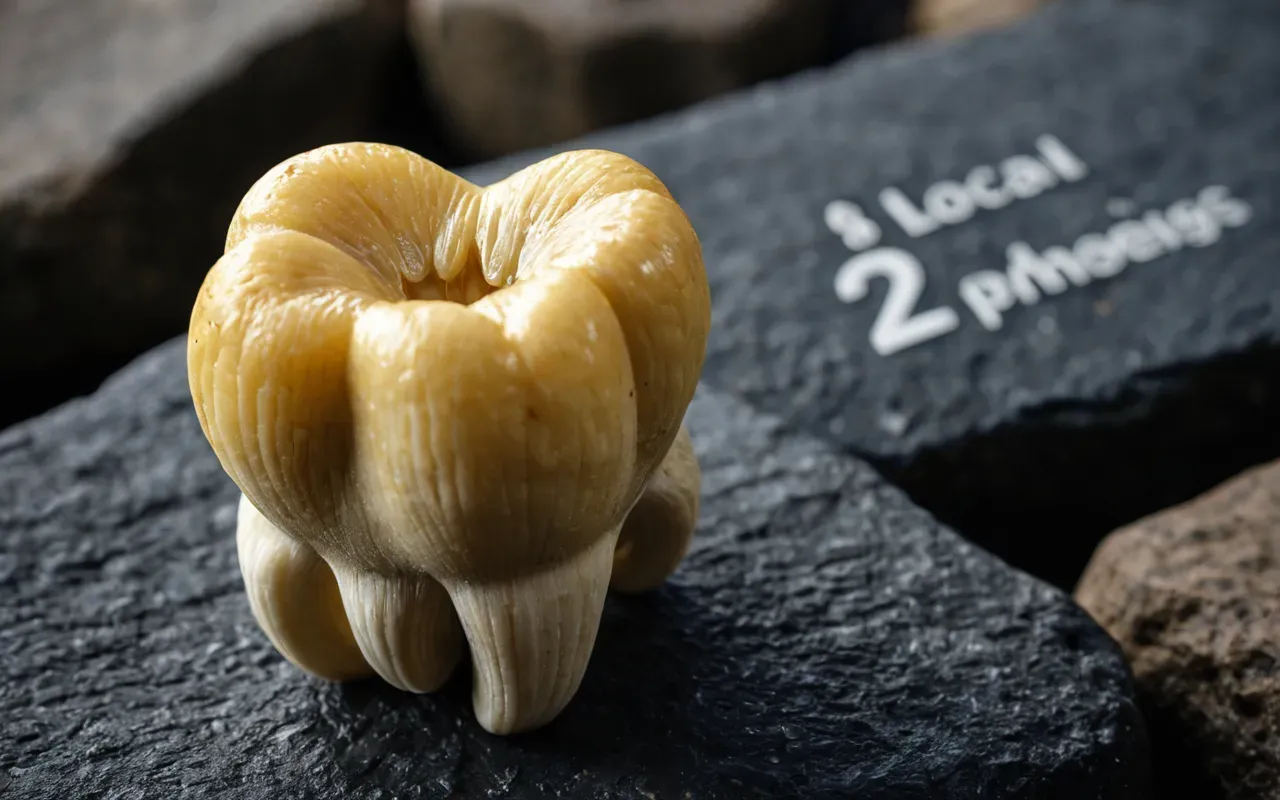
Picture a single molar sitting in your palm. Heavy. Yellowed with age. Perfectly intact. Most people would glance at it and see nothing but an old bone fragment.
The researchers at Haifa University saw something else. A window into the past stretching back nearly seven hundred thousand years.
This particular tooth came from a straight-tusked elephant. It turned up in northern Israel, right alongside stone tools knapped by early humans.
The story here isn't the size of the animal. It's about what was missing from our picture of how early humans survived.
We've long assumed dry savannas and open grasslands drove human migration. That assumption is crumbling.
The Wetland Revolution Nobody Talks About
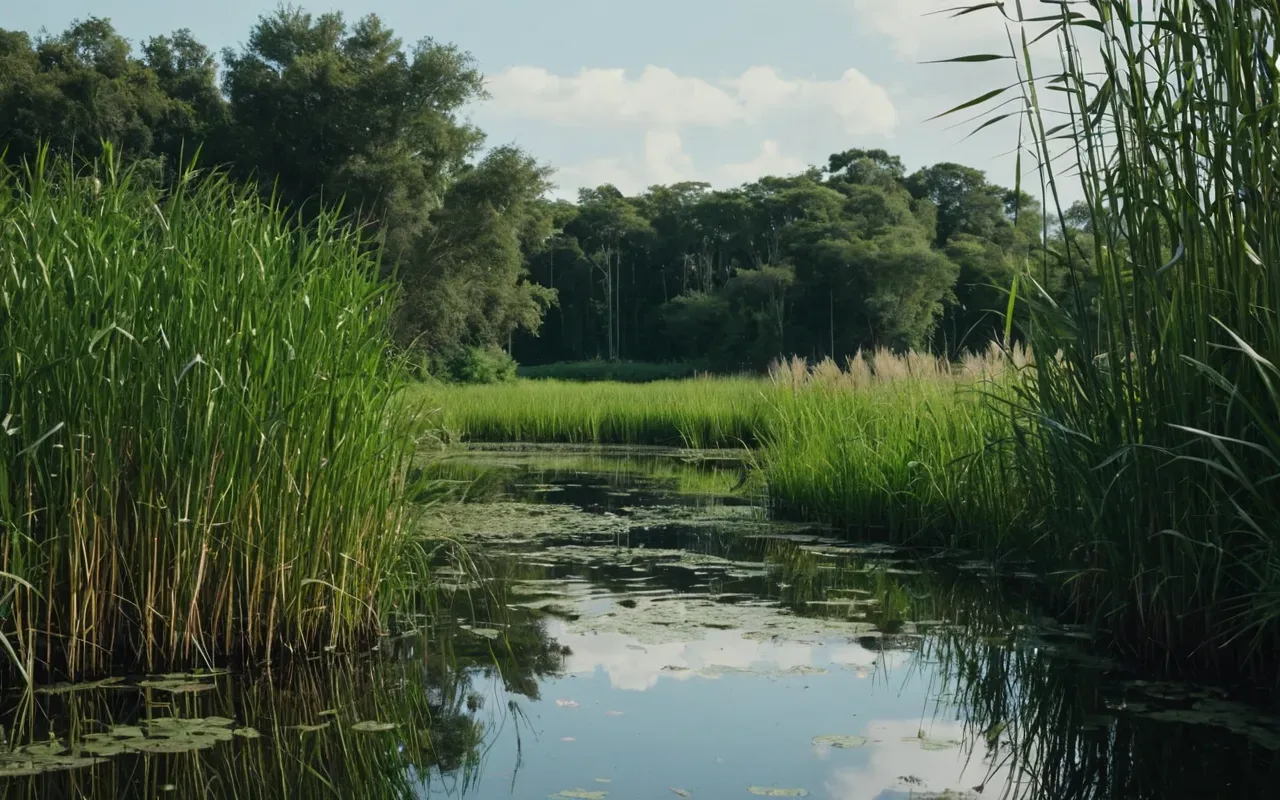
Look at the data. Isotope geochemistry and pollen studies paint a landscape of marshes and rivers.
Not a dusty desert. A lush, water-rich environment that supported giant mammals.
Early humans weren't simply chasing herds across open plains. They were living inside complex ecosystems.
The Hula Valley region worked as a stable ecological refuge. That's the part that shocks me most.
Water wasn't just a resource. It was the architect of human movement and survival strategies.
Change how we see the environment, and we have to change how we teach human history.
Why This Changes More Than We Think
Most textbooks dwell on the stone tools. Cleavers and handaxes are easy to grasp.
The elephant tooth tells us about behavior instead. How humans and animals shared the same space.
That undercuts the idea of early humans as isolated hunters. They were part of a web.
The Levantine Corridor wasn't just a path. It was a living system of resources.
This finding ties into broader debates about ancient civilizations. If you're interested in how we map these old worlds, check out the missing spot on the ancient civilizations map.
We routinely underestimate how much stable environments drive cultural complexity. That's a major blind spot.
The Implication Nobody Is Talking About
Here's the thing. We're heading toward a similar climate trap right now.
Understanding how our ancestors handled environmental change helps us today. This isn't just history.
If wetlands provided stability then, they might offer clues for resilience now. A practical lesson, honestly.
Look at the past as a laboratory for future strategies, not a museum.
The boring stone that kept our ancestors alive still matters. You can read more about this in the boring stone that kept our ancestors alive.
The real lesson is adaptation. Strength didn't save them. Location did.
What The Data Actually Says
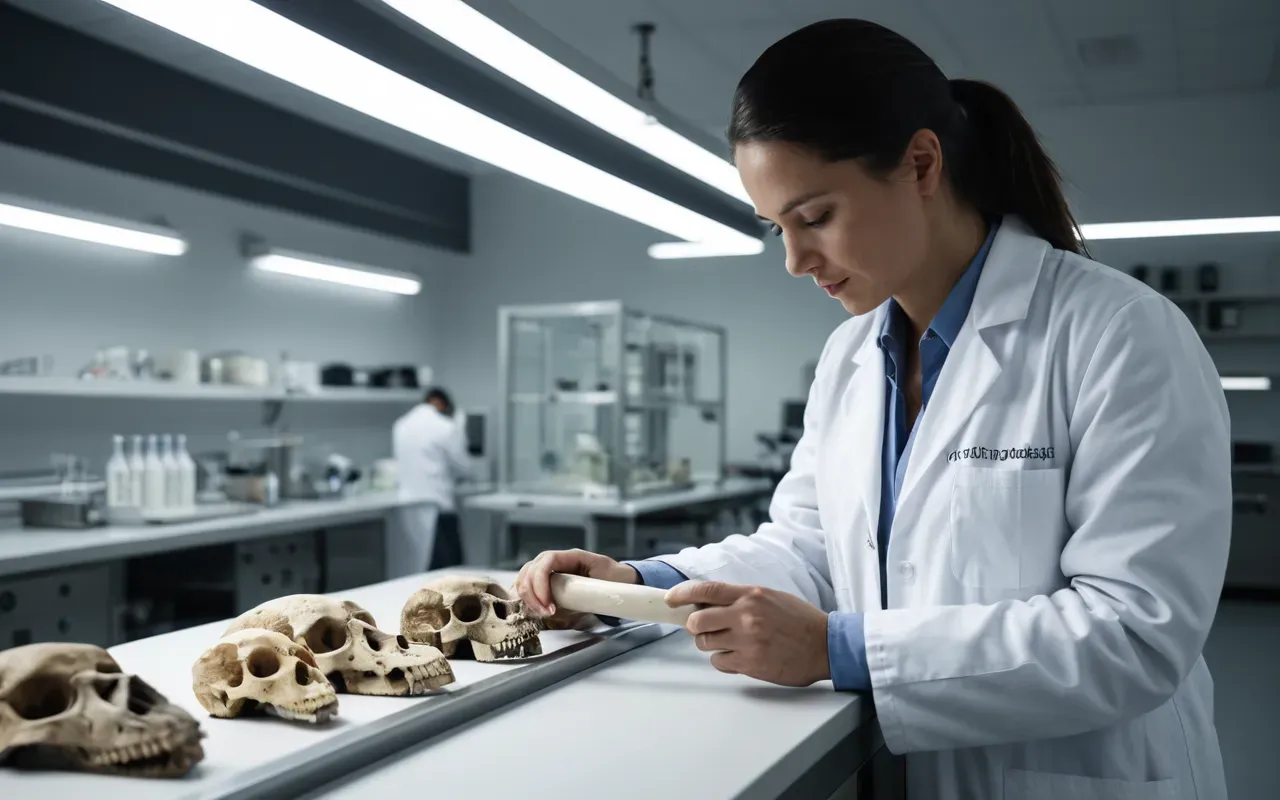
The team used CT scanning and microscopic wear analysis. Precise tools, and for good reason.
They also ran isotope geochemistry. That method reads the chemical signature of what the animal ate.
Pollen studies filled in the rest. They showed abundant wetland vegetation in the sediments.
This multi-disciplinary approach is why I trust the findings. It isn't one theory standing alone.
It shows a long-lasting landscape of grasslands and rivers. That stability was key to survival.
A Backstory The Source Skipped
The site is called Gesher Benot Ya'aqov. It sits in the Jordan Rift Valley.
Prof. Gonen Sharon led the excavation. He's spent years studying this specific region.
The tools found there are Acheulian. One of the earliest stone-tool traditions.
But the elephant remains add a new layer. The ecosystem was richer than we thought.
If you want to see how other ancient sites challenge our views, look at Göbeklitepe was not just a temple.
The real story lives in the details. Not in big monuments or famous bones.
The Big Picture For Your History Book
We need to redraw our mental map of the past. It's more complex and interconnected than it looks.
The environment wasn't a passive backdrop. It was an active participant in human development.
That changes how we view migration. It wasn't a race across dry land.
It was a guided movement through resource-rich corridors. Crucial distinction.
If you're curious about how ancient flood myths might connect to this era of environmental change, read the truth about ancient flood memories.
The bottom line is this. We're still learning how to read the past.
And every new find reminds us that our understanding is always provisional. That's a good thing.