Saudi Arabia is quietly digging up a city that breaks our timeline
The Quiet Revolution in the Sand
Most people picture ancient history as a series of dramatic collapses. Empires rise. They fall. Dust settles.
But the real story usually moves a lot slower than that — and it's stranger. It happens in silence. In the dirt.
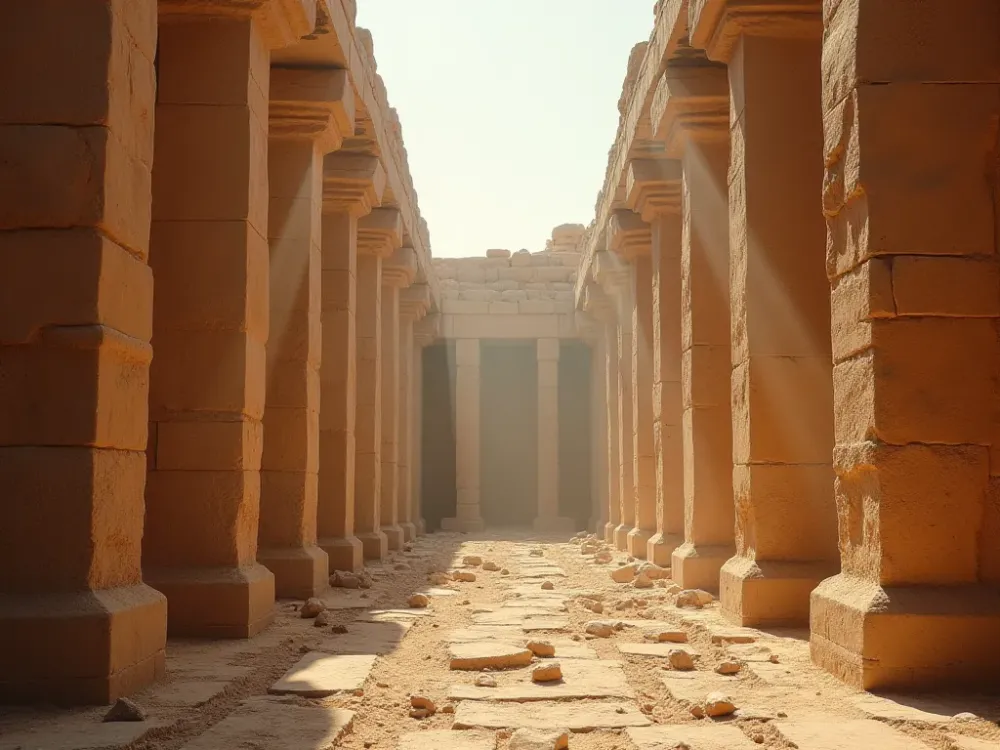
Right now, a team of specialists is doing exactly that work at Dadan in AlUla. They aren't looking for gold or jewels.
They're hunting for patterns of daily life. How did people live? Where did they sleep?
Why Dadan Matters More Than You Think
The Royal Commission for AlUla launched the – season with a specific goal. Trace the development of ancient cities.
And this isn't just another dig site. It builds on five years of prior research. That continuity changes everything.
We know so little about pre-Islamic Arabia because much of it is buried. Or lost to wind and time.
Dadan sits in a critical spot. It was part of the Dadanite kingdom that traded with Rome and Mesopotamia.
If you've followed how the ancient civilizations map is missing key spots, this new data fills a huge gap.
The Second Phase Difference
Phase one was about finding the city. Phase two is about understanding it.
The focus has shifted to funerary and residential areas. This tells us who was buried where, and how families lived together.
It's a shift from spectacle to substance. And honestly? That is where the real history hides.
Khaybar and the Ancient Oasis Theory
While Dadan reveals a city, Khaybar tells us about survival. Specifically, how people used water.
Researchers there are studying sediment records and natural resources. They want to know if the oasis was always green.
Which connects to a bigger question we keep asking. Did climate change drive human movement?
If Khaybar was wetter thousands of years ago, it changes how we view trade routes. Caravans follow water.
And if the oasis dried up later, it explains why certain cities vanished. No more resources means no people.
Neolithic to Islamic Eras
The scope here is staggering. From the Neolithic period through the Islamic eras.
That's thousands of years of human activity in one location. It suggests a persistent connection to the land.
This isn't just about finding old pots. It's about tracing a continuous human story across millennia.
The Data Behind the Digs
Digital documentation is key this season. Every find gets scanned and recorded in high resolution.
This creates a digital twin of the site. Even if the physical ruins erode later, we keep the data.
Smart move. Climate change is accelerating erosion in arid regions. Preservation through data is urgent.
Who Is Doing This Work
Here's the part that excites me most. It's not just foreign experts anymore.
Saudi specialists and university students are leading the fieldwork. They're gaining hands-on experience in excavation.
This transfer of knowledge is critical. It builds national capacity for long-term heritage management.
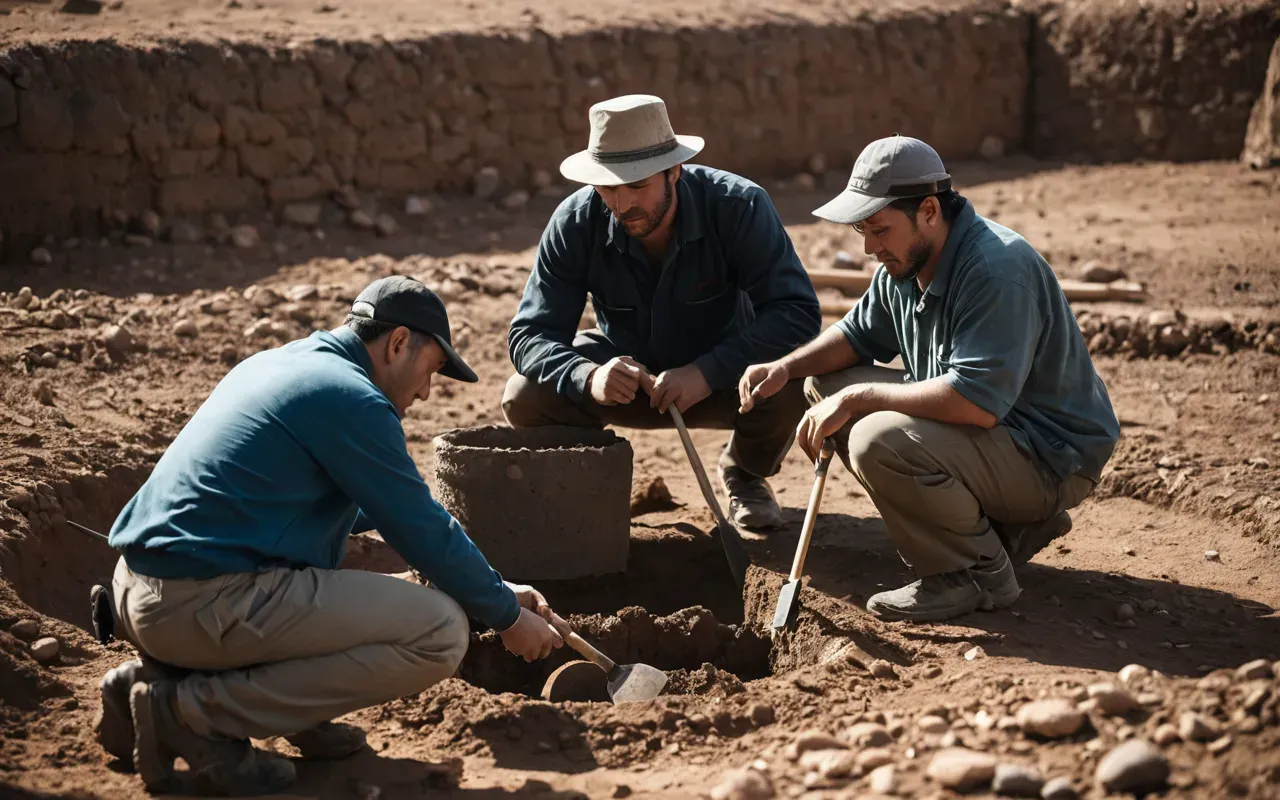
When local experts understand their own past, the narrative becomes richer. Less filtered through outside lenses.
The Skill Gap Being Closed
Archaeology is a craft. You learn by doing. By getting your hands dirty.
Students here are learning documentation and analysis techniques that will serve them for decades.
This is an investment in human capital. And it pays dividends long after the season ends.
What This Means for Our History Books
We often treat ancient history as a finished product. A set of facts to memorize.
But it isn't static. It's a living conversation between past and present.
Every new find at Dadan or Khaybar adds another sentence to that conversation. It complicates the simple stories.
If you enjoy how pop culture misses these timeline gaps, this is the real deal.
The Bigger Picture of Settlement
Understanding settlement patterns helps us understand resilience. How do people survive in harsh places?
They innovate. They adapt. They create systems that last for thousands of years.
That's a lesson we could use today. In our own world of rapid change and resource scarcity.
The Future of Archaeology in Arabia
This season is just one piece of a massive puzzle. The Royal Commission is driving systematic research.
They aren't just preserving sites. They're expanding knowledge of successive civilizations.
The goal is clear. To develop national expertise in archaeology and documentation.
Why Local Expertise Wins
When you know the land intimately, you see what outsiders miss. You understand the context.
It changes the questions we ask. And better questions lead to deeper answers.
A Lasting Legacy of Knowledge
In the end, it's about memory. Keeping the stories alive for future generations.
Dadan and Khaybar are more than ruins. They're anchors to our shared human past.
And as we dig deeper, we find that the past is never really gone. It's just waiting to be read.
Final Thoughts on Unearthing the Past
I keep coming back to one idea. History is not a static museum piece.
It's an active process of discovery. And we're still at the beginning of that journey for this region.
The work at AlUla proves it. There is so much more to learn. So many stories still buried in the sand.
So next time you think about ancient history, remember. It isn't finished. The ground is still speaking.