Ancient Civilizations Show What Netflix And History Channel Missed
The , Year Gap That Streaming Series Ignore
I sat through the last five big ancient-civilization shows that dropped in and . All five did the same thing: cave, then straight to Egypt.
Here's what bugs me. The biggest architectural leap in human history happened before anyone invented a plow.
We talk about Sumer. We marvel at Giza. And we skip right over the people who built massive stone circles , years before those structures existed.
Why The Pre-Farming Builders Are Missing From Your Screen Time
Most shows run on one tidy arc. Humans learn to farm. They build cities. Then they invent writing.
On paper, it makes sense. The archaeological record says otherwise. We built first — agriculture came later, partly to feed those massive construction projects.
The Problem With Linear History Narratives
Streamers want clean beginnings and endings. A hunter gathering food is easy to film.
A band of nomads organizing labor to move -ton stones? Hard to visualize. No flood, no war, no dramatic tension.
So they cut it. What's left is a broken timeline that leaves viewers confused about how society actually formed.
What Viewers Actually Remember From These Shows
Ask anyone what they know about early history. You'll get the Nile or Mesopotamia.
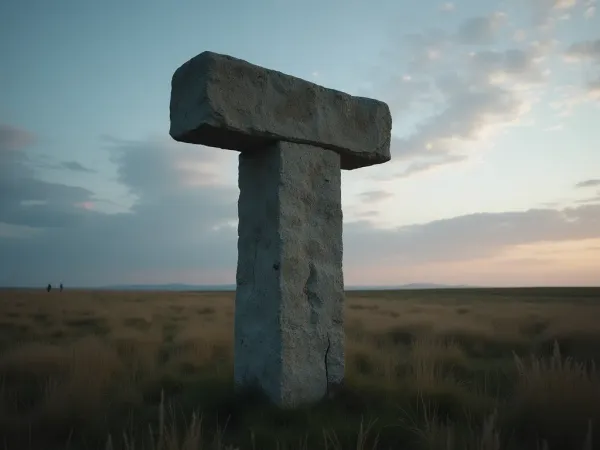
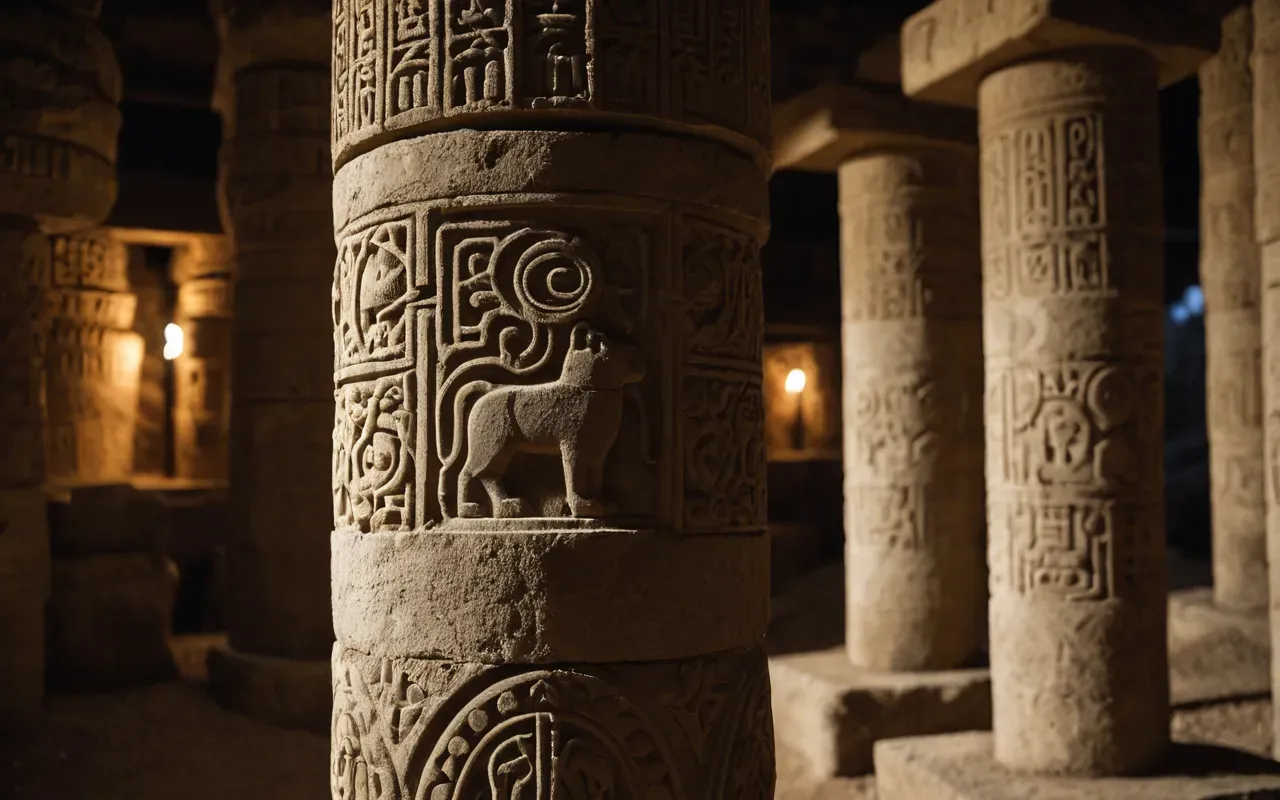
T-shaped pillars? Almost never. That's not an accident — it's a direct result of what gets produced and streamed globally.
The cultural memory these documentaries leave out is shaped by what editors choose to highlight. And they consistently skip the oldest chapter.
Gobeklitepe Is The Missing Piece In Every Ancient Civilization Show
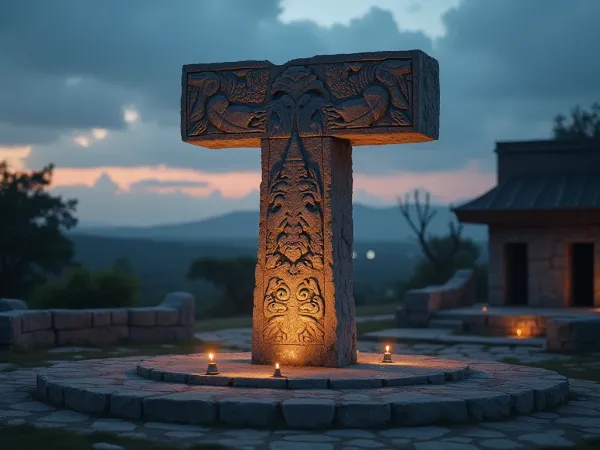
Let's talk about the site itself. Those T-shaped pillars aren't just decorative stones.
They represent abstract human figures. Picture a room where every pillar has a face and arms carved into it.
No writing. No metal tools. And yet they coordinated hundreds of workers to put these structures up.
The Architectural Scale That Defies Logic
Some pillars weigh over tons. Moving them took precise engineering and a massive communal effort.
There's no evidence of a centralized state. No kings. No armies. Just organized labor driven by shared belief.
That challenges the standard model of civilization. We usually assume hierarchy comes before complex architecture.
Why Editors Cut The Religious Context
Documentaries prefer action. A ritual feast is harder to dramatize than a battle.
But the animal carvings tell a story of hunting and sacrifice — and that spiritual framework drove the labor.
Without understanding the belief system, viewers see only rocks in a ditch. They miss the actual history.
Comparing The Top Ancient Civilization Series On Streaming Platforms
I ranked the most popular shows on historical accuracy regarding pre-farming societies.
Ranking The Myth Maker Series
This show leans heavily on Sumer. Earlier sites get a passing mention at best.
It gets the timeline wrong, casting agriculture as the primary driver of social change. A common narrative. Also a flawed one.
Ranking The Stone Circle Documentary
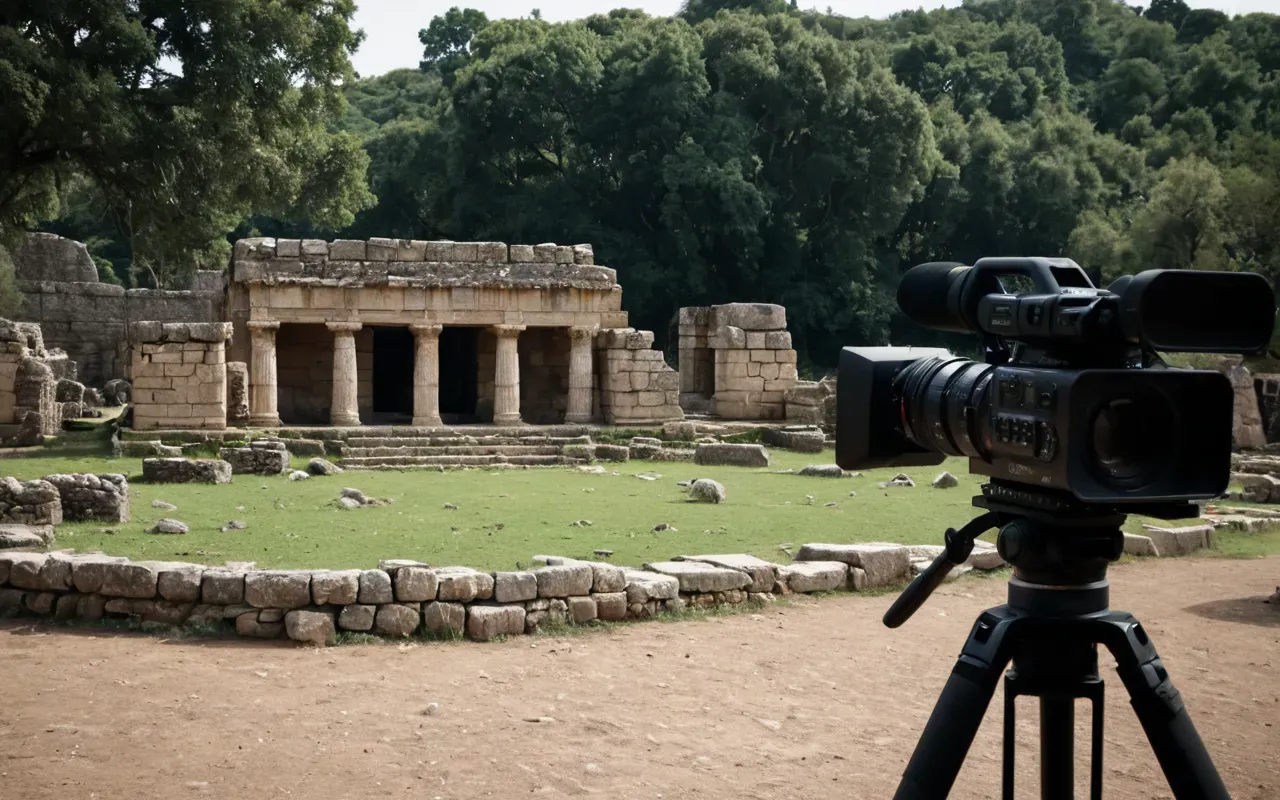
Better here. It includes footage of the site — but spends only four minutes on it.
The production value is high. Yet the script still implies these builders were primitive next to later empires.
Ranking The Nile Origins Film
Visually stunning, this one. But it completely ignores the pre-farming context in southern Anatolia.
It presents Egypt as a unique origin point for complex society. That is factually incorrect.

The Economic Reality Behind The Missing History
Why do networks avoid this topic? It isn't just about accuracy. It's about audience retention.
Viewers expect kings and wars. A story about communal labor without conflict feels slow to them.
Streaming algorithms favor high-engagement content. Drama wins. Nuance loses.
The Cost Of Historical Simplification
When we simplify history for entertainment, we lose important lessons about human capability.
We underestimate what small groups can achieve without centralized power. That has real implications for how we view modern cooperation.
The gap in our media isn't just a factual error. It's a loss of perspective.
What You Can Do To Fix Your Ancient Knowledge
So don't rely solely on streaming series for your understanding of human history.
Look at the raw archaeological data. The site itself tells a clearer story than any script can.
If you want the real timeline, start with the structures that came before writing. Learn more about the missing spot on the ancient civilizations map for a detailed breakdown.
Key Facts To Remember About Pre-Farming Societies
First, they built before they farmed. Second, no kings directed the work.
Third, religion was the primary motivator for labor. Fourth, the scale of construction defies logical explanation without belief.
Keep those four points in mind and you'll watch every history show differently. Try it.
The Future Of Ancient History On Screen Is Finally Changing
New productions are starting to include the pre-farming era. It's a slow shift.
Audiences are getting more critical of simplified narratives. They want the full story now.
That's a good thing. The more accurate our media becomes, the better we understand ourselves.
Check out why a single laser beam is quietly erasing our textbooks on ancient history to see how new tech changes this field.
Frequently Asked Questions
Why do most ancient civilization shows skip pre-farming societies?
Producers prioritize dramatic conflict over nuanced social history. Pre-farming communities lacked kings and wars, making them harder to dramatize for broad audiences.
What is the most accurate ancient civilization show currently streaming?
No single series covers it perfectly. The Stone Circle Documentary comes closest by including footage of the site, though it still underplays its significance.
How does Gobeklitepe change our understanding of human history?
It proves complex architecture preceded agriculture and centralized power. This reverses the traditional timeline of how civilization developed.
Can viewers find reliable historical data outside of streaming platforms?
Yes. Academic journals and excavation reports provide raw data without narrative bias. These sources offer a more accurate picture of pre-farming societies.