The Cave Where Stone Turtles Prove We Got Prehistory Completely Wrong
A Cave That Changes Everything We Thought About Early Humans
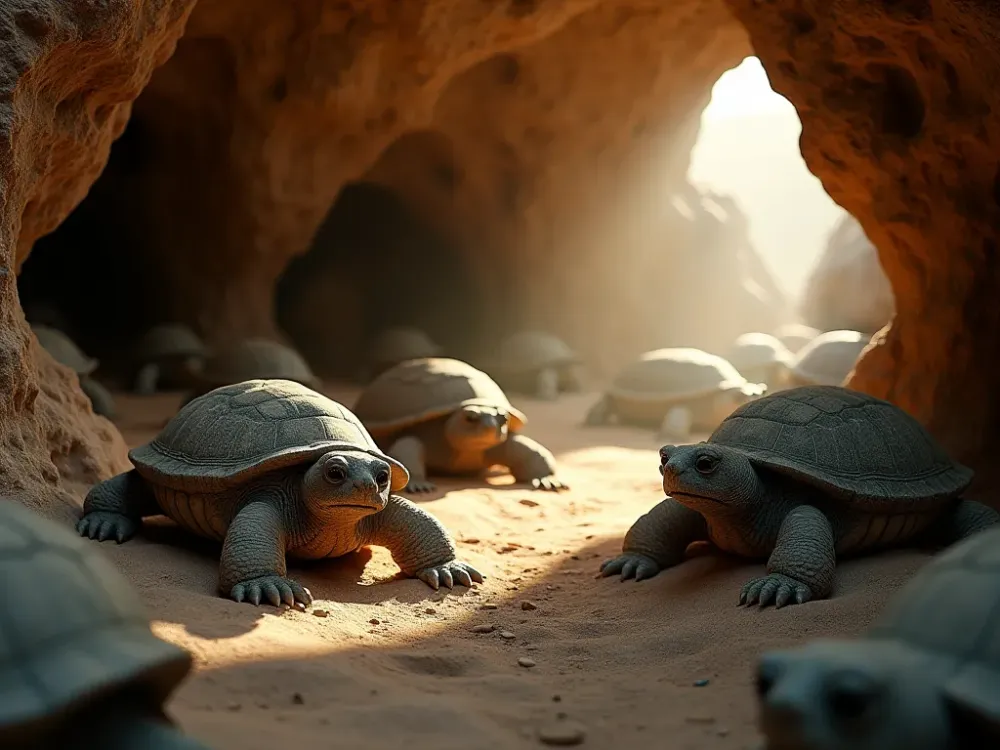
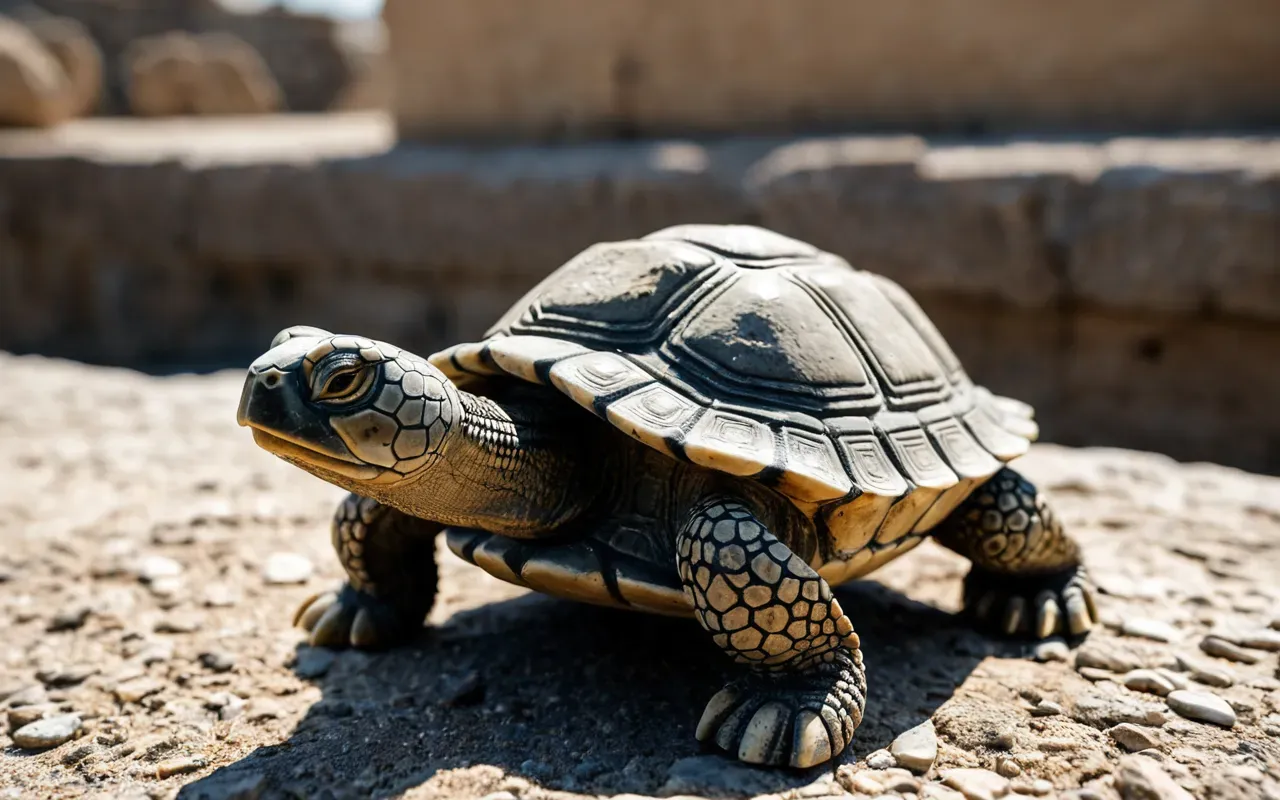
Picture this: you're crawling through a dark, dusty cave, and your flashlight lands on something that makes you rethink everything you learned in history class. That's basically what went down when archaeologists stumbled upon a stash of turtle figurines more than 16,000 years old.
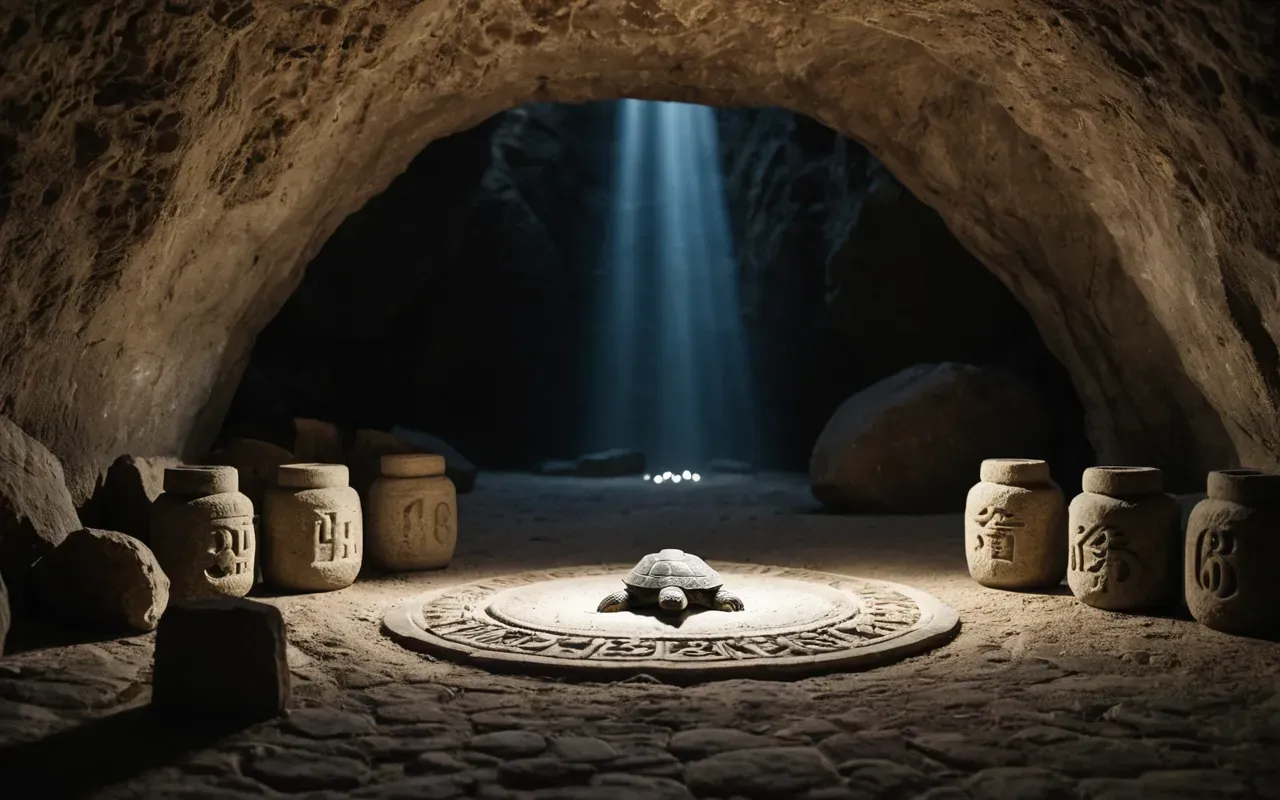
These weren't just scattered trinkets. Someone had deliberately arranged them in the soil, circling a central formation. That level of intent? It screams ritual.
Honestly, what hit me hardest is how this guts the old assumption that early humans were just scrappy hunter-gatherers barely making it through the day. These folks had belief systems. Ceremonies. A whole inner world we never gave them credit for.
Why Turtles? The Symbolism Nobody Talks About
Turtles show up again and again in human culture across millennia. But here's the question that keeps gnawing at me: what did they symbolize to the people camped near this cave during the tail end of the Ice Age?
Researchers don't think these carvings were meant to look pretty. The crude, rough edges point to something functional — a tool for ceremony, not display.
There's one theory that gives me chills. The hill rising behind the cave? It looks like a turtle. And some of the smaller figurines were shaped to mirror that exact silhouette.
If that holds up, we're looking at an early reverence for the land itself. A mountain cult? Bold wording, I know. But it could completely redraw our map of prehistoric spirituality.
The Bigger Picture: What This Means for Göbeklitepe and Beyond
This find isn't an isolated oddity, either. It slots right into a pile of recent evidence that keeps complicating the tidy story we tell about early human life and worship.
If you've been tracking the debates around Göbeklitepe’s true purpose, this discovery throws another log on the fire.
We're talking about a window between 14,500 and 11,200 B.C.E. — way before farming, before permanent towns. These were mobile hunter-gatherers, and yet they were running complex cultural playbooks we're only now deciphering.
The Implications Nobody Is Talking About Yet
What really gets me is the timeline. We've spent decades assuming religion and ritual were byproducts of agriculture — that you needed surplus food and settled life before you could invent gods.
But these figurines poke a hole in that logic. Symbolic thought and ceremony might have been running through human societies long before the first seed was planted.
Want to see how this fits into the bigger picture of early human development? Take a look at how our history books got farming wrong.
A Shift in How We View Prehistory
Look, this isn't really about turtles. It's about admitting that our ancestors were far richer, stranger, and more sophisticated than the flat caricatures we've drawn of them.
Every new discovery like this one chips away at the oversimplified version of prehistory we've been handing down for generations.
What’s Next for Researchers?
The figurines have already been moved to museums for closer examination. With any luck, more detailed analysis will crack open their true purpose.
For now, we're left to guess. But one thing feels certain: this little collection has pried open a door into the past that we didn't even know was shut.
The Story We Need to Tell About Early Humans
We've always narrated early human history as a story of survival — food, shelter, staying alive. These turtle figurines suggest there was always something more.
A story of belief. Of ritual. Of a people who felt connected to the world around them in ways we're still struggling to understand.
So yeah, it's time to dig deeper and rewrite those history books. Because these turtles are whispering something, and we're just starting to hear it.